Cancer Epidemiology Division, Population Sciences in the Pacific Program, University of Hawaii Cancer Center, University of Hawaii at Manoa, Honolulu, HI, 96813, USA.
Laboratory of Behavioral Neuroscience, National Institute On Aging, Intramural Research Program, Baltimore, MD, USA.
Alzheimers Res Ther. 2024 Jan 11;16(1):8. doi: 10.1186/s13195-023-01378-4.
Specific peripheral proteins have been implicated to play an important role in the development of Alzheimer's disease (AD). However, the roles of additional novel protein biomarkers in AD etiology remains elusive. The availability of large-scale AD GWAS and plasma proteomic data provide the resources needed for the identification of causally relevant circulating proteins that may serve as risk factors for AD and potential therapeutic targets.
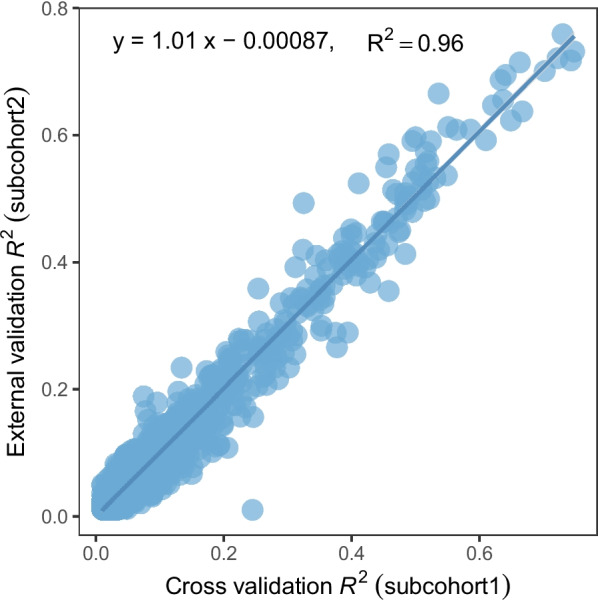
We established and validated genetic prediction models for protein levels in plasma as instruments to investigate the associations between genetically predicted protein levels and AD risk. We studied 71,880 (proxy) cases and 383,378 (proxy) controls of European descent.
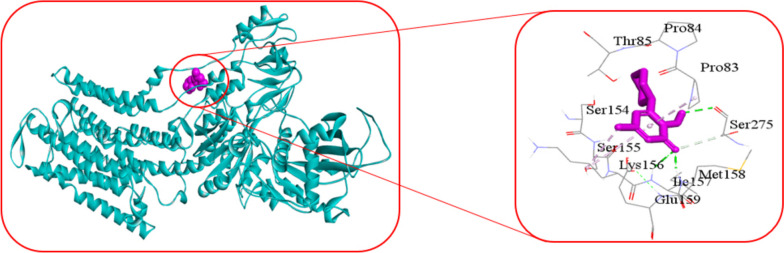
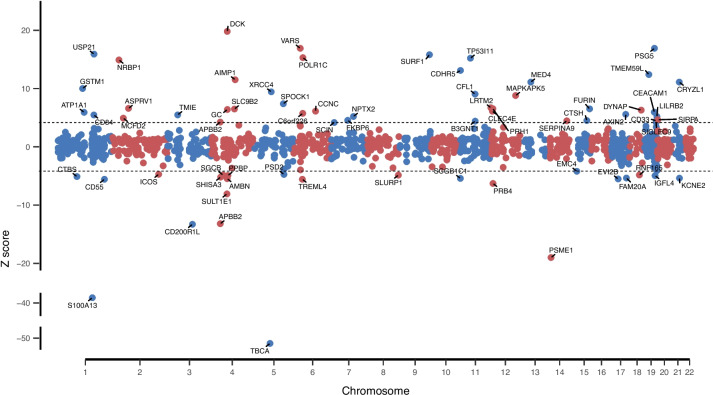
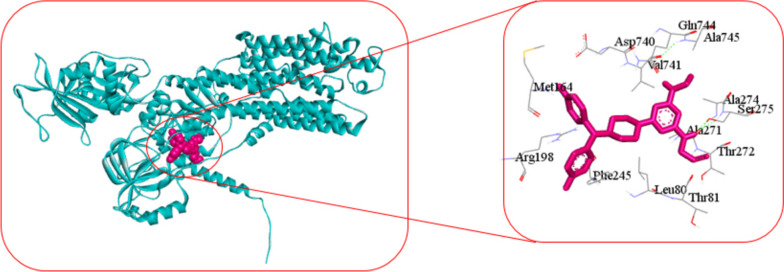
We identified 69 proteins with genetically predicted concentrations showing associations with AD risk. The drugs almitrine and ciclopirox targeting ATP1A1 were suggested to have a potential for being repositioned for AD treatment.
Our study provides additional insights into the underlying mechanisms of AD and potential therapeutic strategies.
特定的外周蛋白已被认为在阿尔茨海默病(AD)的发展中起着重要作用。然而,其他新型蛋白生物标志物在 AD 病因学中的作用仍不清楚。大规模 AD GWAS 和血浆蛋白质组学数据的可用性为确定可能作为 AD 风险因素和潜在治疗靶点的因果相关循环蛋白提供了所需的资源。
我们建立并验证了血浆蛋白水平的遗传预测模型,作为研究遗传预测蛋白水平与 AD 风险之间关联的工具。我们研究了 71880 名(替代)病例和 383378 名(替代)欧洲血统的对照者。
我们确定了 69 种具有遗传预测浓度的蛋白质与 AD 风险相关。针对 ATP1A1 的药物氨茴酸和环吡酮被认为有可能重新用于 AD 治疗。
我们的研究为 AD 的潜在治疗策略提供了额外的见解。