Song Letian, Gao Shenghua, Ye Bing, Yang Mianling, Cheng Yusen, Kang Dongwei, Yi Fan, Sun Jin-Peng, Menéndez-Arias Luis, Neyts Johan, Liu Xinyong, Zhan Peng
Department of Medicinal Chemistry, Key Laboratory of Chemical Biology (Ministry of Education), School of Pharmaceutical Sciences, Cheeloo College of Medicine, Shandong University, Jinan 250012, China.
Shenzhen Research Institute of Shandong University, Shenzhen 518057, China.
Acta Pharm Sin B. 2024 Jan;14(1):87-109. doi: 10.1016/j.apsb.2023.08.004. Epub 2023 Aug 9.
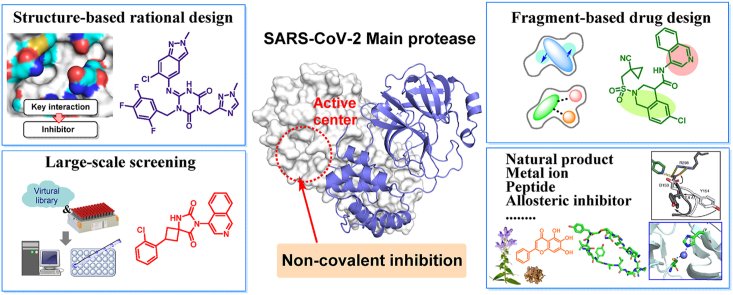
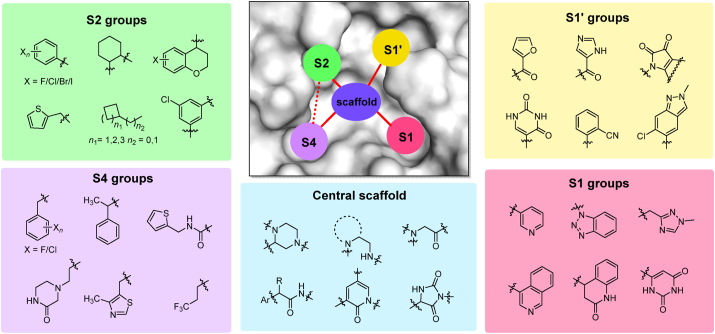
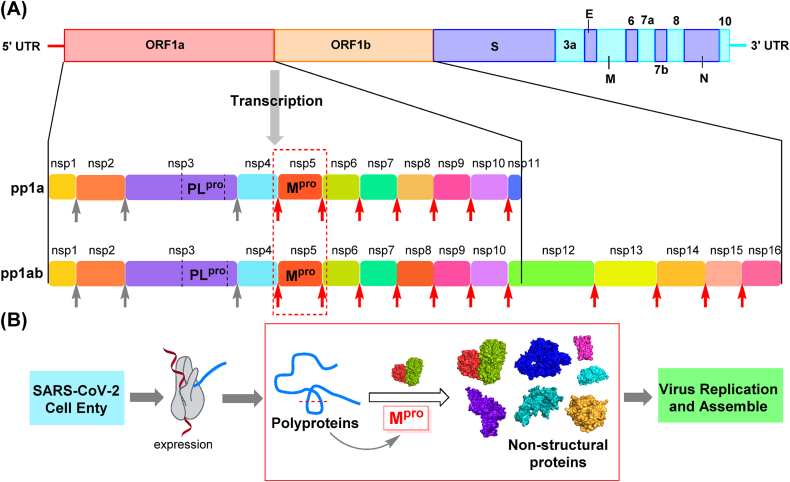
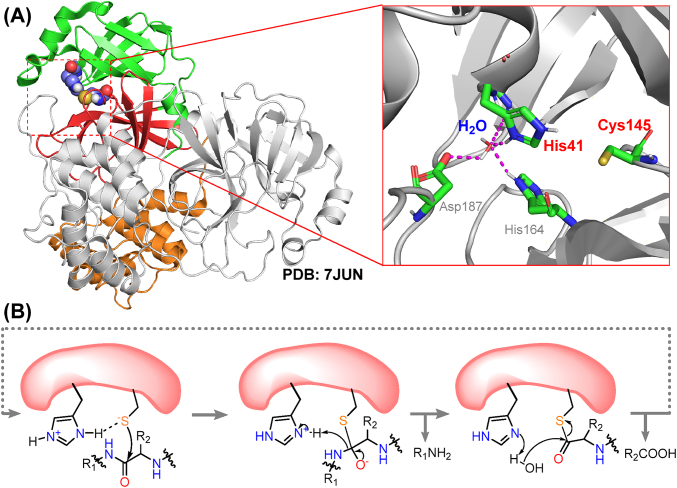
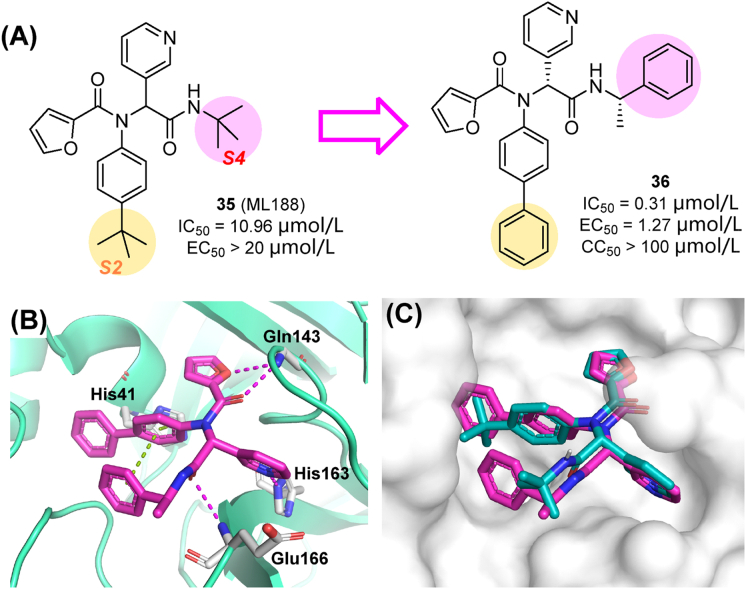
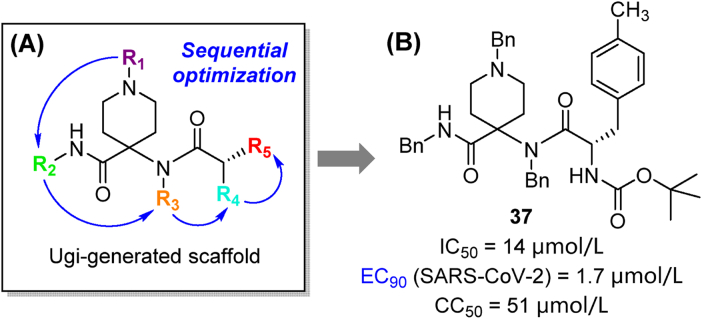
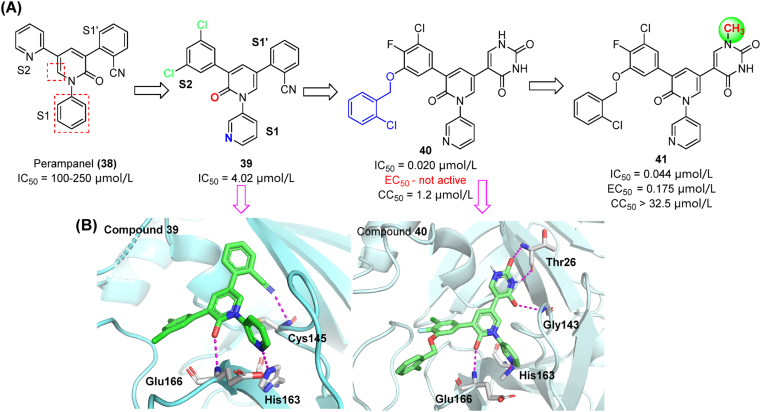
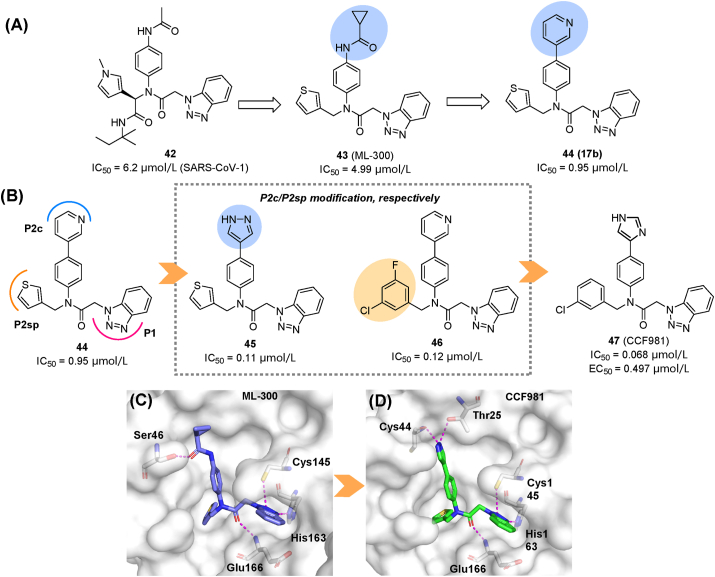
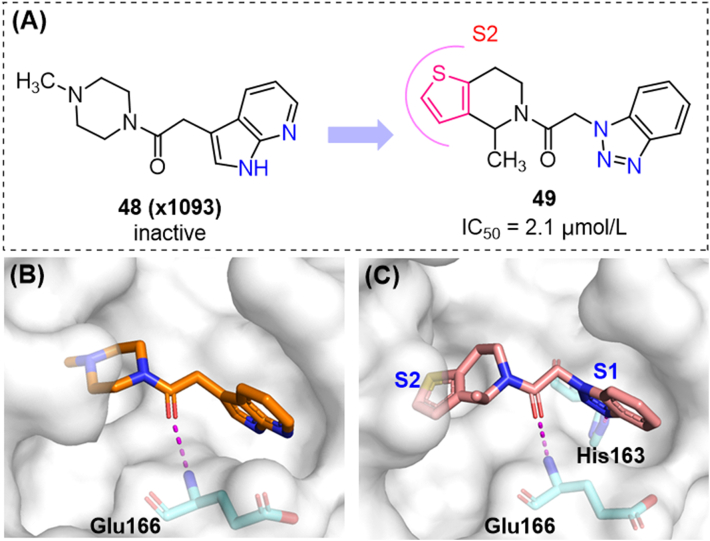
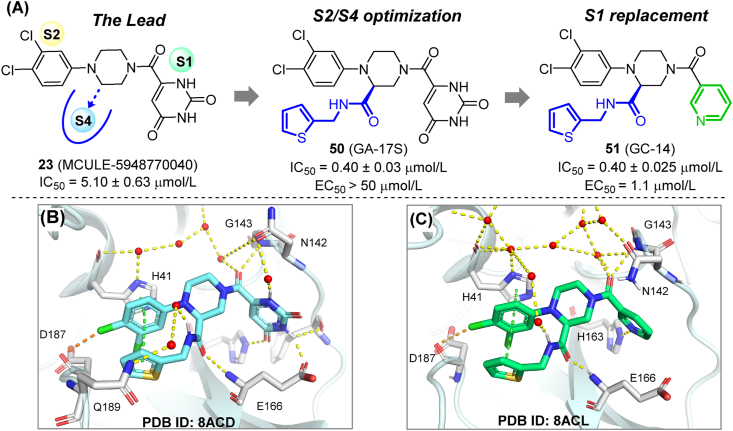
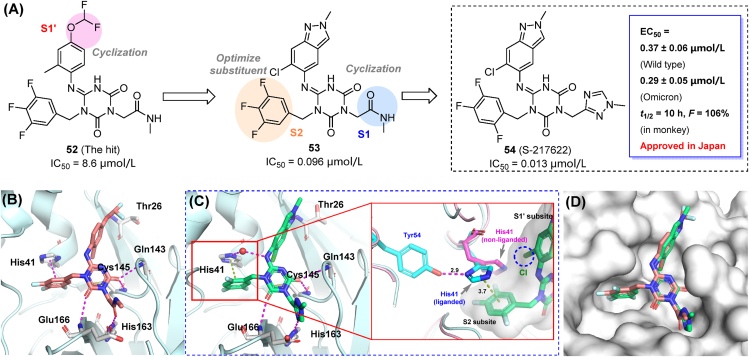
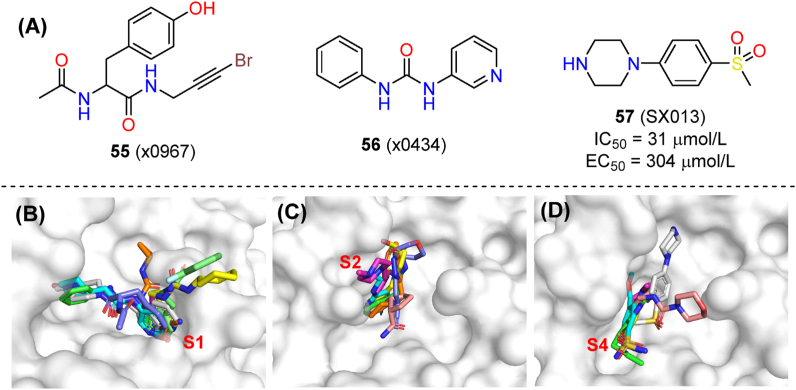
The main protease (M) of SARS-CoV-2 is an attractive target in anti-COVID-19 therapy for its high conservation and major role in the virus life cycle. The covalent M inhibitor nirmatrelvir (in combination with ritonavir, a pharmacokinetic enhancer) and the non-covalent inhibitor ensitrelvir have shown efficacy in clinical trials and have been approved for therapeutic use. Effective antiviral drugs are needed to fight the pandemic, while non-covalent M inhibitors could be promising alternatives due to their high selectivity and favorable druggability. Numerous non-covalent M inhibitors with desirable properties have been developed based on available crystal structures of M. In this article, we describe medicinal chemistry strategies applied for the discovery and optimization of non-covalent M inhibitors, followed by a general overview and critical analysis of the available information. Prospective viewpoints and insights into current strategies for the development of non-covalent M inhibitors are also discussed.
新型冠状病毒2(SARS-CoV-2)的主要蛋白酶(M)因其高度保守性以及在病毒生命周期中的主要作用,成为抗新冠治疗中一个具有吸引力的靶点。共价M抑制剂奈玛特韦(与药代动力学增强剂利托那韦联合使用)和非共价抑制剂恩赛特韦在临床试验中已显示出疗效,并已获批用于治疗。抗击这一疫情需要有效的抗病毒药物,而非共价M抑制剂因其高选择性和良好的成药性,可能成为有前景的替代药物。基于M的现有晶体结构,已开发出许多具有理想特性的非共价M抑制剂。在本文中,我们描述了用于发现和优化非共价M抑制剂的药物化学策略,随后对现有信息进行了概述和批判性分析。还讨论了非共价M抑制剂当前开发策略的前瞻性观点和见解。