Chen Hao, Wang Yuanyong, Shao Changjian, Guo Kai, Liu Guanglin, Wang Zhaoyang, Duan Hongtao, Pan Minghong, Ding Peng, Zhang Yimeng, Han Jing, Yan Xiaolong
Department of Thoracic Surgery, Tangdu Hospital of Air Force Military Medical University, Xi’an 71003, China.
Department of Ophthalmology, Tangdu Hospital of Air Force Military Medical University, Xi’an 71003, China.
Aging (Albany NY). 2024 Jan 17;16(2):1276-1297. doi: 10.18632/aging.205407.
The significance of long non-coding RNAs (lncRNAs) as pivotal mediators of histone acetylation and their influential role in predicting the prognosis of lung adenocarcinoma (LUAD) has been increasingly recognized. However, there remains uncertainty regarding the potential utility of acetylation-related lncRNAs (ARLs) in prognosticating the overall survival (OS) of LUAD specimens.
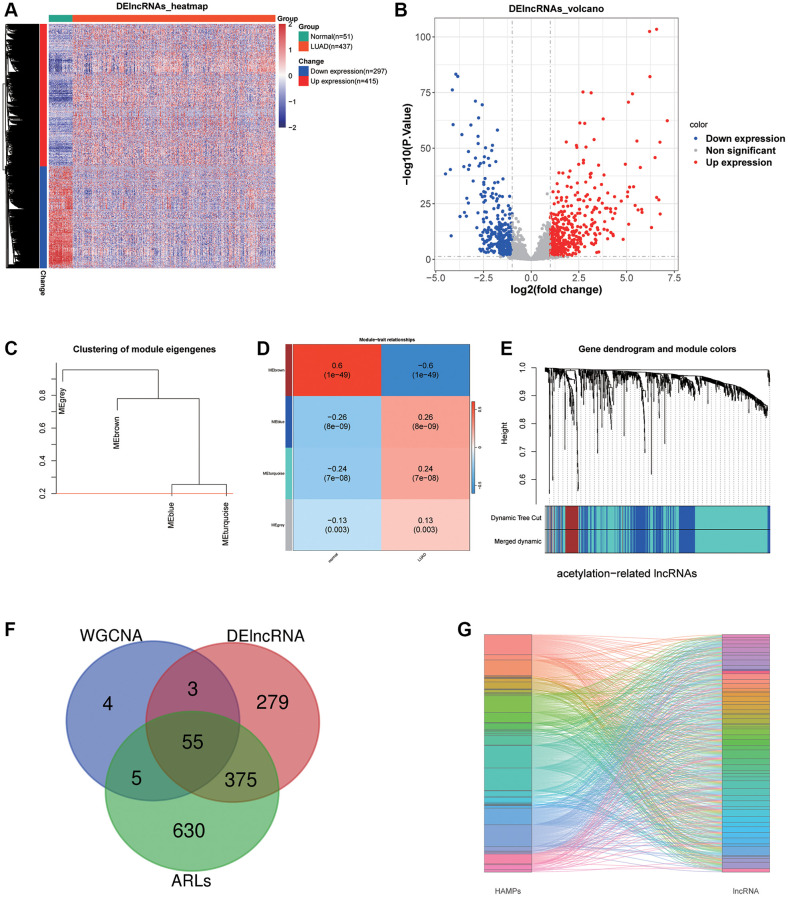
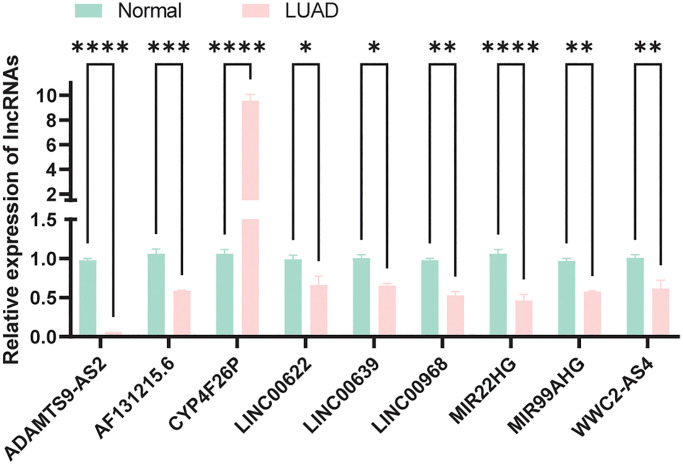
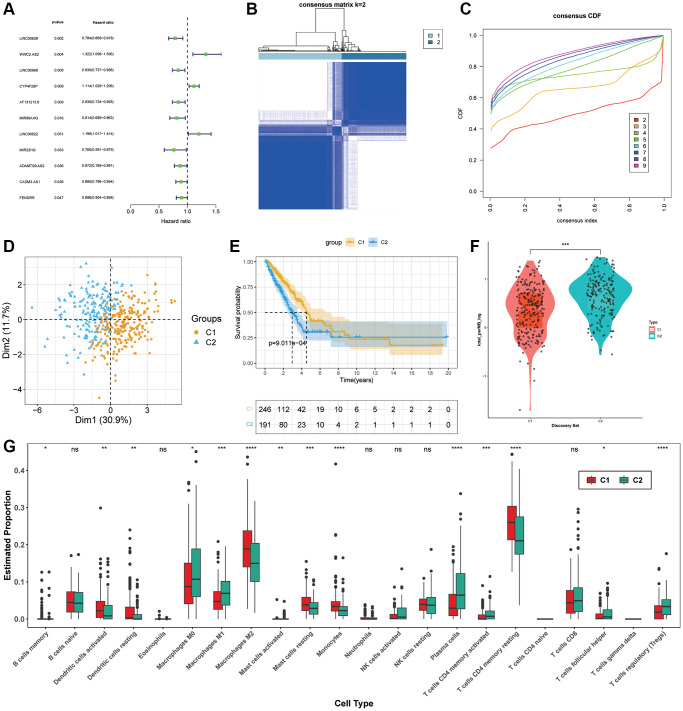
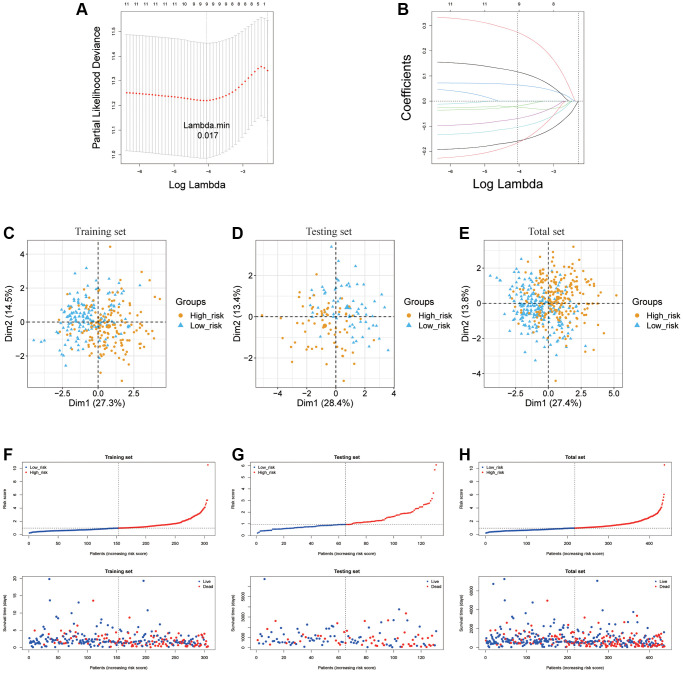
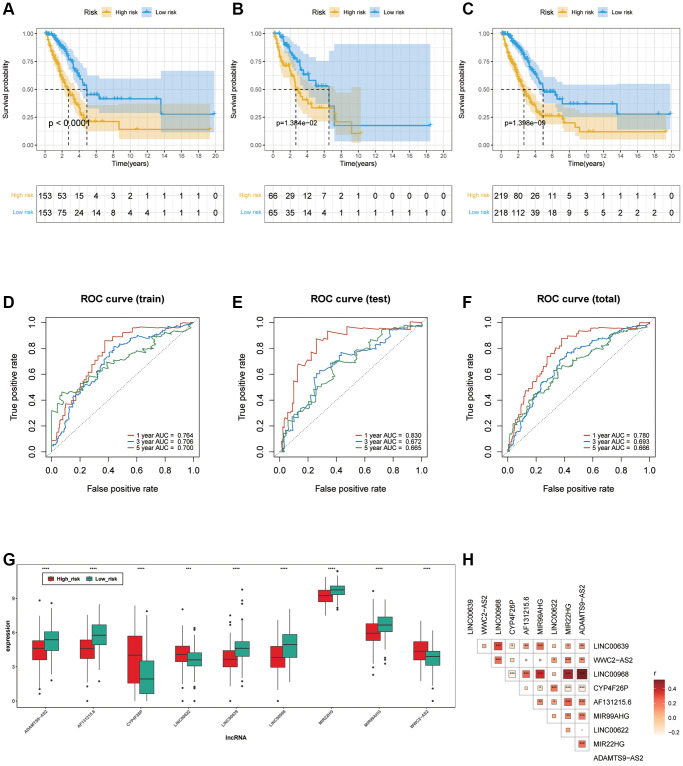
The RNA-Seq and clinical information were downloaded from The Cancer Genome Atlas (TCGA). Through the differential analysis, weighted correlation network analysis (WGCNA), Pearson correlation test and univariate Cox regression, we found out the prognosis associated ARLs and divided LUAD specimens into two molecular subclasses. The ARLs were employed to construct a unique signature through the implementation of the Least Absolute Shrinkage and Selection Operator (LASSO) algorithm. Subsequently, the predictive performance was evaluated using ROC analysis and Kaplan-Meier survival curve analysis. Finally, ARL expression in LUAD was confirmed by quantitative real-time PCR (qRT-PCR).
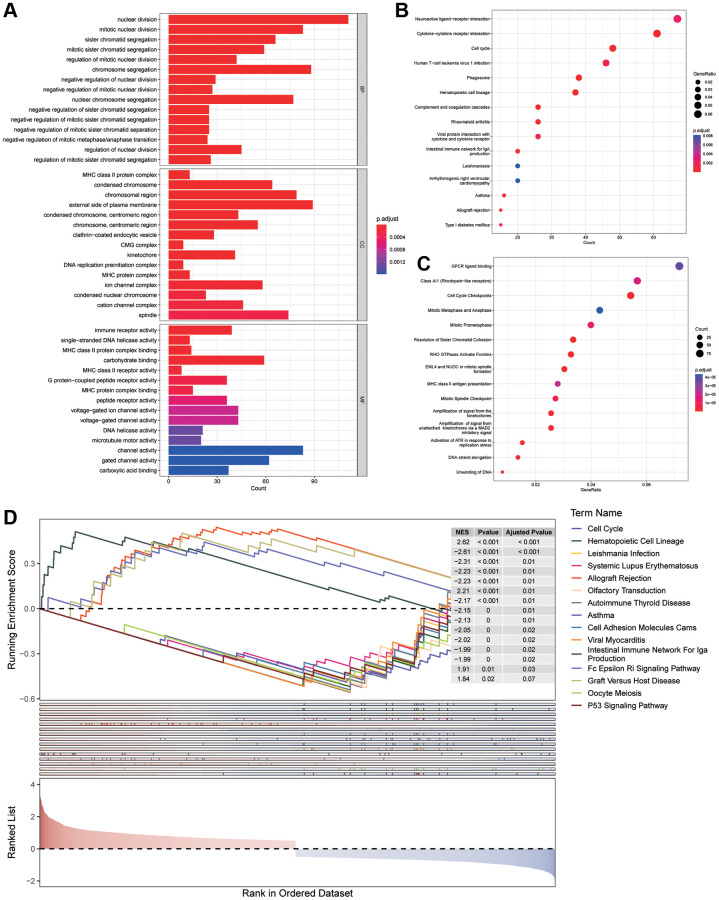
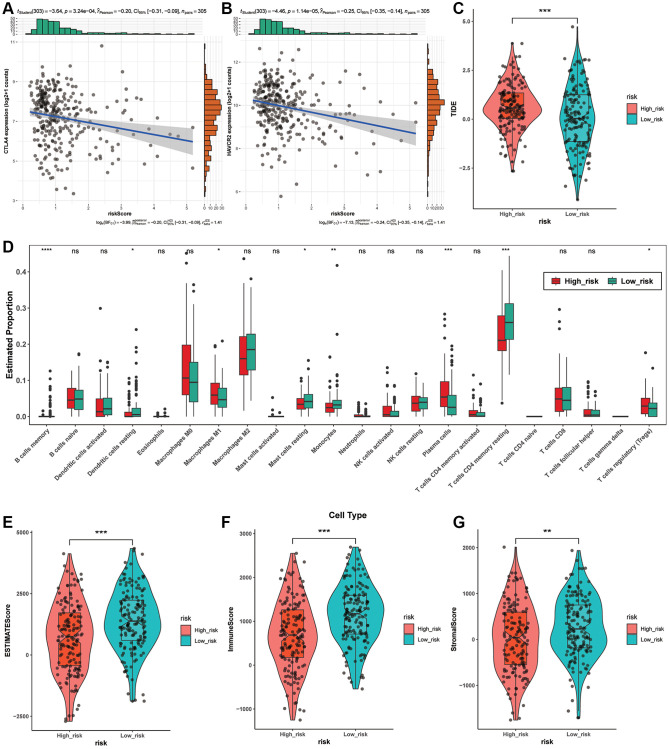
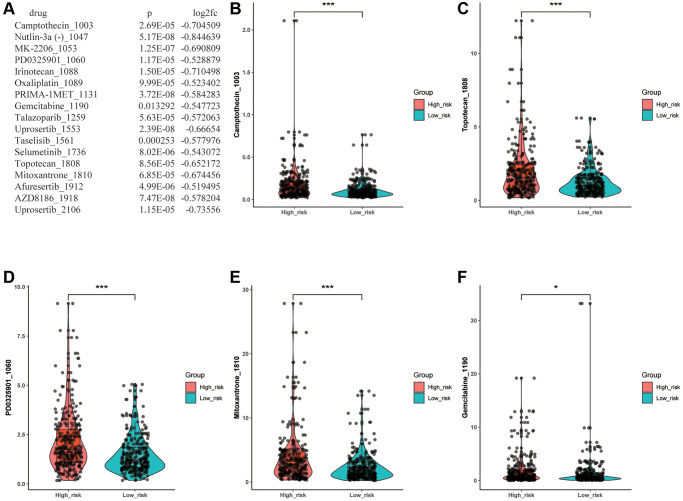
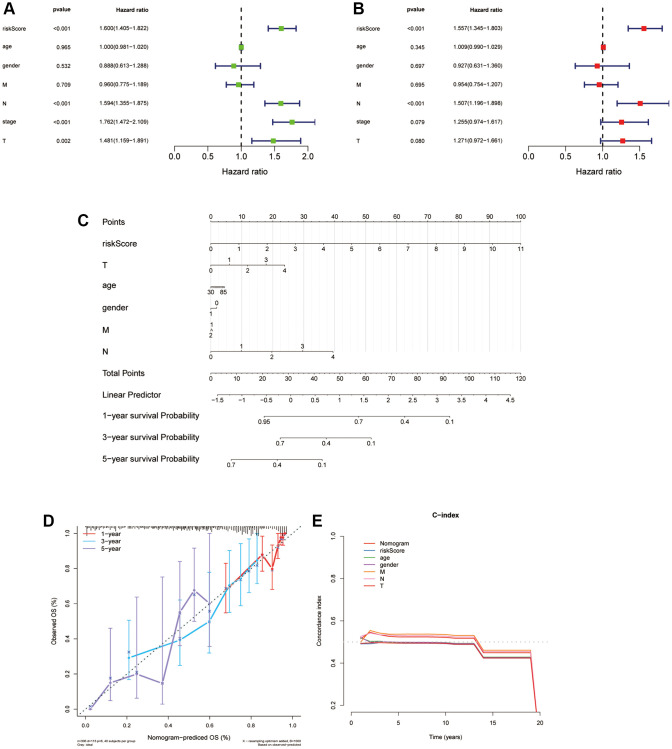
We triumphantly built a ARLs prognostic model with excellent predictive accuracy for LUAD. Univariate and multivariate Cox analysis illustrated that risk model served as an independent predictor for influencing the overall survival OS of LUAD. Furthermore, a nomogram exhibited strong prognostic validity. Additionally, variations were observed among subgroups in the field of immunity, biological functions, drug sensitivity and gene mutations within the field.
Nine ARLs were identified as promising indicators of personalized prognosis and drug selection for people suffering with LUAD.
长链非编码RNA(lncRNAs)作为组蛋白乙酰化的关键调节因子及其在预测肺腺癌(LUAD)预后中的重要作用已日益受到认可。然而,乙酰化相关lncRNAs(ARLs)在预测LUAD标本总生存期(OS)方面的潜在效用仍存在不确定性。
从癌症基因组图谱(TCGA)下载RNA测序数据和临床信息。通过差异分析、加权基因共表达网络分析(WGCNA)、Pearson相关性检验和单变量Cox回归,我们找出了与预后相关的ARLs,并将LUAD标本分为两个分子亚类。通过实施最小绝对收缩和选择算子(LASSO)算法,利用ARLs构建了一个独特的特征。随后,使用ROC分析和Kaplan-Meier生存曲线分析评估预测性能。最后,通过定量实时PCR(qRT-PCR)确认LUAD中ARL的表达。
我们成功构建了一个对LUAD具有优异预测准确性的ARLs预后模型。单变量和多变量Cox分析表明,风险模型是影响LUAD总生存期OS的独立预测因子。此外,列线图显示出很强的预后有效性。此外,在免疫、生物学功能、药物敏感性和基因突变领域的亚组之间观察到差异。
九个ARLs被确定为LUAD患者个性化预后和药物选择的有前景指标。