Lu Haiyan, Yu Xiaoming, Hou Liting, Zhang Yuanpeng, Li Lan, Qiao Xuwen, Cheng Haiwei, Du Luping, Chen Jin, Zheng Qisheng, Hou Jibo
Institute of Veterinary Immunology & Engineering, Jiangsu Academy of Agricultural Sciences, Nanjing 210014, China.
National Research Center of Engineering and Technology for Veterinary Biologicals, Jiangsu Academy of Agricultural Science, Nanjing 210014, China.
Vaccines (Basel). 2024 Jan 15;12(1):86. doi: 10.3390/vaccines12010086.
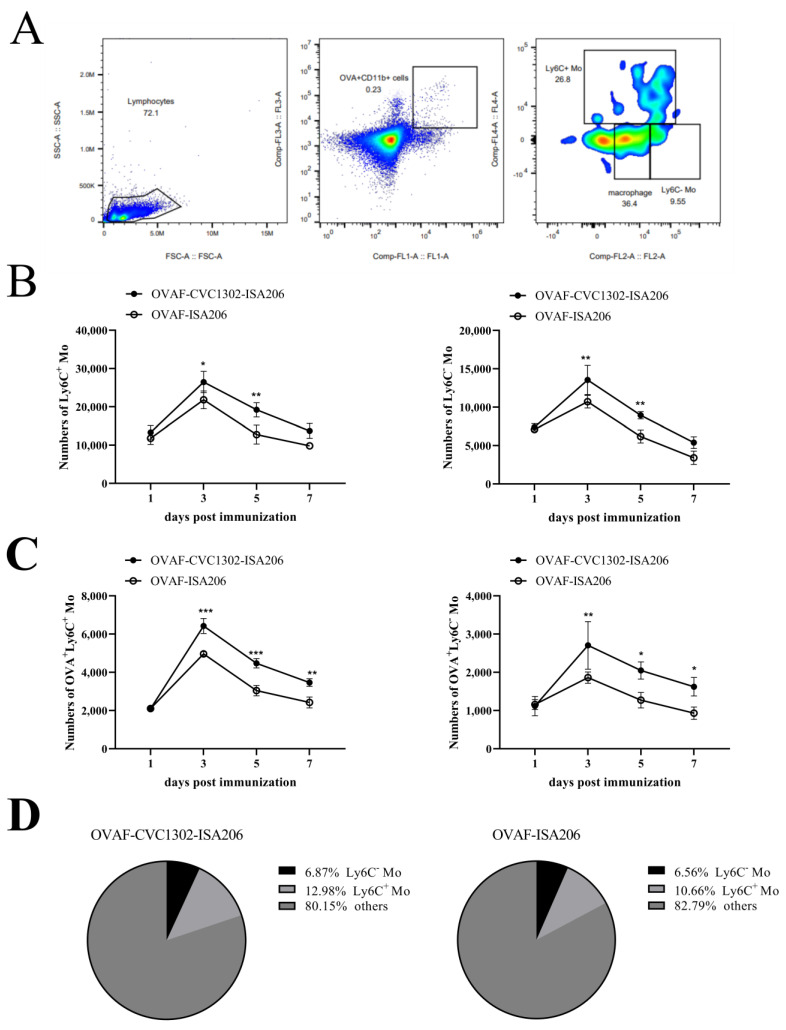
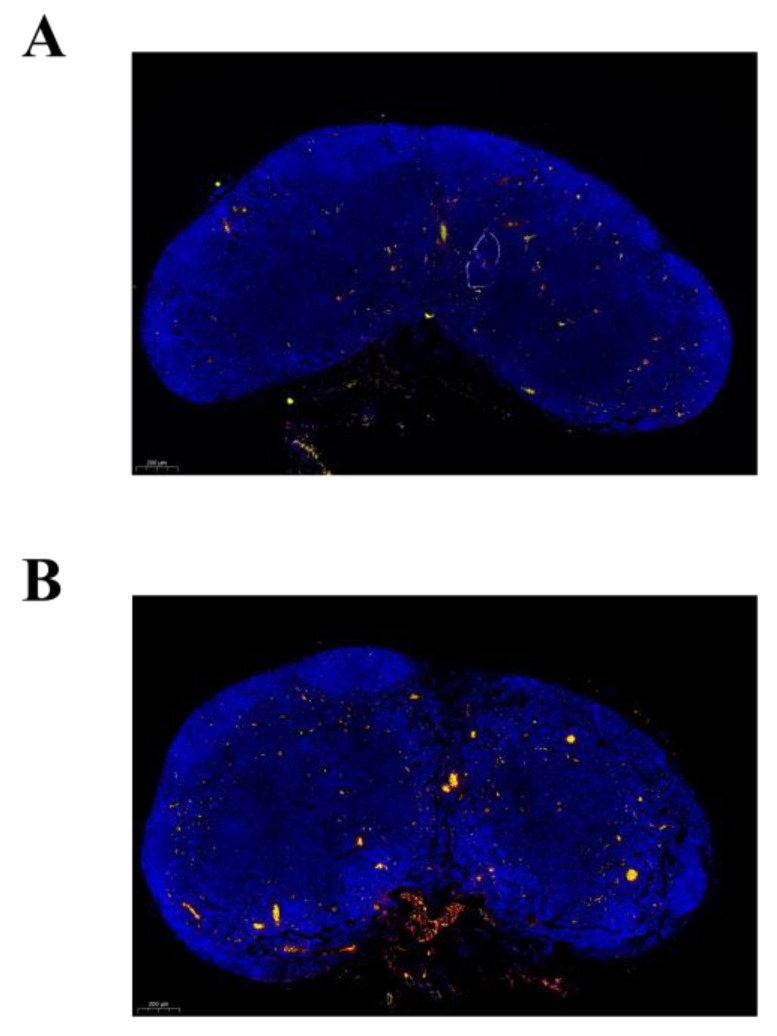
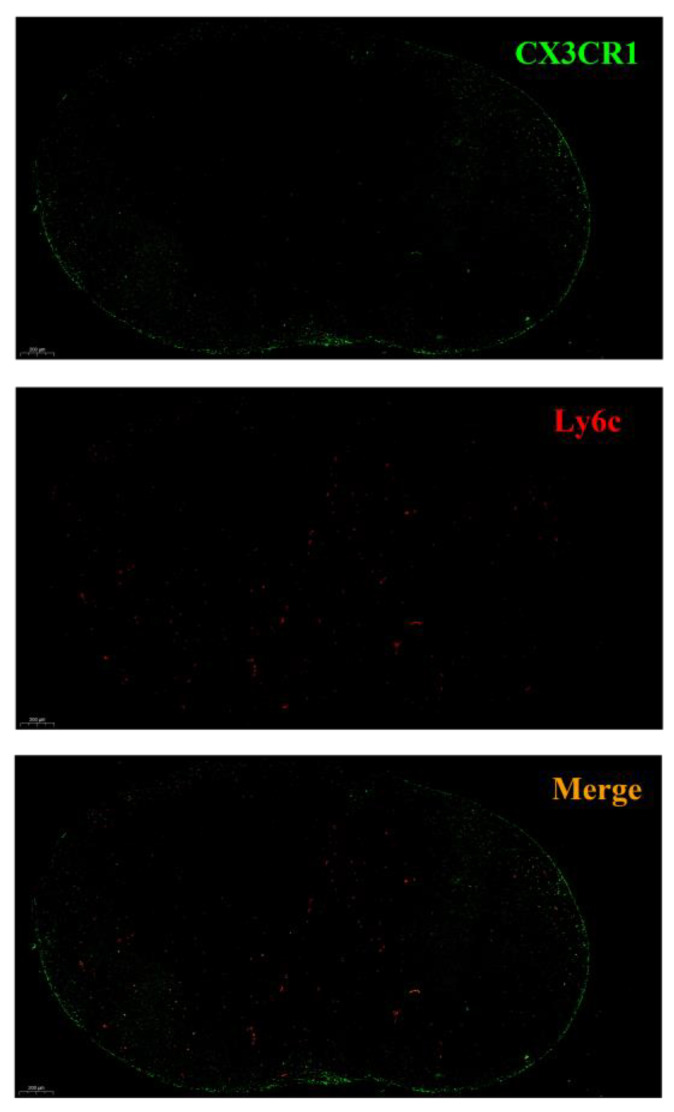
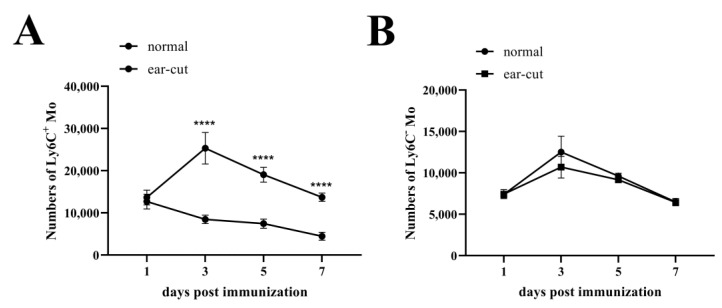
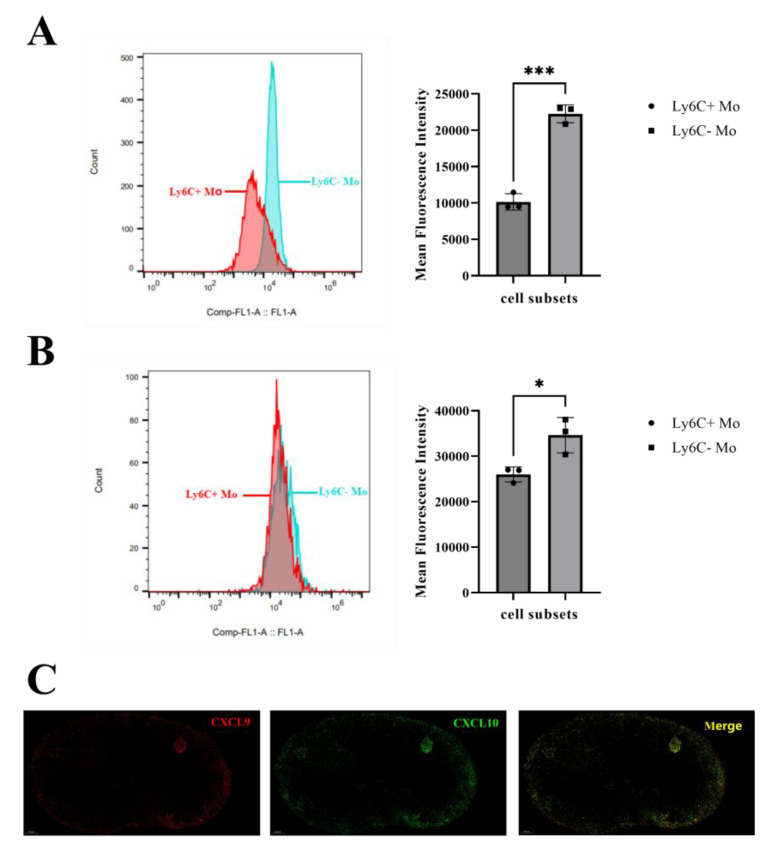
Monocytes (Mos) are believed to play important roles during the generation of immune response. In our previous study, CVC1302, a complex of PRRs agonists, was demonstrated to recruit Mo into lymph nodes (LNs) in order to present antigen and secret chemokines (CXCL9 and CXCL10), which attracted antigen-specific CD4 T cells. As it is known that Mos in mice are divided into two main Mo subsets (Ly6C Mo and Ly6C Mo), we aimed to clarify the CVC1302-recruiting Mo subset and functions in the establishment of immunity. In this study, we found that CVC1302 attracted both Ly6C Mo and Ly6C Mo into draining LNs, which infiltrated from different origins, injection muscles and high endothelial venule (HEV), respectively. We also found that the numbers of OVA Ly6C Mo in the draining LNs were significantly higher compared with OVA Ly6C Mo. However, the levels of CXCL9 and CXCL10 produced by Ly6C Mo were significantly higher than Ly6C Mo, which plays important roles in attracting antigen-specific CD4 T cells. Under the analysis of their functions in initiating immune responses, we found that the ability of the Ly6C monocyte was mainly capturing and presenting antigens, otherwise; the ability of the Ly6C monocyte was mainly secreting CXCL9 and CXCL10, which attracted antigen-specific CD4 T cells through CXCR3. These results will provide new insights into the development of new immunopotentiators and vaccines.
单核细胞(Mos)被认为在免疫反应的产生过程中发挥重要作用。在我们之前的研究中,CVC1302,一种模式识别受体(PRRs)激动剂复合物,被证明可将单核细胞募集到淋巴结(LNs)中,以便呈递抗原并分泌趋化因子(CXCL9和CXCL10),从而吸引抗原特异性CD4 T细胞。由于已知小鼠中的单核细胞分为两个主要的单核细胞亚群(Ly6C单核细胞和Ly6C单核细胞),我们旨在阐明CVC1302募集的单核细胞亚群及其在免疫建立中的功能。在本研究中,我们发现CVC1302将Ly6C单核细胞和Ly6C单核细胞都吸引到引流淋巴结中,它们分别从不同来源、注射肌肉和高内皮微静脉(HEV)浸润而来。我们还发现,与OVA Ly6C单核细胞相比,引流淋巴结中OVA Ly6C单核细胞的数量显著更高。然而,Ly6C单核细胞产生的CXCL9和CXCL10水平明显高于Ly6C单核细胞,这在吸引抗原特异性CD4 T细胞方面发挥重要作用。在分析它们启动免疫反应的功能时,我们发现Ly6C单核细胞的能力主要是捕获和呈递抗原,否则;Ly6C单核细胞的能力主要是分泌CXCL9和CXCL10,它们通过CXCR3吸引抗原特异性CD4 T细胞。这些结果将为新型免疫增强剂和疫苗的开发提供新的见解。