Advanced Bioconvergence Product Research Division, National Institute of Food and Drug Safety Evaluation, Ministry of Food and Drug Safety, Cheongju-si 28159, Republic of Korea.
Int J Mol Sci. 2024 Jan 16;25(2):1101. doi: 10.3390/ijms25021101.
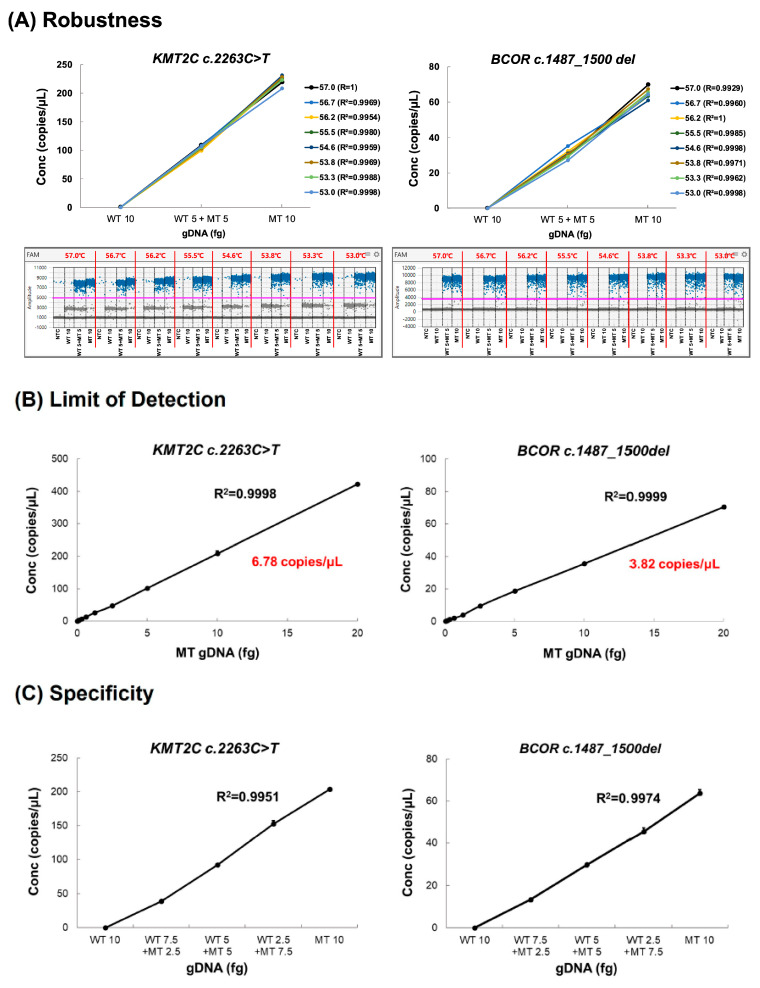
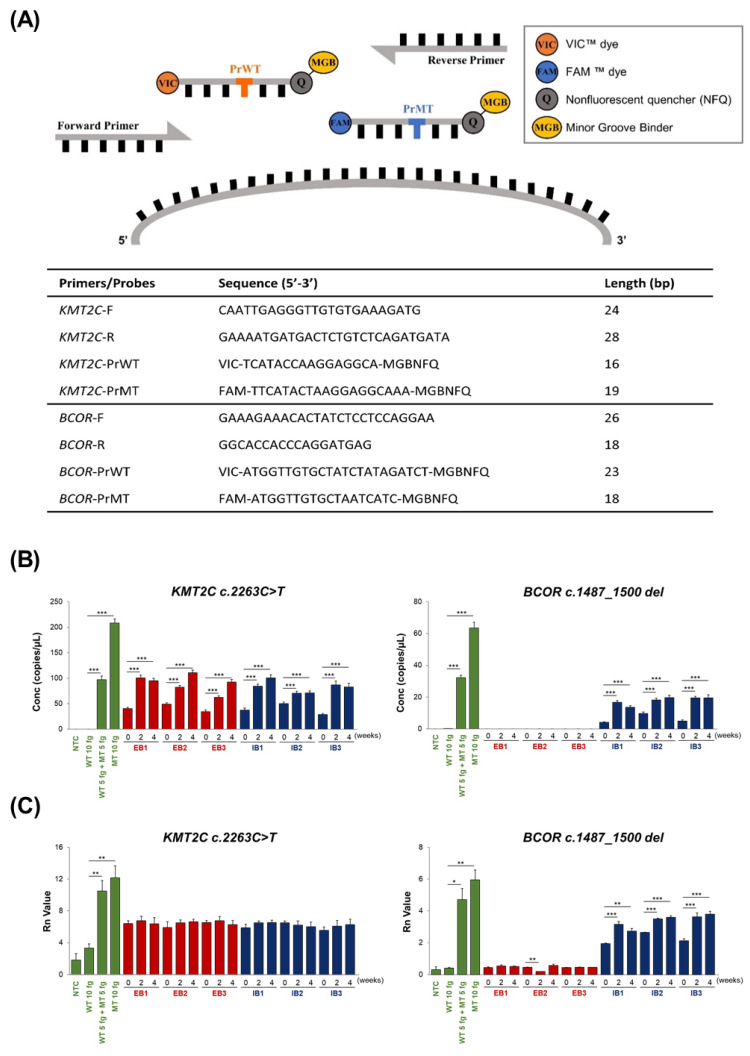
Unintended genetic modifications that occur during the differentiation and proliferation of human induced pluripotent stem cells (hiPSCs) can lead to tumorigenicity. This is a crucial concern in the development of stem cell-based therapies to ensure the safety and efficacy of the final product. Moreover, conventional genetic stability testing methods are limited by low sensitivity, which is an issue that remains unsolved. In this study, we assessed the genetic stability of hiPSCs and hiPSC-derived cardiomyocytes using various testing methods, including karyotyping, CytoScanHD chip analysis, whole-exome sequencing, and targeted sequencing. Two specific genetic mutations in and were selected from the 17 gene variants identified by whole-exome and targeted sequencing methods, which were validated using droplet digital PCR. The applicability of this approach to stem cell-based therapeutic products was further demonstrated with associated validation according to the International Council for Harmonisation (ICH) guidelines, including specificity, precision, robustness, and limit of detection. Our droplet digital PCR results showed high sensitivity and accuracy for quantitatively detecting gene mutations, whereas conventional qPCR could not avoid false positives. In conclusion, droplet digital PCR is a highly sensitive and precise method for assessing the expression of mutations with tumorigenic potential for the development of stem cell-based therapeutics.
人诱导多能干细胞(hiPSC)在分化和增殖过程中发生的意外遗传修饰可导致致瘤性。这是开发基于干细胞的疗法时需要关注的一个关键问题,以确保最终产品的安全性和有效性。此外,传统的遗传稳定性测试方法灵敏度有限,这仍然是一个尚未解决的问题。在这项研究中,我们使用各种测试方法评估了 hiPSC 和 hiPSC 衍生的心肌细胞的遗传稳定性,包括核型分析、CytoScanHD 芯片分析、全外显子组测序和靶向测序。从全外显子组和靶向测序方法鉴定的 17 个基因变异体中选择了 和 中的两个特定基因突变,并用液滴数字 PCR 进行验证。根据国际协调会议(ICH)指南进行了相关验证,进一步证明了该方法在基于干细胞的治疗产品中的适用性,包括特异性、精密度、稳健性和检测限。我们的液滴数字 PCR 结果显示,该方法用于定量检测基因突变具有高灵敏度和准确性,而传统的 qPCR 则无法避免假阳性。总之,液滴数字 PCR 是一种高度敏感和精确的方法,可用于评估具有致瘤潜力的突变的表达,从而开发基于干细胞的治疗方法。