Department of Advanced Medical and Surgical Sciences, University of Campania "Luigi Vanvitelli", Naples, Italy.
Department of Pharmacy, University of Salerno, Fisciano, SA, Italy.
J Transl Med. 2024 Jan 29;22(1):114. doi: 10.1186/s12967-024-04927-z.
Several evidence demonstrated that glucagon-like peptide 1 receptor agonists (GLP1-RAs) reduce the risk of dementia in type 2 diabetes patients by improving memory, learning, and overcoming cognitive impairment. In this study, we elucidated the molecular processes underlying the protective effect of Tirzepatide (TIR), a dual glucose-dependent insulinotropic polypeptide receptor agonist (GIP-RA)/ GLP-1RA, against learning and memory disorders.
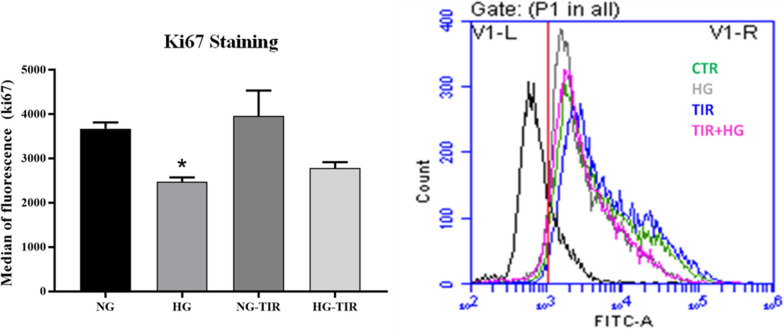
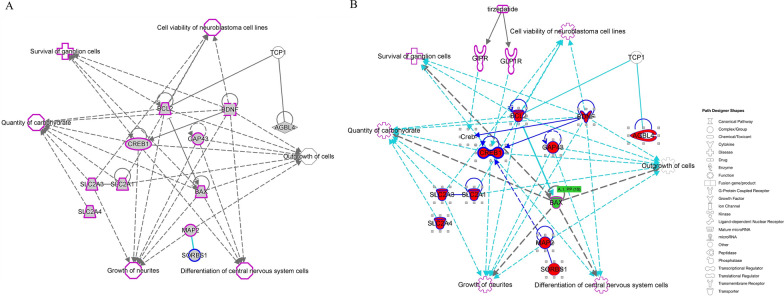
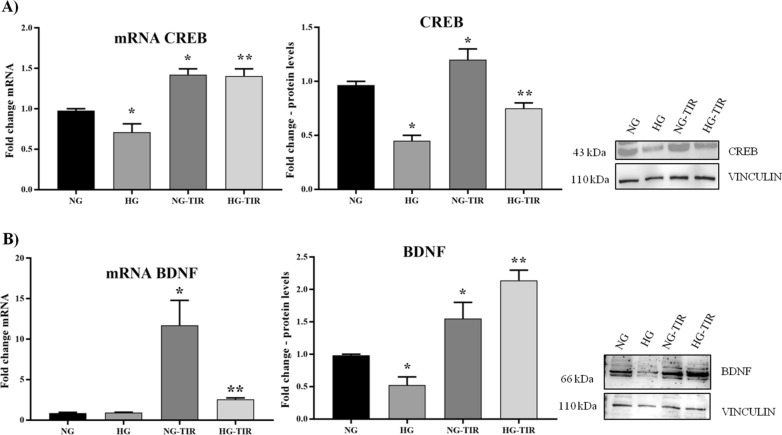
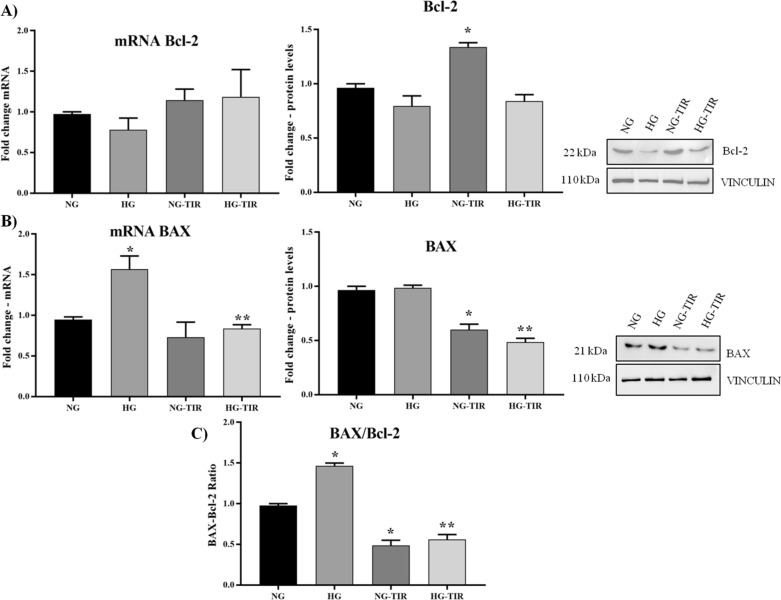
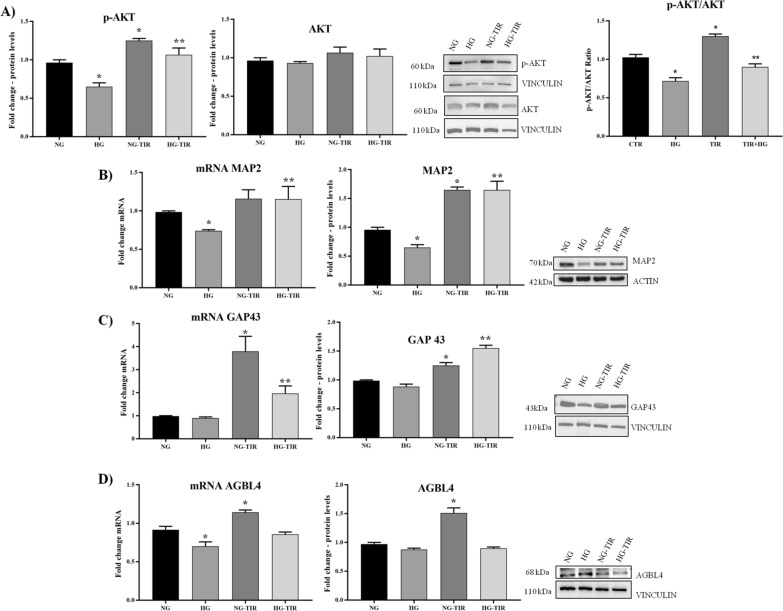
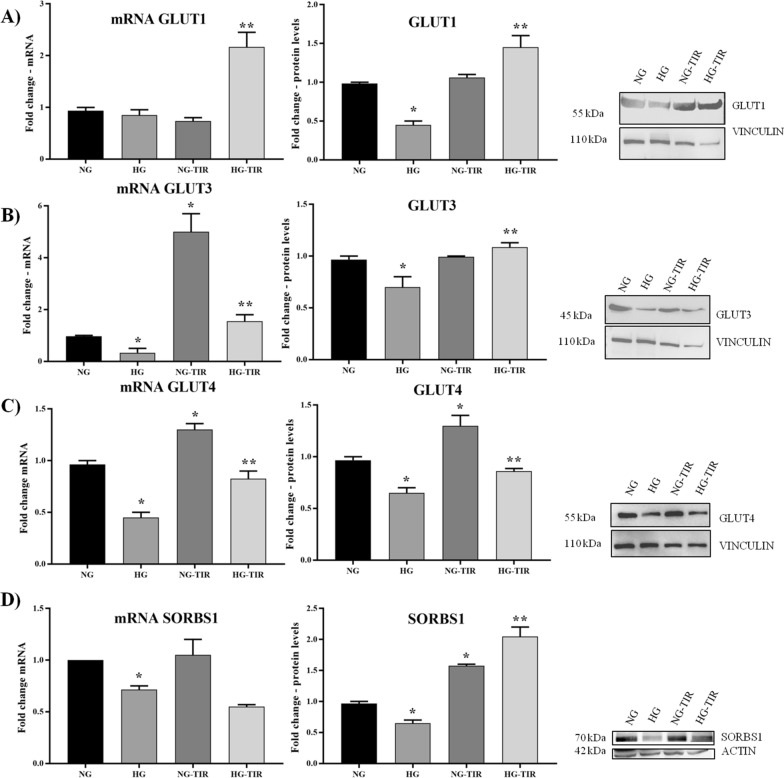
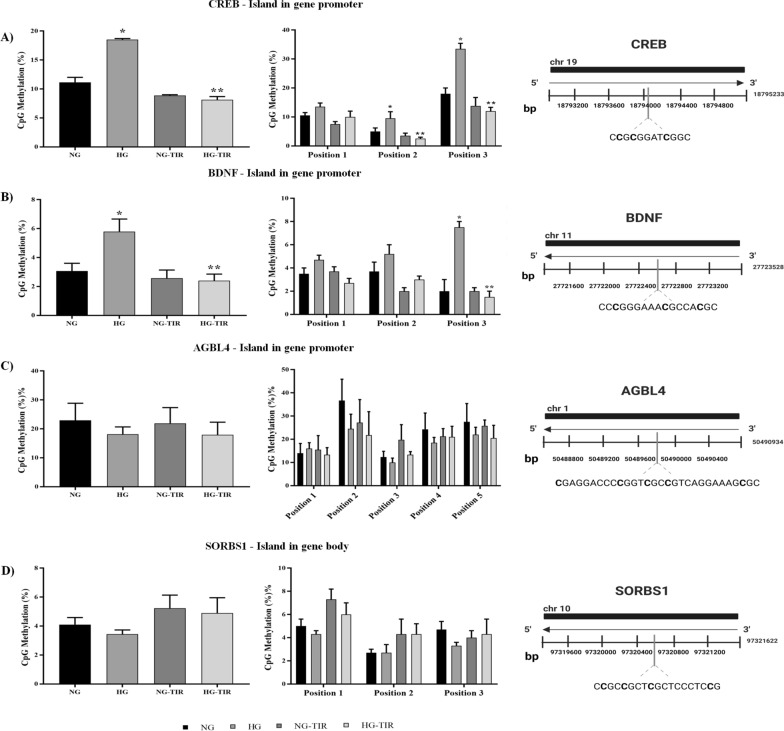
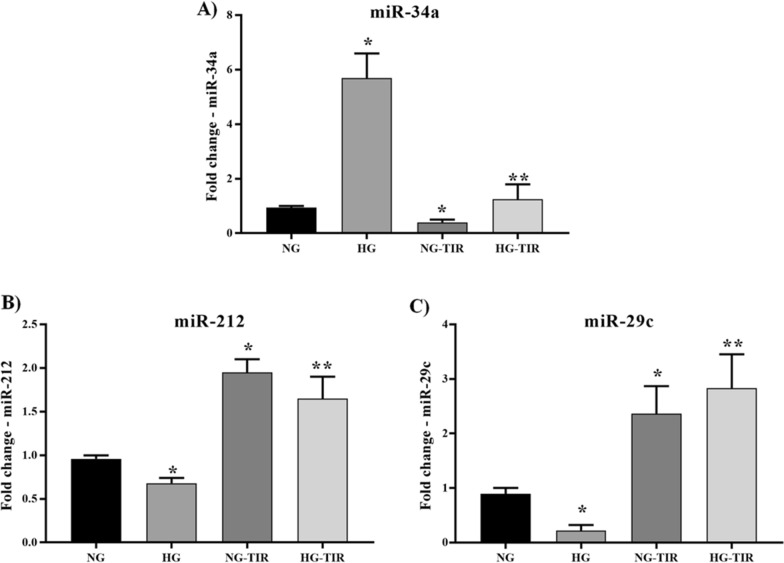
We investigated the effects of TIR on markers of neuronal growth (CREB and BDNF), apoptosis (BAX/Bcl2 ratio) differentiation (pAkt, MAP2, GAP43, and AGBL4), and insulin resistance (GLUT1, GLUT4, GLUT3 and SORBS1) in a neuroblastoma cell line (SHSY5Y) exposed to normal and high glucose concentration. The potential role on DNA methylation of genes involved in neuroprotection and epigenetic modulators of neuronal growth (miRNA 34a), apoptosis (miRNA 212), and differentiation (miRNA 29c) was also investigated. The cell proliferation was detected by measuring Ki-67 through flow cytometry. The data were analysed by SPSS IBM Version 23 or GraphPad Prism 7.0 software and expressed as the means ± SEM. Differences between the mean values were considered significant at a p-value of < 0.05. GraphPad Prism software was used for drawing figures.
For the first time, it was highlighted: (a) the role of TIR in the activation of the pAkt/CREB/BDNF pathway and the downstream signaling cascade; (b) TIR efficacy in neuroprotection; (c) TIR counteracting of hyperglycemia and insulin resistance-related effects at the neuronal level.
We demonstrated that TIR can ameliorate high glucose-induced neurodegeneration and overcome neuronal insulin resistance. Thus, this study provides new insight into the potential role of TIR in improving diabetes-related neuropathy.
多项证据表明,胰高血糖素样肽 1 受体激动剂(GLP1-RAs)通过改善记忆、学习和克服认知障碍,降低 2 型糖尿病患者患痴呆症的风险。在这项研究中,我们阐明了 Tirzepatide(TIR)——一种双重葡萄糖依赖性肠促胰岛素多肽受体激动剂(GIP-RA)/GLP-1RA——对学习和记忆障碍的保护作用的分子机制。
我们研究了 TIR 对暴露于正常和高葡萄糖浓度的神经母细胞瘤细胞系(SHSY5Y)中神经元生长标志物(CREB 和 BDNF)、细胞凋亡标志物(BAX/Bcl2 比值)、分化标志物(pAkt、MAP2、GAP43 和 AGBL4)和胰岛素抵抗标志物(GLUT1、GLUT4、GLUT3 和 SORBS1)的影响。还研究了参与神经保护的基因的 DNA 甲基化和神经元生长的表观遗传调节剂(miRNA 34a)、细胞凋亡(miRNA 212)和分化(miRNA 29c)的潜在作用。通过流式细胞术测量 Ki-67 来检测细胞增殖。使用 SPSS IBM 版本 23 或 GraphPad Prism 7.0 软件分析数据,并表示为平均值 ± SEM。当 p 值 < 0.05 时,认为平均值之间的差异具有统计学意义。GraphPad Prism 软件用于绘制图形。
这是首次强调:(a)TIR 在激活 pAkt/CREB/BDNF 途径和下游信号级联中的作用;(b)TIR 在神经保护中的作用;(c)TIR 对抗高血糖和神经元胰岛素抵抗相关作用的能力。
我们证明 TIR 可以改善高血糖引起的神经退行性变并克服神经元胰岛素抵抗。因此,这项研究为 TIR 在改善糖尿病相关神经病变中的潜在作用提供了新的见解。