Gorski R A
Environ Health Perspect. 1986 Dec;70:163-75. doi: 10.1289/ehp.8670163.
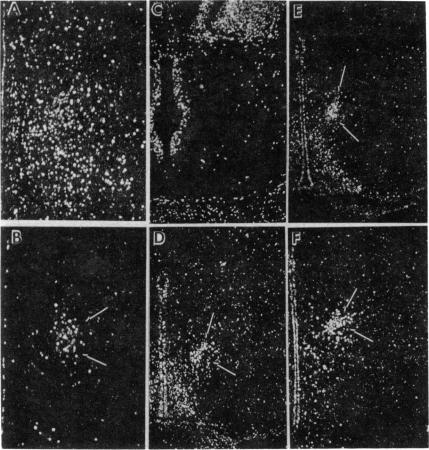
The process of the sexual differentiation of the brain represents a valuable model system for the study of the chemical modification of the mammalian brain. Although there are numerous functional and structural sex differences in the adult brain, these are imposed on an essentially feminine or bipotential brain by testicular hormones during a critical phase of perinatal development in the rat. It is suggested that a relatively marked structural sex difference in the rat brain, the sexually dimorphic nucleus of the preoptic area (SDN-POA), is a morphological signature of the permanent or organizational action of estradiol derived from the aromatization of testicular testosterone. The SDN-POA of the male rat is severalfold larger in volume and is composed of more neurons than that of the female. The observation that the mitotic formation of the neurons of the SDN-POA is specifically prolonged has enabled us to identify the time course and pathway of neuronal migration into the nucleus. Study of the development of the SDN-POA suggests that estradiol in the male increases the number of neurons which survive a phase of neuronal death by exerting a neurite growth promoting action and/or a direct neuronotrophic action. It may not be possible to extrapolate this trophic effect of estradiol to all other structural sex differences since in the anteroventral periventricular nucleus, steroid exposure reduces the number of immunohistochemically defined dopaminergic neurons. Finally, although it is clear that gonadal hormones have dramatic permanent effects on the brain during perinatal development, even after puberty and in adulthood gonadal steroids can alter neuronal structure and, perhaps as a corollary to this, have permanent effects on reproductive function. For example, in the lightly androgenized rat which exhibits the delayed anovulation syndrome, exposure to estrogen prepubertally delays the onset of ovulatory failure, whereas estrogen exposure peri- or post-pubertally has an inhibitory effect on ovulation. Although the brain may be most sensitive to gonadal hormones or exogenous chemical factors during perinatal development, such sensitivity does not appear limited to this period.
大脑的性别分化过程是研究哺乳动物大脑化学修饰的一个有价值的模型系统。虽然成年大脑存在众多功能和结构上的性别差异,但在大鼠围产期发育的关键阶段,这些差异是由睾丸激素施加在本质上为雌性或双潜能的大脑上的。有人提出,大鼠大脑中一个相对明显的结构性别差异,即视前区性二态核(SDN-POA),是睾丸睾酮芳香化产生的雌二醇的永久性或组织化作用的形态学标志。雄性大鼠的SDN-POA体积大几倍,且神经元数量比雌性大鼠的多。SDN-POA神经元的有丝分裂形成被特异性延长这一观察结果,使我们能够确定神经元迁移到该核的时间进程和途径。对SDN-POA发育的研究表明,雄性体内的雌二醇通过发挥促进神经突生长的作用和/或直接的神经营养作用,增加了在神经元死亡阶段存活下来的神经元数量。由于在前腹侧室周核中,类固醇暴露会减少免疫组织化学定义的多巴胺能神经元数量,所以可能无法将雌二醇的这种营养作用推广到所有其他结构性别差异上。最后,虽然很明显性腺激素在围产期发育期间对大脑有显著的永久性影响,但即使在青春期后和成年期,性腺类固醇也能改变神经元结构,也许与此相关的是,对生殖功能产生永久性影响。例如,在表现出延迟排卵综合征的轻度雄激素化大鼠中,青春期前接触雌激素会延迟排卵失败的发生,而青春期前后接触雌激素则对排卵有抑制作用。虽然大脑在围产期发育期间可能对性腺激素或外源性化学因素最为敏感,但这种敏感性似乎并不局限于这个时期。