Poultry Production and Product Safety Research Unit, Agricultural Research Service, United States Department of Agriculture, Fayetteville, AR 72701, USA.
APC Microbiome Ireland, University College Cork, Cork, Ireland; School of Microbiology, University College Cork, Cork, Ireland.
Poult Sci. 2024 Mar;103(3):103393. doi: 10.1016/j.psj.2023.103393. Epub 2024 Jan 10.
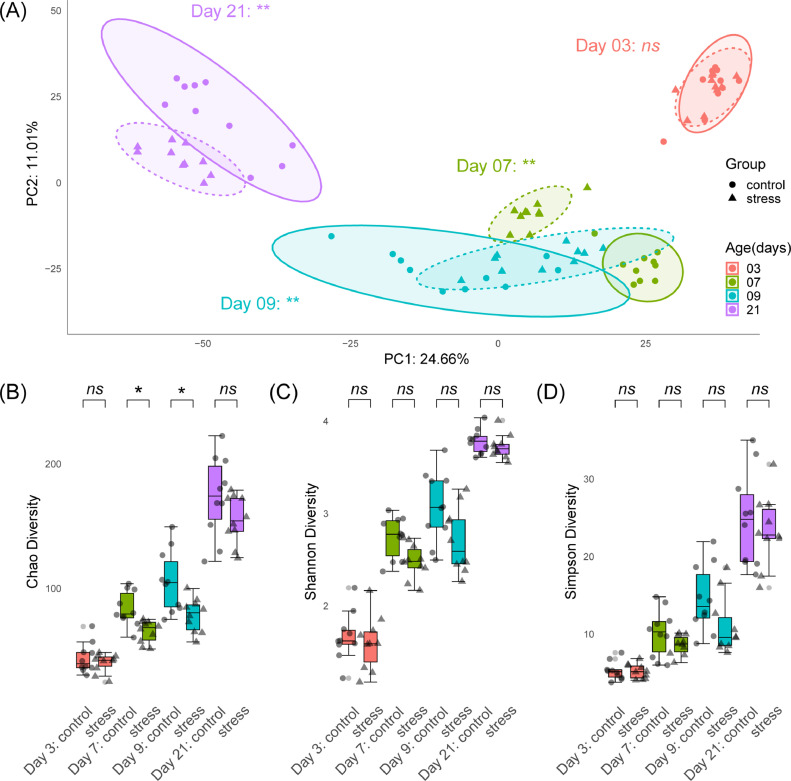
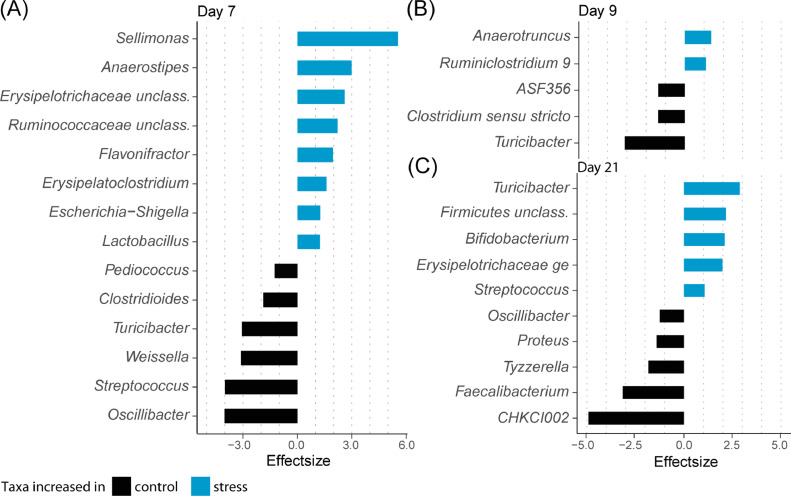
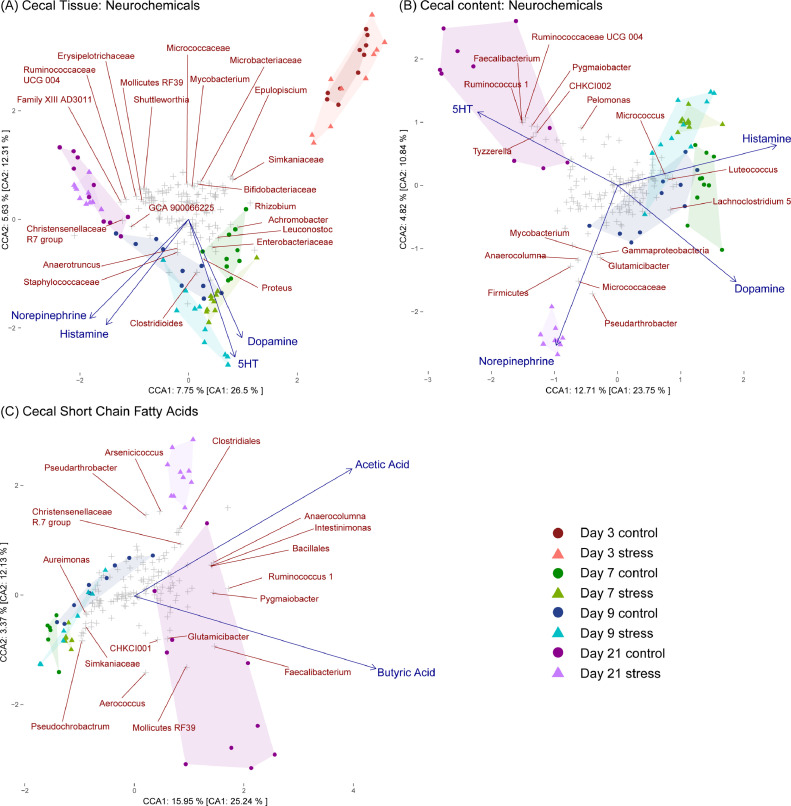
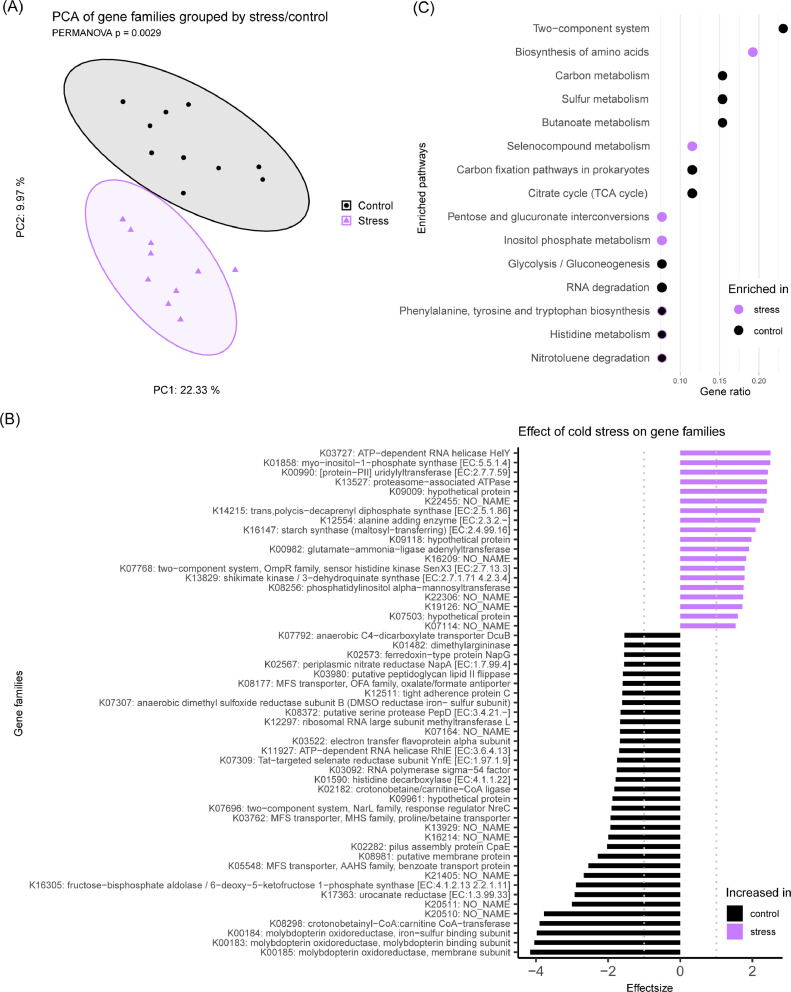
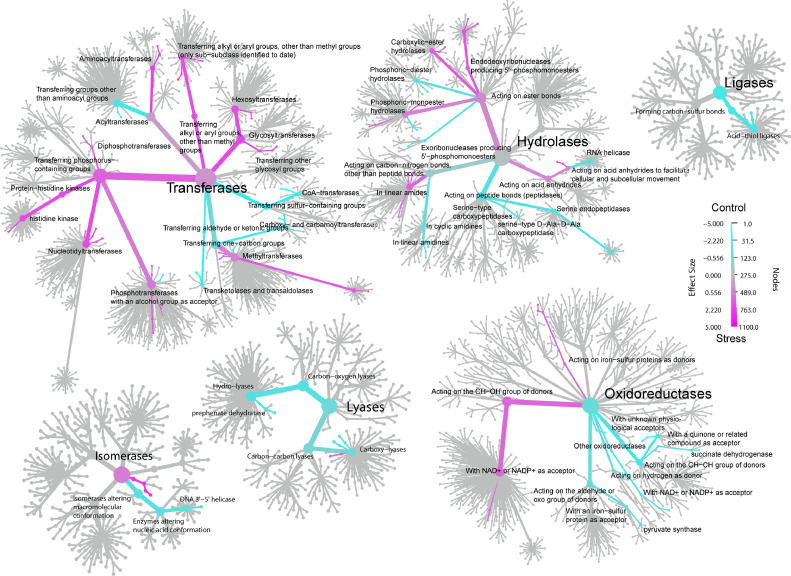
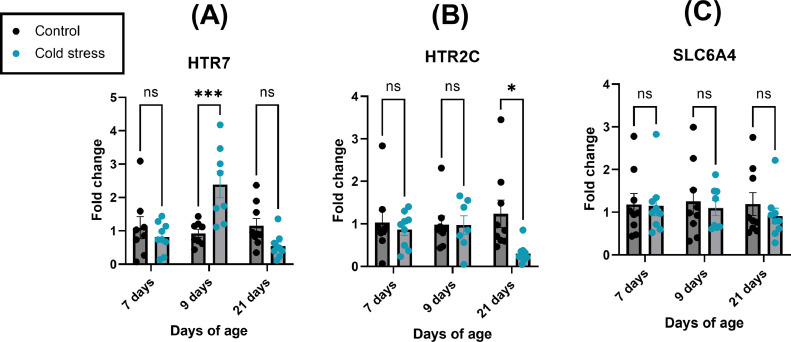
Climate change is one of the most significant challenges facing the sustainability of global poultry production. Stress resulting from extreme temperature swings, including cold snaps, is a major concern for food production birds. Despite being well-documented in mammals, the effect of environmental stress on enteric neurophysiology and concomitant impact on host-microbiome interactions remains poorly understood in birds. As early life stressors may imprint long-term adaptive changes in the host, the present study sought to determine whether cold temperature stress, a prominent form of early life stress in chickens, elicits changes in enteric stress-related neurochemical concentrations that coincide with compositional and functional changes in the microbiome that persist into the later life of the bird. Chicks were, or were not, subjected to cold ambient temperature stress during the first week post-hatch and then remained at normal temperature for the remainder of the study. 16S rRNA gene and shallow shotgun metagenomic analyses demonstrated taxonomic and functional divergence between the cecal microbiomes of control and cold stressed chickens that persisted for weeks following cessation of the stressor. Enteric concentrations of serotonin, norepinephrine, and other monoamine neurochemicals were elevated (P < 0.05) in both cecal tissue and luminal content of cold stressed chickens. Significant (P < 0.05) associations were identified between cecal neurochemical concentrations and microbial taxa, suggesting host enteric neurochemical responses to environmental stress may shape the cecal microbiome. These findings demonstrate for the first time that early life exposure to environmental temperature stress can change the developmental trajectory of both the chicken cecal microbiome and host neuroendocrine enteric physiology. As many neurochemicals serve as interkingdom signaling molecules, the relationships identified here could be exploited to control the impact of climate change-driven stress on avian enteric host-microbe interactions.
气候变化是全球家禽生产可持续性面临的最重大挑战之一。极端温度波动(包括寒冷天气)给禽类食品生产带来的压力是一个主要问题。尽管哺乳动物中的这种情况已有大量记载,但环境压力对禽类肠道神经生理学的影响及其对宿主-微生物组相互作用的影响仍知之甚少。由于早期生活压力源可能会在宿主中产生长期适应性变化,本研究旨在确定冷应激(鸡的一种主要早期生活压力形式)是否会引起与肠道应激相关的神经化学浓度的变化,这些变化与微生物组的组成和功能变化同时发生,并持续到鸟类的后期生活。小鸡在孵化后第一周内或接受或不接受寒冷的环境温度应激,然后在研究的其余时间内保持在正常温度下。16S rRNA 基因和浅层 shotgun 宏基因组分析表明,对照组和冷应激鸡的盲肠微生物组在应激停止后数周内存在分类和功能上的差异。冷应激鸡的盲肠组织和腔内容物中的 5-羟色胺、去甲肾上腺素和其他单胺神经化学物质浓度升高(P < 0.05)。盲肠神经化学物质浓度与微生物类群之间存在显著(P < 0.05)的关联,表明宿主肠道神经化学对环境应激的反应可能会影响盲肠微生物组。这些发现首次表明,早期生活中暴露于环境温度应激会改变鸡盲肠微生物组和宿主神经内分泌肠道生理学的发育轨迹。由于许多神经化学物质充当跨物种信号分子,因此这里确定的关系可以被利用来控制气候变化驱动的应激对禽类肠道宿主-微生物相互作用的影响。