Antoniadis M, Blum M, Ussat M, Laufs U, Lenk K
Department of Cardiology, Leipzig University Hospital, Leipzig, Germany.
Int J Cardiol Heart Vasc. 2024 Jan 29;50:101349. doi: 10.1016/j.ijcha.2024.101349. eCollection 2024 Feb.
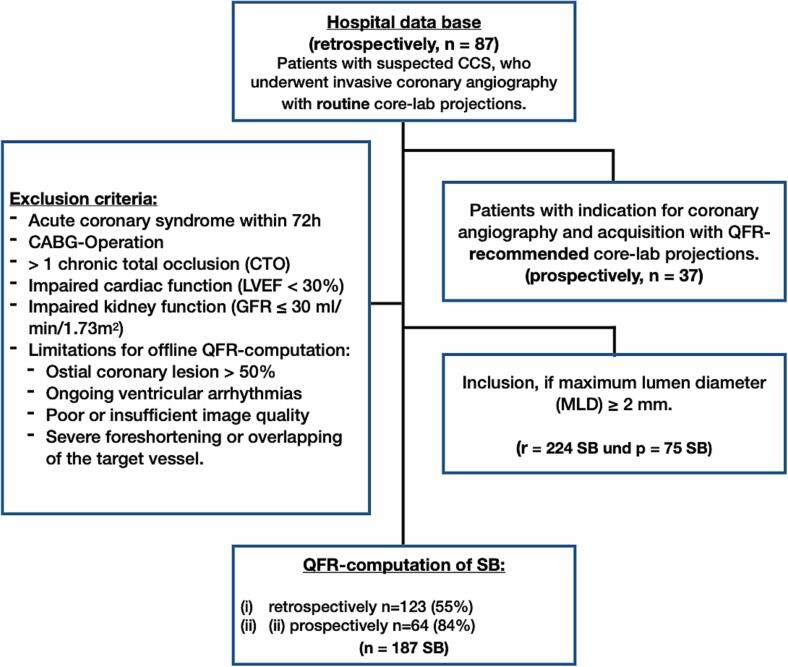
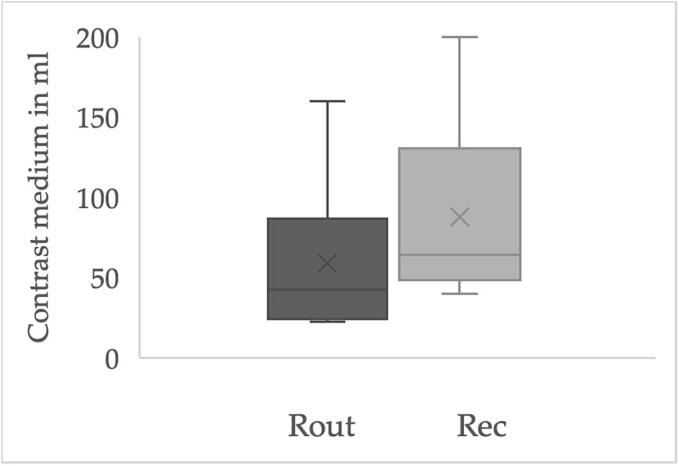
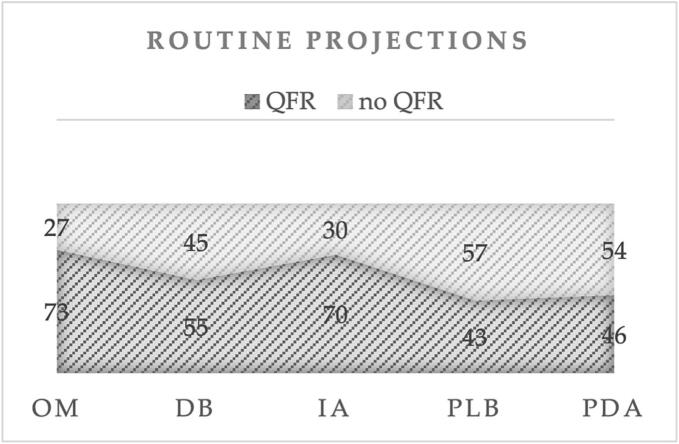
Quantitative flow ratio (QFR) is a novel, software-based noninvasive method for the quantitative evaluation of coronary physiology. QFR results correlate with invasive FFR measurements in the three main epicardial coronary arteries. However, QFR data for the evaluation of coronary side branches (SB) are scarce. The evaluation of QFR-performance of SB was retrospective and prospective. Eighty-seven patients with suspected chronic coronary syndrome, who received angiography using routine core lab projections, were retrospectively analyzed. On the second part 37 patients, who received angiography using recommended standardized coronary angiography projections, were prospectively analyzed. Quantitative analysis was performed for SB with a maximum lumen diameter proximal of ≥2 mm based on quantitative coronary angiography (QCA) by two certified experts with the software QAngio XA 3D 3.2. Using routine projections, QFR computation in 55 % of the SB were obtained (123 out of 224). Using standardized projections, 85 % of SB were computed by QFR (64 out of 75; p < 0.001 vs routine projections). The fluoroscopy time for recommended projections was not significantly different as opposed to routine projections (3.75 2.2 vs. 4.58 3.00 min, p = 2.6986). Using the standardized projections was associated with a higher amount of contrast medium (53.44 24.23 vs. 87.95 43.73 ml, p < 0.01), longer overall procedure time (23.23 16.35 vs. 36.14 17.21 min, p < 0.01) and a higher dose area product (1152.28 576.70 vs. 2540.68 1774.07 cGycm, p < 0.01). Our study shows that the blood flow of the vast majority of coronary SB can be determined non-invasively by QFR in addition to the main epicardial coronary arteries when standardized projections are used.
定量血流比(QFR)是一种基于软件的新型无创方法,用于定量评估冠状动脉生理学。QFR结果与三支主要心外膜冠状动脉的有创血流储备分数(FFR)测量结果相关。然而,用于评估冠状动脉侧支(SB)的QFR数据较少。对SB的QFR性能评估采用回顾性和前瞻性研究。对87例疑似慢性冠状动脉综合征且使用常规核心实验室投影进行血管造影的患者进行回顾性分析。第二部分对37例使用推荐的标准化冠状动脉造影投影进行血管造影的患者进行前瞻性分析。由两名经过认证的专家使用QAngio XA 3D 3.2软件,基于定量冠状动脉造影(QCA)对最大管腔直径近端≥2mm的SB进行定量分析。使用常规投影时,55%的SB可获得QFR计算结果(224个中的123个)。使用标准化投影时,85%的SB可通过QFR计算(75个中的64个;与常规投影相比,p<0.001)。与常规投影相比,推荐投影的透视时间无显著差异(3.75±2.2 vs. 4.58±3.00分钟,p=2.6986)。使用标准化投影会导致造影剂用量增加(53.44±24.23 vs. 87.95±43.73ml,p<0.01)、总手术时间延长(23.23±16.35 vs. 36.14±17.21分钟,p<0.01)以及剂量面积乘积增加(1152.28±576.70 vs. 2540.68±1774.07cGycm,p<0.01)。我们的研究表明,当使用标准化投影时,除了主要的心外膜冠状动脉外,绝大多数冠状动脉SB的血流也可通过QFR进行无创测定。