Department of Microbiology, Assam University, Silchar, Assam, 788011, India.
Sci Rep. 2024 Feb 8;14(1):3246. doi: 10.1038/s41598-024-53316-5.
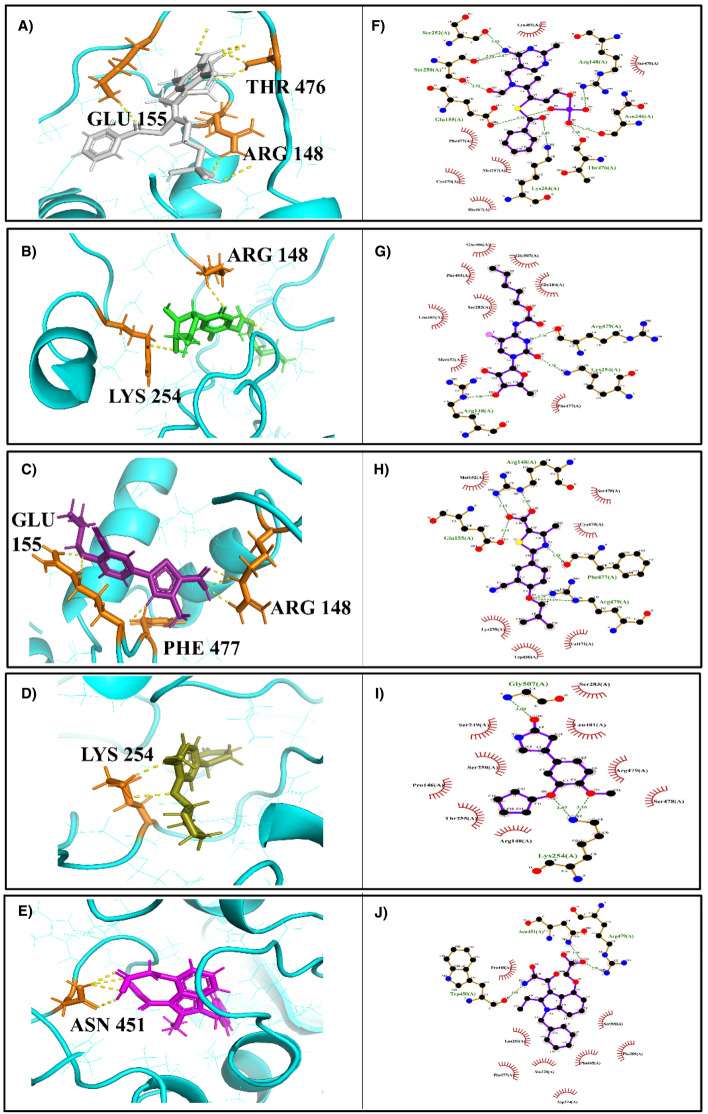
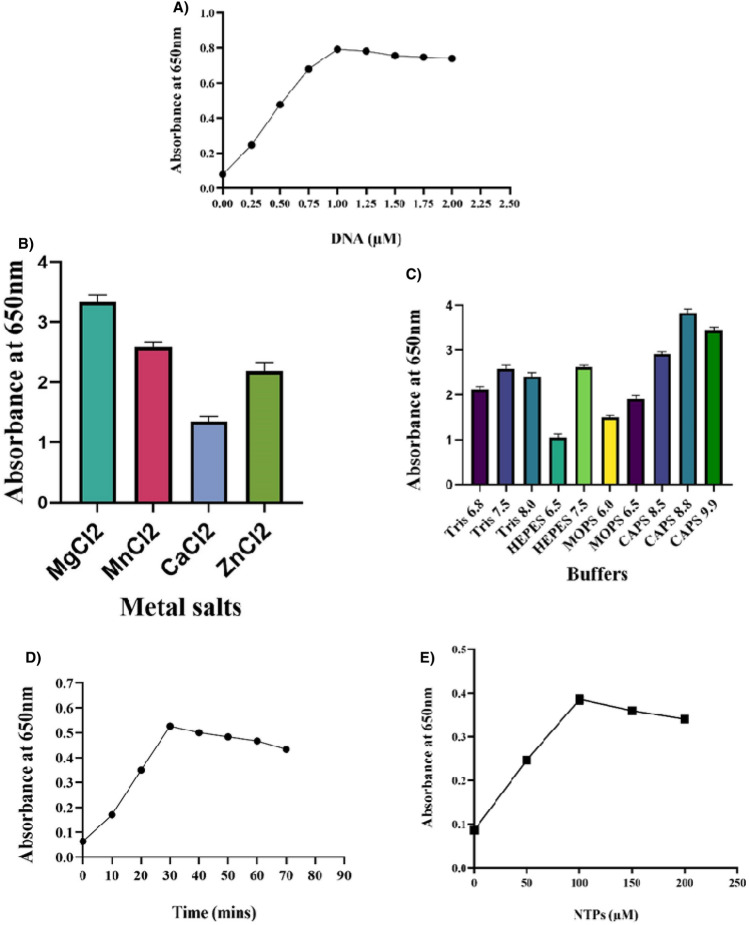
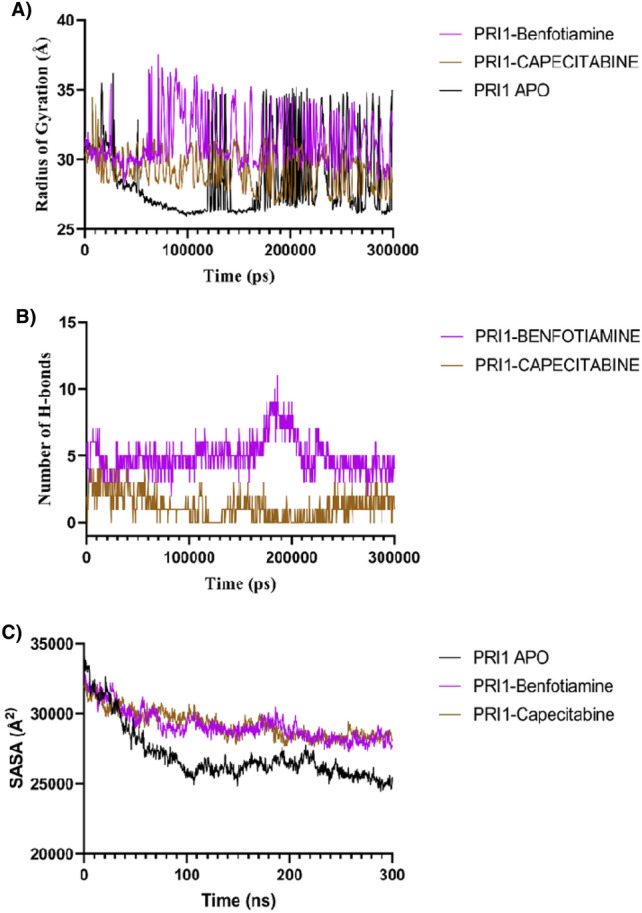
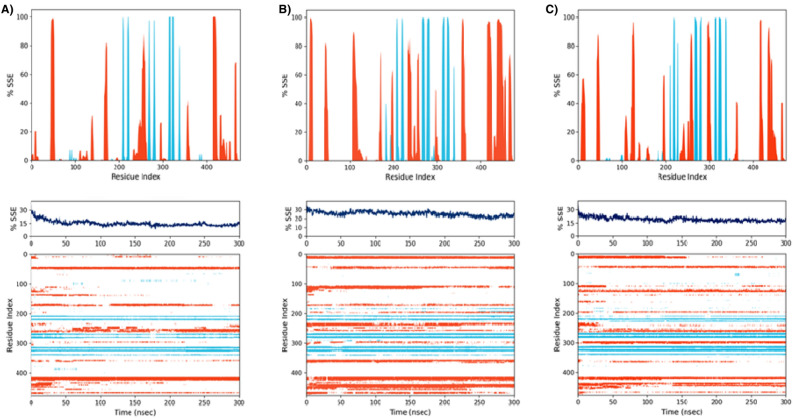
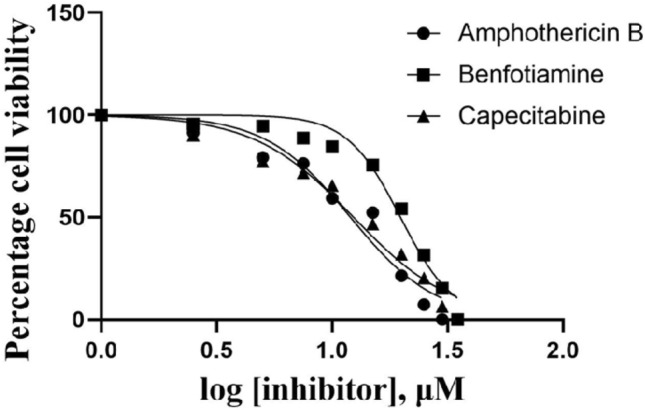
Leishmania donovani is the causal organism of leishmaniasis with critical health implications affecting about 12 million people around the globe. Due to less efficacy, adverse side effects, and resistance, the available therapeutic molecules fail to control leishmaniasis. The mitochondrial primase of Leishmania donovani (LdmtPRI1) is a vital cog in the DNA replication mechanism, as the enzyme initiates the replication of the mitochondrial genome of Leishmania donovani. Hence, we target this protein as a probable drug target against leishmaniasis. The de-novo approach enabled computational prediction of the three-dimensional structure of LdmtPRI1, and its active sites were identified. Ligands from commercially available drug compounds were selected and docked against LdmtPRI1. The compounds were chosen for pharmacokinetic study and molecular dynamics simulation based on their binding energies and protein interactions. The LdmtPRI1 gene was cloned, overexpressed, and purified, and a primase activity assay was performed. The selected compounds were verified experimentally by the parasite and primase inhibition assay. Capecitabine was observed to be effective against the promastigote form of Leishmania donovani, as well as inhibiting primase activity. This study's findings suggest capecitabine might be a potential anti-leishmanial drug candidate after adequate further studies.
杜氏利什曼原虫是利什曼病的病原体,具有严重的健康影响,影响着全球约 1200 万人。由于疗效低、副作用大以及耐药性等问题,现有的治疗分子无法有效控制利什曼病。杜氏利什曼原虫的线粒体引物酶(LdmtPRI1)是 DNA 复制机制中的重要组成部分,因为该酶启动了杜氏利什曼原虫线粒体基因组的复制。因此,我们将该蛋白作为抗利什曼病的潜在药物靶点。从头计算方法能够预测 LdmtPRI1 的三维结构,并确定其活性位点。从商业上可获得的药物化合物中选择配体并对接至 LdmtPRI1。根据结合能和蛋白相互作用,选择化合物进行药代动力学研究和分子动力学模拟。克隆、过表达和纯化 LdmtPRI1 基因,并进行引物酶活性测定。通过寄生虫和引物酶抑制测定实验验证了所选化合物的有效性。卡培他滨对杜氏利什曼原虫的前鞭毛体形式具有活性,并能抑制引物酶活性。这项研究的结果表明,卡培他滨在进一步的充分研究后可能成为一种有潜力的抗利什曼病药物候选物。