Velpuri Prathosh, Patel Parth, Yazdani Armand, Abdi Arian, Rai Vikrant, Agrawal Devendra K
Department of Translational Research, College of Osteopathic Medicine of the Pacific, Western University of Health Sciences, Pomona, CA 91766, USA.
Cardiol Cardiovasc Med. 2024;8(1):33-42. doi: 10.26502/fccm.92920355. Epub 2024 Jan 22.
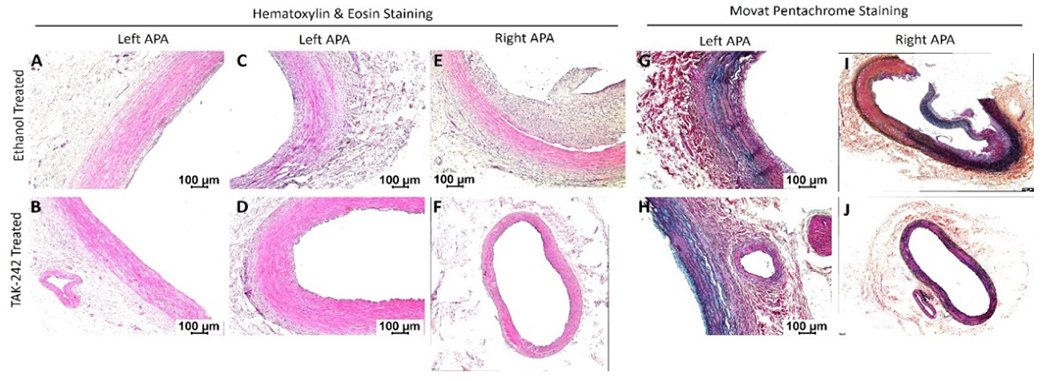
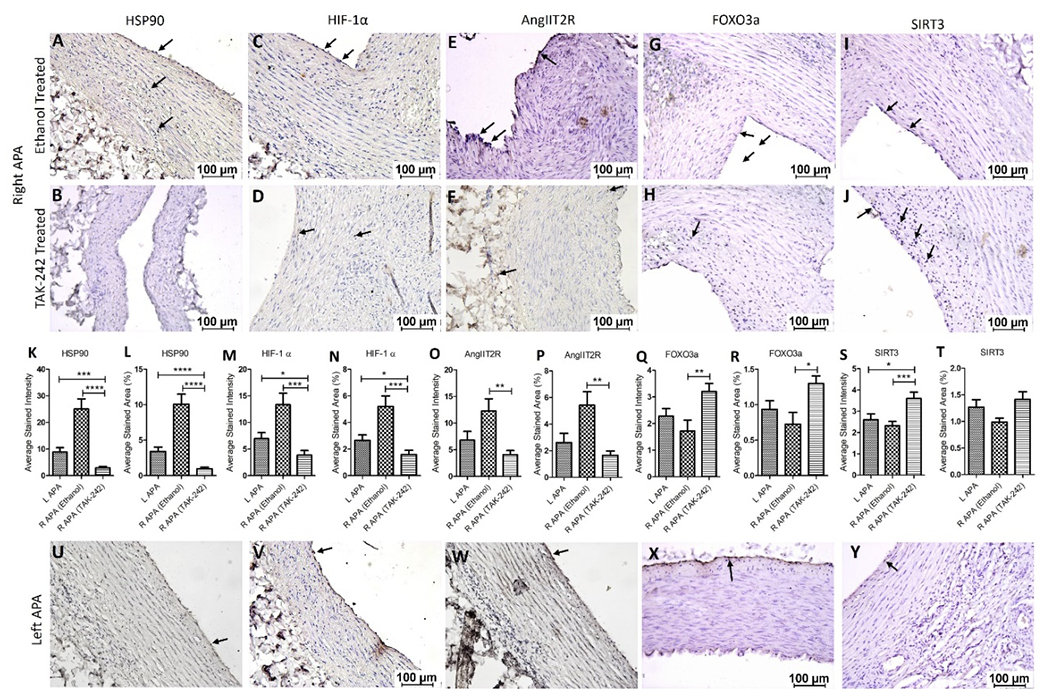
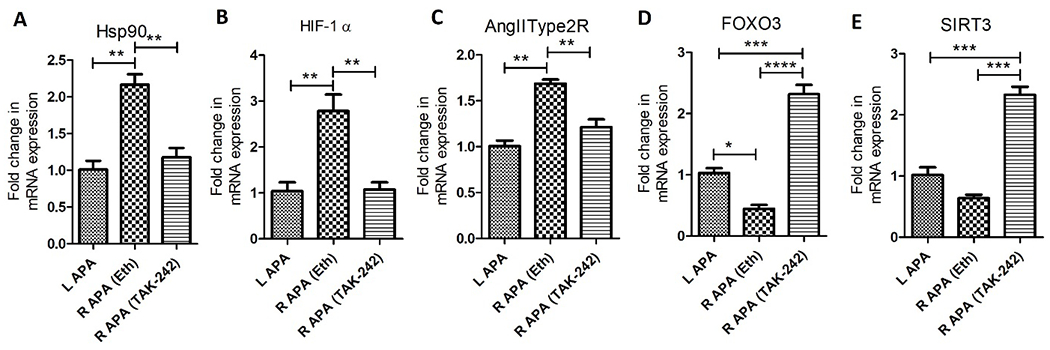
Hypercholesterolemia is a major risk factor for atherosclerosis as oxidized-low-density lipoproteins (ox-LDL) contribute to the formation of foam cells and inflammation. Increased immune cell infiltration and oxidative stress induce instability of a plaque. Rupture of the unstable plaque precipitates adverse ischemic events. Since reactive oxygen species (ROS) play a critical role in plaque formation and vulnerability, regulating ROS generation may have therapeutic potential. Sirtuins, specifically sirtuin-3 (SIRT3), are antigenic molecules that can reduce oxidative stress by reducing mitochondrial ROS production through epigenetic modulation. Lack of SIRT3 expression is associated with dysregulation of ROS and endothelial function following high-fat high-cholesterol diet. SIRT3 deacetylates FOXO3a (Forkhead transcription factor O subfamily member 3a) and protects mitochondria against oxidative stress which can lead to even further protective anti-oxidizing properties. This study was designed to investigate the association between hyperlipidemia, intimal injury, chronic inflammation, and the expression of NAD-dependent deacetylase SIRT-3, FOXO3, antioxidant genes, and oxidative stress in carotid arteries of hypercholesterolemic Yucatan microswine. We found that intimal injury in hypercholesterolemic state led to increased expression of oxidative stress, inflammation, neointimal hyperplasia, and plaque size and vulnerability, while decreasing anti-oxidative regulatory genes and mediators. The findings suggest that targeting the SIRT3-FOXO3a-oxidative stress pathway will have therapeutic significance.
高胆固醇血症是动脉粥样硬化的主要危险因素,因为氧化型低密度脂蛋白(ox-LDL)会导致泡沫细胞形成和炎症。免疫细胞浸润增加和氧化应激会导致斑块不稳定。不稳定斑块的破裂会引发不良缺血事件。由于活性氧(ROS)在斑块形成和易损性中起关键作用,调节ROS的产生可能具有治疗潜力。沉默调节蛋白,特别是沉默调节蛋白3(SIRT3),是抗原性分子,可通过表观遗传调控减少线粒体ROS生成,从而降低氧化应激。高脂高胆固醇饮食后,SIRT3表达缺失与ROS和内皮功能失调有关。SIRT3使FOXO3a(叉头转录因子O亚家族成员3a)去乙酰化,并保护线粒体免受氧化应激,这可能会带来进一步的抗氧化保护特性。本研究旨在调查高脂血症、内膜损伤、慢性炎症以及NAD依赖性脱乙酰酶SIRT-3、FOXO3、抗氧化基因的表达与氧化应激之间的关联,这些研究对象为高胆固醇血症的尤卡坦小型猪的颈动脉。我们发现,高胆固醇血症状态下的内膜损伤会导致氧化应激、炎症、新生内膜增生以及斑块大小和易损性增加,同时抗氧化调节基因和介质减少。研究结果表明,针对SIRT3-FOXO3a-氧化应激途径具有治疗意义。