Department of Ophthalmology, The First Affiliated Hospital of Nanjing Medical University, Nanjing, 210029, China.
J Nanobiotechnology. 2024 Feb 9;22(1):56. doi: 10.1186/s12951-024-02330-w.
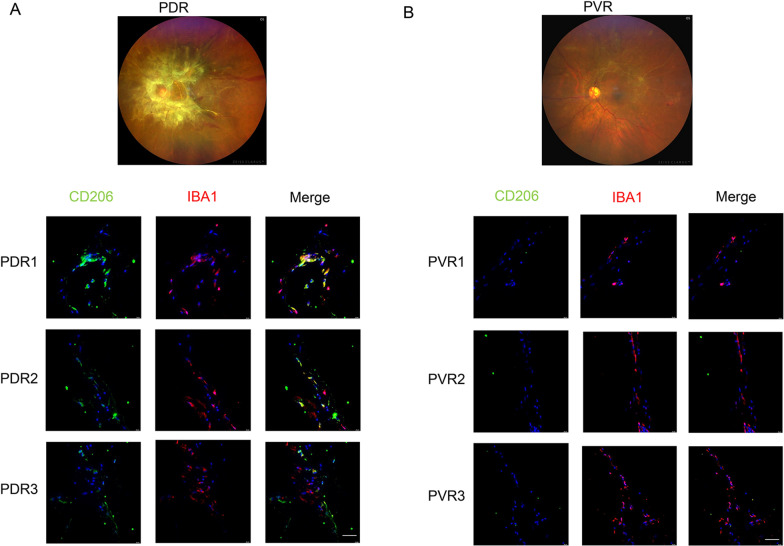
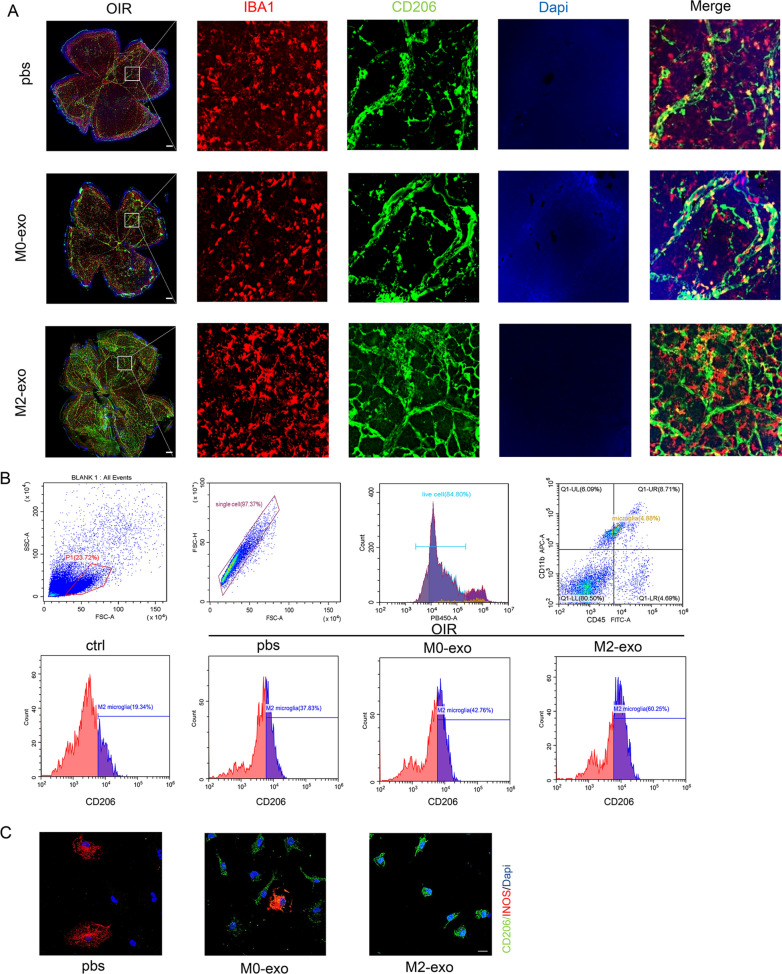
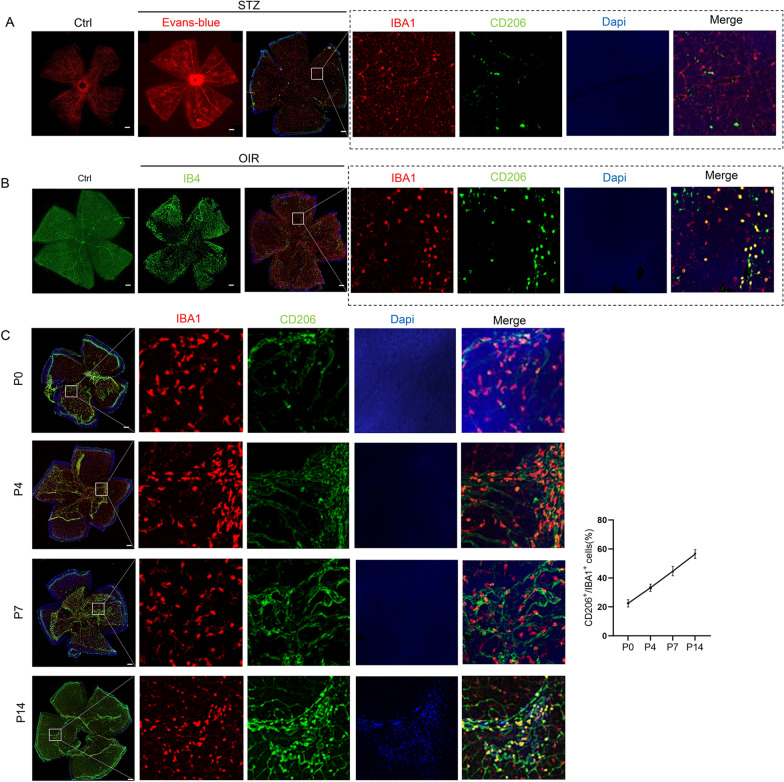
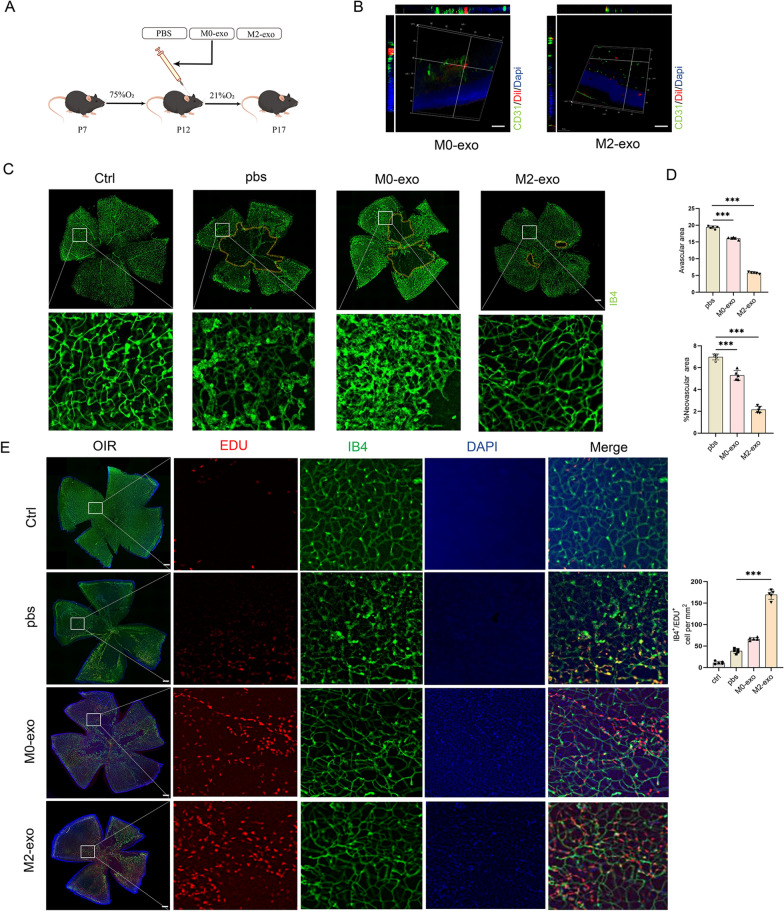
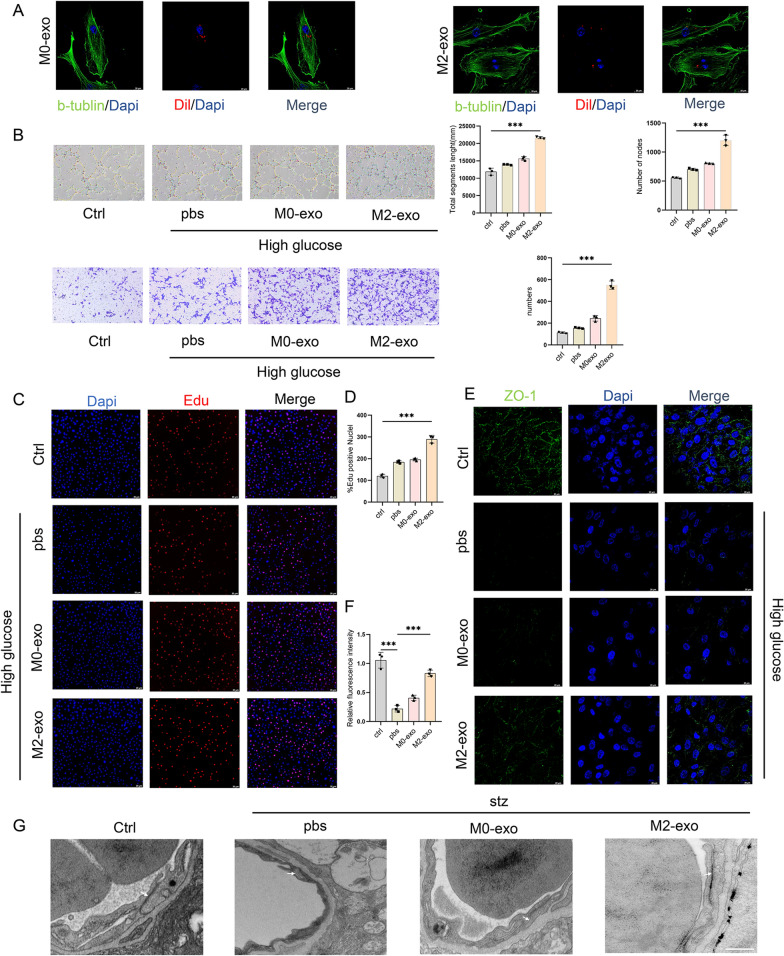
Diabetic retinopathy (DR) is a vision-threatening diabetic complication that is characterized by microvasculature impairment and immune dysfunction. The present study demonstrated that M2 microglia intensively participated in retinal microangiopathy in human diabetic proliferative membranes, mice retinas, retinas of mice with oxygen-induced retinopathy (OIR) mice, and retinas of streptozotocin-induced DR mice. Further in vivo and in vitro experiments showed that exosomes derived from M2 polarized microglia (M2-exo) could reduce pericyte apoptosis and promote endothelial cell proliferation, thereby promoting vascular remodeling and reducing vascular leakage from the diabetic retina. These effects were further enhanced by M2-exo that facilitated M2 polarization of retinal microglia. Collectively, the study demonstrated the capability of M2-exo to induce retinal microvascular remodeling, which may provide a new therapeutic strategy for the treatment of DR.
糖尿病性视网膜病变(DR)是一种威胁视力的糖尿病并发症,其特征为微血管损伤和免疫功能障碍。本研究表明,M2 小胶质细胞在人糖尿病性增殖性膜、小鼠视网膜、氧诱导视网膜病变(OIR)小鼠视网膜和链脲佐菌素诱导的 DR 小鼠视网膜的视网膜微血管病变中大量参与。进一步的体内和体外实验表明,M2 极化小胶质细胞衍生的外泌体(M2-exo)可减少周细胞凋亡并促进内皮细胞增殖,从而促进血管重塑并减少糖尿病视网膜的血管渗漏。M2-exo 进一步增强了促进视网膜小胶质细胞 M2 极化的作用。总的来说,该研究证明了 M2-exo 诱导视网膜微血管重塑的能力,这可能为 DR 的治疗提供新的治疗策略。