CAS Key Laboratory of Insect Developmental and Evolutionary Biology, CAS Center for Excellence in Molecular Plant Sciences, Shanghai Institute of Plant Physiology and Ecology, Chinese Academy of Sciences, Shanghai, China.
Department of Genetics, Blavatnik Institute, Harvard Medical School, Boston, MA, USA.
Nat Commun. 2024 Feb 9;15(1):1241. doi: 10.1038/s41467-024-45493-8.
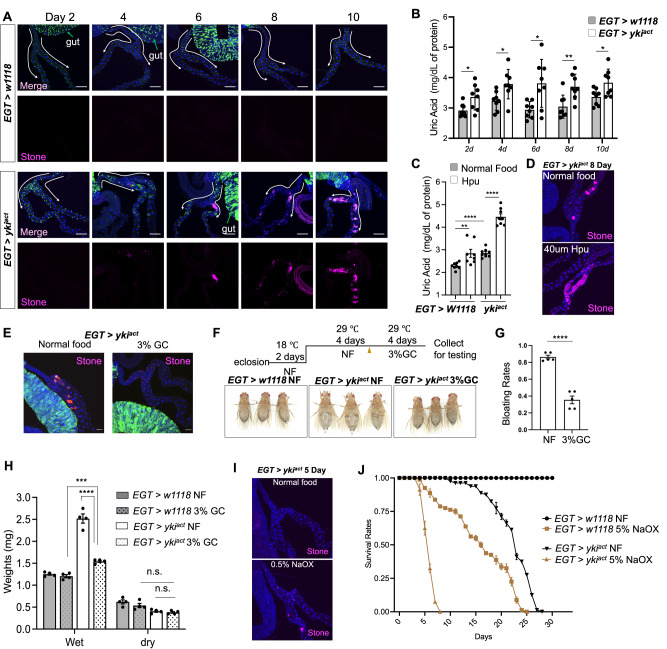
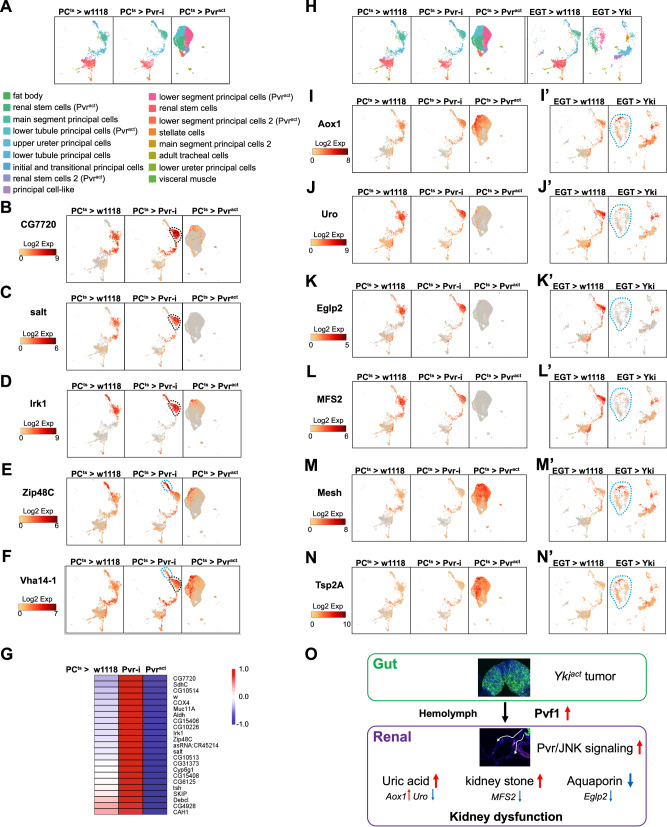
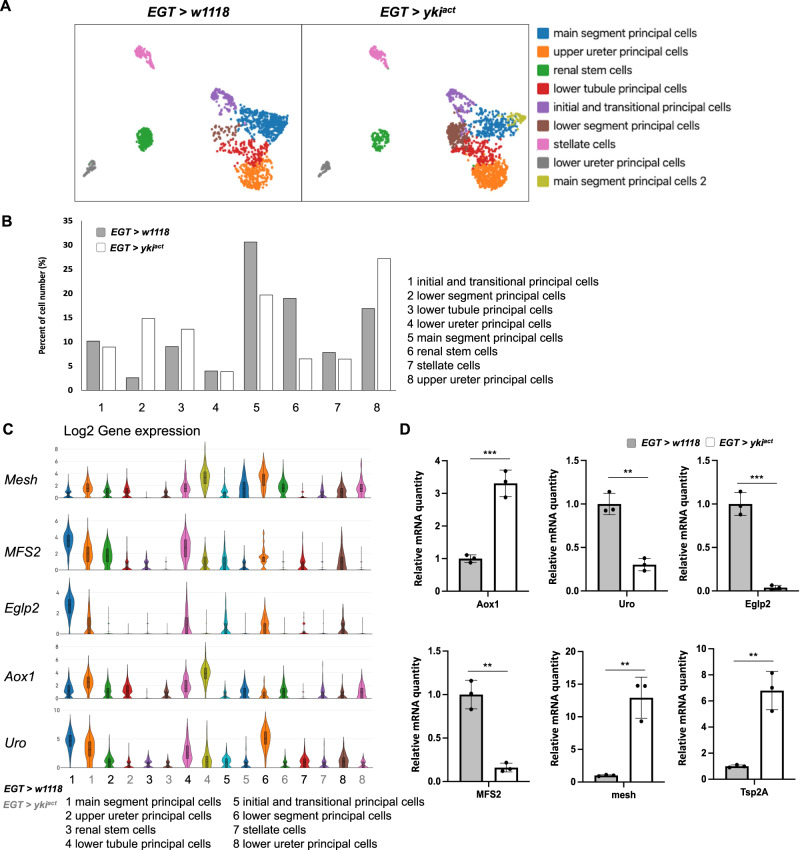
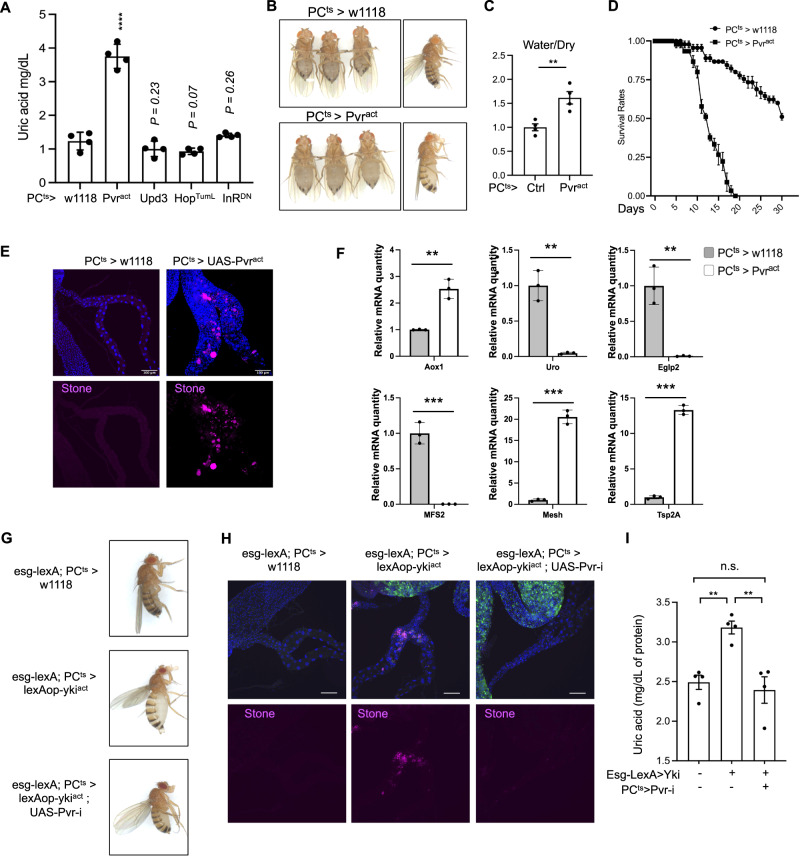
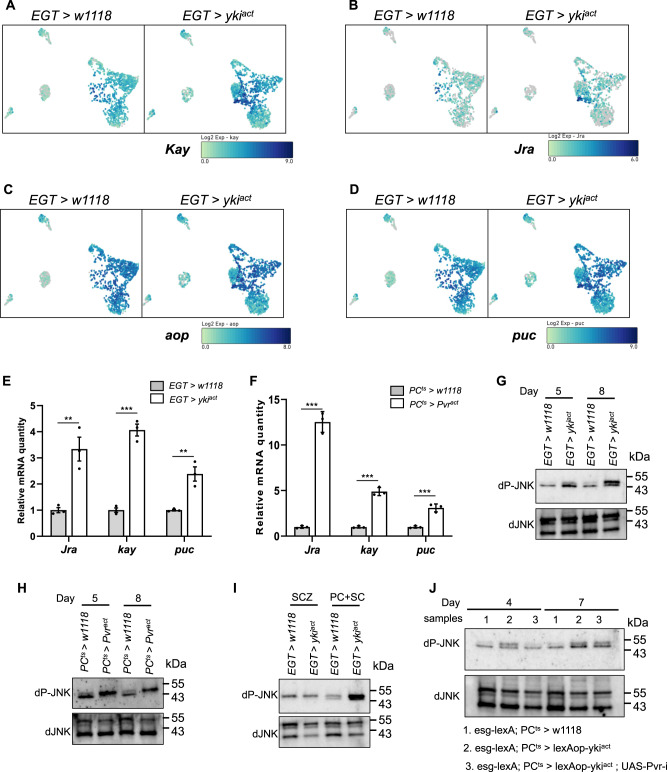
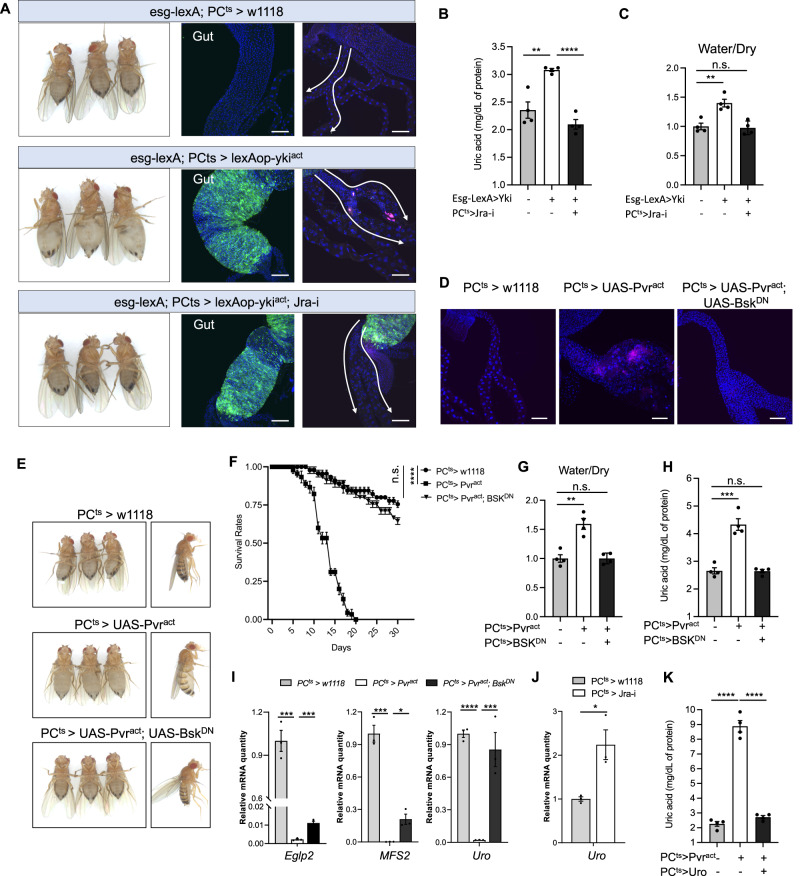
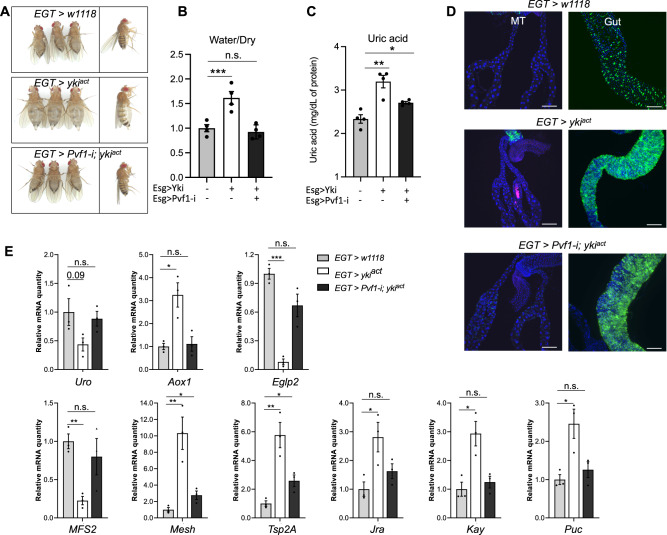
Paraneoplastic syndromes occur in cancer patients and originate from dysfunction of organs at a distance from the tumor or its metastasis. A wide range of organs can be affected in paraneoplastic syndromes; however, the pathological mechanisms by which tumors influence host organs are poorly understood. Recent studies in the fly uncovered that tumor secreted factors target host organs, leading to pathological effects. In this study, using a Drosophila gut tumor model, we characterize a mechanism of tumor-induced kidney dysfunction. Specifically, we find that Pvf1, a PDGF/VEGF signaling ligand, secreted by gut tumors activates the PvR/JNK/Jra signaling pathway in the principal cells of the kidney, leading to mis-expression of renal genes and paraneoplastic renal syndrome-like phenotypes. Our study describes an important mechanism by which gut tumors perturb the function of the kidney, which might be of clinical relevance for the treatment of paraneoplastic syndromes.
副肿瘤综合征发生于癌症患者中,源于肿瘤或其转移灶远处器官的功能障碍。副肿瘤综合征可影响广泛的器官;然而,肿瘤影响宿主器官的病理机制仍不清楚。最近在果蝇中的研究发现,肿瘤分泌的因子靶向宿主器官,导致病理性效应。在本研究中,我们利用果蝇肠道肿瘤模型,描述了一种肿瘤诱导的肾脏功能障碍的机制。具体而言,我们发现,由肠道肿瘤分泌的 PDGF/VEGF 信号配体 Pvf1 激活了肾脏主细胞中的 PvR/JNK/Jra 信号通路,导致肾脏基因的异常表达和副肿瘤性肾综合征样表型。我们的研究描述了一种重要的机制,即肠道肿瘤扰乱肾脏功能,这可能对副肿瘤综合征的治疗具有临床意义。