Jurkaninová Lucie, Dvořáček Václav, Gregusová Veronika, Havrlentová Michaela
Department of Food Science, Faculty of Agrobiology, Food and Natural Resources, Czech University of Life Sciences, Kamýcká 129, 165 00 Praha, Czech Republic.
Crop Research Institute, Drnovská 507, 161 06 Prague, Czech Republic.
Foods. 2024 Feb 4;13(3):500. doi: 10.3390/foods13030500.
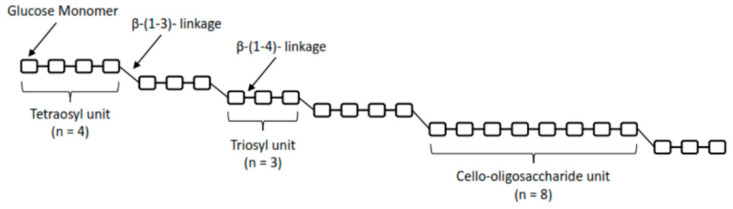
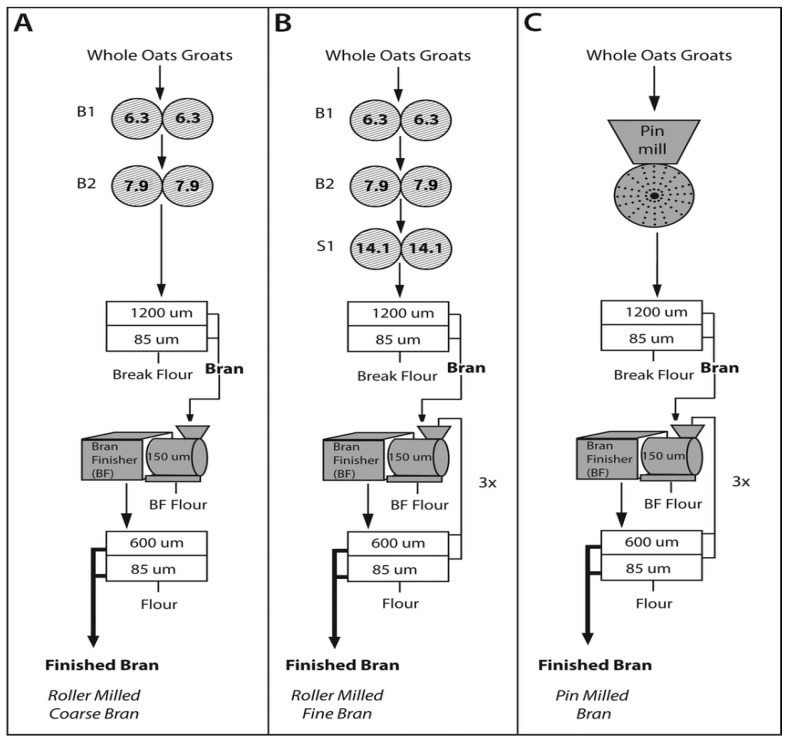
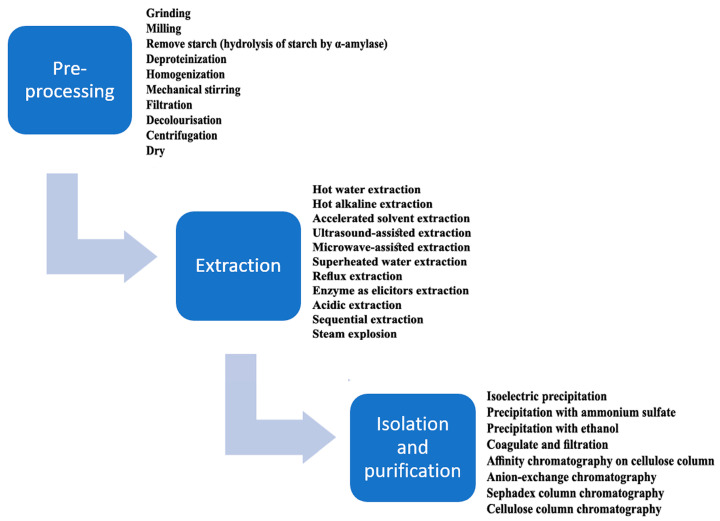
Cereal (1,3)(1,4)-β-d-glucans, known as β-d-glucans, are cell wall polysaccharides observed in selected plants of grasses, and oats and barley are their good natural sources. Thanks to their physicochemical properties β-d-glucans have therapeutic and nutritional potential and a specific place for their functional characteristics in diverse food formulations. They can function as thickeners, stabilizers, emulsifiers, and textural and gelation agents in beverages, bakery, meat, and extruded products. The objective of this review is to describe the primary procedures for the production of β-d-glucans from cereal grains, to define the processing factors influencing their properties, and to summarize their current use in the production of novel cereal-based foods. Additionally, the study delves into the utilization of β-d-glucans in the rapidly evolving field of nanotechnology, exploring potential applications within this technological realm.
谷物(1,3)(1,4)-β-D-葡聚糖,即β-D-葡聚糖,是在特定禾本科植物中观察到的细胞壁多糖,燕麦和大麦是其良好的天然来源。由于其物理化学性质,β-D-葡聚糖具有治疗和营养潜力,并且在各种食品配方中因其功能特性而占有特殊地位。它们可以在饮料、烘焙食品、肉类和挤压产品中用作增稠剂、稳定剂、乳化剂以及质地和胶凝剂。本综述的目的是描述从谷物中生产β-D-葡聚糖的主要方法,确定影响其性质的加工因素,并总结其目前在新型谷物基食品生产中的应用。此外,该研究深入探讨了β-D-葡聚糖在快速发展的纳米技术领域的应用,探索了该技术领域内的潜在应用。