Department of Nephrocardiology, Medical University of Lodz, Ul. Zeromskiego 113, 90-549 Lodz, Poland.
Department of Nephrology, Hypertension and Family Medicine, Medical University of Lodz, Ul. Zeromskiego 113, 90-549 Lodz, Poland.
Int J Mol Sci. 2024 Feb 2;25(3):1826. doi: 10.3390/ijms25031826.
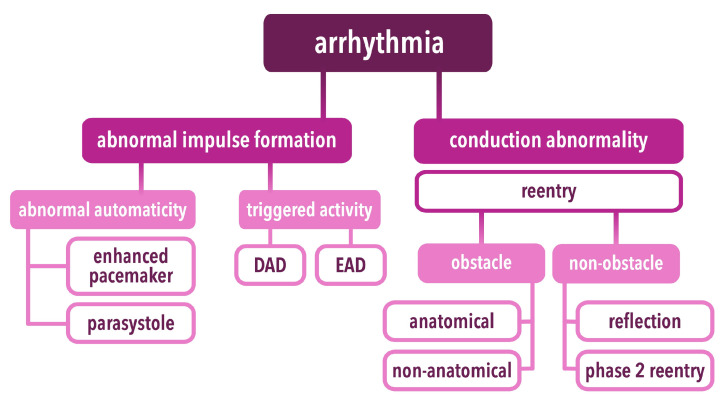
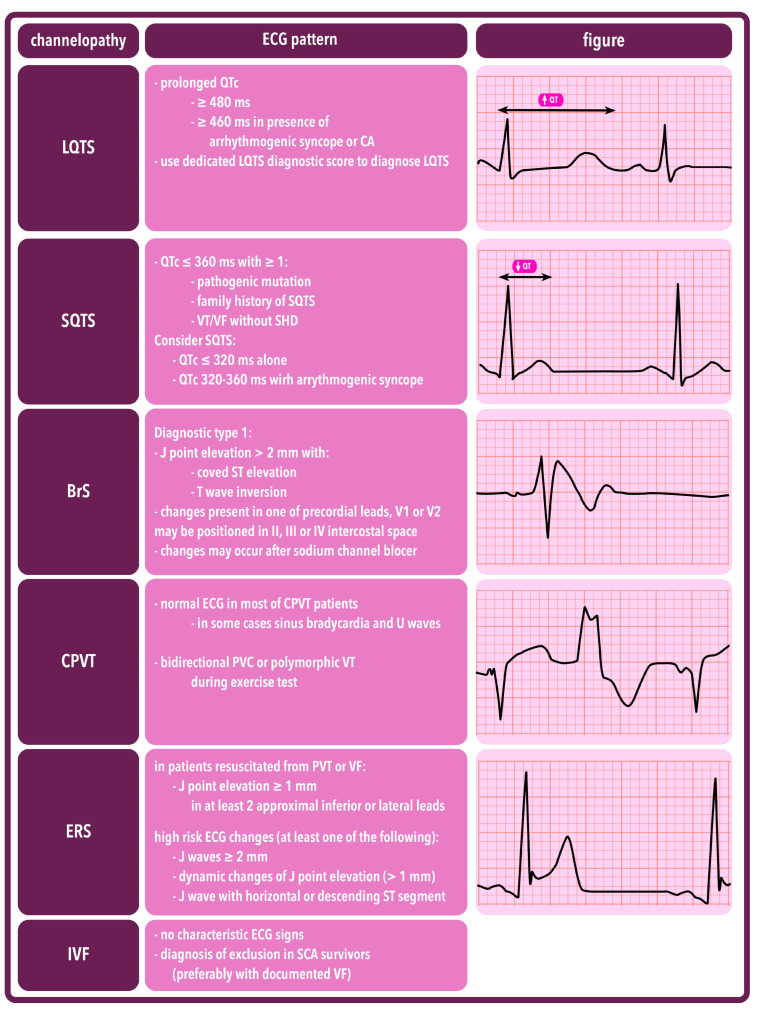
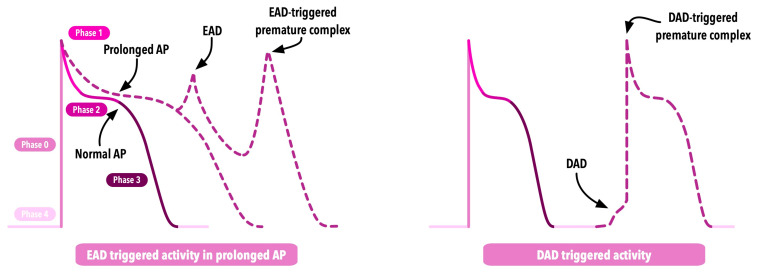
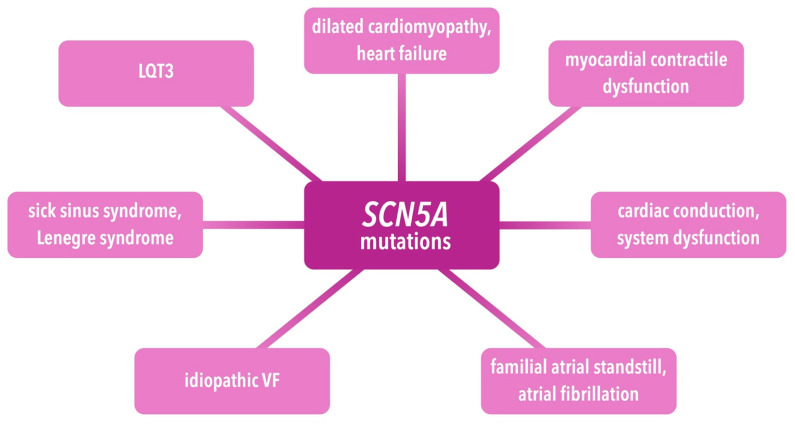
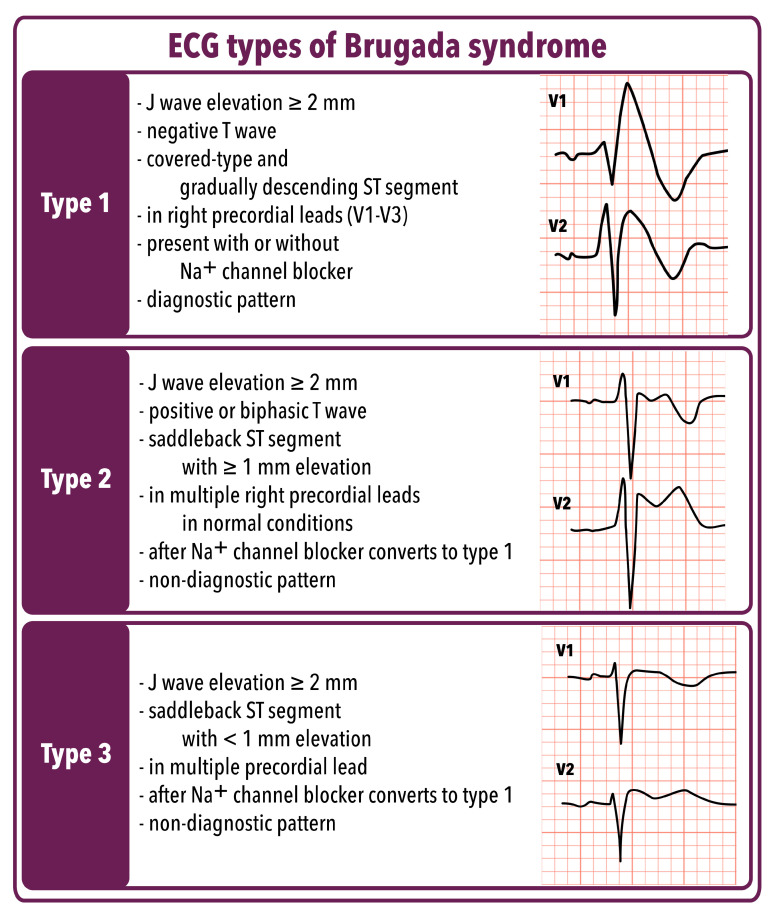
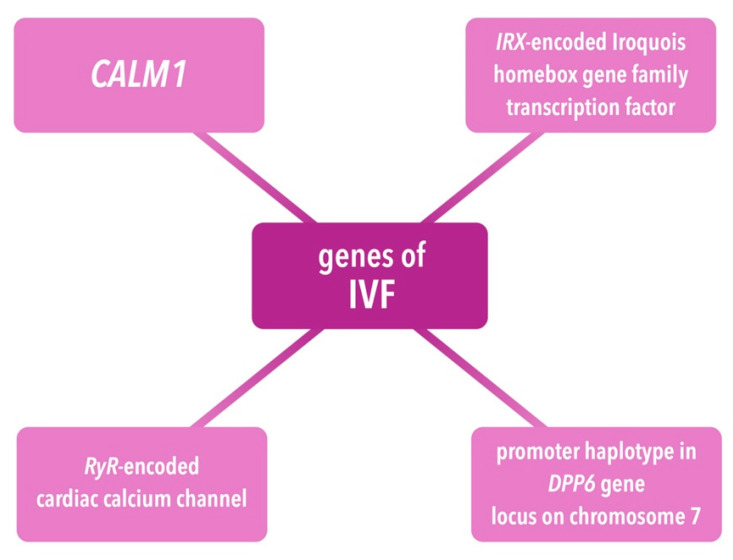
Primary electrical heart diseases, often considered channelopathies, are inherited genetic abnormalities of cardiomyocyte electrical behavior carrying the risk of malignant arrhythmias leading to sudden cardiac death (SCD). Approximately 54% of sudden, unexpected deaths in individuals under the age of 35 do not exhibit signs of structural heart disease during autopsy, suggesting the potential significance of channelopathies in this group of age. Channelopathies constitute a highly heterogenous group comprising various diseases such as long QT syndrome (LQTS), short QT syndrome (SQTS), idiopathic ventricular fibrillation (IVF), Brugada syndrome (BrS), catecholaminergic polymorphic ventricular tachycardia (CPVT), and early repolarization syndromes (ERS). Although new advances in the diagnostic process of channelopathies have been made, the link between a disease and sudden cardiac death remains not fully explained. Evolving data in electrophysiology and genetic testing suggest previously described diseases as complex with multiple underlying genes and a high variety of factors associated with SCD in channelopathies. This review summarizes available, well-established information about channelopathy pathogenesis, genetic basics, and molecular aspects relative to principles of the pathophysiology of arrhythmia. In addition, general information about diagnostic approaches and management is presented. Analyzing principles of channelopathies and their underlying causes improves the understanding of genetic and molecular basics that may assist general research and improve SCD prevention.
原发性心脏电疾病,通常被认为是离子通道病,是心肌细胞电行为的遗传性遗传异常,具有导致恶性心律失常和心源性猝死(SCD)的风险。大约 54%的 35 岁以下个体的突发性、意外性死亡在尸检中没有表现出结构性心脏病的迹象,这表明离子通道病在这一年龄组中可能具有重要意义。离子通道病是一组高度异质性的疾病,包括长 QT 综合征(LQTS)、短 QT 综合征(SQTS)、特发性心室颤动(IVF)、Brugada 综合征(BrS)、儿茶酚胺多形性室性心动过速(CPVT)和早期复极综合征(ERS)等。尽管离子通道病的诊断过程取得了新的进展,但疾病与心源性猝死之间的联系仍未得到充分解释。电生理学和基因检测的新数据表明,以前描述的疾病具有多种潜在基因和与离子通道病 SCD 相关的多种因素的复杂性。本综述总结了关于心律失常病理生理学原则的离子通道病发病机制、遗传基础和分子方面的现有、成熟信息。此外,还介绍了诊断方法和管理的一般信息。分析离子通道病及其潜在原因的原理可以提高对遗传和分子基础的理解,从而有助于一般研究并改善 SCD 的预防。