Foltz Emilie A, Witkowski Alexander, Becker Alyssa L, Latour Emile, Lim Jeong Youn, Hamilton Andrew, Ludzik Joanna
Department of Dermatology, Oregon Health & Science University, Portland, OR 97201, USA.
Elson S. Floyd College of Medicine, Washington State University, Spokane, WA 99202, USA.
Cancers (Basel). 2024 Feb 1;16(3):629. doi: 10.3390/cancers16030629.
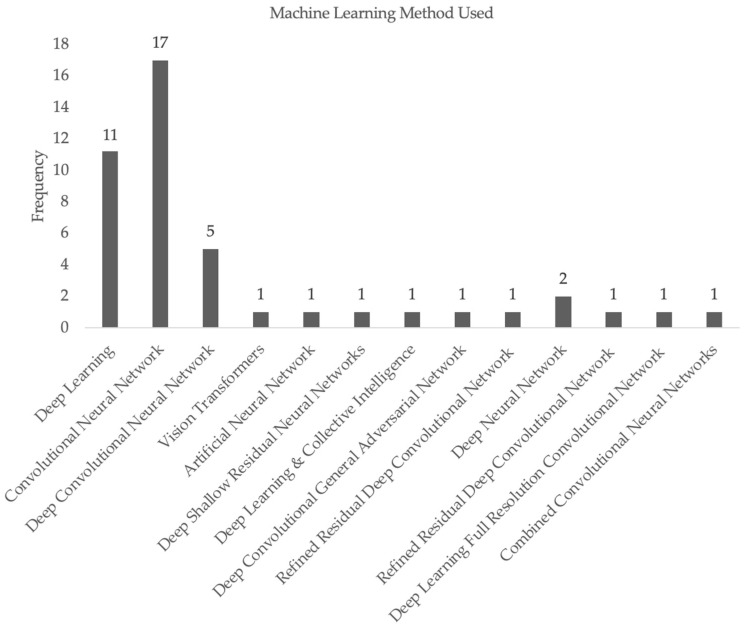
The objective of this study is to systematically analyze the current state of the literature regarding novel artificial intelligence (AI) machine learning models utilized in non-invasive imaging for the early detection of nonmelanoma skin cancers. Furthermore, we aimed to assess their potential clinical relevance by evaluating the accuracy, sensitivity, and specificity of each algorithm and assessing for the risk of bias.
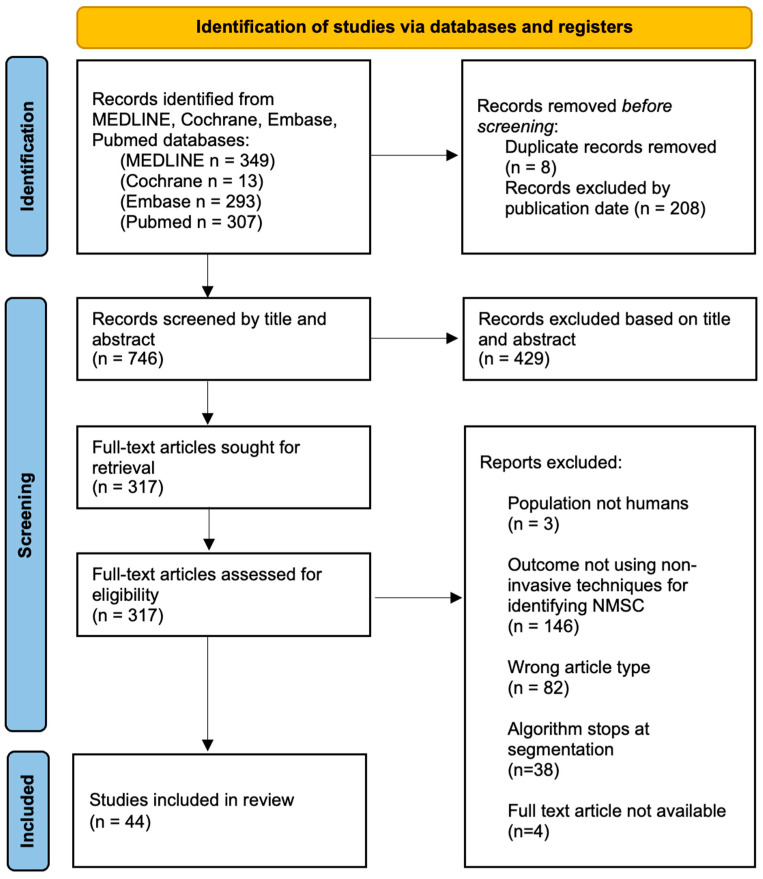
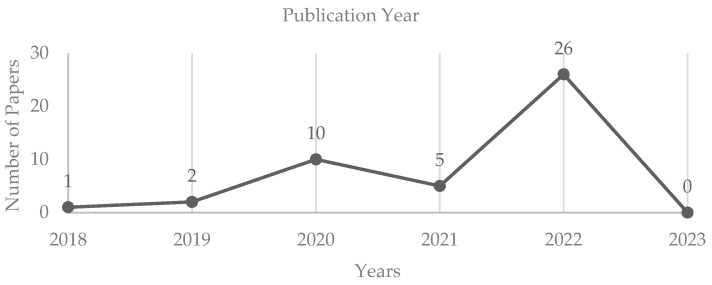
Two reviewers screened the MEDLINE, Cochrane, PubMed, and Embase databases for peer-reviewed studies that focused on AI-based skin cancer classification involving nonmelanoma skin cancers and were published between 2018 and 2023. The search terms included skin neoplasms, nonmelanoma, basal-cell carcinoma, squamous-cell carcinoma, diagnostic techniques and procedures, artificial intelligence, algorithms, computer systems, dermoscopy, reflectance confocal microscopy, and optical coherence tomography. Based on the search results, only studies that directly answered the review objectives were included and the efficacy measures for each were recorded. A QUADAS-2 risk assessment for bias in included studies was then conducted.
A total of 44 studies were included in our review; 40 utilizing dermoscopy, 3 using reflectance confocal microscopy (RCM), and 1 for hyperspectral epidermal imaging (HEI). The average accuracy of AI algorithms applied to all imaging modalities combined was 86.80%, with the same average for dermoscopy. Only one of the three studies applying AI to RCM measured accuracy, with a result of 87%. Accuracy was not measured in regard to AI based HEI interpretation.
AI algorithms exhibited an overall favorable performance in the diagnosis of nonmelanoma skin cancer via noninvasive imaging techniques. Ultimately, further research is needed to isolate pooled diagnostic accuracy for nonmelanoma skin cancers as many testing datasets also include melanoma and other pigmented lesions.
本研究的目的是系统分析有关用于非黑色素瘤皮肤癌早期检测的新型人工智能(AI)机器学习模型的文献现状。此外,我们旨在通过评估每种算法的准确性、敏感性和特异性并评估偏倚风险,来评估它们潜在的临床相关性。
两名审阅者在MEDLINE、Cochrane、PubMed和Embase数据库中筛选了同行评审的研究,这些研究聚焦于涉及非黑色素瘤皮肤癌的基于AI的皮肤癌分类,且发表于2018年至2023年之间。检索词包括皮肤肿瘤、非黑色素瘤、基底细胞癌、鳞状细胞癌、诊断技术和程序、人工智能、算法、计算机系统、皮肤镜检查、反射式共聚焦显微镜检查和光学相干断层扫描。根据检索结果,仅纳入直接回答综述目标的研究,并记录每项研究的疗效指标。然后对纳入研究的偏倚进行QUADAS-2风险评估。
我们的综述共纳入44项研究;40项使用皮肤镜检查,3项使用反射式共聚焦显微镜检查(RCM),1项使用高光谱表皮成像(HEI)。应用于所有成像方式的AI算法的平均准确率为86.80%,皮肤镜检查的平均准确率相同。将AI应用于RCM的三项研究中只有一项测量了准确率,结果为87%。未对基于AI的HEI解读的准确率进行测量。
AI算法在通过非侵入性成像技术诊断非黑色素瘤皮肤癌方面总体表现良好。最终,由于许多测试数据集还包括黑色素瘤和其他色素沉着病变,因此需要进一步研究以确定非黑色素瘤皮肤癌的综合诊断准确率。