Chelly Jacques E, Klatt Brian, O'Malley Michael, Groff Yram, Kearns Jeremy, Khetarpal Sharad, Sadhasivam Senthil
Department of Anesthesiology and Perioperative Medicine, University of Pittsburgh Medical Center, Pennsylvania, USA.
Department of Orthopaedic Surgery, University of Pittsburgh Medical Center, Pennsylvania, USA.
J Pain Relief. 2023;12(Suppl 1). Epub 2023 Sep 8.
Aromatherapy is claimed to be effective for the treatment of psychosocial disorders, but objective evidence of its effectiveness is still lacking. Psychosocial disorders have been demonstrated to increase postoperative pain and opioid consumption by up to 50%. This study was designed to assess the effectiveness of Aromatherapy in controlling postoperative pain and opioid in anxious patients.
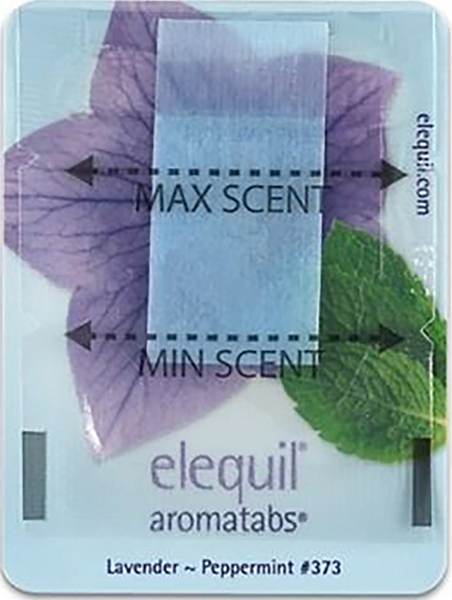
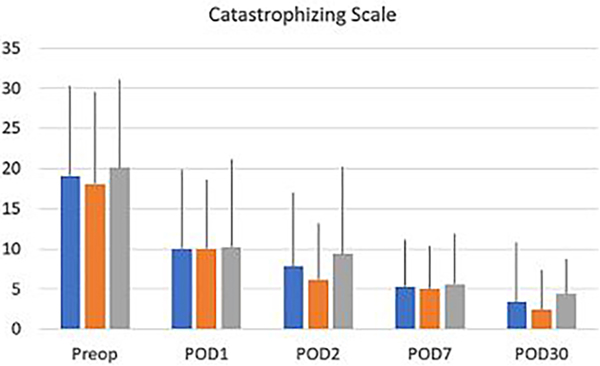
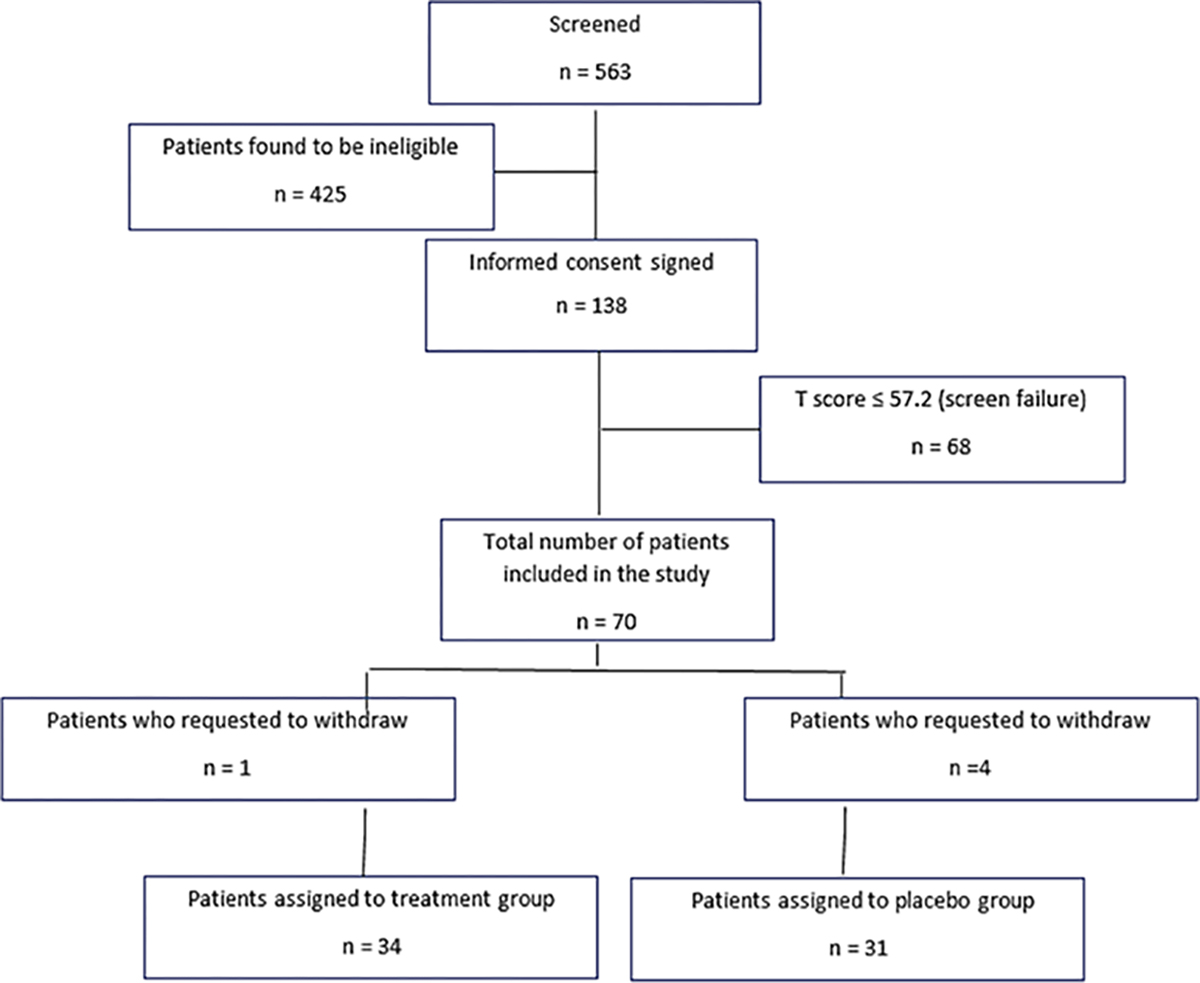
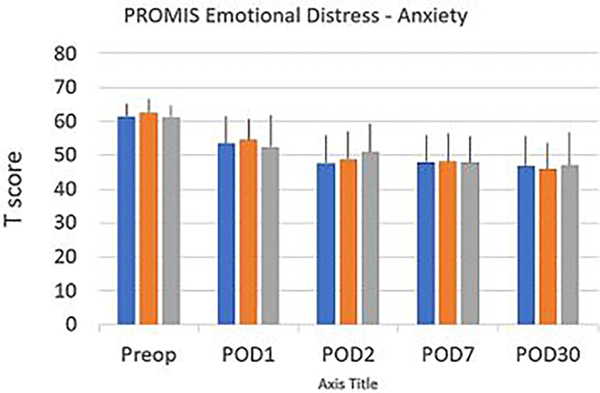
This prospective, randomized, placebo-controlled study was conducted on anxious patients who underwent primary unilateral total hip arthroplasty. After obtaining signed informed consent, each patient was asked to complete a PROMIS (Patient-Reported Outcomes Measurement Information System) anxiety survey. Patients whose T score were >57.2 were randomized to either an active treatment (Lavender Peppermint Elequil aromatab) or a placebo Elequil-aromatab treatment. Demographics, pain, opioid consumption, PONV, and psychosocial surveys were collected on Postoperative Day POD1, POD2, POD7 and POD30. At the time of discharge and on POD30, each patient was asked to complete a satisfaction questionnaire, and they were asked to complete an SF12 survey on POD30. Difference between means was assessed using absolute standardized mean differences.
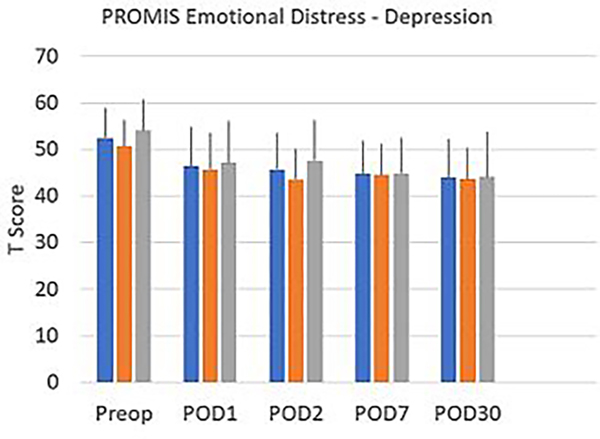
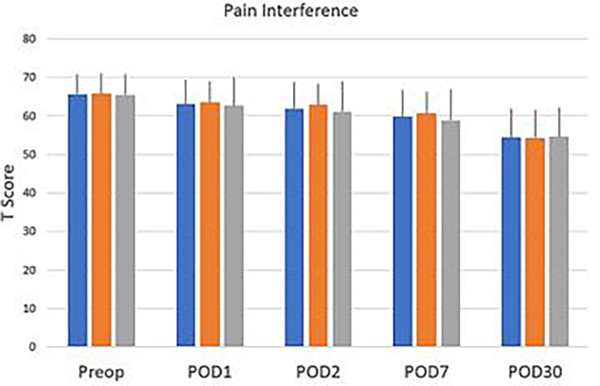
Sixty patients were included in the intend-to-treat analysis. Use of lavender and peppermint was associated with a decrease of 26% in pain (POD7; 0.46), 33% in opioid consumption (POD2; 0.42), and 48% in acetaminophen consumption (POD7; 0.54) and a 78% decrease in PONV (POD2; 0.44). Psychosocial scores decreased following surgery (p=0.001). Overall satisfaction ratings at discharge were similar, as were functional recovery scores.
Our data provides evidence that in patients with preoperative anxiety, lavender and peppermint aromas decreases postoperative pain and opioid requirement compared to placebo. Additional research is required to conform our data.
This randomized placebo control study provides evidence of the usefulness of inhalation of lavender and peppermint aromas in patients undergoing primary unilateral total hip arthroplasty.
芳香疗法据称对心理社会障碍的治疗有效,但仍缺乏其有效性的客观证据。心理社会障碍已被证明会使术后疼痛和阿片类药物的消耗量增加多达50%。本研究旨在评估芳香疗法对焦虑患者术后疼痛和阿片类药物的控制效果。
本前瞻性、随机、安慰剂对照研究针对接受初次单侧全髋关节置换术的焦虑患者进行。在获得签署的知情同意书后,要求每位患者完成一项PROMIS(患者报告结局测量信息系统)焦虑调查。T评分>57.2的患者被随机分为积极治疗组(薰衣草薄荷伊可眠芳香片)或安慰剂伊可眠芳香片治疗组。在术后第1天、第2天、第7天和第30天收集人口统计学信息、疼痛情况、阿片类药物消耗量、术后恶心呕吐(PONV)情况以及心理社会调查结果。在出院时和术后第30天,要求每位患者完成一份满意度问卷,并在术后第30天完成一份SF12调查。使用绝对标准化均值差异评估均值之间的差异。
60名患者纳入意向性分析。使用薰衣草和薄荷与疼痛减轻26%(术后第7天;0.46)、阿片类药物消耗量减少33%(术后第2天;0.42)、对乙酰氨基酚消耗量减少48%(术后第7天;0.54)以及PONV减少78%(术后第2天;0.44)相关。术后心理社会评分下降(p = 0.001)。出院时的总体满意度评分相似,功能恢复评分也相似。
我们的数据表明,对于术前焦虑的患者,与安慰剂相比,薰衣草和薄荷香气可减轻术后疼痛并减少阿片类药物需求。需要进一步研究来证实我们的数据。
这项随机安慰剂对照研究为接受初次单侧全髋关节置换术的患者吸入薰衣草和薄荷香气的有效性提供了证据。