The First Affiliated Hospital of Zhengzhou University, Zhengzhou, Henan Province, 450000, China.
BMC Ophthalmol. 2024 Feb 14;24(1):67. doi: 10.1186/s12886-024-03327-7.
This study aimed to analyze the distribution of different types of strabismus surgery in a tertiary hospital in Central China during the three-year period of the COVID-19 pandemic.
A retrospective analysis was conducted on the clinical data of strabismus patients who underwent surgery and were admitted to the Department of Strabismus and Pediatric Ophthalmology at the First Affiliated Hospital of Zhengzhou University between January 2020 and December 2022.
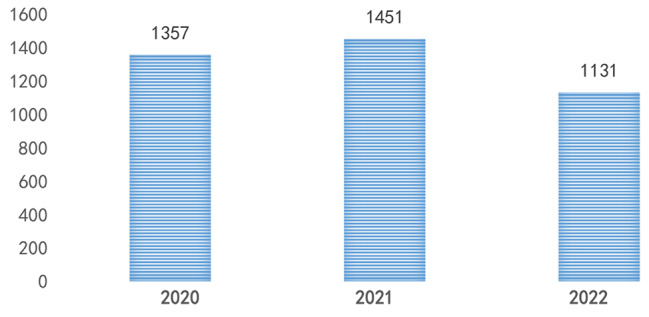
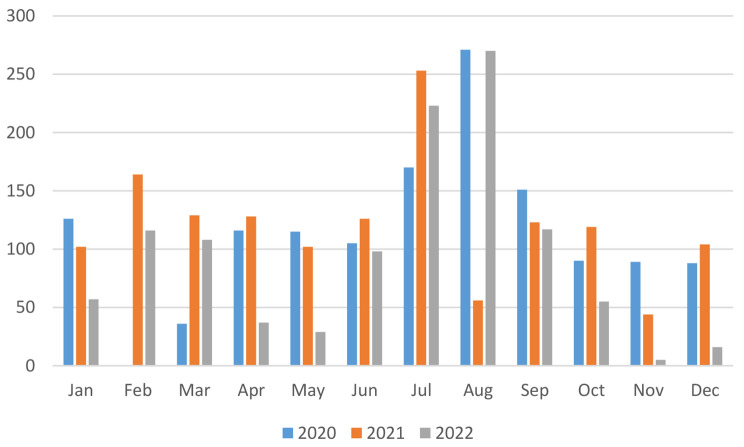
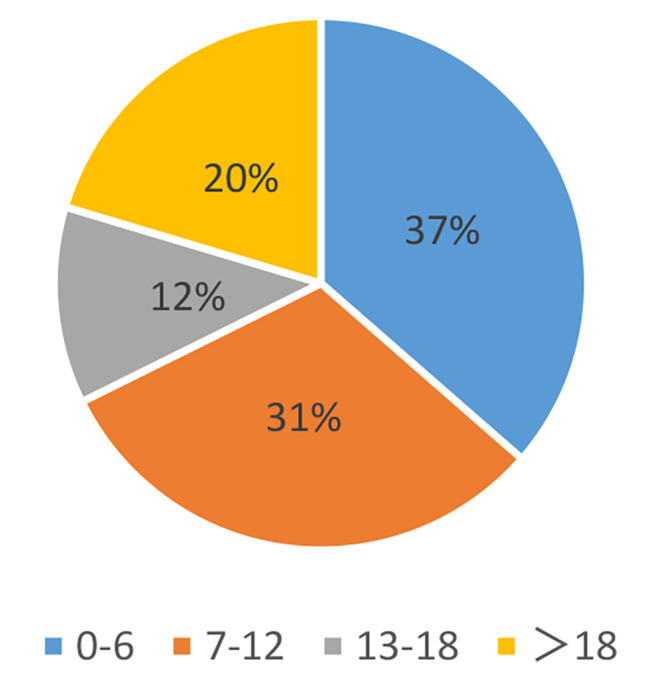
A total of 3939 strabismus surgery patients were collected, including 1357 in 2020, 1451 in 2021, and 1131 in 2022. The number of surgeries decreased significantly in February 2020, August 2021, and November and December 2022. Patients aged 0-6 years accounted for 37% of the total number of strabismus surgery patientsr. The majority (60%) of all strabismus surgery patients were diagnosed with exotropia, with intermittent exotropia accounting for the highest proportion (53%). There was no statistically significant difference in the proportion of intermittent exotropia and constant exotropia during the three-year period (χ = 2.642, P = 0.267 and χ = 3.012, P = 0.221, respectively). Among patients with intermittent exotropia, insufficient convergence type was the most common form of strabismus (accounting for over 70%). Non-accommodative esotropia accounted for more than 50% of all internal strabismus cases.
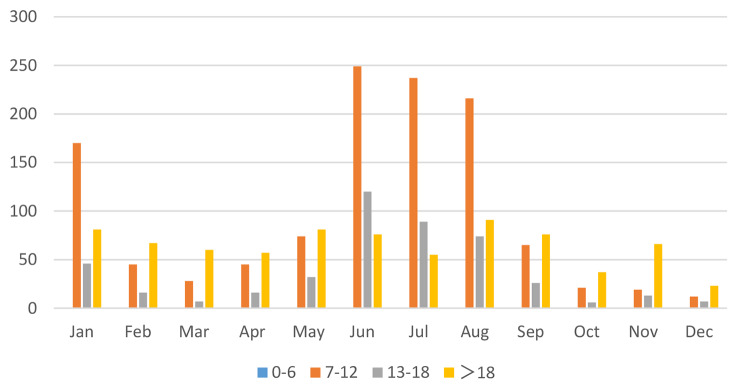
During the period from 2020 to 2022, the total number of strabismus surgeries in our hospital did not show significant fluctuations, but there was a noticeable decrease in the number of surgeries during months affected by the pandemic. Exotropia accounted for the highest proportion among strabismus surgery patients. Intermittent exotropia was the most common type among patients undergoing surgery for exotropia, and the most prevalent subtype was the insufficient convergence type. The age distribution of patients varied in different months, with a concentration of surgeries for strabismus patients in the 7-12 years old age group during the months of July and August each year.
本研究旨在分析 COVID-19 大流行期间华中地区一家三级医院斜视手术的类型分布。
对 2020 年 1 月至 2022 年 12 月在郑州大学第一附属医院斜视与小儿眼科住院行斜视手术的患者的临床资料进行回顾性分析。
共收集 3939 例斜视手术患者,2020 年 1357 例,2021 年 1451 例,2022 年 1131 例。2020 年 2 月、2021 年 8 月和 2022 年 11 月、12 月手术量明显减少。0-6 岁年龄组患者占斜视手术患者总数的 37%。所有斜视手术患者中,60%诊断为外斜视,其中间歇性外斜视比例最高(53%)。三年间间歇性外斜视和恒定性外斜视的比例无统计学差异(χ²=2.642,P=0.267 和 χ²=3.012,P=0.221)。间歇性外斜视患者中,集合不足型最常见(占 70%以上)。非调节性内斜视占所有内斜视病例的 50%以上。
2020-2022 年期间,我院斜视手术总数无明显波动,但受疫情影响的月份手术量明显减少。外斜视患者在斜视手术患者中所占比例最高。在接受外斜视手术的患者中,间歇性外斜视最为常见,其中最常见的亚型为集合不足型。不同月份患者年龄分布不同,7-12 岁手术量在每年 7、8 月较为集中。