Department of Child Health Care, Wuhan Children's Hospital, Tongji Medical College, Huazhong University of Science and Technology, Wuhan, 430016, China.
School of Medicine, Wuhan University of Science and Technology, Wuhan, 430081, China.
Sci Rep. 2024 Feb 19;14(1):4037. doi: 10.1038/s41598-024-54717-2.
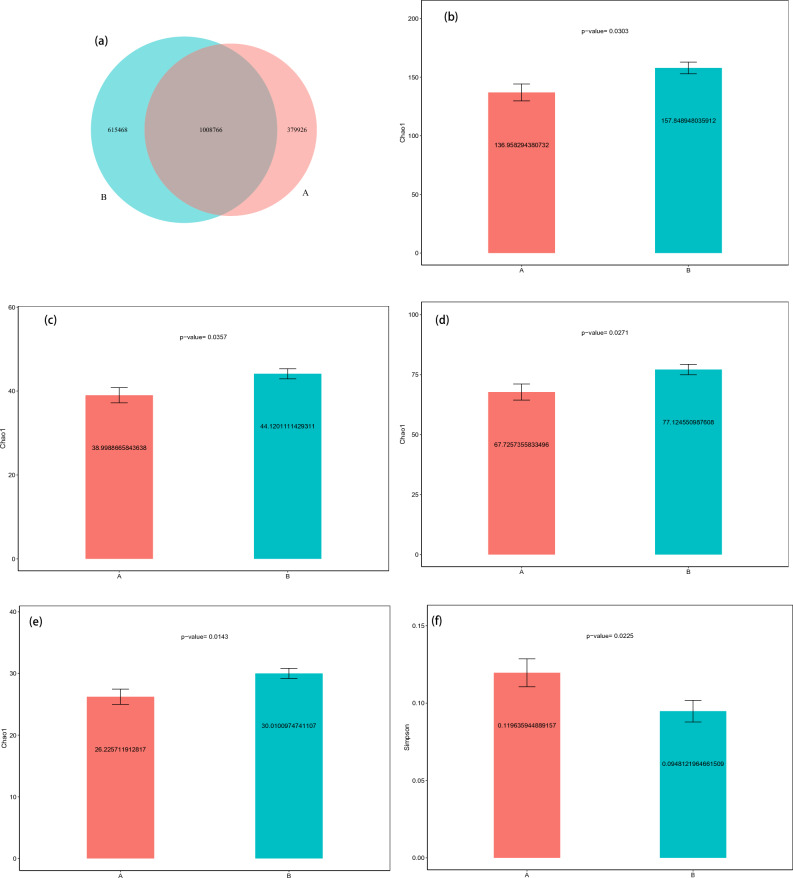
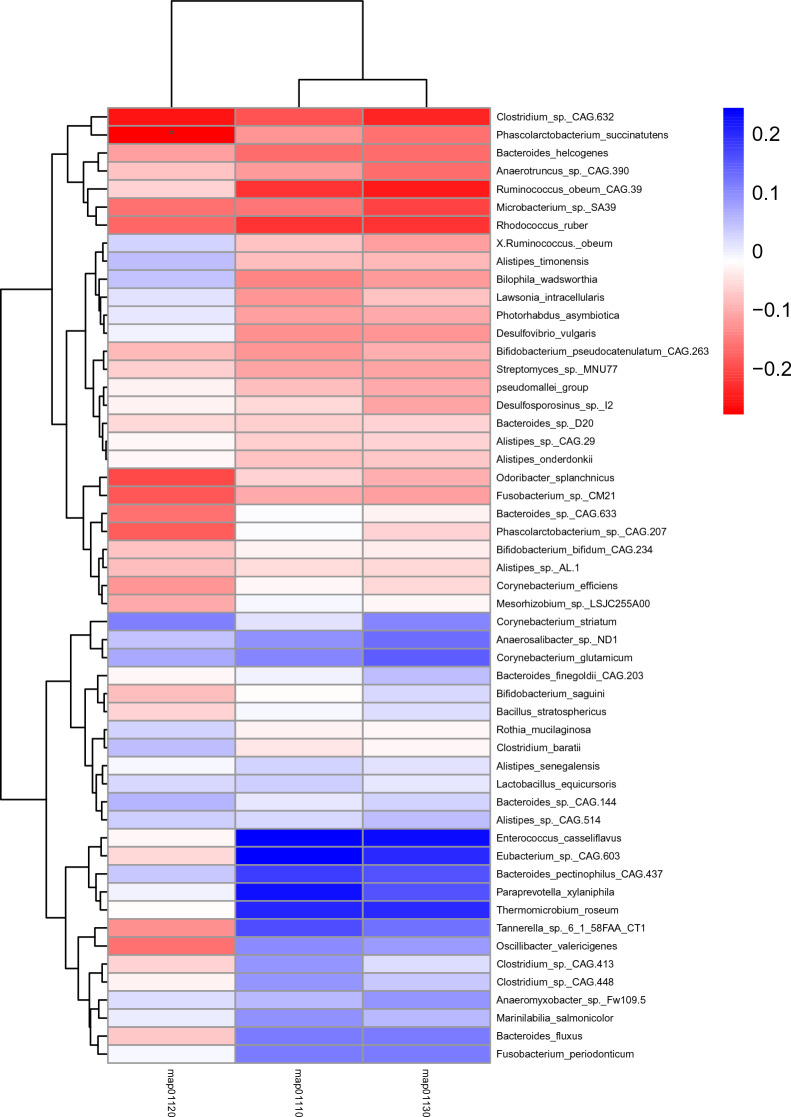
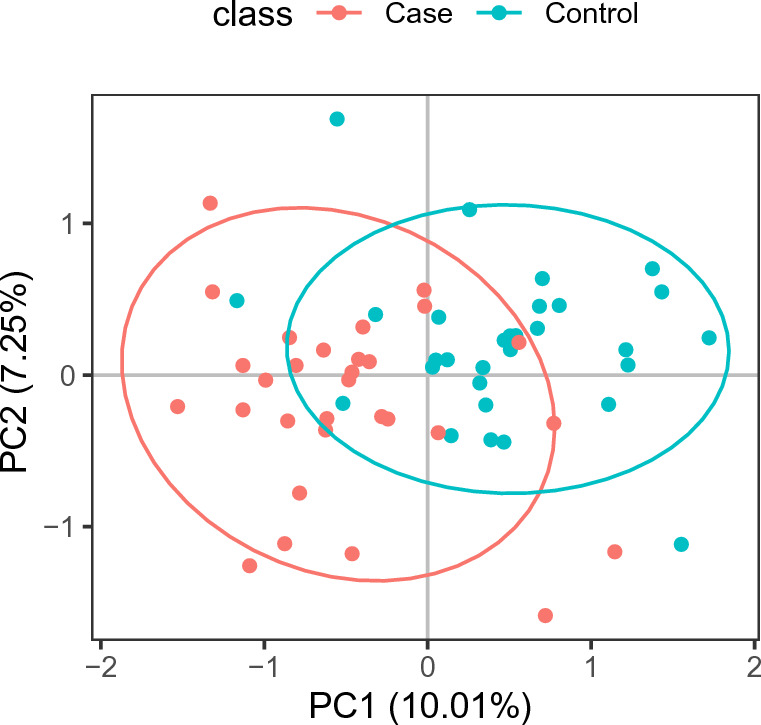
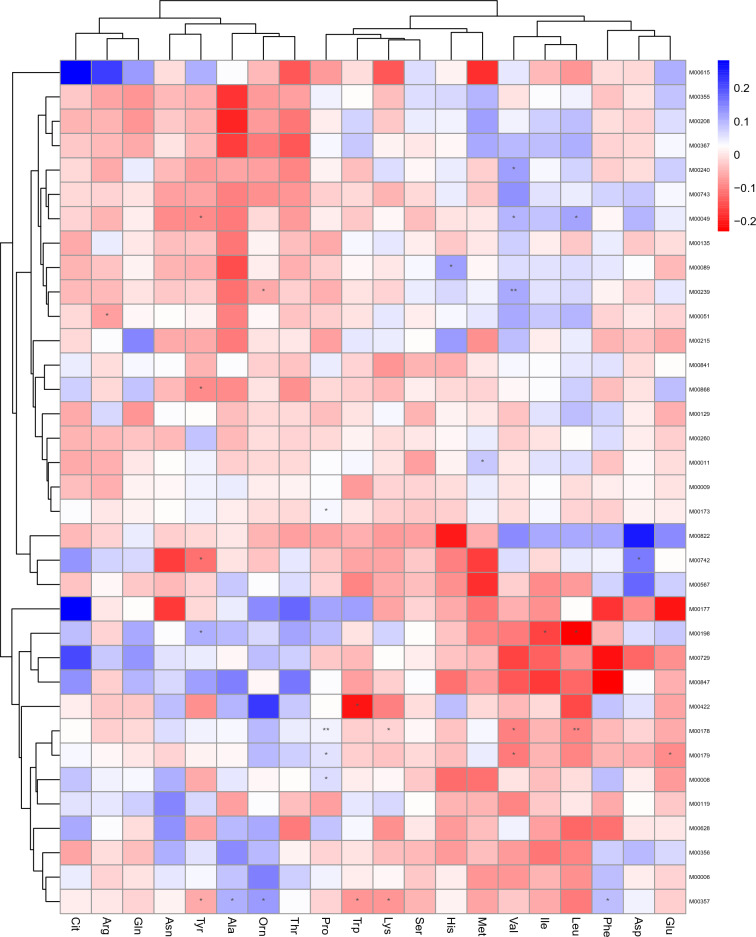
Gut microbiota and their metabolic products might play important roles in regulating the pathogenesis of autism spectrum disorder (ASD). The purpose of this study was to characterize gut microbiota and serum amino acid metabolome profiles in children with ASD. A non-randomized controlled study was carried out to analyze the alterations in the intestinal microbiota and their metabolites in patients with ASD (n = 30) compared with neurotypical controls (NC) (n = 30) by metagenomic sequencing to define the gut microbiota community and liquid chromatography/mass spectrometry (LC/MS) analysis to characterize the metabolite profiles. Compared with children in the NC group, those in the ASD group showed lower richness, higher evenness, and an altered microbial community structure. At the class level, Deinococci and Holophagae were significantly lower in children with ASD compared with TD. At the phylum level, Deinococcus-Thermus was significantly lower in children with ASD compared with TD. In addition, the functional properties (such as galactose metabolism) displayed significant differences between the ASD and NC groups. Five dominant altered species were identified and analyzed (LDA score > 2.0, P < 0.05), including Subdoligranulum, Faecalibacterium_praushitzii, Faecalibacterium, Veillonellaceae, and Rumminococcaceae. The peptides/nickel transport system was the main metabolic pathway involved in the differential species in the ASD group. Decreased ornithine levels and elevated valine levels may increase the risk of ASD through a metabolic pathway known as the nickel transport system. The microbial metabolism in diverse environments was negatively correlated with phascolarctobacterium succinatutens. Our study provides novel insights into compositional and functional alterations in the gut microbiome and metabolite profiles in ASD and the underlying mechanisms between metabolite and ASD.
肠道微生物群及其代谢产物可能在调节自闭症谱系障碍(ASD)的发病机制中发挥重要作用。本研究的目的是描述 ASD 儿童的肠道微生物群和血清氨基酸代谢组谱特征。通过宏基因组测序分析 ASD 患者(n=30)与神经典型对照组(NC)(n=30)肠道微生物群及其代谢物的变化,定义肠道微生物群落;通过液相色谱/质谱(LC/MS)分析来描述代谢物图谱。与 NC 组儿童相比,ASD 组儿童的丰富度较低,均匀度较高,微生物群落结构发生改变。在纲水平上,与 TD 相比,ASD 患儿中的 Deinococci 和 Holophagae 显著降低。在门水平上,与 TD 相比,ASD 患儿中的 Deinococcus-Thermus 显著降低。此外,ASD 和 NC 组之间的功能特性(如半乳糖代谢)显示出显著差异。鉴定并分析了 5 种主要改变的物种(LDA 评分>2.0,P<0.05),包括 Subdoligranulum、Faecalibacterium_praushitzii、Faecalibacterium、Veillonellaceae 和 Rumminococcaceae。差异物种涉及的主要代谢途径是半乳糖代谢。精氨酸水平降低和缬氨酸水平升高可能通过镍转运系统这一代谢途径增加 ASD 的风险。不同环境中的微生物代谢与 phascolarctobacterium succinatutens 呈负相关。本研究为 ASD 肠道微生物群和代谢组谱的组成和功能变化以及代谢物与 ASD 之间的潜在机制提供了新的见解。