Deng XueJun, Tang Kai, Wang Zhiqiang, He Suyu, Luo Zhi
Department of Cardiology, Suining Central Hospital, Suining, 629000, Sichuan, China.
Orthopedic Center 1 Department of Orthopedic Trauma, Suining Central Hospital, Suining, Sichuan, China.
J Epidemiol Glob Health. 2024 Jun;14(2):363-378. doi: 10.1007/s44197-024-00204-w. Epub 2024 Feb 20.
Cytokine storm is known to impact the prognosis of coronavirus disease 2019 (COVID-19), since pro-inflammatory cytokine variants are associated with cytokine storm. It is tempting to speculate that pro-inflammatory cytokines variants may impact COVID-19 outcomes by modulating cytokine storm. Here, we verified this hypothesis via a comprehensive analysis.
PubMed, Cochrane Library, Central, CINAHL, and ClinicalTrials.gov were searched until December 15, 2023. Case-control or cohort studies that investigated the impacts of rs1800795 or rs1800629 on COVID-19 susceptibility, severity, mortality, IL-6, TNF-α, or CRP levels were included after an anonymous review by two independent reviewers and consultations of disagreement by a third independent reviewer.
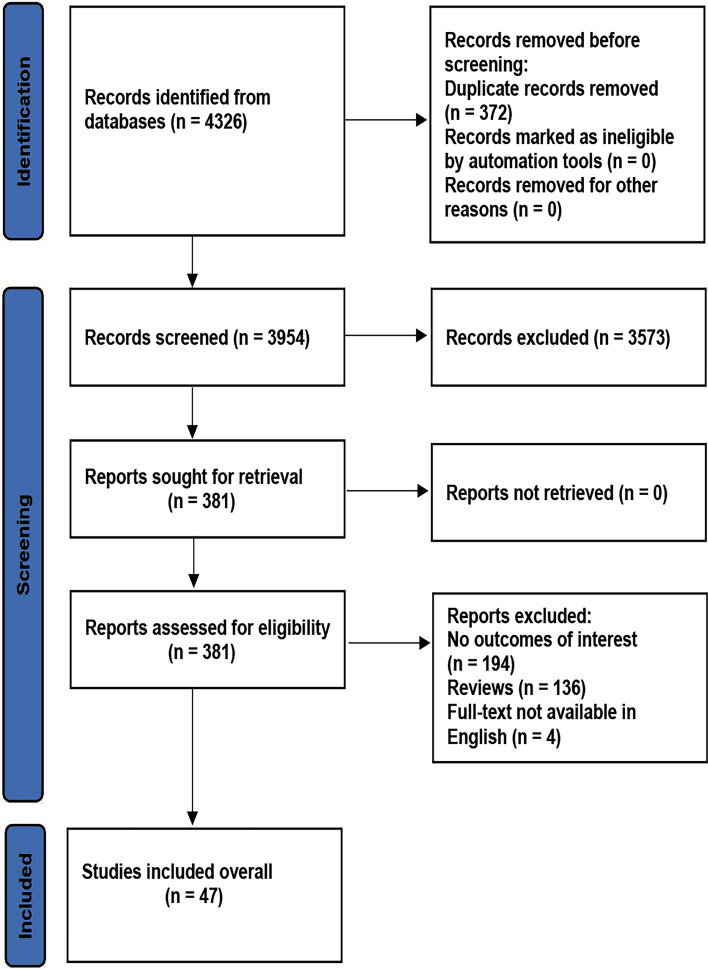
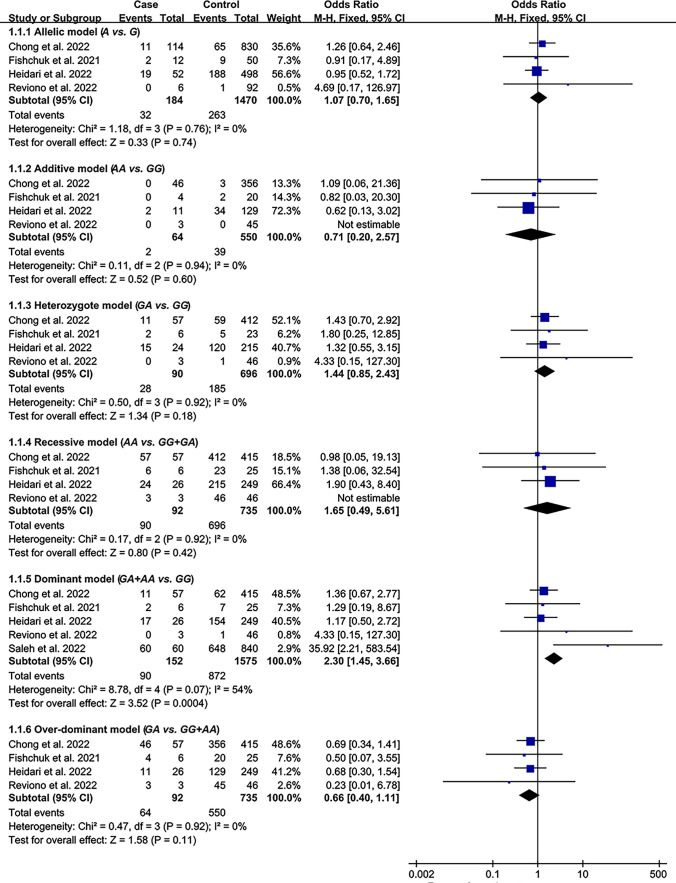
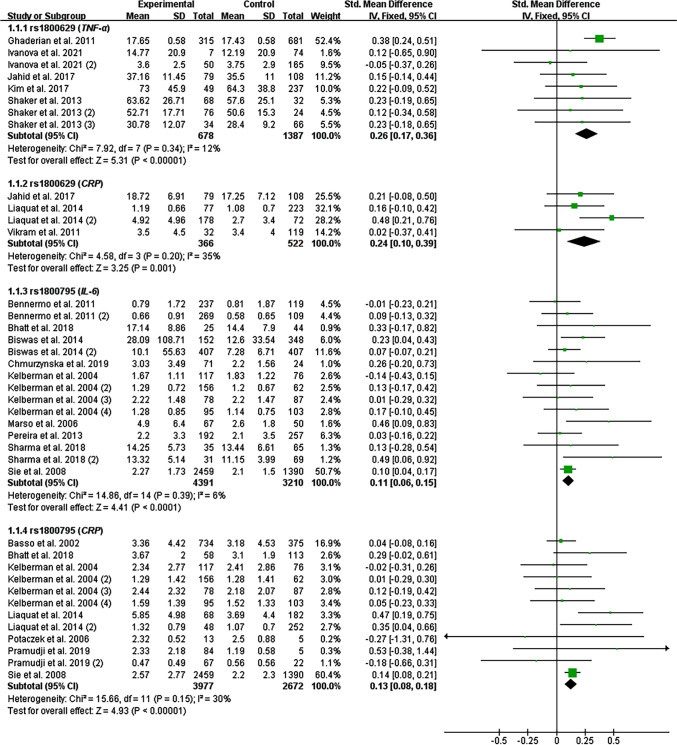
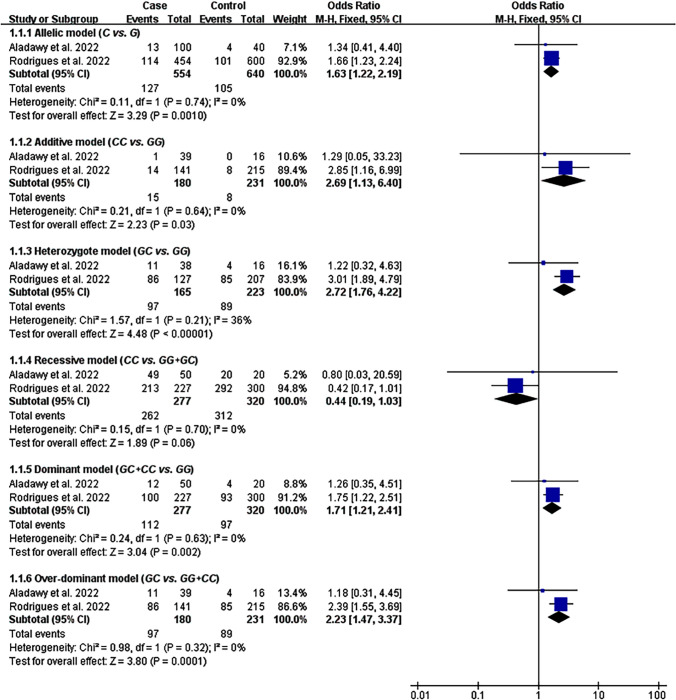
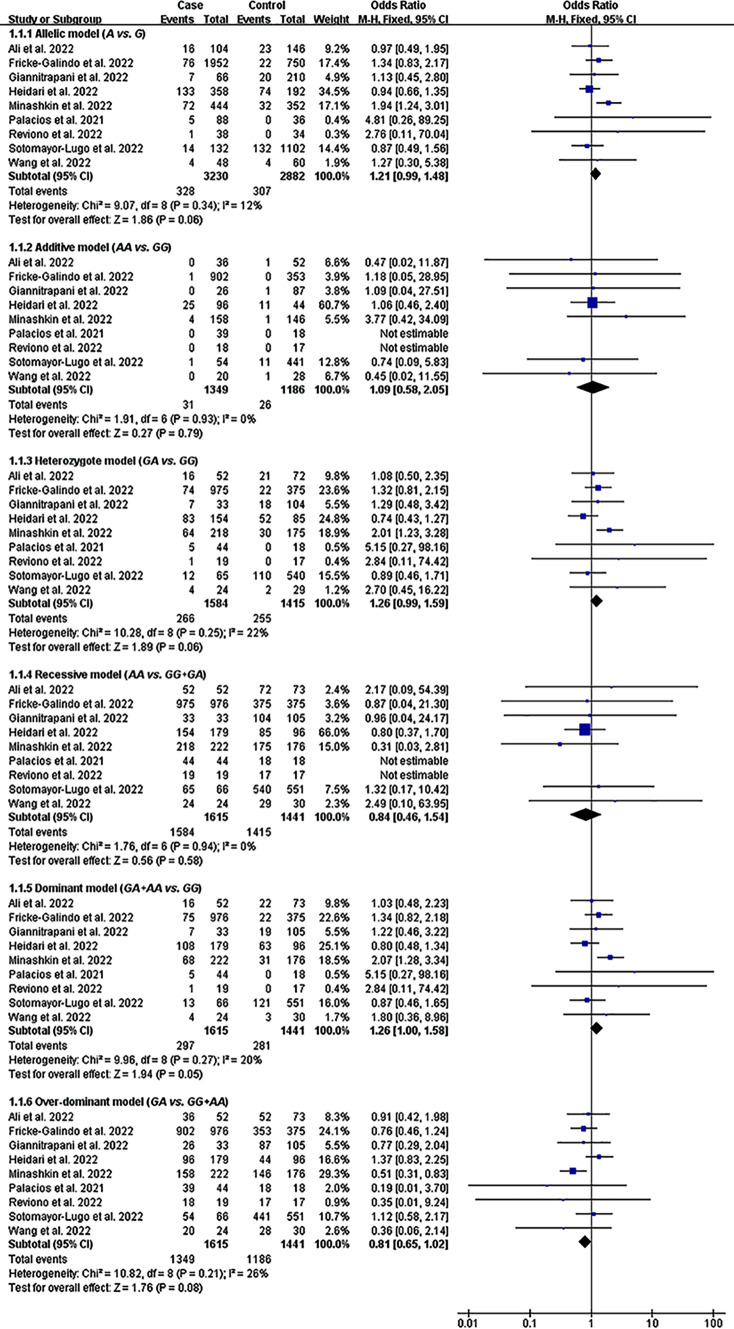
47 studies (8305 COVID-19 individuals and 17,846 non-COVID-19 individuals) were analyzed. The rs1800629 A allele (adenine at the -308 position of the promoter was encoded by the A allele) was associated with higher levels of tumor necrosis factor-α (TNF-α) and C-reactive protein (CRP). In contrast, the rs1800795 C allele (cytosine at the -174 position of the promoter was encoded by the C allele) was linked to higher levels of interleukin-6 (IL-6) and CRP. In addition, the A allele of rs1800629 increased the severity and mortality of COVID-19. However, the C allele of rs1800795 only increased COVID-19 susceptibility.
rs1800629 and rs1800795 variants of pro-inflammatory cytokines have significant impacts on systemic inflammatory profile and COVID-19 clinical outcomes. rs1800629 may serve as a genetic marker for severe COVID-19.
细胞因子风暴已知会影响2019冠状病毒病(COVID-19)的预后,因为促炎细胞因子变体与细胞因子风暴相关。有人推测促炎细胞因子变体可能通过调节细胞因子风暴来影响COVID-19的结果。在此,我们通过全面分析验证了这一假设。
检索截至2023年12月15日的PubMed、Cochrane图书馆、CENTRAL、CINAHL和ClinicalTrials.gov。在两名独立评审员进行匿名评审并由第三名独立评审员协商分歧后,纳入调查rs1800795或rs1800629对COVID-19易感性、严重程度、死亡率、白细胞介素-6(IL-6)、肿瘤坏死因子-α(TNF-α)或C反应蛋白(CRP)水平影响的病例对照或队列研究。
分析了47项研究(8305例COVID-19个体和17846例非COVID-19个体)。rs1800629 A等位基因(启动子-308位置的腺嘌呤由A等位基因编码)与较高水平的肿瘤坏死因子-α(TNF-α)和C反应蛋白(CRP)相关。相比之下,rs1800795 C等位基因(启动子-174位置的胞嘧啶由C等位基因编码)与较高水平的白细胞介素-6(IL-6)和CRP相关。此外,rs1800629的A等位基因增加了COVID-19的严重程度和死亡率。然而,rs1800795的C等位基因仅增加了COVID-19的易感性。
促炎细胞因子的rs1800629和rs1800795变体对全身炎症谱和COVID-19临床结果有显著影响。rs180