Department of Automatic Control and Systems Engineering, Bilbao School of Engineering, University of the Basque Country (UPV/EHU), Plaza Ingeniero Torres Quevedo, 48013, Bilbao, Spain.
J Neuroeng Rehabil. 2024 Feb 20;21(1):28. doi: 10.1186/s12984-024-01322-z.
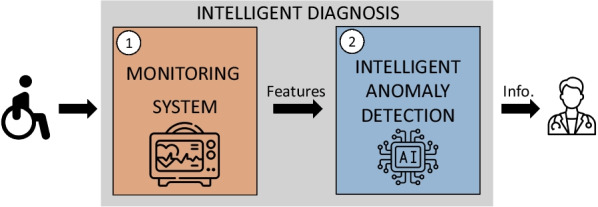
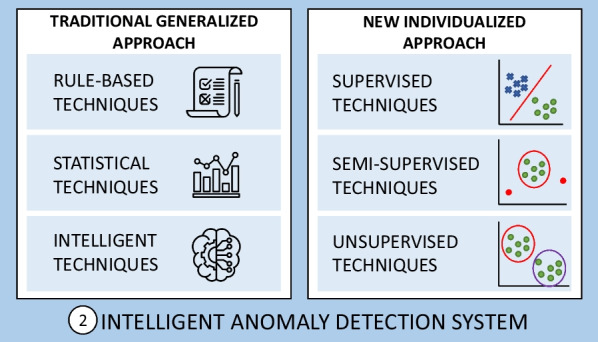
The number of people who need to use wheelchair for proper mobility is increasing. The integration of technology into these devices enables the simultaneous and objective assessment of posture, while also facilitating the concurrent monitoring of the functional status of wheelchair users. In this way, both the health personnel and the user can be provided with relevant information for the recovery process. This information can be used to carry out an early adaptation of the rehabilitation of patients, thus allowing to prevent further musculoskeletal problems, as well as risk situations such as ulcers or falls. Thus, a higher quality of life is promoted in affected individuals. As a result, this paper presents an orderly and organized analysis of the existing postural diagnosis systems for detecting sitting anomalies in the literature. This analysis can be divided into two parts that compose such postural diagnosis: on the one hand, the monitoring devices necessary for the collection of postural data and, on the other hand, the techniques used for anomaly detection. These anomaly detection techniques will be explained under two different approaches: the traditional generalized approach followed to date by most works, where anomalies are treated as incorrect postures, and a new individualized approach treating anomalies as changes with respect to the normal sitting pattern. In this way, the advantages, limitations and opportunities of the different techniques are analyzed. The main contribution of this overview paper is to synthesize and organize information, identify trends, and provide a comprehensive understanding of sitting posture diagnosis systems, offering researchers an accessible resource for navigating the current state of knowledge of this particular field.
需要使用轮椅进行适当活动的人数正在增加。将技术融入这些设备中,可以实现同时进行姿势的客观评估,同时还可以方便地监测轮椅使用者的功能状态。这样,医疗保健人员和使用者都可以获得与康复过程相关的信息。这些信息可以用于对患者的康复进行早期适应,从而防止进一步的肌肉骨骼问题,以及溃疡或跌倒等风险情况。因此,可以提高受影响个体的生活质量。因此,本文对文献中现有的用于检测坐姿异常的姿势诊断系统进行了有序的分析。这种分析可以分为两个部分,这两个部分组成了这种姿势诊断:一方面,是收集姿势数据所需的监测设备,另一方面,是用于异常检测的技术。将根据两种不同的方法解释这些异常检测技术:一方面是迄今为止大多数工作所遵循的传统广义方法,其中异常被视为不正确的姿势,另一方面是一种新的个体化方法,将异常视为相对于正常坐姿的变化。通过这种方式,可以分析不同技术的优点、局限性和机会。本篇综述文章的主要贡献是综合和组织信息,识别趋势,并提供对坐姿诊断系统的全面理解,为研究人员提供了一个可访问的资源,以了解该特定领域的现有知识状态。