Key Laboratory of Whole-Period Monitoring and Precise Intervention of Digestive Cancer, Shanghai Municipal Health Commission (SMHC), Minhang Hospital, Fudan University, Shanghai, China; Department of General Surgery, Huashan Hospital & Cancer Metastasis Institute, Fudan University, Shanghai, China.
Department of General Surgery, Huashan Hospital & Cancer Metastasis Institute, Fudan University, Shanghai, China.
Cell Rep Med. 2024 Feb 20;5(2):101415. doi: 10.1016/j.xcrm.2024.101415.
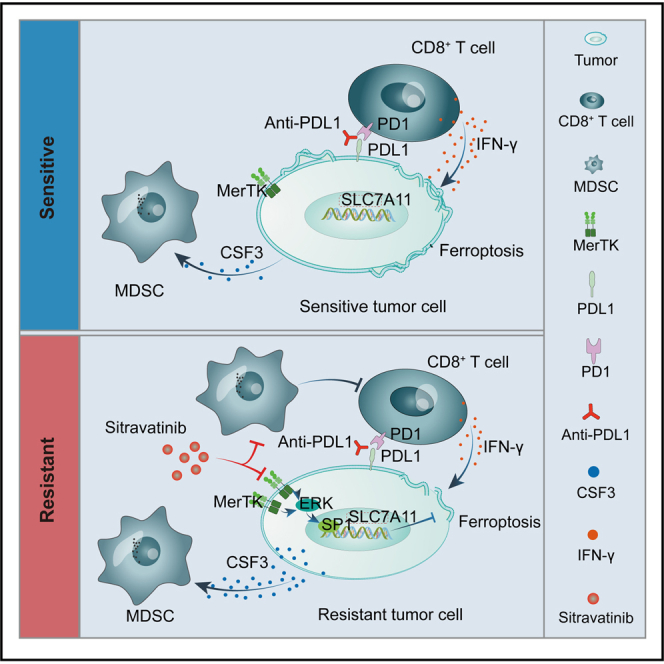
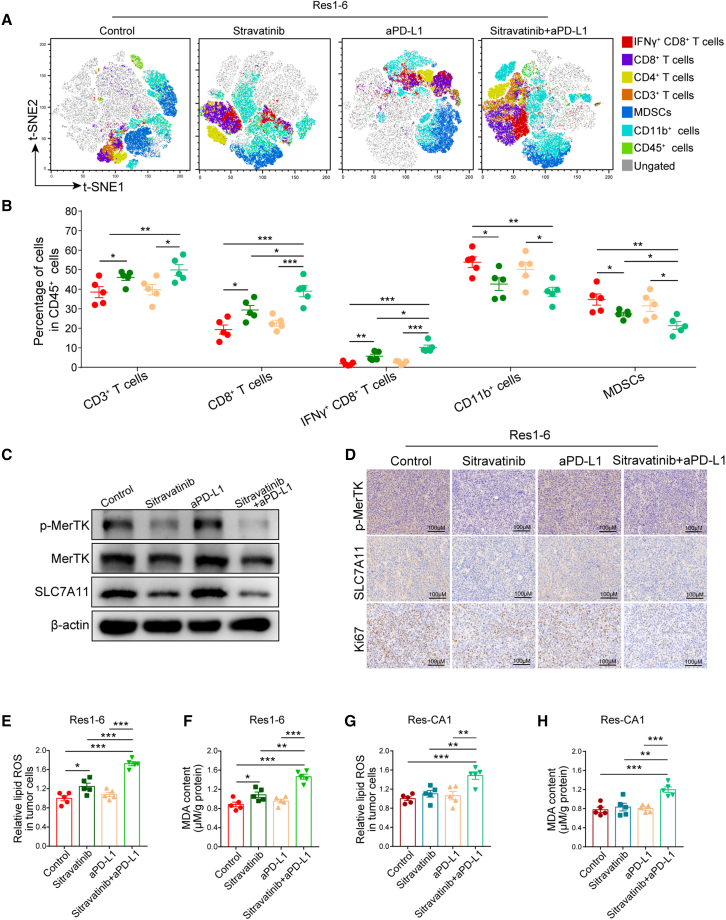
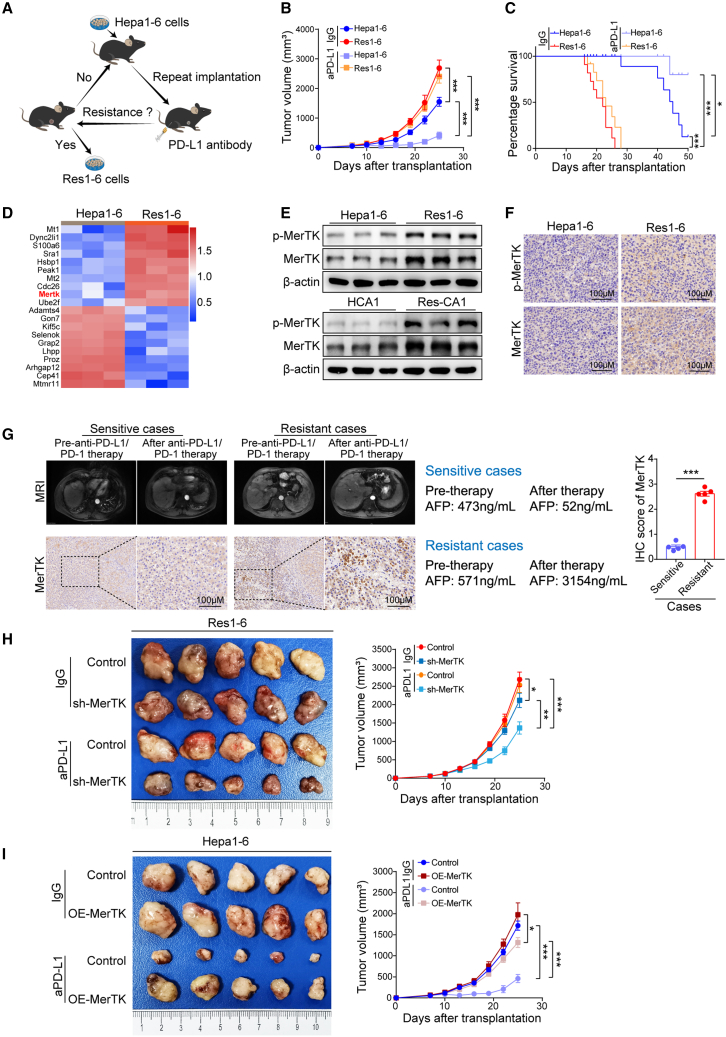
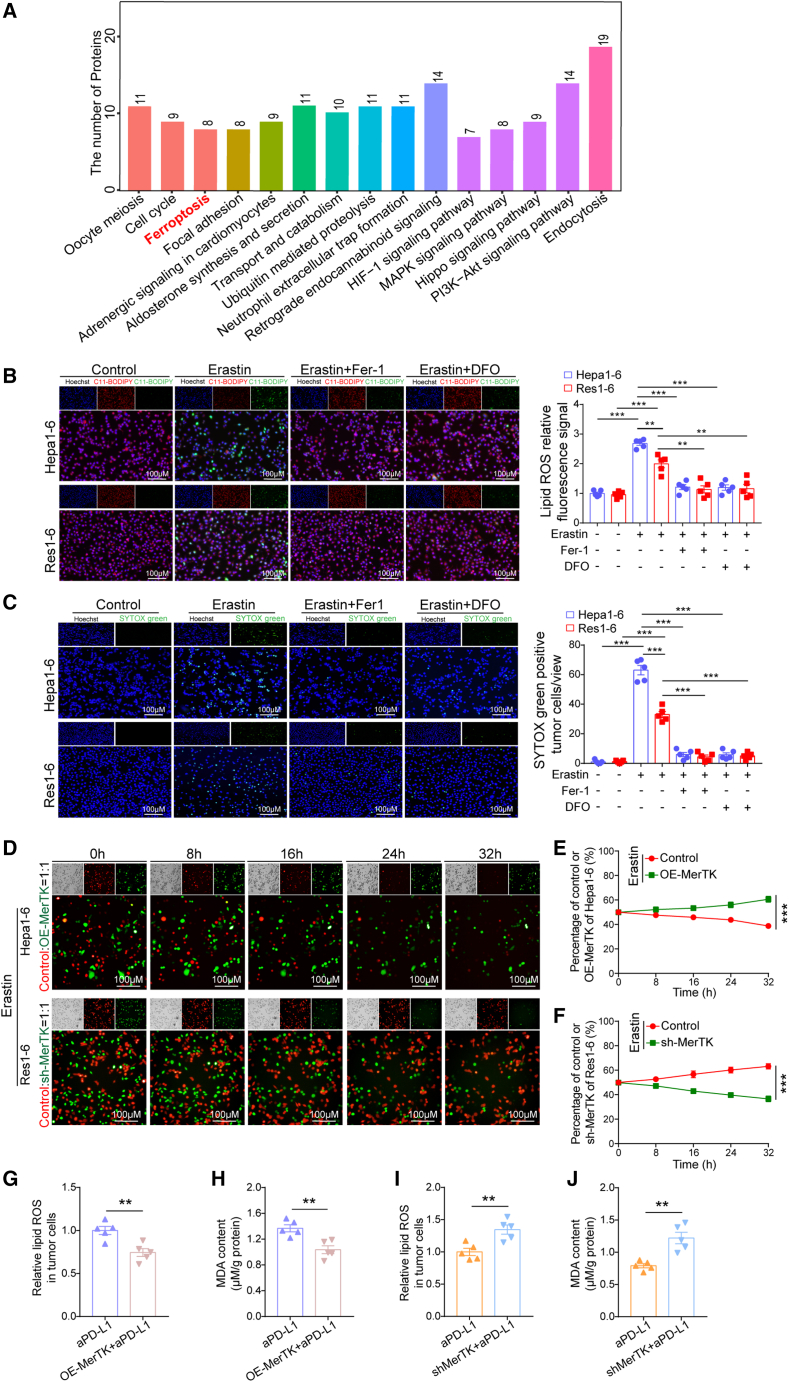
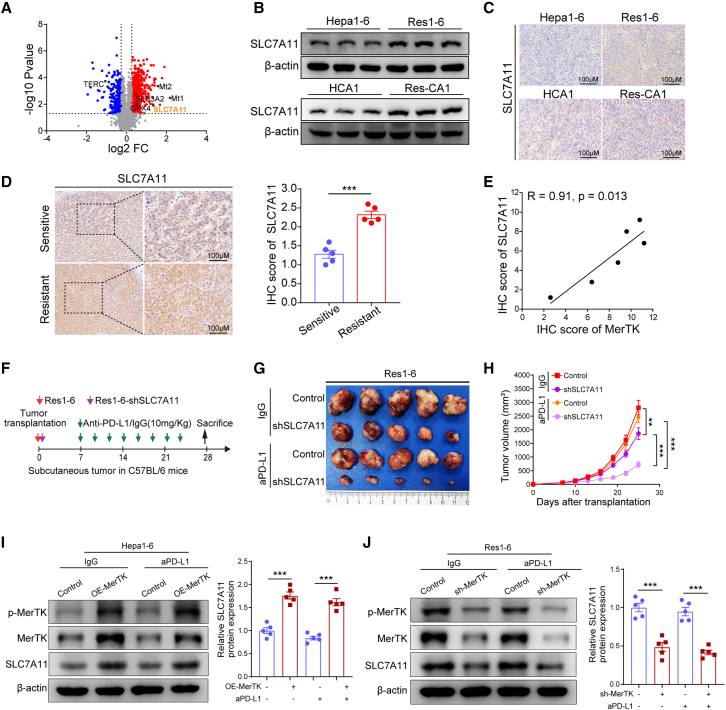
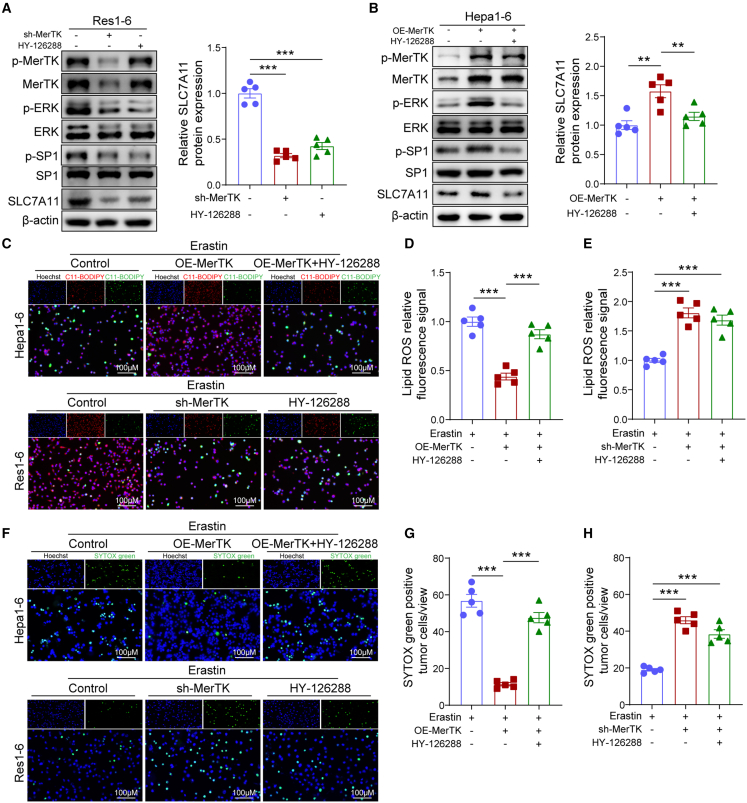
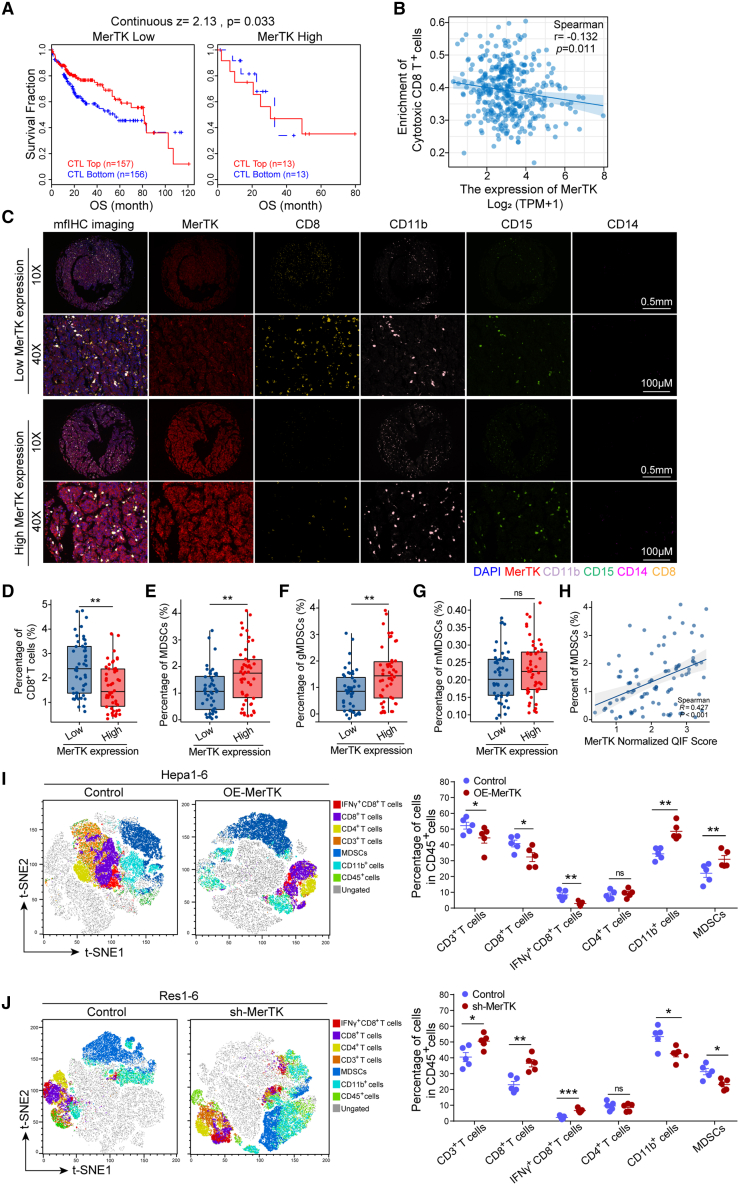
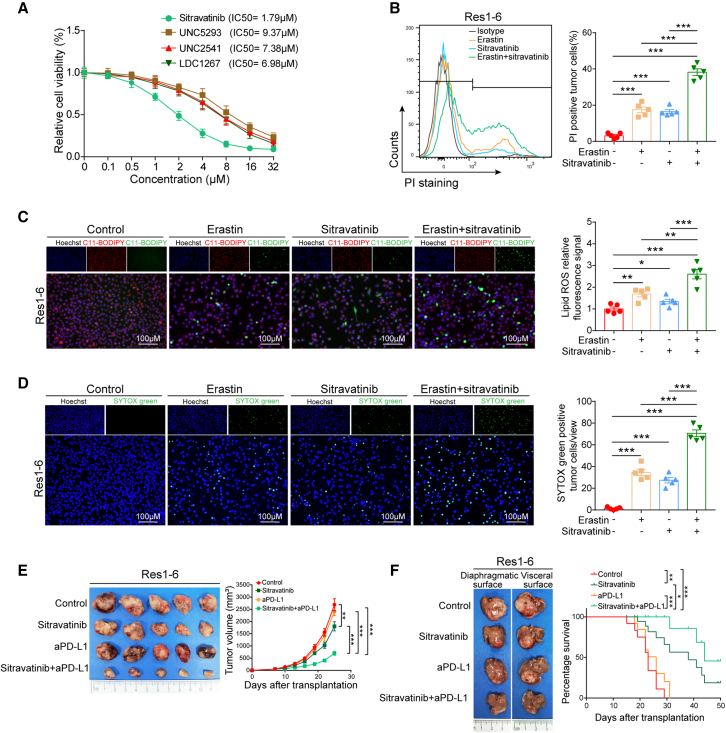
Immune checkpoint inhibitors, particularly PD-1/PD-L1 blockades, have been approved for unresectable hepatocellular carcinoma (HCC). However, high resistance rates still limit their efficacy, highlighting the urgent need to understand the underlying mechanisms and develop strategies for overcoming the resistance. In this study, we demonstrate that HCC with high MER proto-oncogene tyrosine kinase (MerTK) expression exhibits anti-PD-1/PD-L1 resistance in two syngeneic mouse models and in patients who received anti-PD-1/PD-L1 therapy. Mechanistically, MerTK renders HCC resistant to anti-PD-1/PD-L1 by limiting ferroptosis with the upregulation of SLC7A11 via the ERK/SP1 pathway and facilitating the development of an immunosuppressive tumor microenvironment (TME) with the recruitment of myeloid-derived suppressor cells (MDSCs). Sitravatinib, an inhibitor of MerTK, sensitizes resistant HCC to anti-PD-L1 therapy by promoting tumor ferroptosis and decreasing MDSC infiltration into the TME. In conclusion, we find that MerTK could serve as a predictive biomarker for patient stratification and as a promising target to overcome anti-PD-1/PD-L1 resistance in HCC.
免疫检查点抑制剂,特别是 PD-1/PD-L1 阻断剂,已被批准用于不可切除的肝细胞癌(HCC)。然而,高耐药率仍然限制了它们的疗效,这凸显了迫切需要了解潜在的机制并制定克服耐药性的策略。在这项研究中,我们证明了高 MER 原癌基因酪氨酸激酶(MerTK)表达的 HCC 在两种同基因小鼠模型和接受抗 PD-1/PD-L1 治疗的患者中表现出抗 PD-1/PD-L1 耐药性。从机制上讲,MerTK 通过上调 SLC7A11 来限制铁死亡,从而通过 ERK/SP1 通路限制 HCC 对抗 PD-1/PD-L1 的耐药性,并通过招募髓样来源的抑制细胞(MDSCs)促进免疫抑制性肿瘤微环境(TME)的发展。MerTK 抑制剂 Sitravatinib 通过促进肿瘤铁死亡和减少 MDSC 浸润 TME 来使耐药性 HCC 对抗 PD-L1 治疗敏感。总之,我们发现 MerTK 可以作为预测生物标志物来分层患者,并作为克服 HCC 中抗 PD-1/PD-L1 耐药性的有前途的靶点。