Protein Quality Control and Diseases Laboratory, Zhejiang Provincial Key Laboratory of Medical Genetics, Key Laboratory of Laboratory Medicine, Ministry of Education, School of Laboratory Medicine and Life Sciences, Wenzhou Medical University, Wenzhou, Zhejiang, 325035, China.
Protein Quality Control and Diseases Laboratory, Zhejiang Provincial Key Laboratory of Medical Genetics, Key Laboratory of Laboratory Medicine, Ministry of Education, School of Laboratory Medicine and Life Sciences, Wenzhou Medical University, Wenzhou, Zhejiang, 325035, China; Key Laboratory of Diagnosis and Treatment of Severe Hepato-Pancreatic Diseases of Zhejiang Province, The First Affiliated Hospital of Wenzhou Medical University, Wenzhou, Zhejiang, 325000, China.
Redox Biol. 2022 Aug;54:102366. doi: 10.1016/j.redox.2022.102366. Epub 2022 Jun 16.
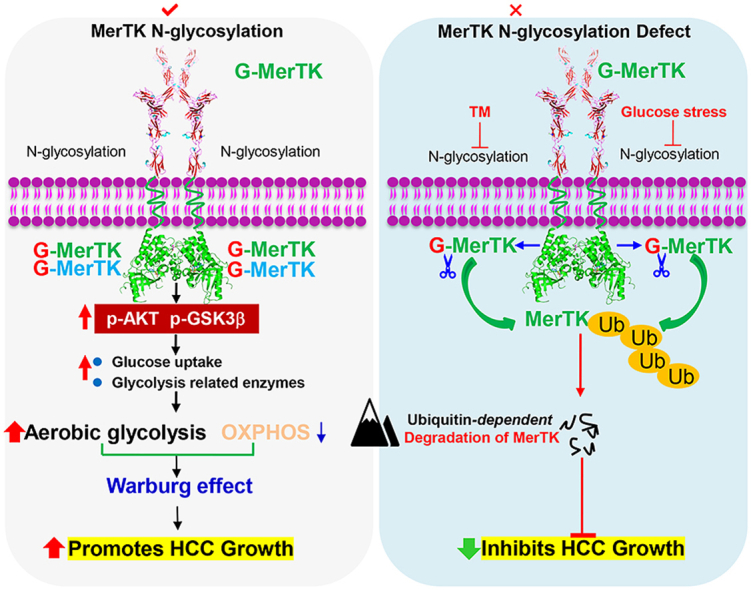
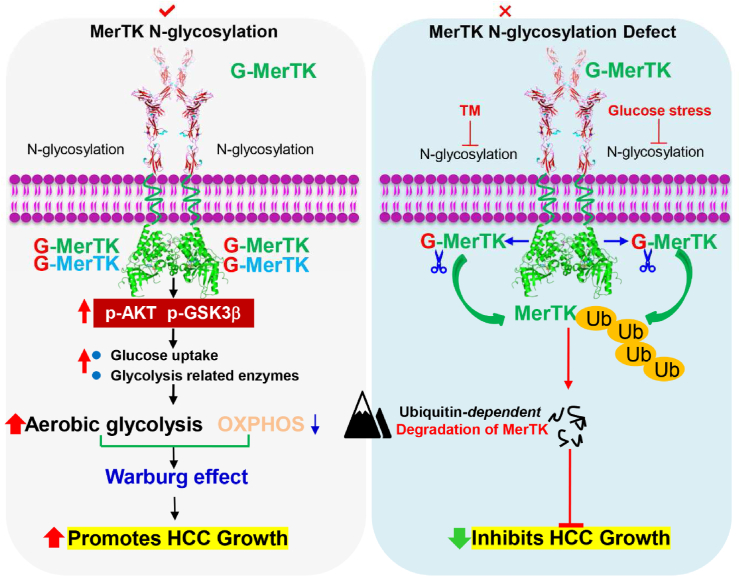
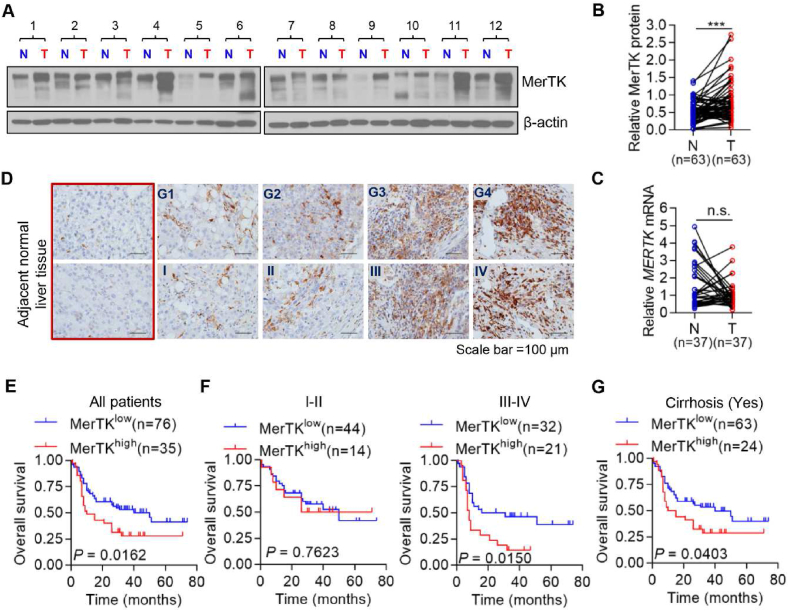
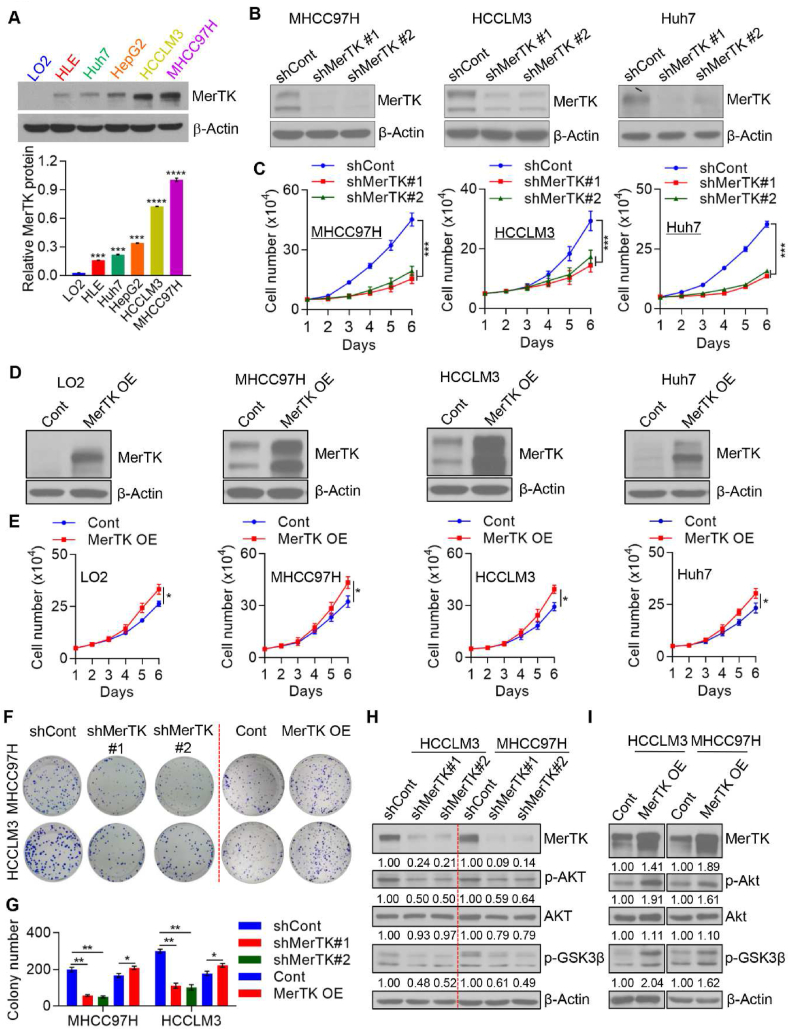
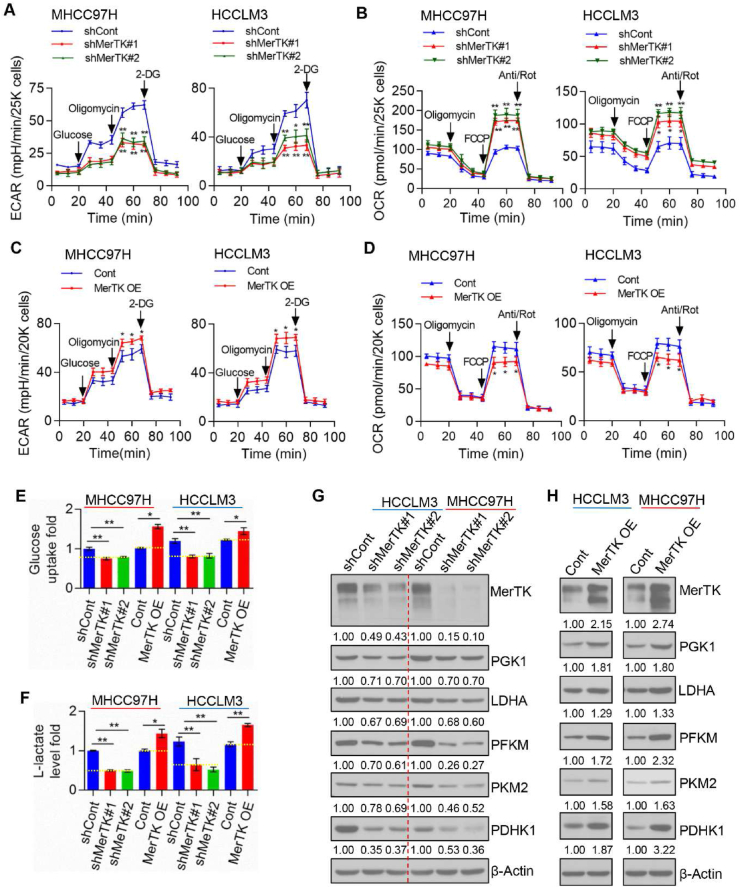
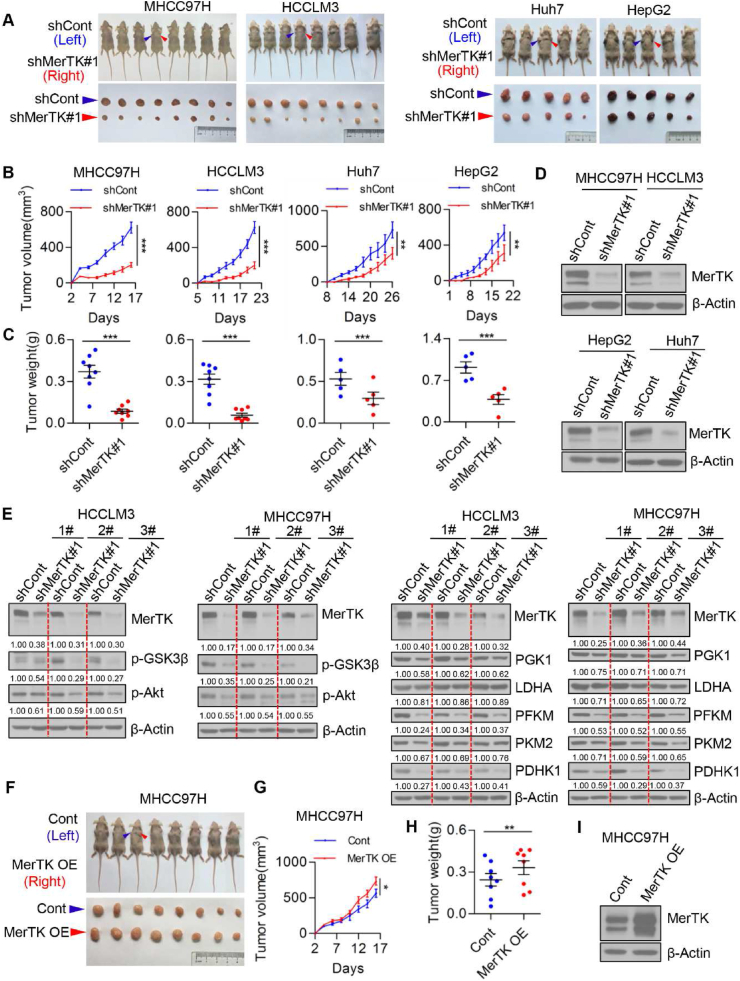
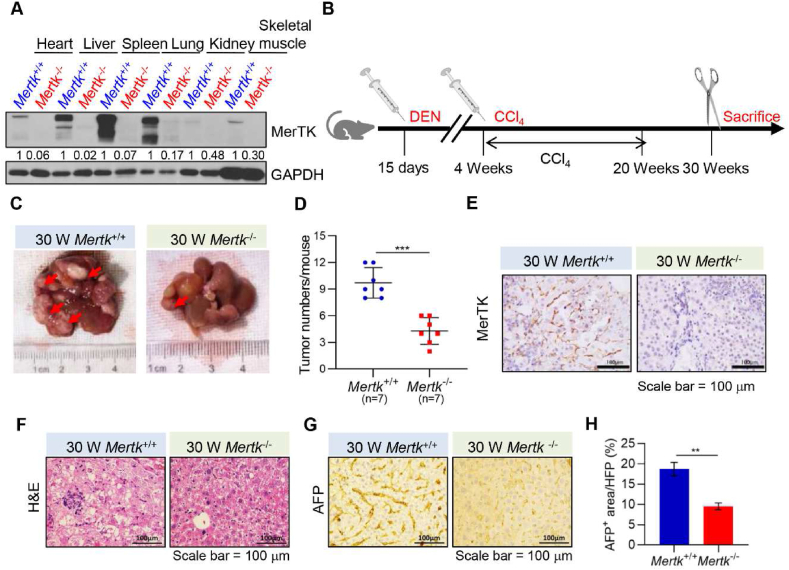
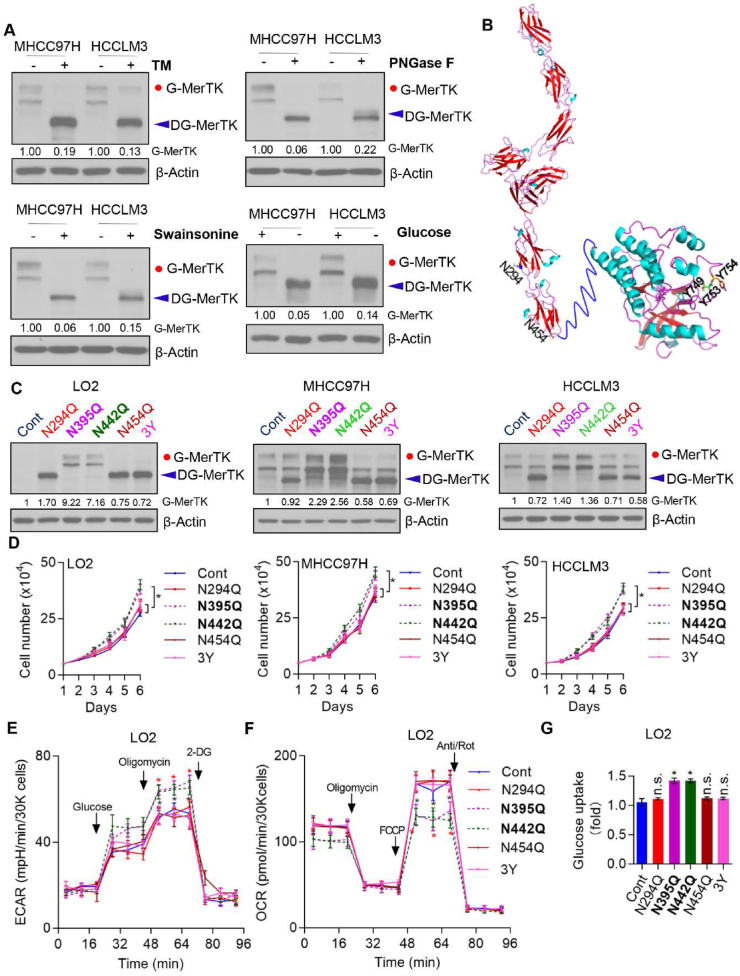
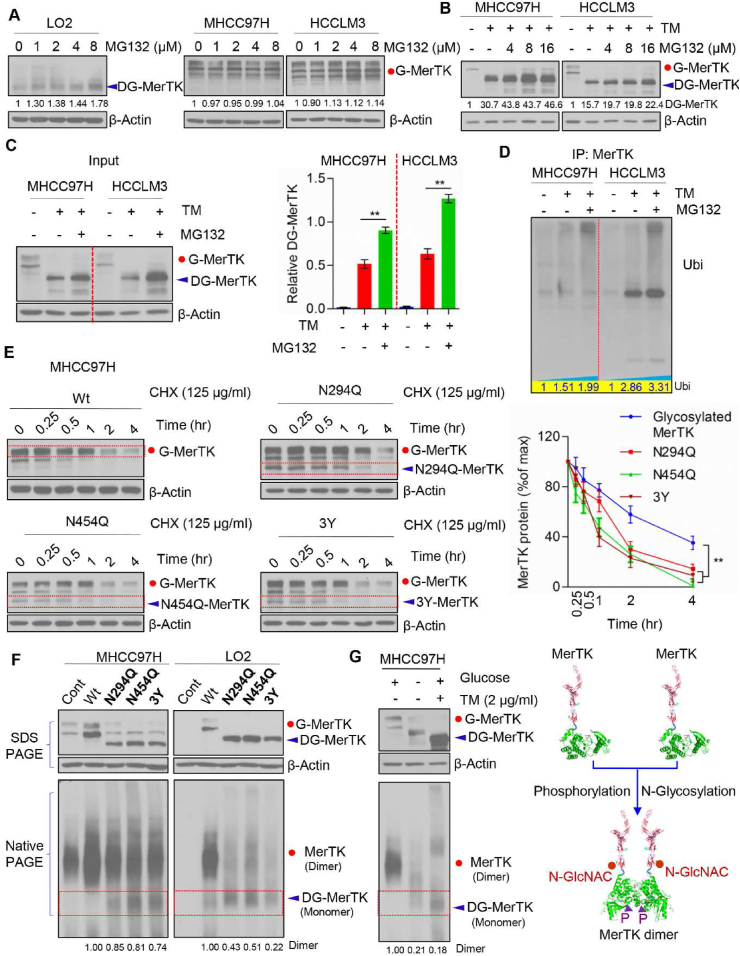
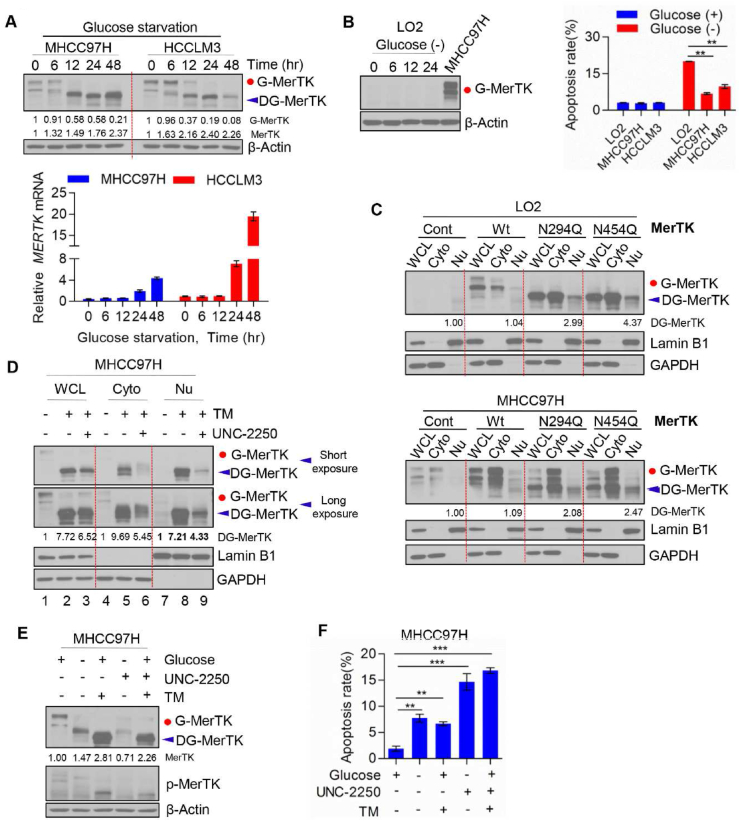
Despite the evidences of elevated expression of Mer tyrosine kinase (MerTK) in multiple human cancers, mechanisms underlying the oncogenic roles of MerTK in hepatocellular carcinoma (HCC) remains undefined. We explored the functional effects of MerTK and N-Glycosylated MerTK on HCC cell survival and tumor growth. Here, we show that MerTK ablation increases reactive oxygen species (ROS) production and promotes the switching from glycolytic metabolism to oxidative phosphorylation in HCC cells, thus suppressing HCC cell proliferation and tumor growth. MerTK is N-glycosylated in HCC cells at asparagine 294 and 454 that stabilizes MerTK to promote oncogenic transformation. Moreover, we observed that nuclear located non-glycosylated MerTK is indispensable for survival of HCC cells under stress. Pathologically, tissue microarray (TMA) data indicate that MerTK is a pivotal prognostic factor for HCC. Our data strongly support the roles of MerTK N-glycosylation in HCC tumorigenesis and suggesting N-glycosylation inhibition as a potential HCC therapeutic strategy.
尽管 Mer 酪氨酸激酶 (MerTK) 在多种人类癌症中的表达升高已有证据,但 MerTK 在肝细胞癌 (HCC) 中的致癌作用的机制仍未明确。我们探讨了 MerTK 和 N-糖基化 MerTK 对 HCC 细胞存活和肿瘤生长的功能影响。在这里,我们表明 MerTK 缺失会增加活性氧 (ROS) 的产生,并促进 HCC 细胞从糖酵解代谢向氧化磷酸化的转变,从而抑制 HCC 细胞的增殖和肿瘤生长。HCC 细胞中的 MerTK 在天冬酰胺 294 和 454 处发生 N-糖基化,从而稳定 MerTK 以促进致癌转化。此外,我们观察到核定位的非糖基化 MerTK 对于应激下 HCC 细胞的存活是必不可少的。在组织微阵列 (TMA) 数据中表明,MerTK 是 HCC 的关键预后因素。我们的数据强烈支持 MerTK N-糖基化在 HCC 肿瘤发生中的作用,并表明 N-糖基化抑制可能是一种潜在的 HCC 治疗策略。