Davis Anna E, Kennelley Gabrielle E, Amaye-Obu Tatiana, Jowdy Peter F, Ghadersohi Sarah, Nasir-Moin Mehr, Paragh Gyorgy, Berman Harvey A, Huss Wendy J
Jacobs School of Medicine and Biomedical Sciences, University at Buffalo, Buffalo, NY, USA.
Department of Dermatology, Roswell Park Comprehensive Cancer Center, Buffalo, NY, USA.
J Photochem Photobiol. 2024 Feb;19. doi: 10.1016/j.jpap.2023.100221. Epub 2023 Dec 5.
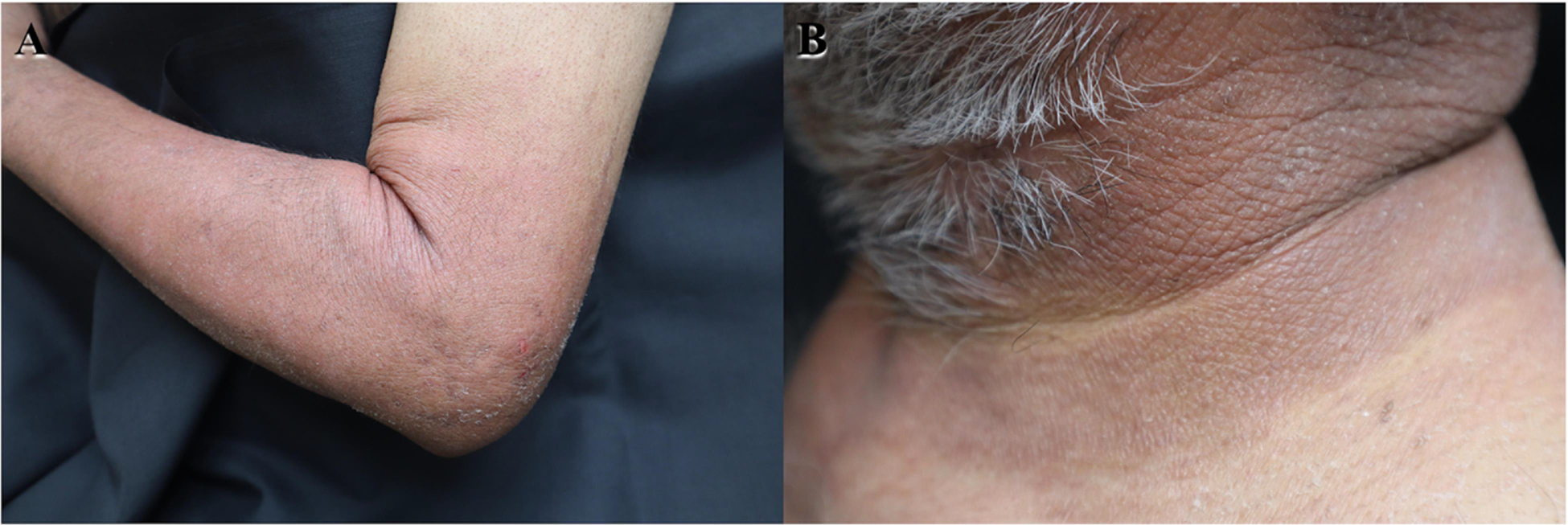
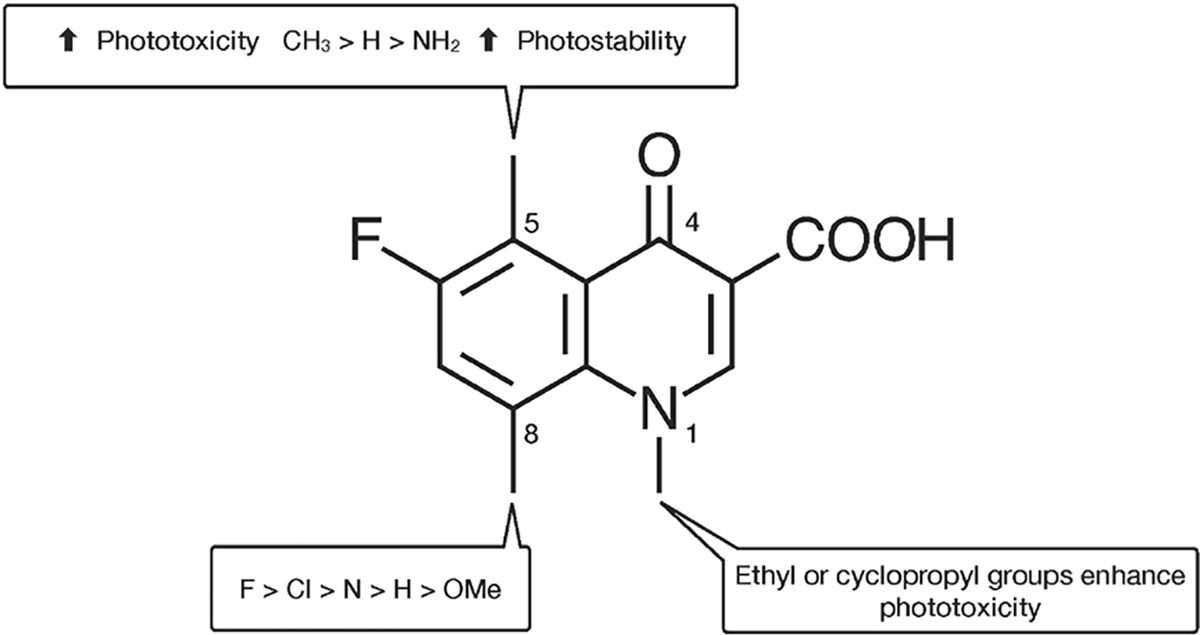
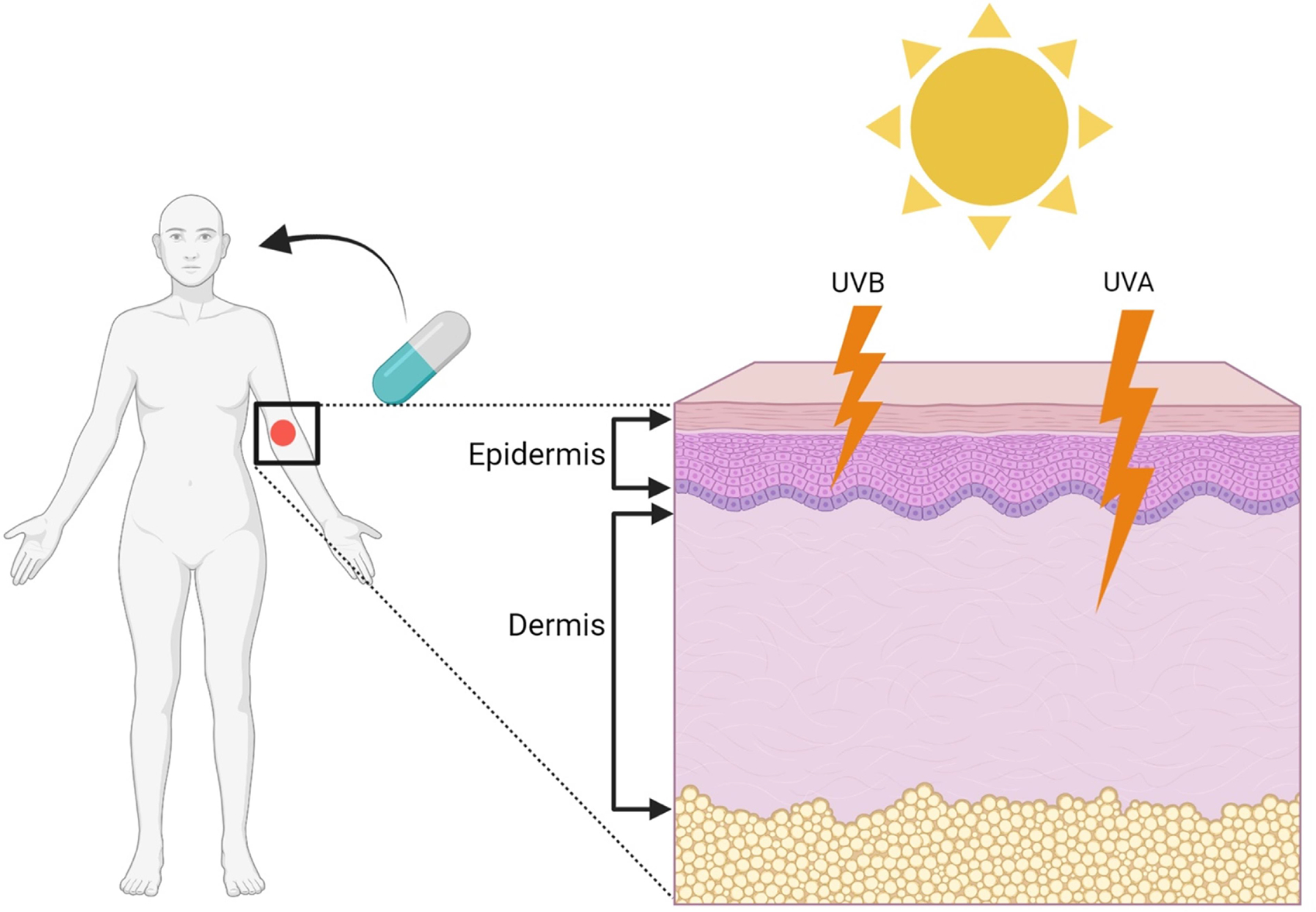
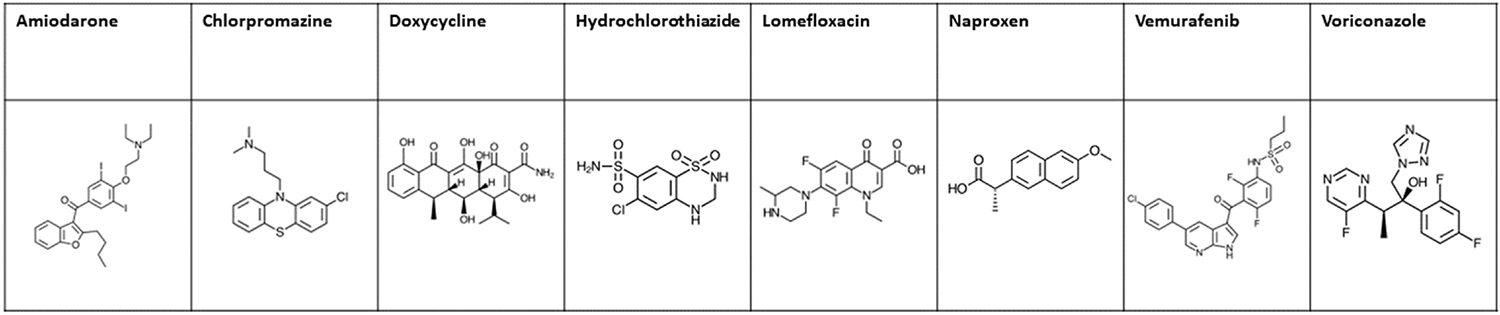
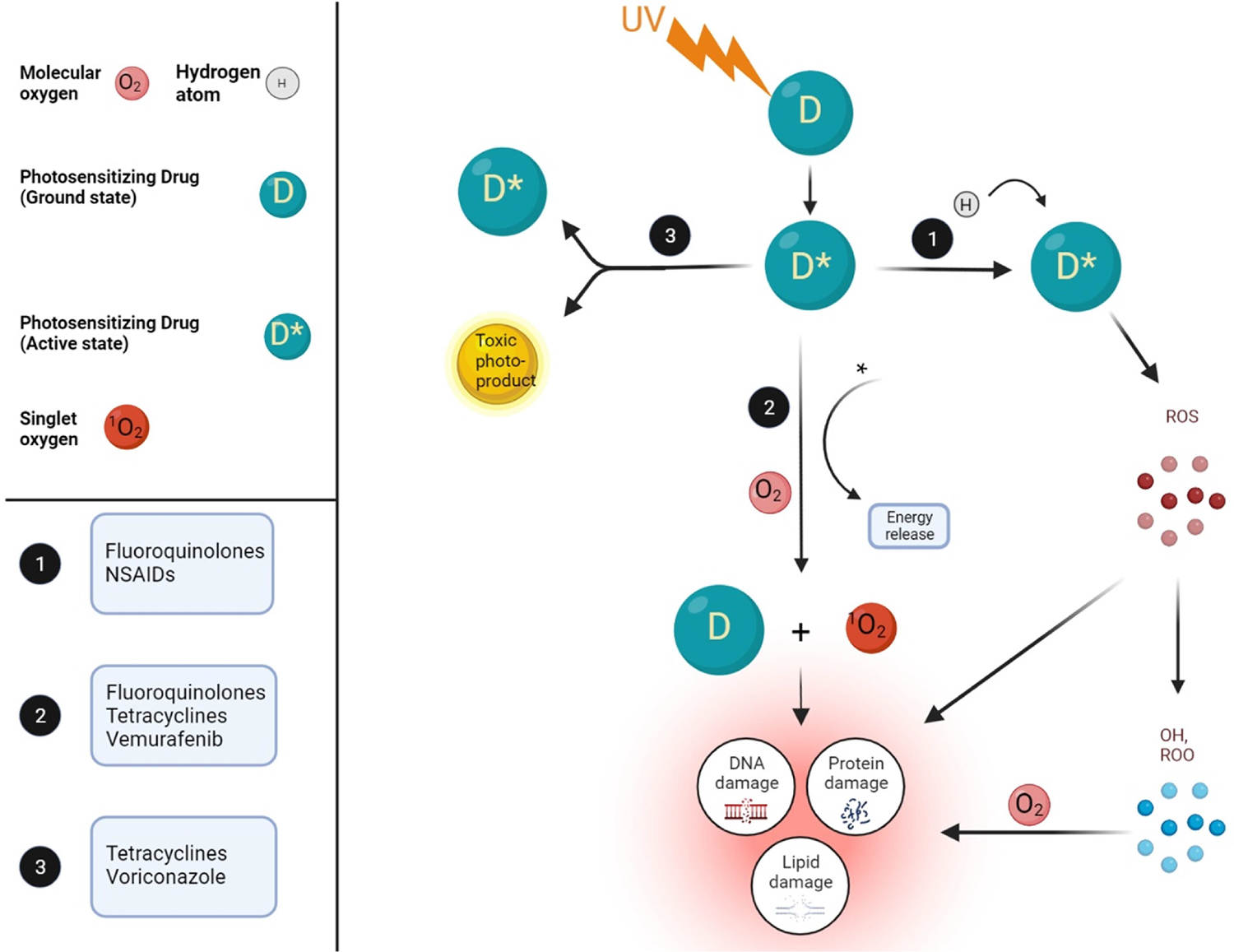
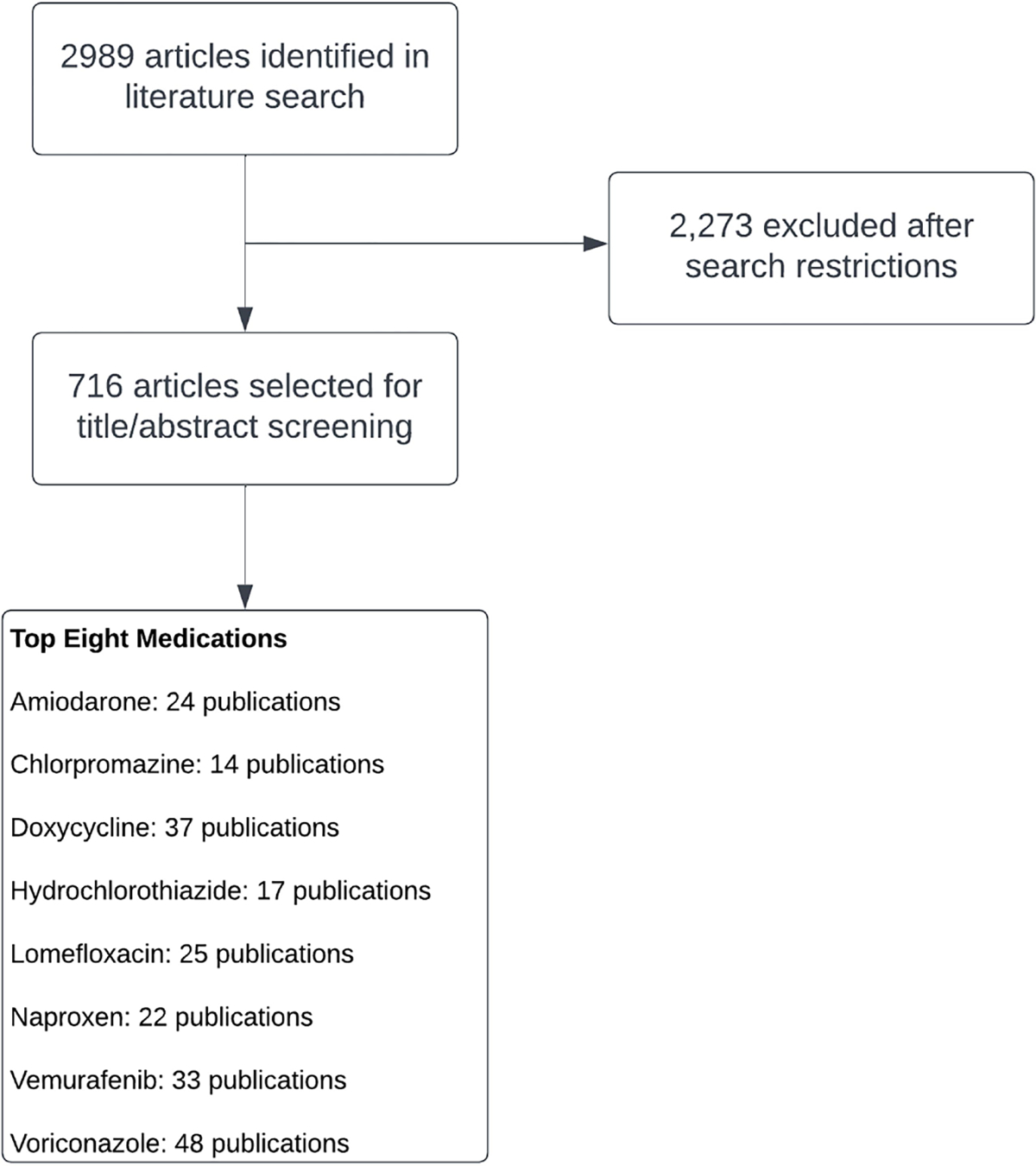
Photosensitivity to structurally diverse drugs is a common but under-reported adverse cutaneous reaction and can be classified as phototoxic or photoallergic. Phototoxic reactions occur when the skin is exposed to sunlight after administering topical or systemic medications that exhibit photosensitizing activity. These reactions depend on the dose of medication, degree of exposure to ultraviolet light, type of ultraviolet light, and sufficient skin distribution volume. Accurate prediction of the incidence and phototoxic response severity is challenging due to a paucity of literature, suggesting that phototoxicity may be more frequent than reported. This paper reports an extensive literature review on phototoxic drugs; the review employed pre-determined search criteria that included meta-analyses, systematic reviews, literature reviews, and case reports freely available in full text. Additional reports were identified from reference sections that contributed to the understanding of phototoxicity. The following drugs and/or drug classes are discussed: amiodarone, voriconazole, chlorpromazine, doxycycline, fluoroquinolones, hydrochlorothiazide, nonsteroidal anti-inflammatory drugs, and vemurafenib. In reviewing phototoxic skin reactions, this review highlights drug molecular structures, their reactive pathways, and, as there is a growing association between photosensitizing drugs and the increasing incidence of skin cancer, the consequential long-term implications of photocarcinogenesis.
对结构多样的药物产生光敏性是一种常见但报告不足的皮肤不良反应,可分为光毒性或光变应性。当皮肤在局部或全身使用具有光敏活性的药物后暴露于阳光下时,就会发生光毒性反应。这些反应取决于药物剂量、紫外线暴露程度、紫外线类型以及足够的皮肤分布量。由于文献匮乏,准确预测发病率和光毒性反应严重程度具有挑战性,这表明光毒性可能比报告的更为常见。本文报告了一项关于光毒性药物的广泛文献综述;该综述采用了预先确定的搜索标准,包括荟萃分析、系统评价、文献综述以及全文免费获取的病例报告。从参考文献部分中识别出了有助于理解光毒性的其他报告。讨论了以下药物和/或药物类别:胺碘酮、伏立康唑、氯丙嗪、多西环素、氟喹诺酮类、氢氯噻嗪、非甾体抗炎药和维莫非尼。在回顾光毒性皮肤反应时,本综述强调了药物分子结构、它们的反应途径,并且由于光敏药物与皮肤癌发病率增加之间的关联日益增多,还强调了光致癌作用的长期后果。