Welsh M J, Shasby D M, Husted R M
J Clin Invest. 1985 Sep;76(3):1155-68. doi: 10.1172/JCI112071.
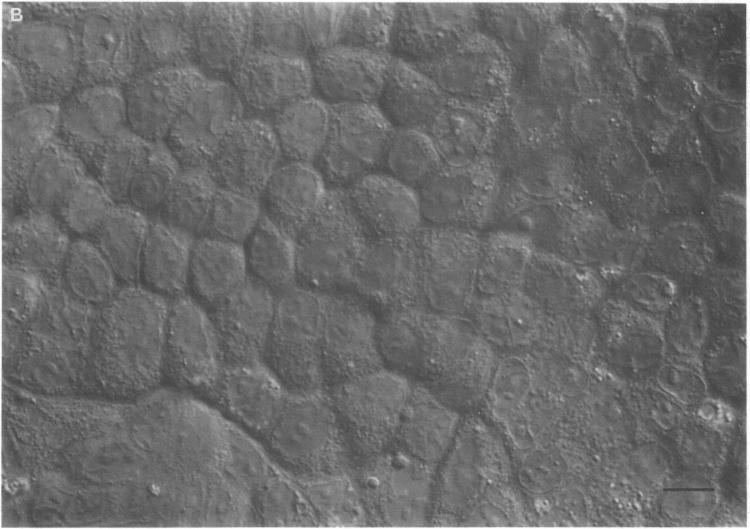
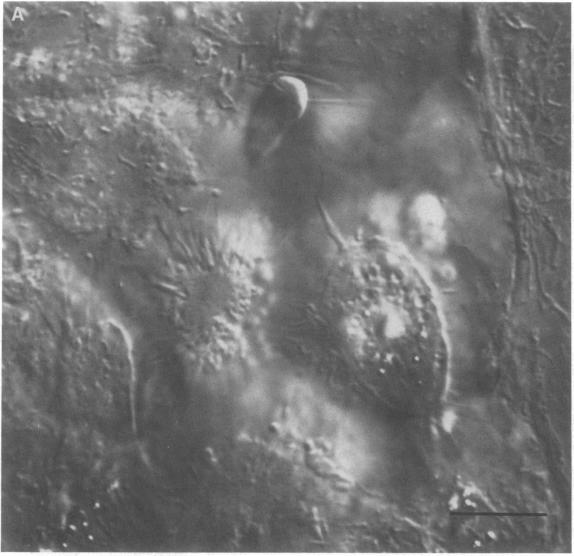
Inflammation of epithelia is an important step in the pathophysiology of a wide variety of diseases. Because reactive oxygen metabolites are important effector molecules of acute inflammation, we examined the effect of oxidants on the barrier function of a cultured epithelium, Madin Darby Canine Kidney cells, by measuring the transepithelial electrical conductance, Gt, of monolayers grown on permeable supports. We found that H2O2, added directly or generated with glucose oxidase, increased Gt. Similar effects were observed with addition of xanthine and xanthine oxidase, a system which enzymatically generates superoxide radical O2-. The oxidant-induced increase in Gt was reversible if the exposure to oxidants was not prolonged (less than 20 min), and if the concentration of H2O2 was less than 5 X 10(-3) M. The increase in Gt suggested that oxidants increase the permeability of the paracellular pathway, a suggestion supported by an oxidant-induced increase in the permeability to 14C-mannitol, which primarily crosses epithelia via the extracellular route. In addition to functional changes in the epithelial monolayer, oxidants changed the cell morphology; after H2O2 exposure, the cells tended to pull apart, most prominently at their basolateral surfaces. These changes were heterogeneous with most areas showing no changes. Some of the morphologic changes could be reversed if the exposure to H2O2 was limited. We also observed a disruption of the normal pattern of the actin-cytoskeleton, particularly in the area of cell to cell junctions, as demonstrated by fluorescent staining of f-actin with rhodamine phallicidin. These functional and structural findings indicate that oxidants increase the permeability of the paracellular pathway in a cultured epithelium. The changes can be reversible, and are accompanied by alterations in organization of the cell cytoskeleton. These studies demonstrate the dynamic nature of the interaction between epithelial cells and oxygen metabolites.
上皮细胞炎症是多种疾病病理生理学中的重要步骤。由于活性氧代谢产物是急性炎症的重要效应分子,我们通过测量生长在可渗透支持物上的单层细胞的跨上皮电阻抗(Gt),研究了氧化剂对培养的上皮细胞(Madin Darby犬肾细胞)屏障功能的影响。我们发现,直接添加或用葡萄糖氧化酶产生的过氧化氢(H2O2)会增加Gt。添加黄嘌呤和黄嘌呤氧化酶(一种酶促产生超氧阴离子O2-的系统)也观察到类似效果。如果暴露于氧化剂的时间不长(少于20分钟)且H2O2浓度低于5×10^(-3) M,氧化剂诱导的Gt增加是可逆的。Gt的增加表明氧化剂增加了细胞旁途径的通透性,这一推测得到了氧化剂诱导的对14C-甘露醇通透性增加的支持,14C-甘露醇主要通过细胞外途径穿过上皮细胞。除了上皮单层的功能变化外,氧化剂还改变了细胞形态;暴露于H2O2后,细胞倾向于分开,最明显的是在其基底外侧表面。这些变化是异质性的,大多数区域没有变化。如果对H2O2的暴露有限,一些形态学变化可以逆转。我们还观察到肌动蛋白细胞骨架的正常模式被破坏,特别是在细胞间连接区域,用罗丹明鬼笔环肽对f-肌动蛋白进行荧光染色证明了这一点。这些功能和结构发现表明,氧化剂增加了培养上皮细胞中细胞旁途径的通透性。这些变化可以是可逆的,并伴随着细胞细胞骨架组织的改变。这些研究证明了上皮细胞与氧代谢产物之间相互作用的动态性质。