Center for Translational Neurophysiology of Speech and Communication, Italian Institute of Technology, Ferrara, Italy.
Sezione di Fisiologia, Dipartimento di Neuroscienze e Riabilitazione, Università di Ferrara, Ferrara, Italy.
Sci Rep. 2024 Feb 26;14(1):4662. doi: 10.1038/s41598-024-51629-z.
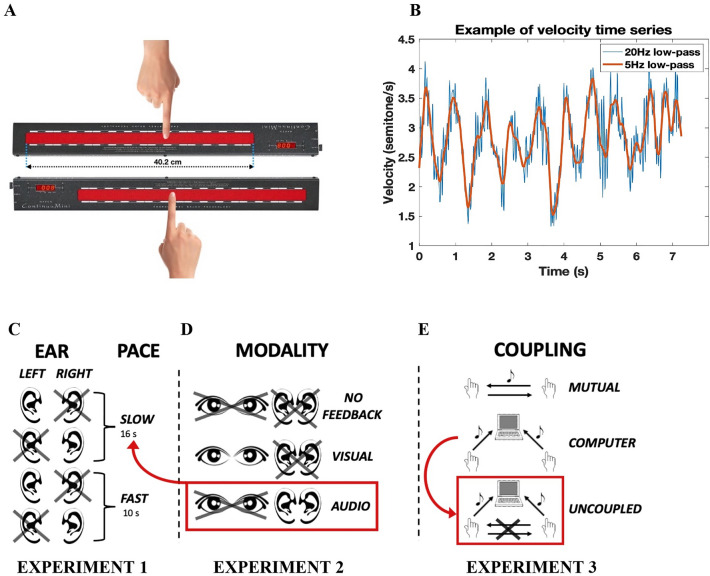
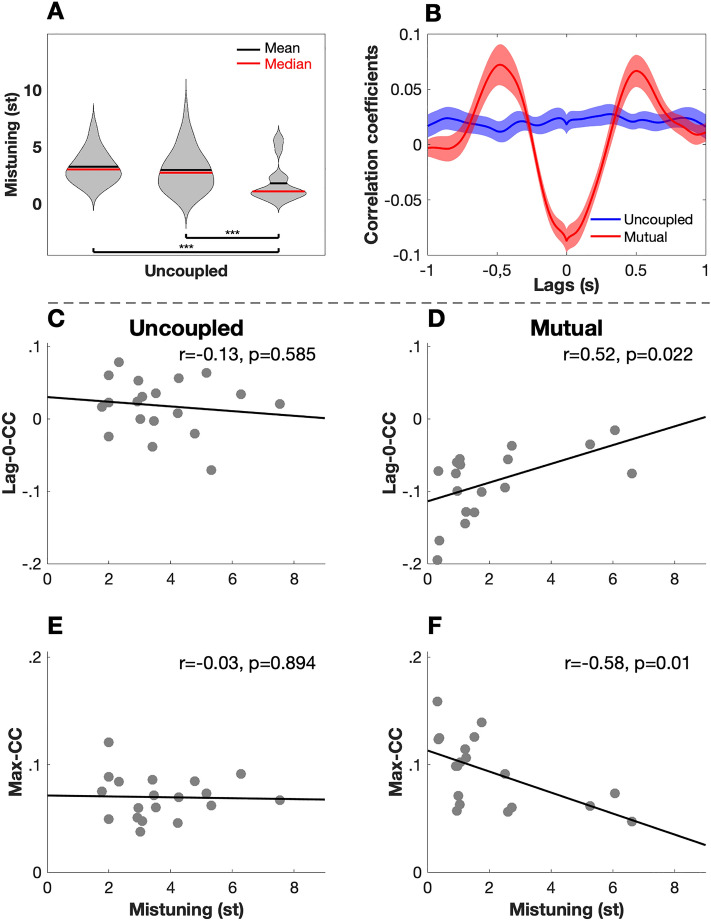
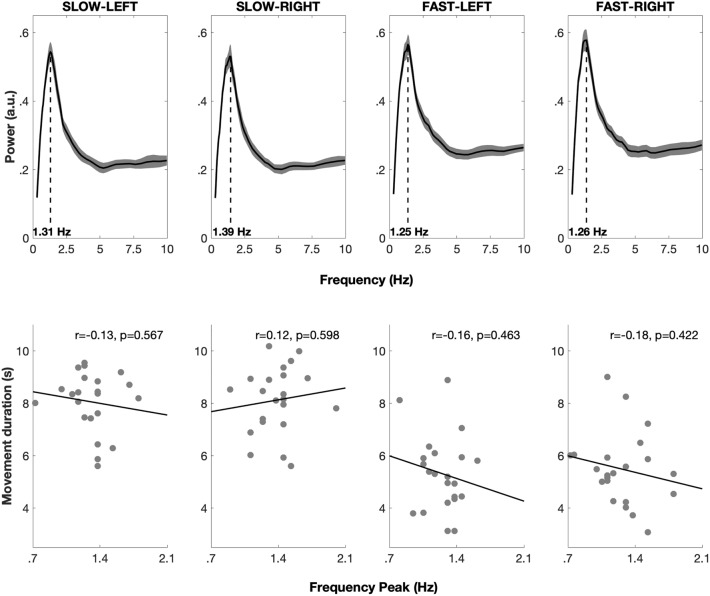
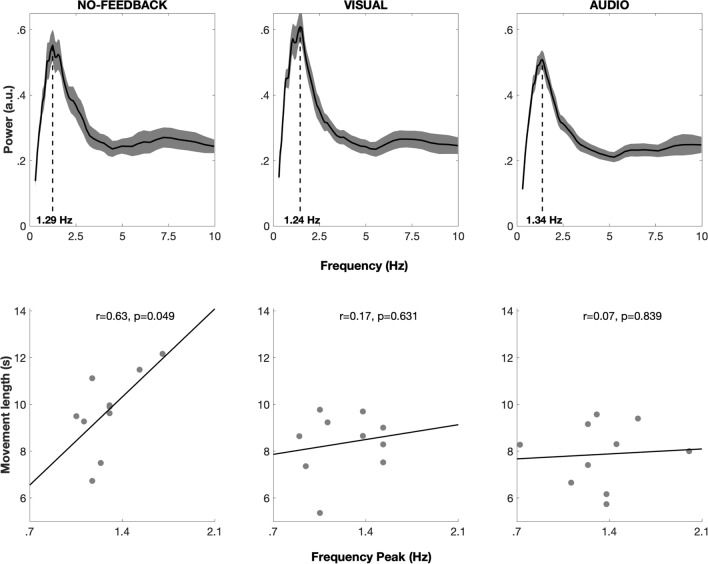
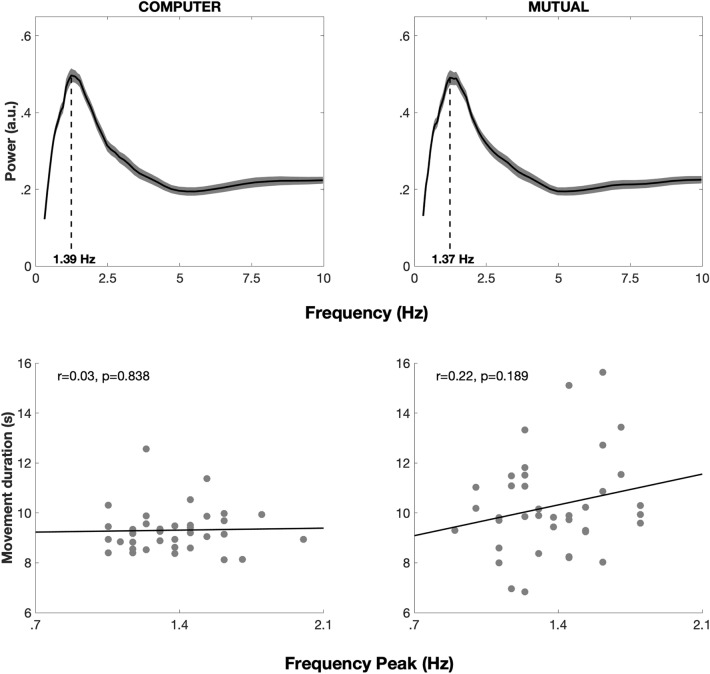
Acting in concert with others, a key aspect of our social life, requires behavioral coordination between persons on multiple timescales. When zooming in on the kinematic properties of movements, it appears that small speed fluctuations, called submovements, are embedded within otherwise smooth end-point trajectories. Submovements, by occurring at a faster timescale than that of movements, offer a novel window upon the functional relationship between distinct motor timescales. In this regard, it has previously been shown that when partners visually synchronize their movements, they also coordinate the timing of their submovement by following an alternated pattern. However, it remains unclear whether the mechanisms behind submovement coordination are domain-general or specific to the visual modality, and whether they have relevance for interpersonal coordination also at the scale of whole movements. In a series of solo and dyadic tasks, we show that submovements are also present and coordinated across partners when sensorimotor interactions are mediated by auditory feedback only. Importantly, the accuracy of task-instructed interpersonal coordination at the movement level correlates with the strength of submovement coordination. These results demonstrate that submovement coordination is a potentially fundamental mechanism that participates in interpersonal motor coordination regardless of the sensory domain mediating the interaction.
与他人协同行动是我们社会生活的一个关键方面,需要在多个时间尺度上协调人与人之间的行为。当我们关注运动的运动学特性时,会发现称为子运动(submovement)的小速度波动嵌入在其他平滑的端点轨迹中。子运动(submovement)以比运动更快的时间尺度发生,为不同运动时间尺度之间的功能关系提供了一个新的窗口。在这方面,先前已经表明,当参与者视觉上同步他们的运动时,他们也通过跟随交替模式来协调子运动(submovement)的时间。然而,目前尚不清楚子运动(submovement)协调背后的机制是普遍适用的还是特定于视觉模态的,以及它们是否与整个运动层面的人际协调也有关。在一系列单人任务和双人任务中,我们表明,当仅通过听觉反馈介导感觉运动相互作用时,子运动(submovement)也会在伙伴之间出现并协调。重要的是,任务指令人际协调在运动层面上的准确性与子运动(submovement)协调的强度相关。这些结果表明,子运动(submovement)协调是一种潜在的基本机制,它参与人际运动协调,而不论介导相互作用的感觉域如何。