Department of Global Innovative Drugs, The Graduate School of Chung-Ang University, Seoul, Republic of Korea.
College of Pharmacy, Chung-Ang University, Seoul, Republic of Korea.
Int J Nanomedicine. 2024 Feb 23;19:1767-1807. doi: 10.2147/IJN.S439181. eCollection 2024.
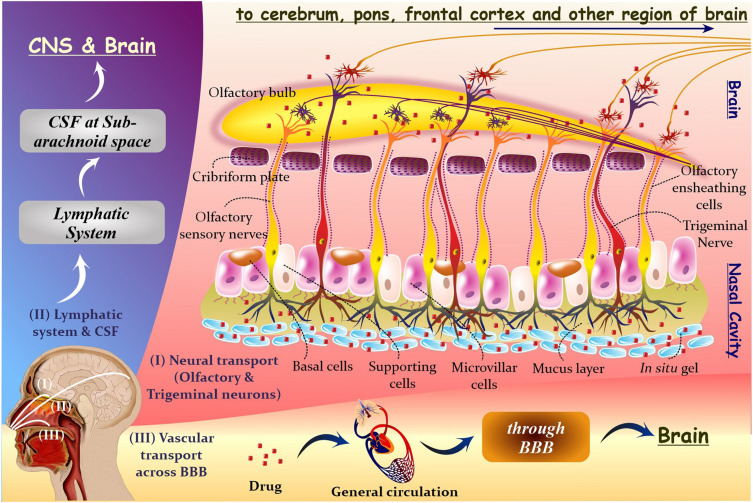
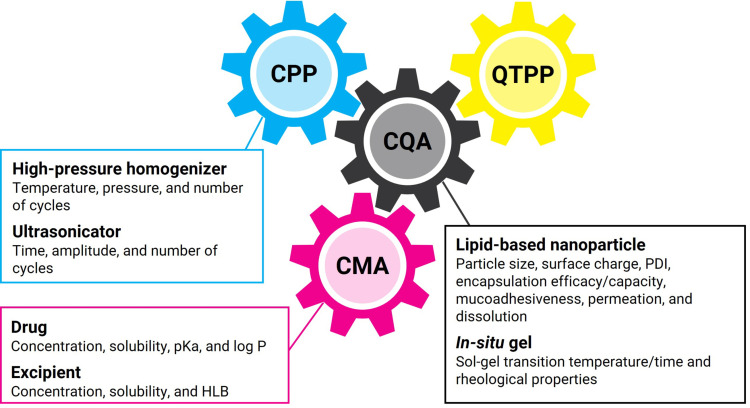
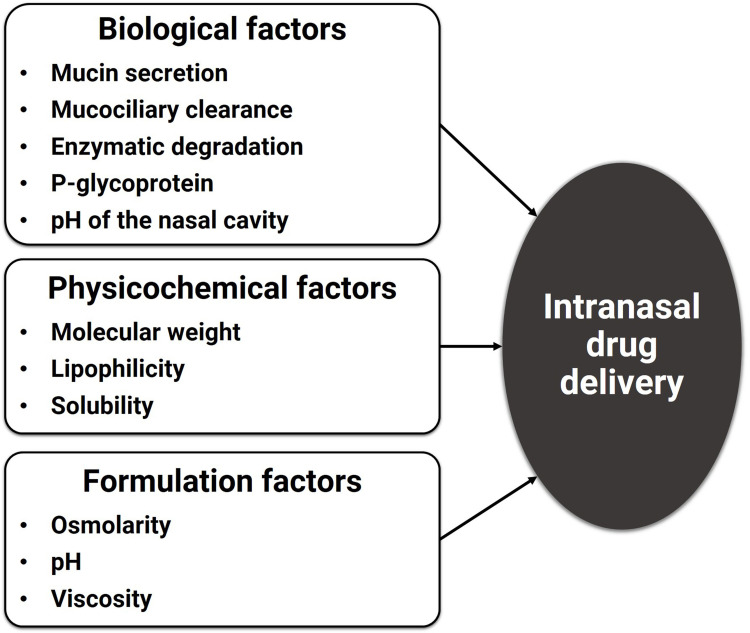
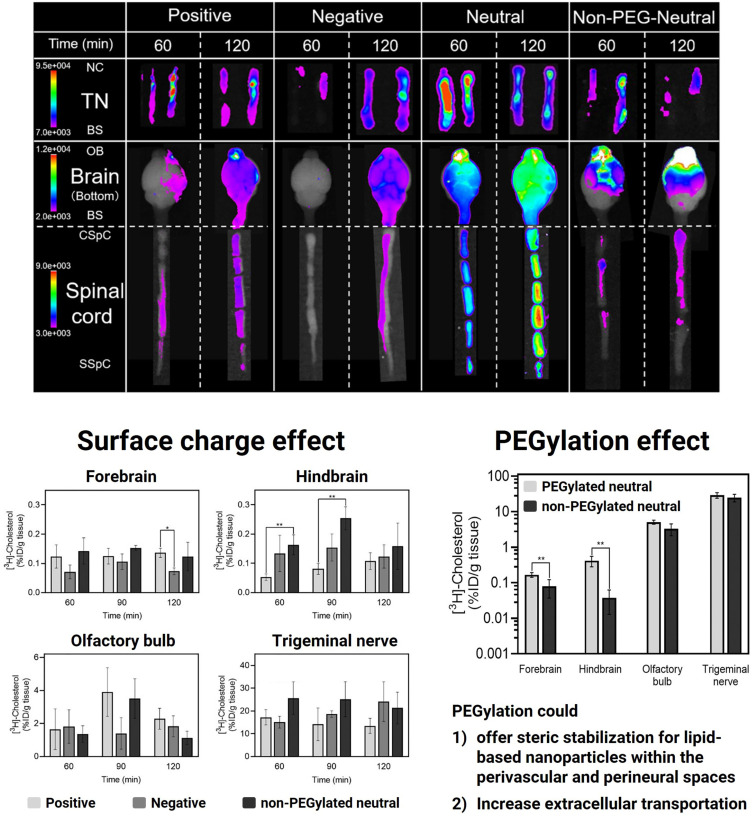
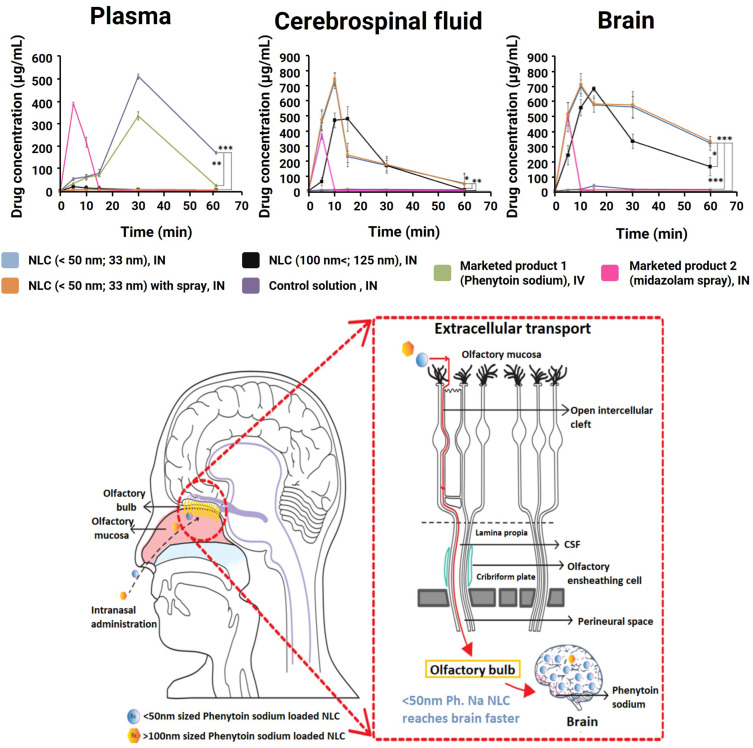
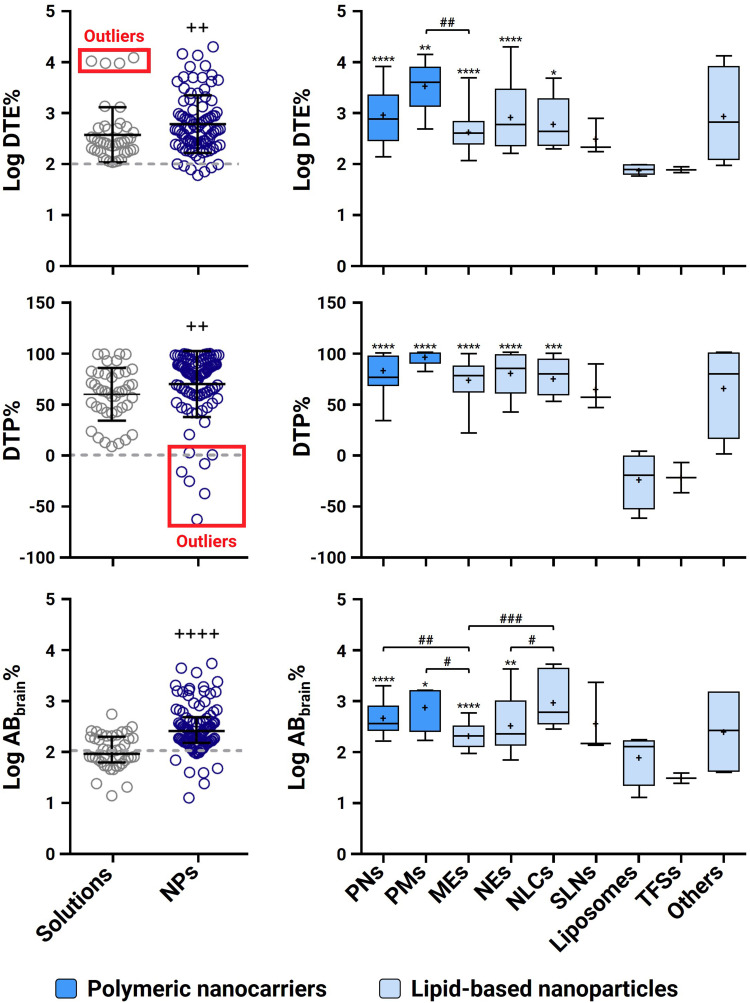
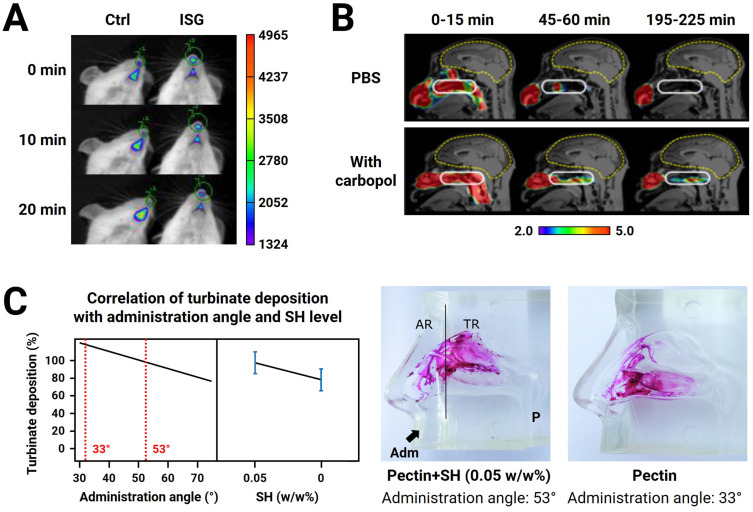
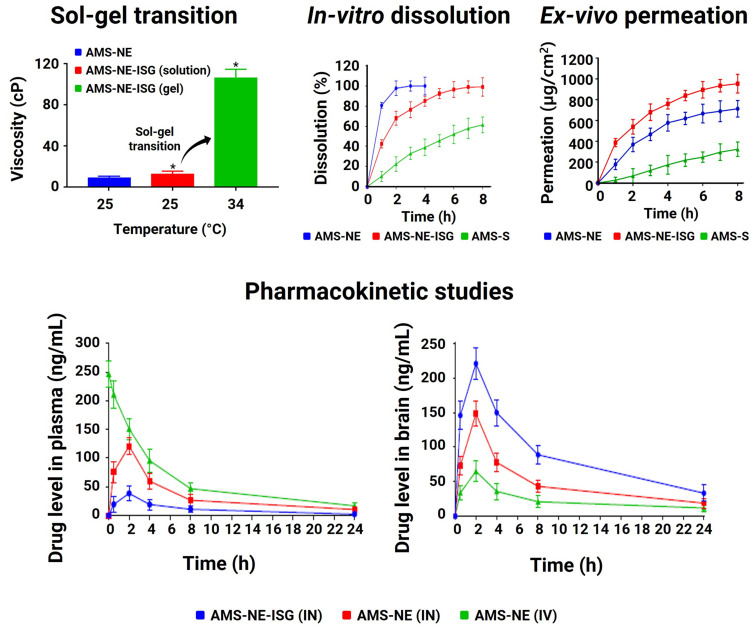
Addressing disorders related to the central nervous system (CNS) remains a complex challenge because of the presence of the blood-brain barrier (BBB), which restricts the entry of external substances into the brain tissue. Consequently, finding ways to overcome the limited therapeutic effect imposed by the BBB has become a central goal in advancing delivery systems targeted to the brain. In this context, the intranasal route has emerged as a promising solution for delivering treatments directly from the nose to the brain through the olfactory and trigeminal nerve pathways and thus, bypassing the BBB. The use of lipid-based nanoparticles, including nano/microemulsions, liposomes, solid lipid nanoparticles, and nanostructured lipid carriers, has shown promise in enhancing the efficiency of nose-to-brain delivery. These nanoparticles facilitate drug absorption from the nasal membrane. Additionally, the in situ gel (ISG) system has gained attention owing to its ability to extend the retention time of administered formulations within the nasal cavity. When combined with lipid-based nanoparticles, the ISG system creates a synergistic effect, further enhancing the overall effectiveness of brain-targeted delivery strategies. This comprehensive review provides a thorough investigation of intranasal administration. It delves into the strengths and limitations of this specific delivery route by considering the anatomical complexities and influential factors that play a role during dosing. Furthermore, this study introduces strategic approaches for incorporating nanoparticles and ISG delivery within the framework of intranasal applications. Finally, the review provides recent information on approved products and the clinical trial status of products related to intranasal administration, along with the inclusion of quality-by-design-related insights.
解决与中枢神经系统(CNS)相关的疾病仍然是一个复杂的挑战,因为存在血脑屏障(BBB),它限制了外部物质进入脑组织。因此,寻找克服 BBB 限制的治疗效果的方法已成为推进靶向大脑的递药系统的核心目标。在这种情况下,经鼻途径已成为一种有前途的解决方案,可以通过嗅觉和三叉神经途径将治疗物直接从鼻子递送到大脑,从而绕过 BBB。包括纳米/微乳液、脂质体、固体脂质纳米粒和纳米结构脂质载体在内的基于脂质的纳米粒已被证明可提高脑内递药效率。这些纳米粒有助于药物从鼻膜吸收。此外,原位凝胶(ISG)系统因其能够延长鼻腔内给药制剂的保留时间而受到关注。当与基于脂质的纳米粒结合使用时,ISG 系统会产生协同作用,进一步增强脑靶向递药策略的整体效果。本综述全面研究了经鼻给药。它通过考虑在给药过程中起作用的解剖复杂性和影响因素,深入探讨了这种特定递药途径的优缺点。此外,本研究还介绍了将纳米粒和 ISG 递药纳入经鼻应用框架的策略方法。最后,综述提供了有关经鼻给药的已批准产品和临床试验状态的最新信息,并包括与质量源于设计相关的见解。