Xi'an Key Laboratory of Cardiovascular and Cerebrovascular Diseases, Xi'an No.3 Hospital, The Affiliated Hospital of Northwest University, Northwest University, Xi'an, 710021, China.
Xi'an Key Laboratory of Innovative Drug Research for Heart Failure, Faculty of Life Sciences and Medicine, Northwest University, 229 Taibai North Road, Xi'an, 710069, China.
Signal Transduct Target Ther. 2024 Mar 1;9(1):50. doi: 10.1038/s41392-024-01756-w.
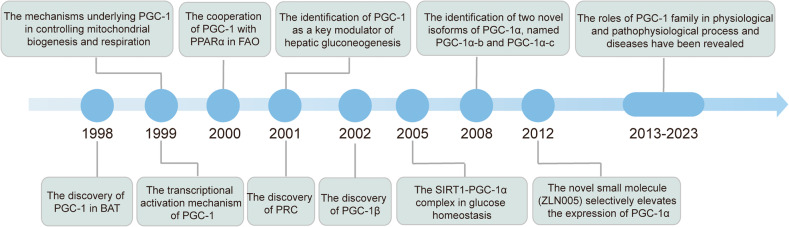
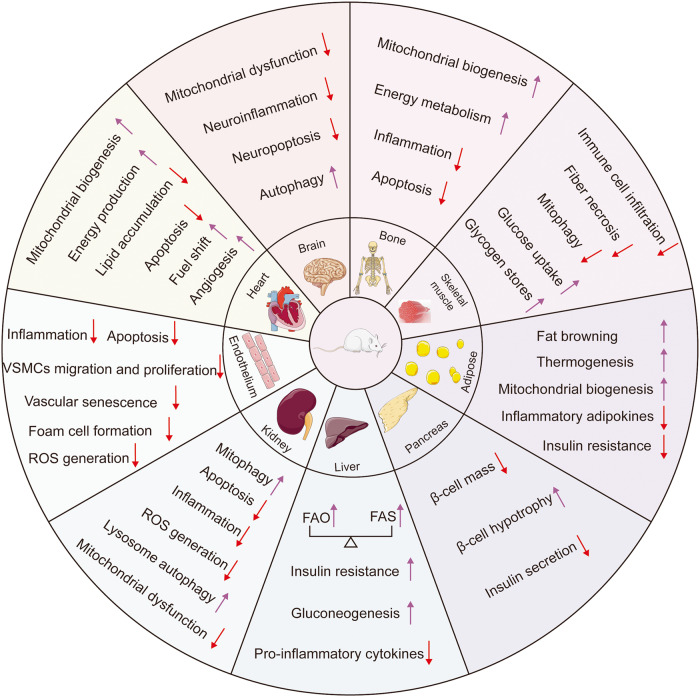
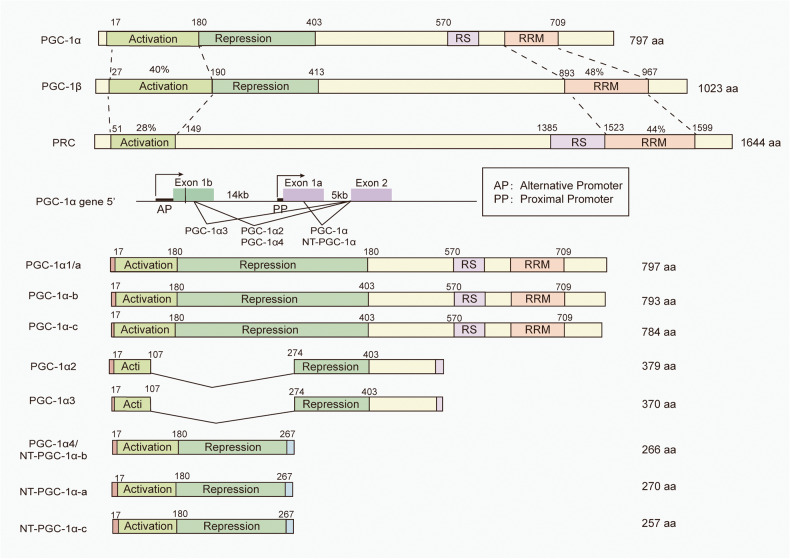
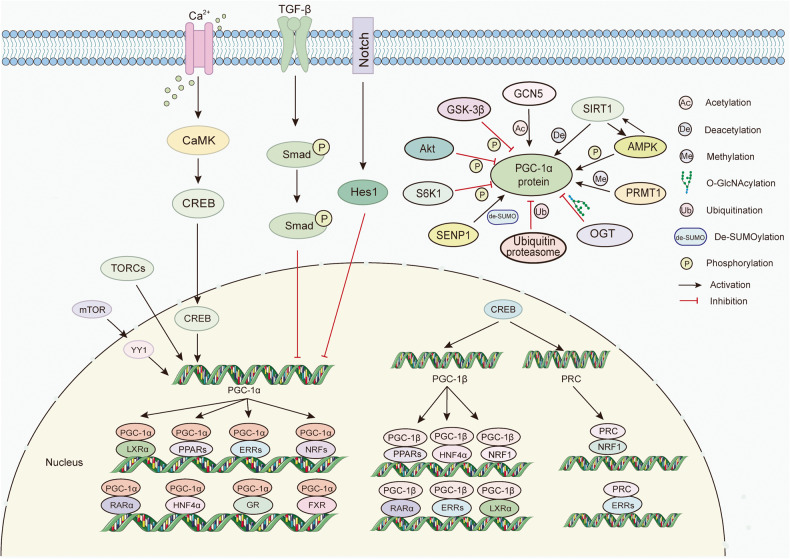
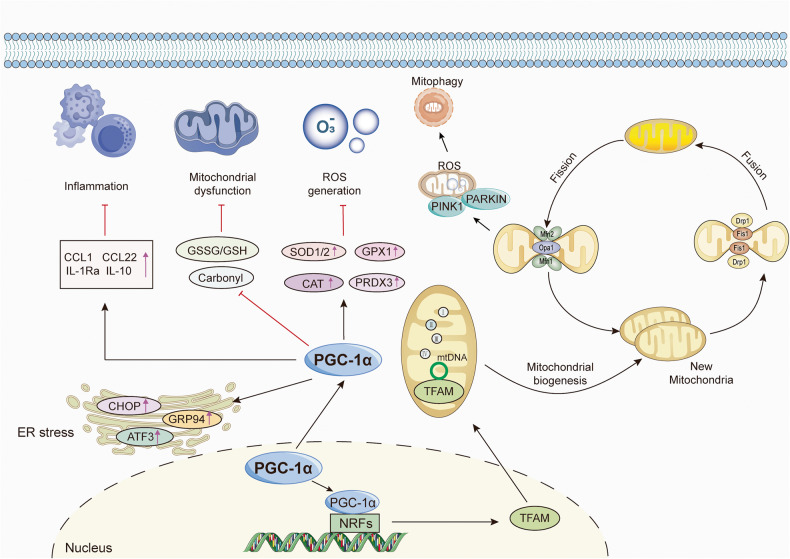
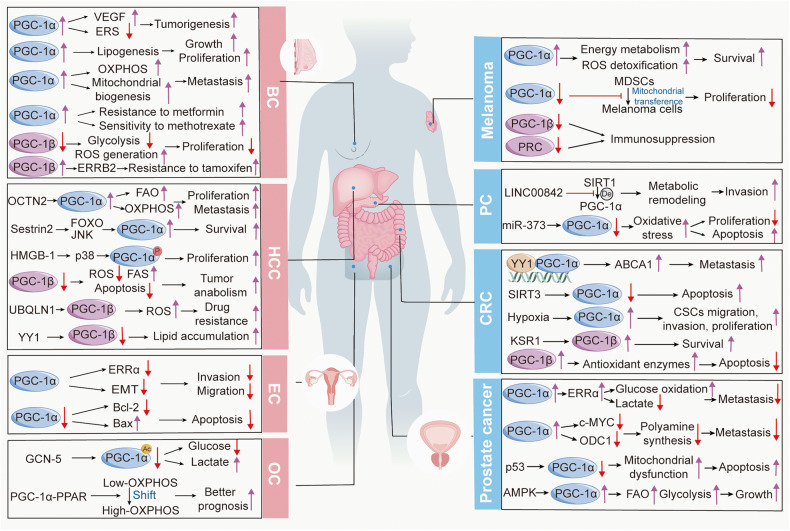
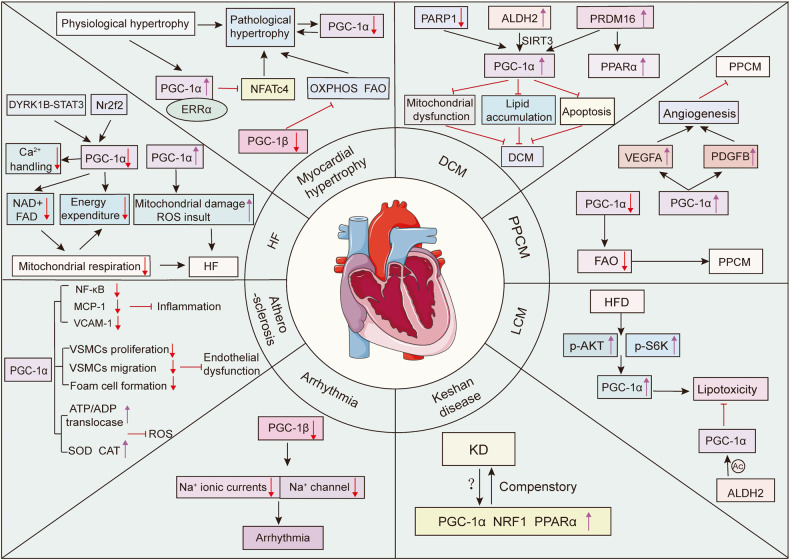
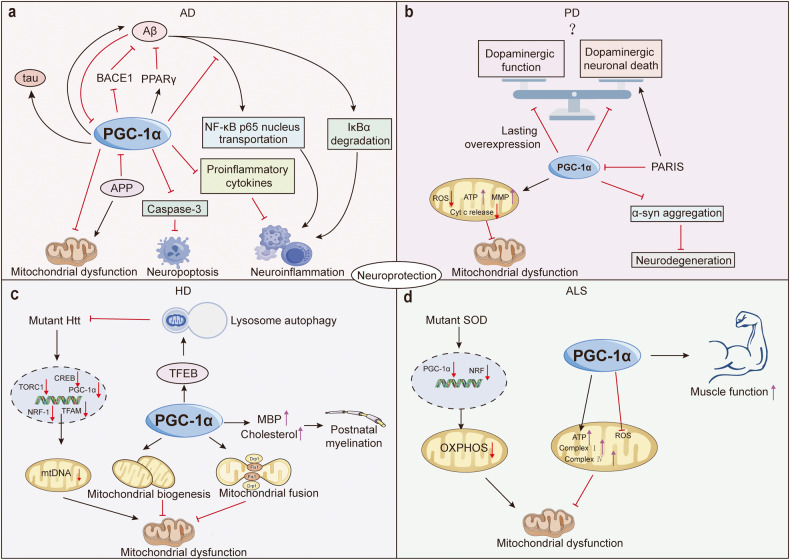
Peroxisome proliferator-activated receptor gamma coactivator-1 (PGC-1) family (PGC-1s), consisting of three members encompassing PGC-1α, PGC-1β, and PGC-1-related coactivator (PRC), was discovered more than a quarter-century ago. PGC-1s are essential coordinators of many vital cellular events, including mitochondrial functions, oxidative stress, endoplasmic reticulum homeostasis, and inflammation. Accumulating evidence has shown that PGC-1s are implicated in many diseases, such as cancers, cardiac diseases and cardiovascular diseases, neurological disorders, kidney diseases, motor system diseases, and metabolic disorders. Examining the upstream modulators and co-activated partners of PGC-1s and identifying critical biological events modulated by downstream effectors of PGC-1s contribute to the presentation of the elaborate network of PGC-1s. Furthermore, discussing the correlation between PGC-1s and diseases as well as summarizing the therapy targeting PGC-1s helps make individualized and precise intervention methods. In this review, we summarize basic knowledge regarding the PGC-1s family as well as the molecular regulatory network, discuss the physio-pathological roles of PGC-1s in human diseases, review the application of PGC-1s, including the diagnostic and prognostic value of PGC-1s and several therapies in pre-clinical studies, and suggest several directions for future investigations. This review presents the immense potential of targeting PGC-1s in the treatment of diseases and hopefully facilitates the promotion of PGC-1s as new therapeutic targets.
过氧化物酶体增殖物激活受体γ共激活因子-1(PGC-1)家族(PGC-1s)由三个成员组成,包括 PGC-1α、PGC-1β 和 PGC-1 相关共激活因子(PRC),它是在四分之一个多世纪前被发现的。PGC-1s 是许多重要细胞事件的重要协调者,包括线粒体功能、氧化应激、内质网稳态和炎症。越来越多的证据表明,PGC-1s 与许多疾病有关,如癌症、心脏病和心血管疾病、神经紊乱、肾脏疾病、运动系统疾病和代谢紊乱。研究 PGC-1s 的上游调节剂和共激活伙伴,并确定 PGC-1s 下游效应物调节的关键生物学事件,有助于呈现 PGC-1s 的精细网络。此外,讨论 PGC-1s 与疾病之间的相关性,并总结针对 PGC-1s 的治疗方法有助于制定个体化和精确的干预方法。在这篇综述中,我们总结了 PGC-1s 家族的基本知识以及分子调控网络,讨论了 PGC-1s 在人类疾病中的生理病理作用,综述了 PGC-1s 的应用,包括 PGC-1s 的诊断和预后价值以及几种临床前研究中的治疗方法,并提出了未来研究的几个方向。这篇综述展示了靶向 PGC-1s 治疗疾病的巨大潜力,并有望促进 PGC-1s 作为新的治疗靶点的发展。