Glotzbach Kristin, Faissner Andreas
Department of Cell Morphology and Molecular Neurobiology, Faculty of Biology and Biotechnology, Ruhr University Bochum, Bochum, Germany.
Front Cell Neurosci. 2024 Feb 14;18:1357499. doi: 10.3389/fncel.2024.1357499. eCollection 2024.
The lack of regenerative capacity of the central nervous system is one of the major challenges nowadays. The knowledge of guidance cues that trigger differentiation, proliferation, and migration of neural stem and progenitor cells is one key element in regenerative medicine. The extracellular matrix protein tenascin-C (Tnc) is a promising candidate to regulate cell fate due to its expression in the developing central nervous system and in the adult neural stem cell niches. Of special interest are the alternatively spliced fibronectin type III (FnIII) domains of Tnc whose combinatorial diversity could theoretically generate up to 64 isoforms in the mouse. A total of 27 isoforms have already been discovered in the developing brain, among others the domain combinations A1D, CD, and A124BCD.
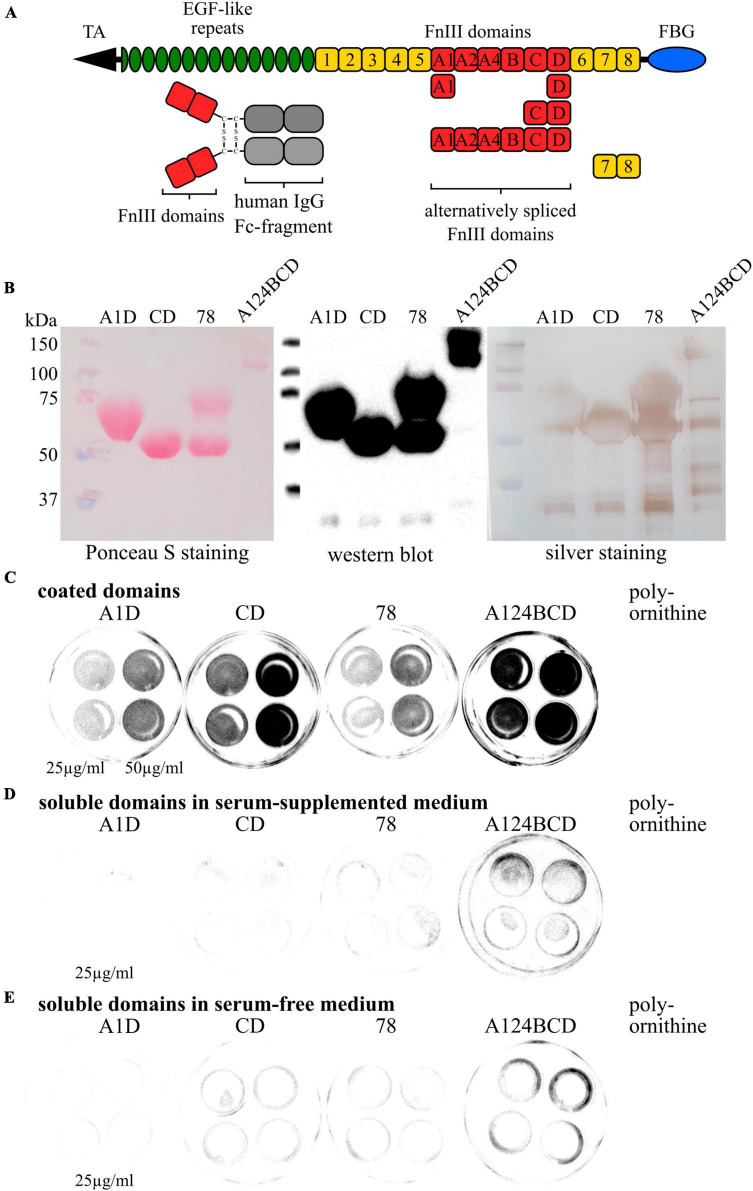
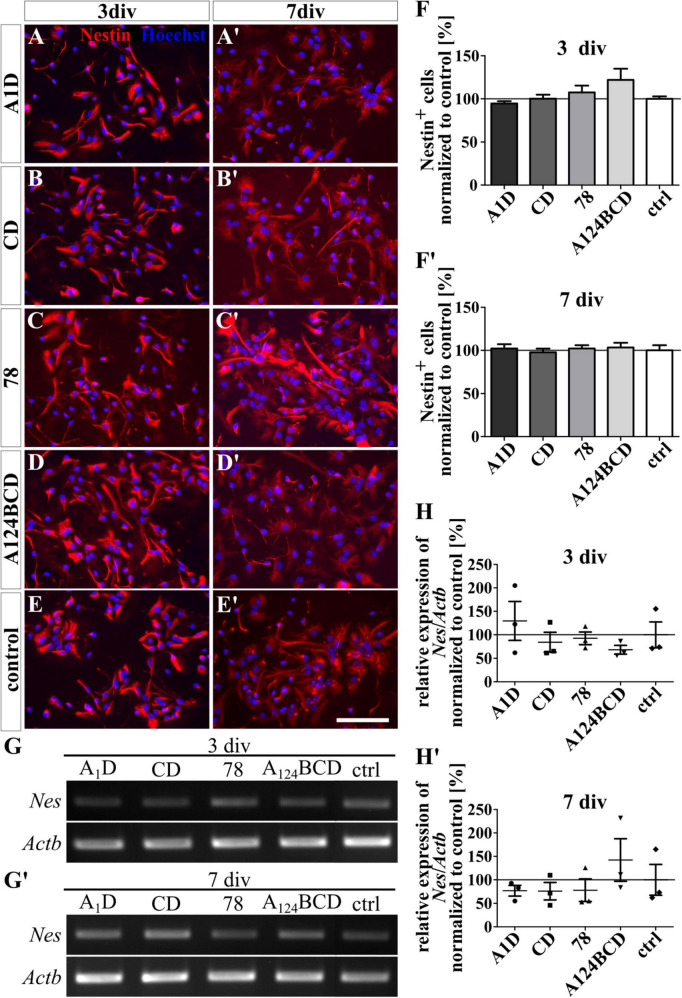
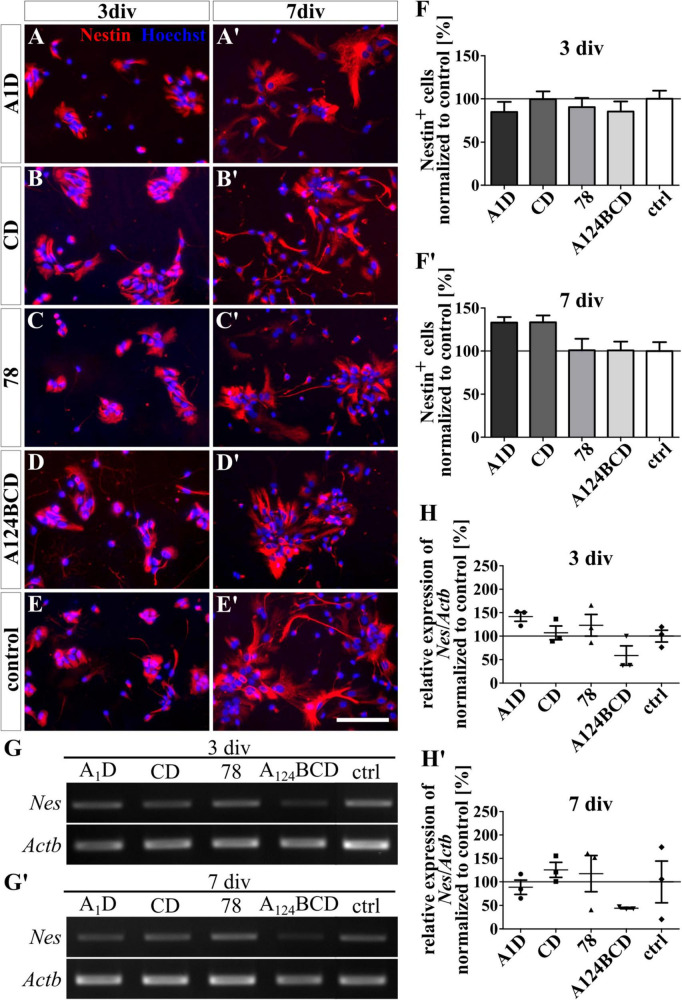
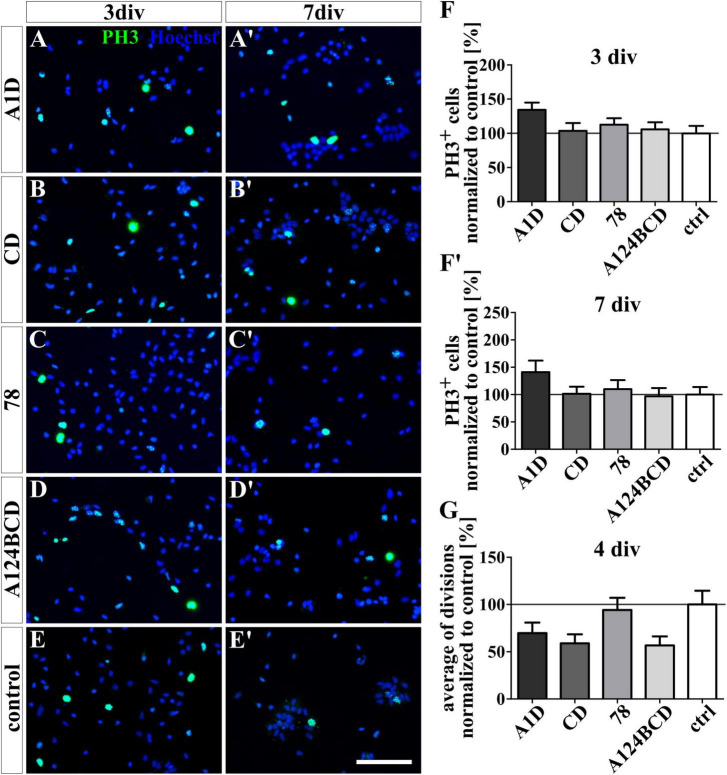
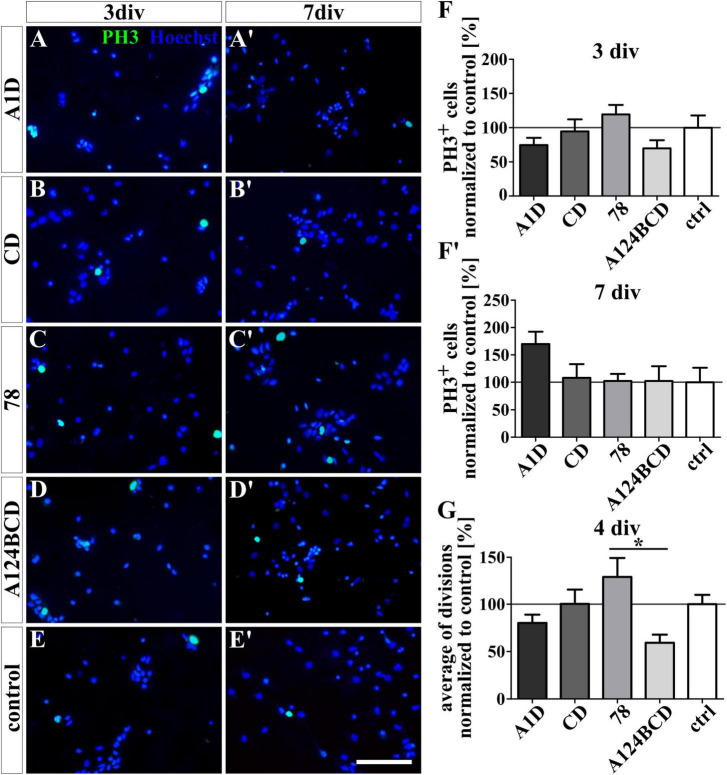
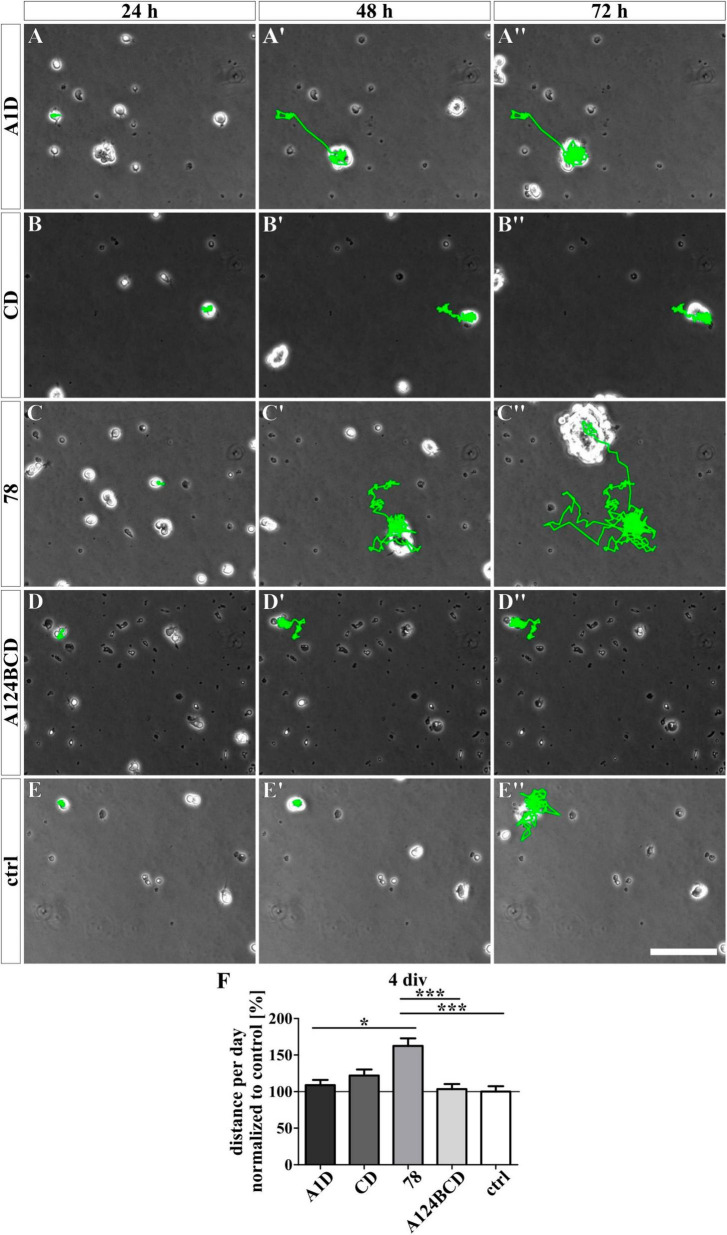
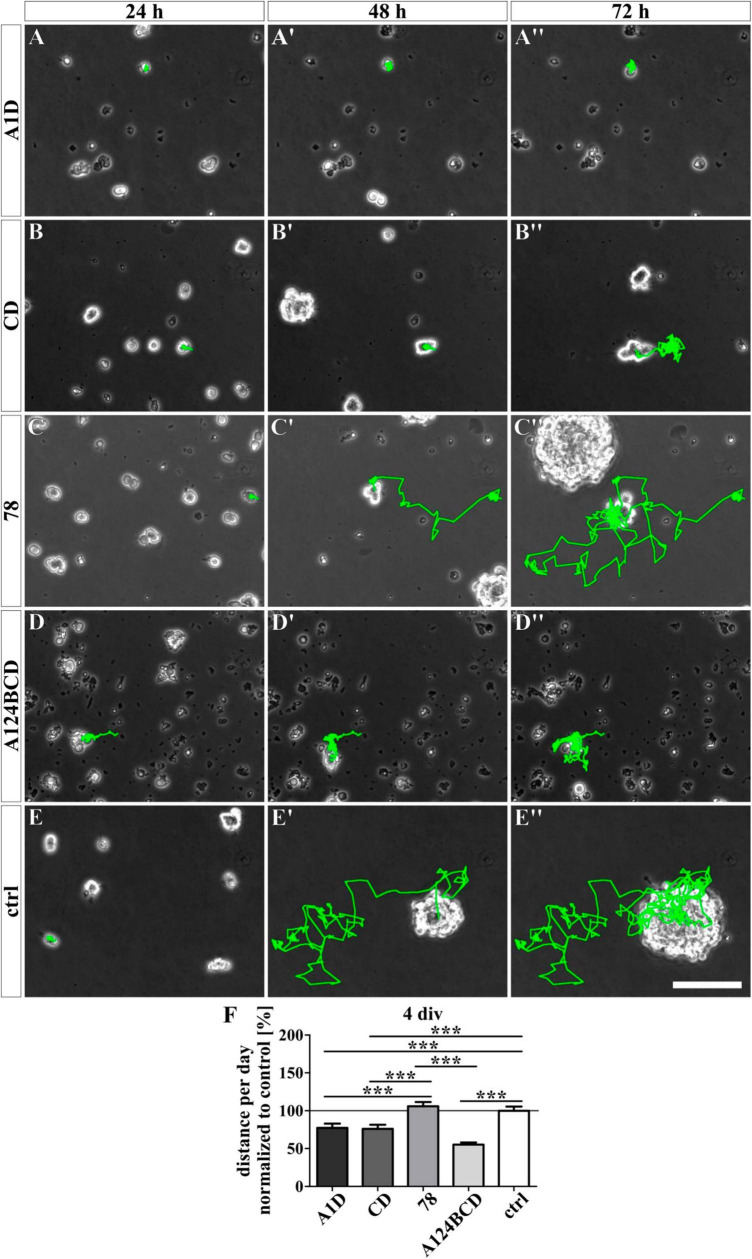
In the present study, these domains as well as the combination of the constitutively expressed FnIII domains 7 and 8 (78) were expressed in Chinese hamster ovary cells as pseudo-antibodies fused to the Fc-fragment of a human immunoglobulin G antibody. The fusion proteins were presented to primary mouse neural stem/progenitor cells (NSPCs) grown as neurospheres, either as coated culture substrates or as soluble additives . The influence of the domains on the differentiation, proliferation and migration of NSPCs was analyzed.
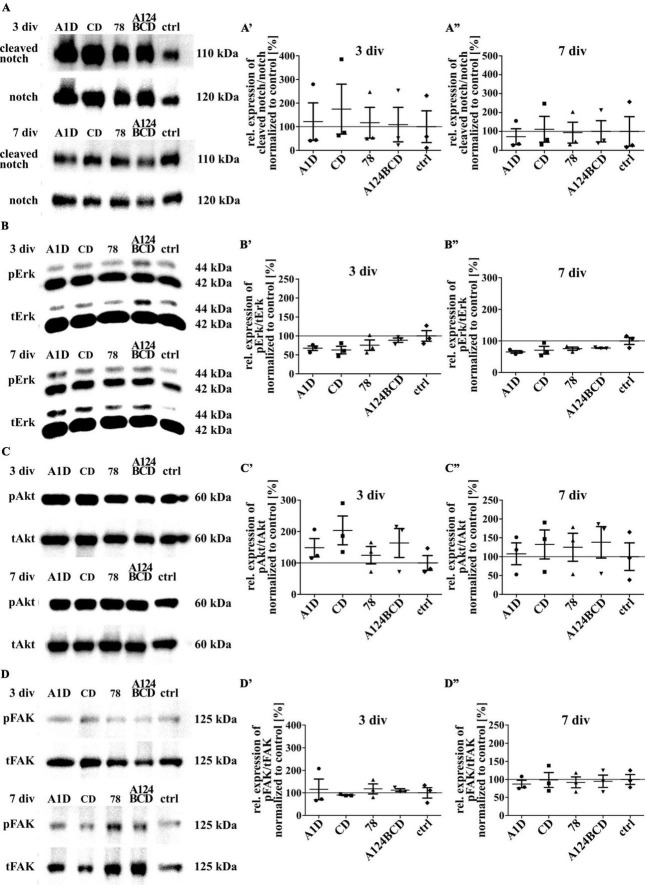
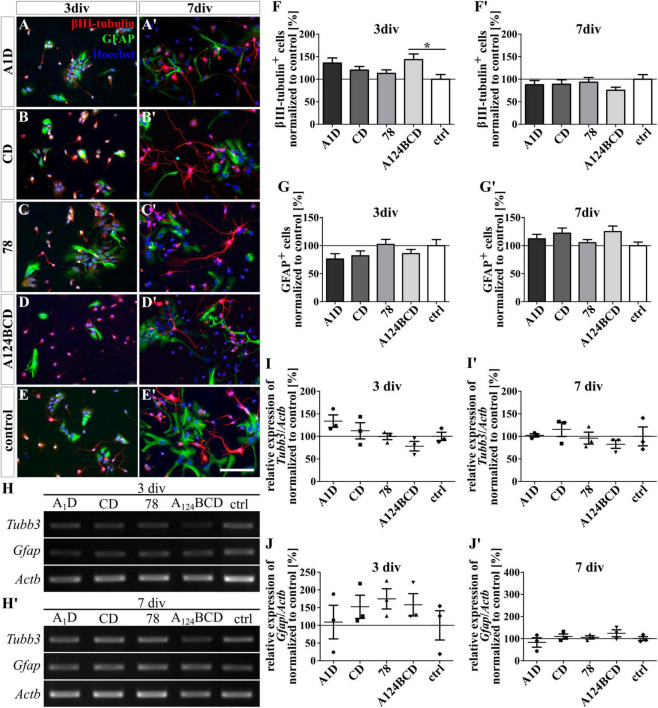
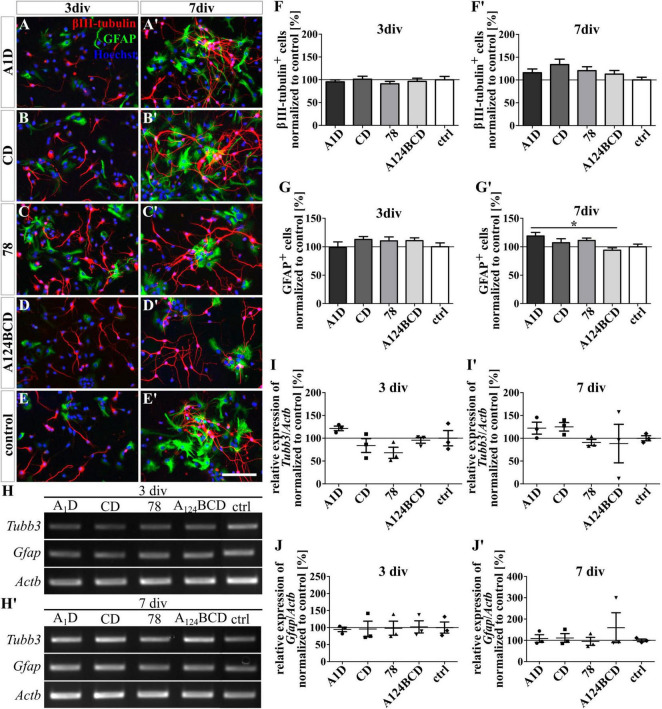
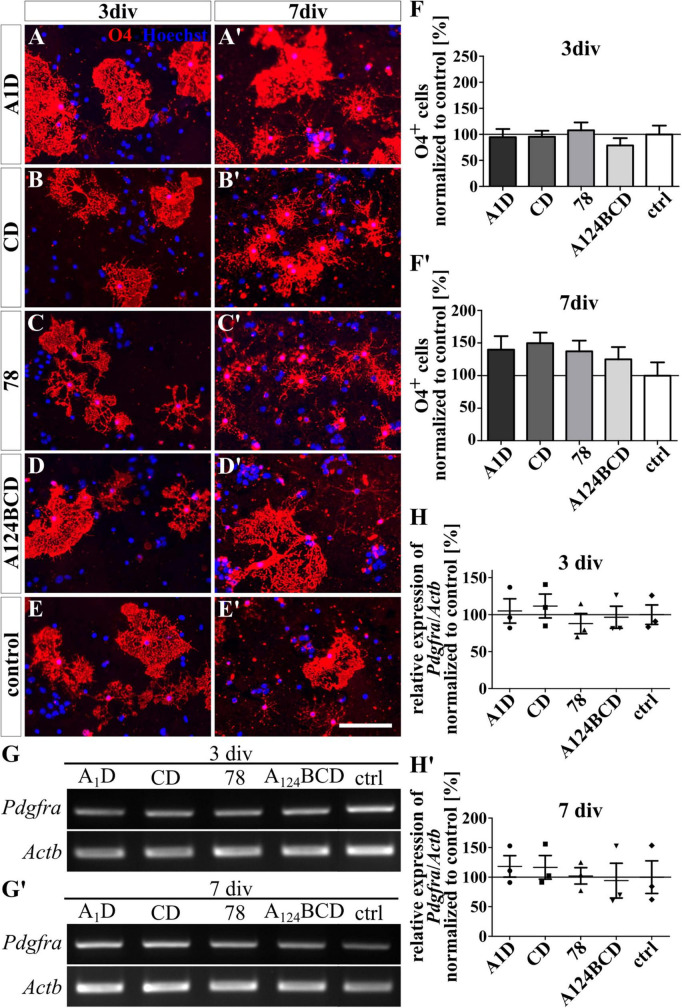
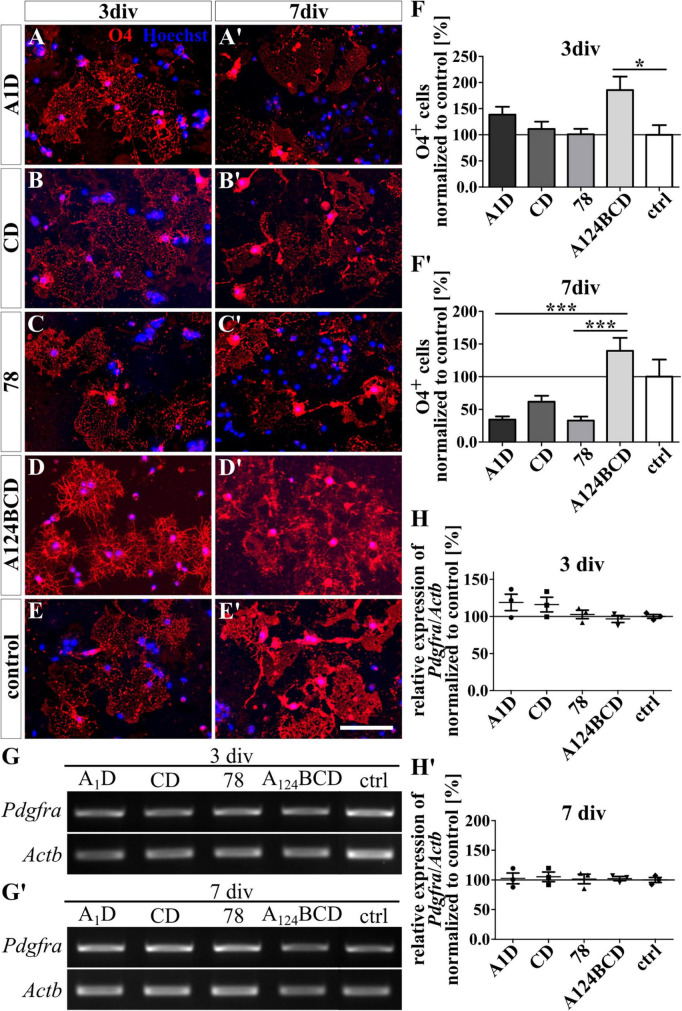
We observed that the domain combination A124BCD promoted the differentiation of neurons and oligodendrocytes, whereas the domain A1D supported astrocyte differentiation. The constitutively expressed domain 78 had a proliferation and migration stimulating impact. Moreover, most effects were seen only in one of the presentation modes but not in both, suggesting different effects of the Tnc domains in two- and three-dimensional cultures.
This knowledge about the different effect of the Tnc domains might be used to create artificial three-dimensional environments for cell transplantation. Hydrogels spiked with Tnc-domains might represent a promising tool in regenerative medicine.
中枢神经系统缺乏再生能力是当今面临的主要挑战之一。了解触发神经干细胞和祖细胞分化、增殖和迁移的引导信号是再生医学的关键要素之一。细胞外基质蛋白腱生蛋白-C(Tnc)是调节细胞命运的一个有潜力的候选分子,因为它在发育中的中枢神经系统和成年神经干细胞龛中表达。特别值得关注的是Tnc的可变剪接纤连蛋白III(FnIII)结构域,其组合多样性理论上可在小鼠中产生多达64种异构体。在发育中的大脑中已经发现了总共27种异构体,其中包括结构域组合A1D、CD和A124BCD。
在本研究中,这些结构域以及组成性表达的FnIII结构域7和8(78)的组合在中国仓鼠卵巢细胞中表达为与人免疫球蛋白G抗体的Fc片段融合的假抗体。融合蛋白作为包被的培养底物或可溶性添加剂呈现给作为神经球生长的原代小鼠神经干细胞/祖细胞(NSPCs)。分析了这些结构域对NSPCs分化、增殖和迁移的影响。
我们观察到结构域组合A124BCD促进神经元和少突胶质细胞的分化,而结构域A1D支持星形胶质细胞的分化。组成性表达的结构域78具有促进增殖和迁移的作用。此外,大多数效应仅在其中一种呈现模式中观察到,而不是在两种模式中都观察到,这表明Tnc结构域在二维和三维培养中有不同的作用。
关于Tnc结构域不同作用的这一知识可能用于为细胞移植创建人工三维环境。掺入Tnc结构域的水凝胶可能是再生医学中有前景的工具。