
米糠阿拉伯木聚糖化合物与癌症患者的生活质量(RBAC-QoL):RBAC-QoL研究的中期分析
Rice Bran Arabinoxylan Compound and Quality of Life (RBAC-QoL) of Cancer Patients: An Interim Analysis of the RBAC-QoL Study.
作者信息
Ooi Soo Liang, Micalos Peter S, Zielinski Rob, Pak Sok Cheon
机构信息
Integrative/Complementary Medicine, School of Dentistry and Medical Sciences, Charles Sturt University, Bathurst, AUS.
Anatomy and Physiology, School of Dentistry and Medical Sciences, Charles Sturt University, Port Macquarie, AUS.
出版信息
Cureus. 2024 Jan 29;16(1):e53188. doi: 10.7759/cureus.53188. eCollection 2024 Jan.
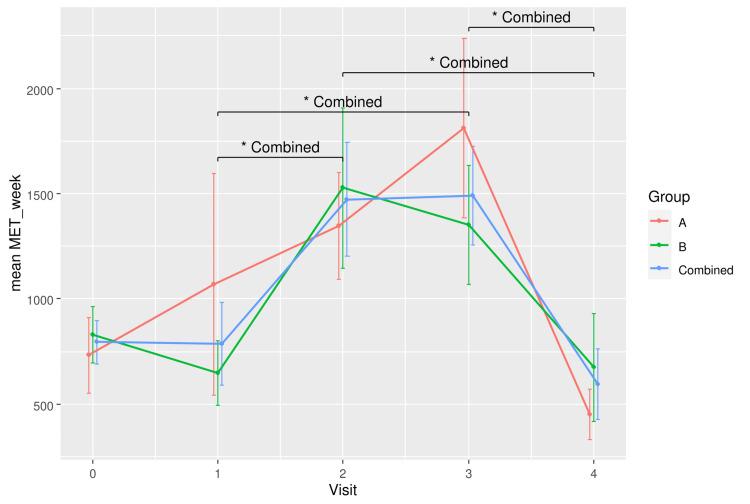
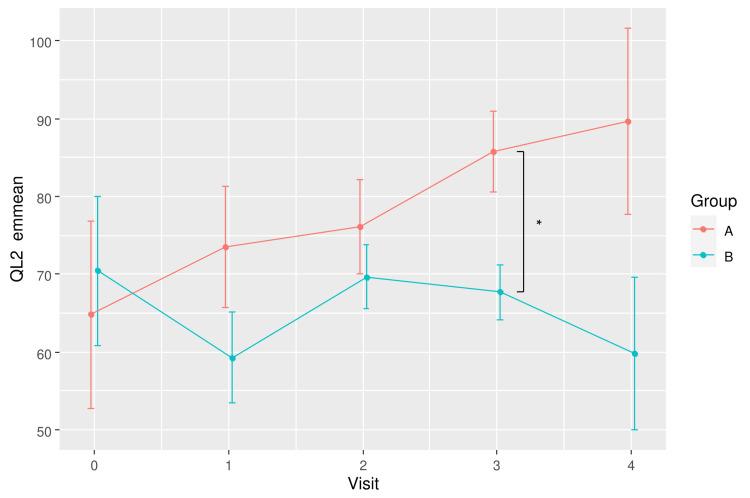
Background The effect of rice bran arabinoxylan compound (RBAC), a plant-based immunomodulator, on the quality of life (QoL) in cancer patients and underlying physiological pathways remains unclear. Trial design The RBAC-QoL study, a double-blind, randomised, controlled pilot feasibility study, aimed to determine RBAC's effects on QoL and the associated action mechanisms. Primary outcomes were the EORTC QLQ-C30 functional, symptom, and global QoL scores with inflammatory, nutritional, and cytokine parameters as secondary and exploratory outcomes. Methods Participants were adults diagnosed with solid organ tumours (≥ stage II) undergoing active treatment in several outpatient centres in New South Wales, Australia. Interventions were RBAC or matched placebo at 3g/day for 24 weeks allocated through stratified randomisation with participants, oncologists, and data collectors blinded. Data was collected from five study visits six weeks apart. The trial remained ongoing as of December 2023. An interim intention-to-treat analysis was performed using repeated measure ANOVA with pairwise comparisons where statistical significance was observed and adjusted with covariates. Results Global QoL scores from currently available data (n = 16; RBAC = 7, placebo = 9) were statistically different between groups (F = 8.6, p = 0.019, eta[g] = 0.267). Pairwise comparisons found significant differences at Week 6 (p = 0.032, Cohen's d = 1.454) and marginally at Week 12 (p = 0.069, d = 1.427). Age-adjusted analysis showed a continuous upward trend in QoL improvement over time with RBAC, while the placebo group did not deviate from baseline QoL. Significant elevations of serum white blood cell count (Week 18) and total protein (Weeks 12 and 18) were detected in the RBAC group compared to placebo. The total protein levels correlated highly with white blood cell count (Pearson's r = 0.539, p < 0.001) and moderately with the global QoL scores (r = 0.338, p = 0.01). No intervention-related adverse events were reported in both groups. Conclusions RBAC improves QoL beyond placebo during active cancer treatment, possibly through the immuno-nutritional pathway - these findings, though preliminary, are valuable for future research. Funding and registration: Daiwa Pharmaceutical Co., Ltd, Japan; BioMedica Nutraceuticals Pty Ltd., Australia. ANZCTR Reg No: ACTRN12619000562178p.
背景
米糠阿拉伯木聚糖化合物(RBAC)作为一种植物性免疫调节剂,对癌症患者生活质量(QoL)及潜在生理途径的影响尚不清楚。
试验设计
RBAC-QoL研究是一项双盲、随机、对照的试点可行性研究,旨在确定RBAC对生活质量的影响及其相关作用机制。主要结局指标为欧洲癌症研究与治疗组织(EORTC)QLQ-C30功能、症状及整体生活质量评分,炎症、营养和细胞因子参数作为次要及探索性结局指标。
方法
参与者为在澳大利亚新南威尔士州多个门诊中心接受积极治疗的成年实体器官肿瘤患者(≥II期)。干预措施为每日3克RBAC或匹配的安慰剂,为期24周,通过分层随机分组分配,参与者、肿瘤学家和数据收集者均不知情。数据在相隔六周的五次研究访视中收集。截至2023年12月,该试验仍在进行中。采用重复测量方差分析进行意向性分析,并进行成对比较,观察到统计学显著性时用协变量进行调整。
结果
根据现有数据(n = 16;RBAC组 = 7,安慰剂组 = 9),两组间的整体生活质量评分存在统计学差异(F = 8.6,p = 0.019,η[g] = 0.267)。成对比较发现在第6周有显著差异(p = 0.032,Cohen's d = 1.454),在第12周有边缘性差异(p = 0.069,d = 1.427)。年龄调整分析显示,RBAC组的生活质量随时间持续呈上升趋势,而安慰剂组的生活质量未偏离基线。与安慰剂组相比,RBAC组在第18周时血清白细胞计数显著升高,在第12周和第18周时总蛋白显著升高。总蛋白水平与白细胞计数高度相关(Pearson相关系数r = 0.539,p < 0.001),与整体生活质量评分中度相关(r = 0.338,p = 0.01)。两组均未报告与干预相关的不良事件。
结论
在积极的癌症治疗期间,RBAC比安慰剂更能改善生活质量,可能是通过免疫营养途径——这些发现虽然是初步的,但对未来研究具有重要价值。
资金和注册
日本大和制药株式会社;澳大利亚生物医学营养有限公司。澳大利亚新西兰临床试验注册中心注册号:ACTRN12619000562178p。


 Zotero 插件