van der Vaart Jamie I, van Eenige Robin, Rensen Patrick C N, Kooijman Sander
Division of Endocrinology, Department of Medicine, Leiden University Medical Center, Leiden, The Netherlands.
Einthoven Laboratory for Vascular and Regenerative Medicine, Leiden University Medical Center, Leiden, The Netherlands.
Vasc Biol. 2024 Apr 4;6(1). doi: 10.1530/VB-23-0017. Print 2024 Jan 1.
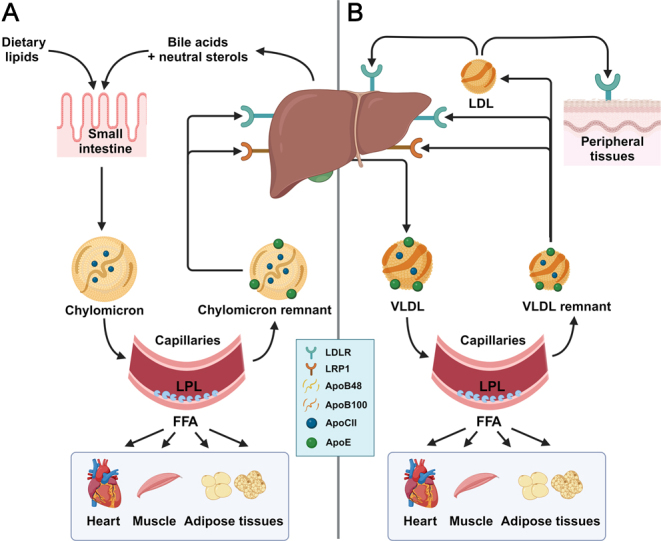
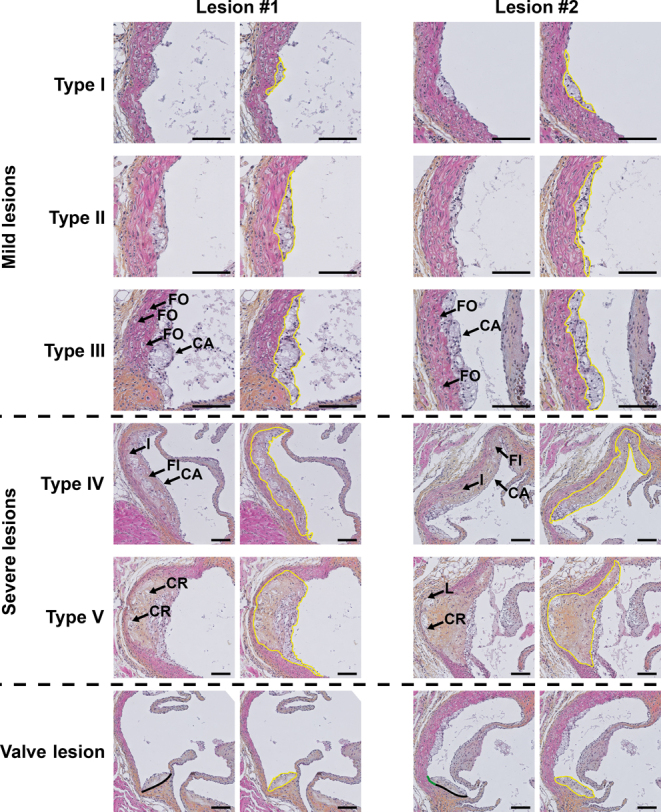
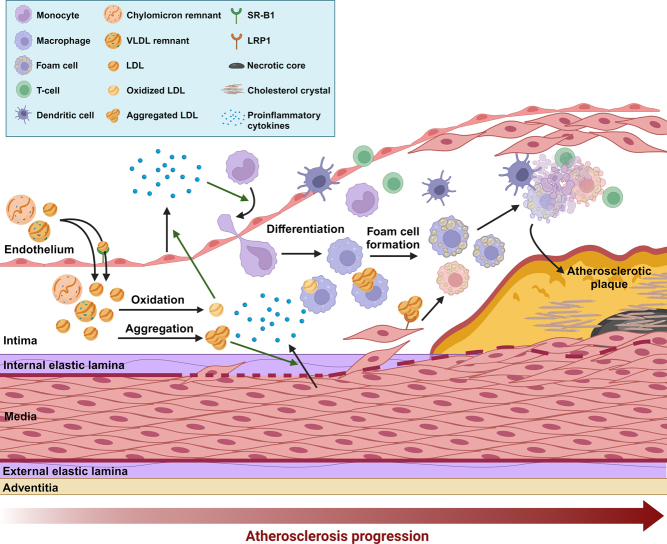
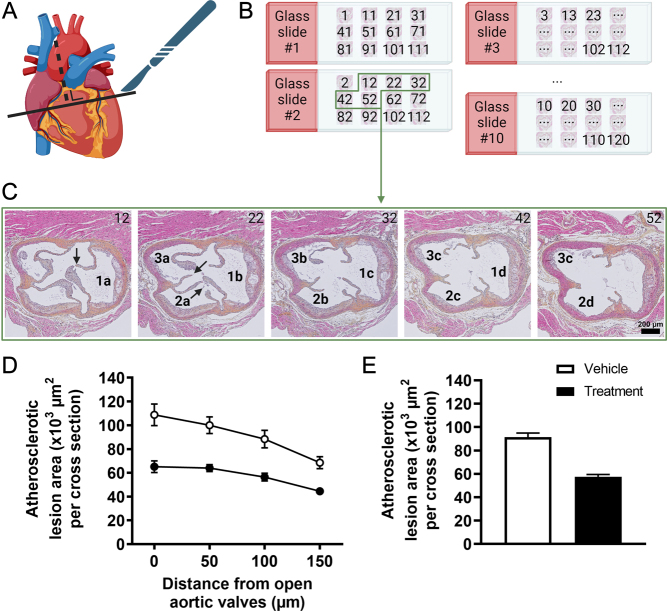
Cardiovascular disease, the primary cause of human mortality globally, is predominantly caused by a progressive disorder known as atherosclerosis. Atherosclerosis refers to the process of accumulation of cholesterol-enriched lipoproteins and the concomitant initiation of inflammatory processes in the arterial wall, including the recruitment of immune cells. This leads to the formation of atherosclerotic plaques, initially causing a thickening of the arterial wall and narrowing of arteries. However, as plaque formation progresses, atherosclerotic plaques may become unstable and rupture, leading to a blood clot that blocks the affected artery or travels through the blood to block blood flow elsewhere. In the early 1990s, emerging gene editing methods enabled the development of apolipoprotein E knockout (Apoe-/- ) and low-density lipoprotein receptor knockout (Ldlr-/- ) mice. These mice have been instrumental in unraveling the complex pathogenesis of atherosclerosis. Around the same time, human APOE3-Leiden transgenic mice were generated, which were more recently cross-bred with human cholesteryl ester transfer protein (CETP) transgenic mice to generate APOE3-Leiden.CETP mice. This model appears to closely mimic human lipoprotein metabolism and responds to classic lipid-lowering interventions due to an intact ApoE-LDLR pathway of lipoprotein remnant clearance. In this review, we describe the role of lipid metabolism and inflammation in atherosclerosis development and highlight the characteristics of the frequently used animal models to study atherosclerosis, with a focus on mouse models, discussing their advantages and limitations. Moreover, we present a detailed methodology to quantify atherosclerotic lesion area within the aortic root region of the murine heart, as well as details required for scoring atherosclerotic lesion severity based on guidelines of the American Heart Association adapted for mice.
心血管疾病是全球人类死亡的主要原因,主要由一种称为动脉粥样硬化的进行性疾病引起。动脉粥样硬化是指富含胆固醇的脂蛋白积累的过程以及动脉壁中炎症过程的伴随启动,包括免疫细胞的募集。这导致动脉粥样硬化斑块的形成,最初会引起动脉壁增厚和动脉狭窄。然而,随着斑块形成的进展,动脉粥样硬化斑块可能会变得不稳定并破裂,导致血栓形成,阻塞受影响的动脉或通过血液循环阻塞其他部位的血流。在20世纪90年代初,新兴的基因编辑方法使得载脂蛋白E基因敲除(Apoe-/-)和低密度脂蛋白受体基因敲除(Ldlr-/-)小鼠得以培育。这些小鼠在阐明动脉粥样硬化的复杂发病机制方面发挥了重要作用。大约在同一时间,人类APOE3-莱顿转基因小鼠被培育出来,最近又与人类胆固醇酯转运蛋白(CETP)转基因小鼠杂交,培育出APOE3-莱顿.CETP小鼠。由于脂蛋白残余物清除的ApoE-LDLR途径完整,该模型似乎紧密模拟了人类脂蛋白代谢,并对经典的降脂干预有反应。在这篇综述中,我们描述了脂质代谢和炎症在动脉粥样硬化发展中的作用,并强调了用于研究动脉粥样硬化的常用动物模型的特点,重点是小鼠模型,讨论它们的优点和局限性。此外,我们还介绍了一种详细的方法来量化小鼠心脏主动脉根部区域内的动脉粥样硬化病变面积,以及根据适用于小鼠的美国心脏协会指南对动脉粥样硬化病变严重程度进行评分所需的详细信息。