Pecoraro Luca, Giovannini Mattia, Mori Francesca, Barni Simona, Castagnoli Riccardo, Arasi Stefania, Mastrorilli Carla, Saretta Francesca, Liotti Lucia, Caminiti Lucia, Klain Angela, Gelsomino Mariannita, Del Giudice Michele Miraglia, Novembre Elio
Pediatric Unit, Department of Surgical Sciences, Dentistry, Gynecology and Pediatrics, University of Verona, 37126, Verona, Italy.
Allergy Unit, Meyer Children's Hospital IRCCS, 50139, Florence, Italy.
Ital J Pediatr. 2024 Mar 3;50(1):36. doi: 10.1186/s13052-024-01595-z.
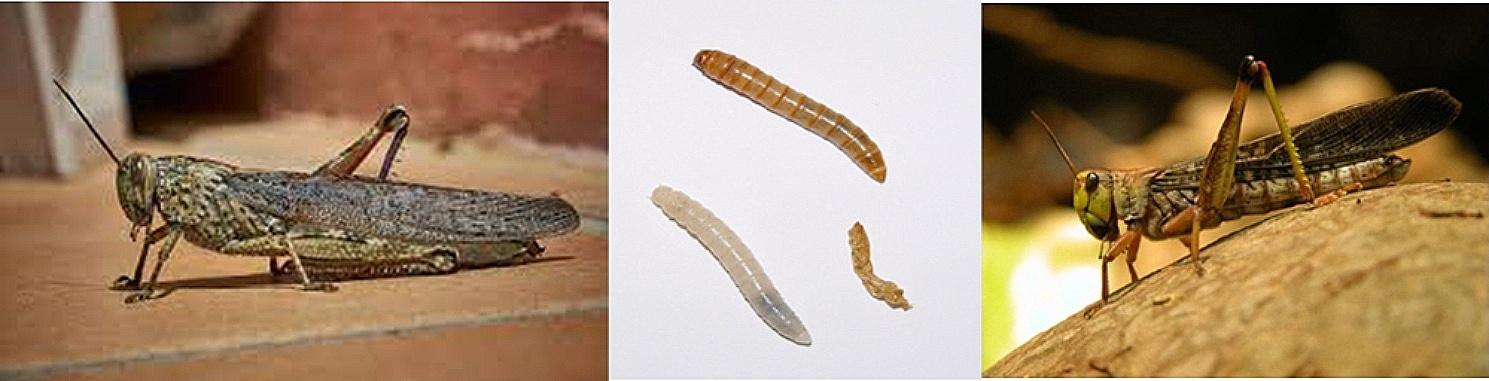
Imported allergens are involved in many allergic reactions, with unexpected and unusual implications. They can be involved in developing asthma, allergic rhinoconjunctivitis, Hymenoptera venom allergies and food allergies. Imported allergens can be implied in respiratory allergies attributable to commercial practices and accidental diffusion through air currents that have introduced non-native species in new geographical contexts. Ambrosia artemisiifolia L., a plant native to North America and currently in the western part of Lombardy, represents an example. Moreover, a variation in the pollen concentration in the Northwest Tuscany area and Trentino Alto-Adige was observed. Cannabis sativa is another imported allergen used frequently by adolescents. Regarding potential imported food allergens, there is no validated list. Imported food allergens derive from ethnic foods, referring to Mexican/Latin American, Chinese/Japanese, Southeast Asian, Arab/Middle Eastern and African cuisine. Four insect flours were recently introduced to the European and Italian markets (Acheta domesticus, Alphitobius diaperinus, Tenebrio molitor and Locusta migratoria). The association between the accidental introduction through commercial traffic, climate change, and the absence of natural enemies in the destination ecosystem is related to the introduction of a specific Hymenoptera, Vespa velutina, in Italy and Europe. External events attributable to human activities, such as climate change and the introduction of non-native plants, foods and Hymenoptera through trade, have contributed to the issue of imported allergens. Making the correct diagnosis and guiding the diagnostic and therapeutic path in this particular context represent the concerns of the pediatric allergist.
外来过敏原与许多过敏反应有关,具有意想不到和不寻常的影响。它们可导致哮喘、过敏性鼻结膜炎、膜翅目昆虫毒液过敏和食物过敏。外来过敏原可能与商业活动导致的呼吸道过敏有关,也可能因气流意外扩散,使非本地物种进入新的地理区域而引发过敏。北美本土植物豚草(Ambrosia artemisiifolia L.)目前在伦巴第大区西部就属于这种情况。此外,托斯卡纳大区西北部和特伦蒂诺-上阿迪杰地区的花粉浓度也出现了变化。大麻(Cannabis sativa)是青少年经常接触的另一种外来过敏原。关于潜在的进口食物过敏原,目前尚无经过验证的清单。进口食物过敏原源自民族特色食品,如墨西哥/拉丁美洲、中国/日本、东南亚、阿拉伯/中东和非洲菜肴。最近有四种昆虫粉进入欧洲和意大利市场(家蟋蟀、黑菌虫、黄粉虫和蝗虫)。商业运输意外引入、气候变化以及目的地生态系统中缺乏天敌之间的关联,与一种特定的膜翅目昆虫——黄脚胡蜂(Vespa velutina)被引入意大利和欧洲有关。人类活动导致的外部事件,如气候变化以及通过贸易引入非本地植物、食物和膜翅目昆虫,都加剧了外来过敏原问题。在这种特殊情况下做出正确诊断并指导诊断和治疗过程,是儿科过敏专家所关注的问题。