Ed-Dahmani Imad, El Fadili Mohamed, Kandsi Fahd, Conte Raffaele, El Atki Yassine, Kara Mohammed, Assouguem Amine, Touijer Hanane, Lfitat Aziza, Nouioura Ghizlane, Slighoua Meryem, Ullah Riaz, Al-Tamimi Jameel H, Taleb Mustapha, Abdellaoui Abdelfattah
Laboratory of Engineering, Electrochemistry, Modelling and Environment, Sidi Mohamed Ben Abdellah University, Faculty of Sciences Fès, Fez 30000, Morocco.
LIMAS Laboratory, Faculty of Sciences Dhar Mahraz, Sidi Mohamed Ben Abdellah University, BP 1796 Atlas, Fez 30000, Morocco.
ACS Omega. 2024 Feb 9;9(8):9236-9246. doi: 10.1021/acsomega.3c08314. eCollection 2024 Feb 27.
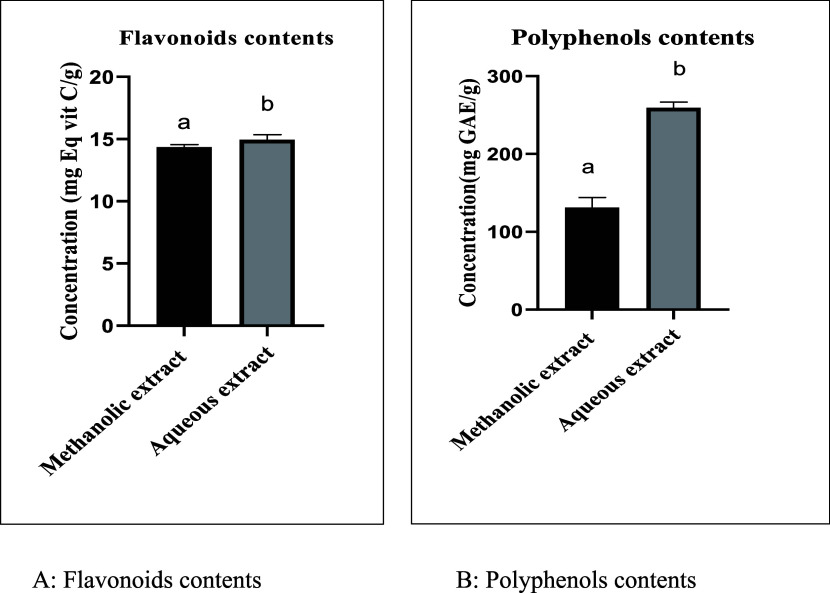
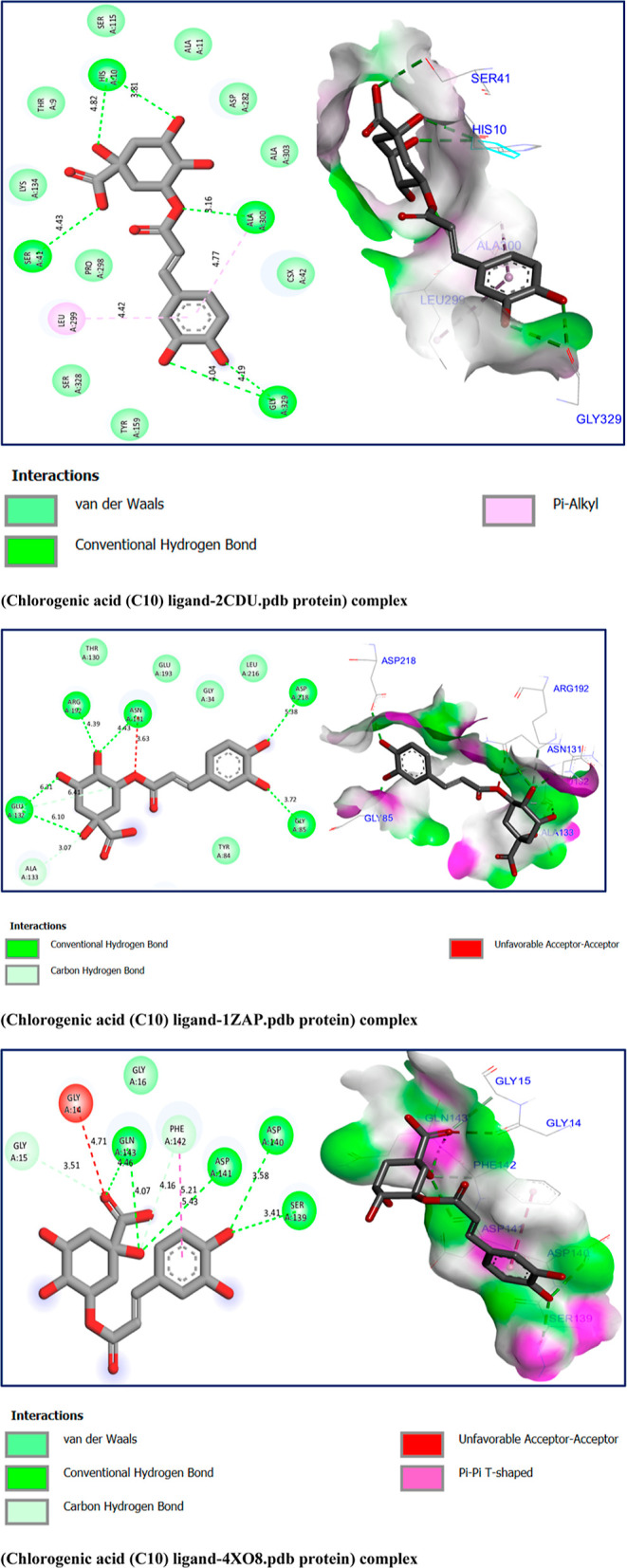
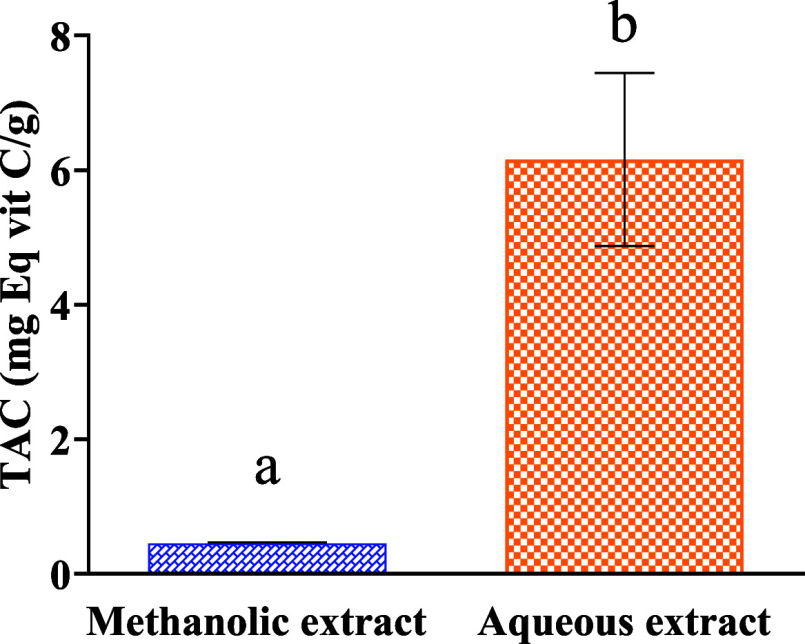
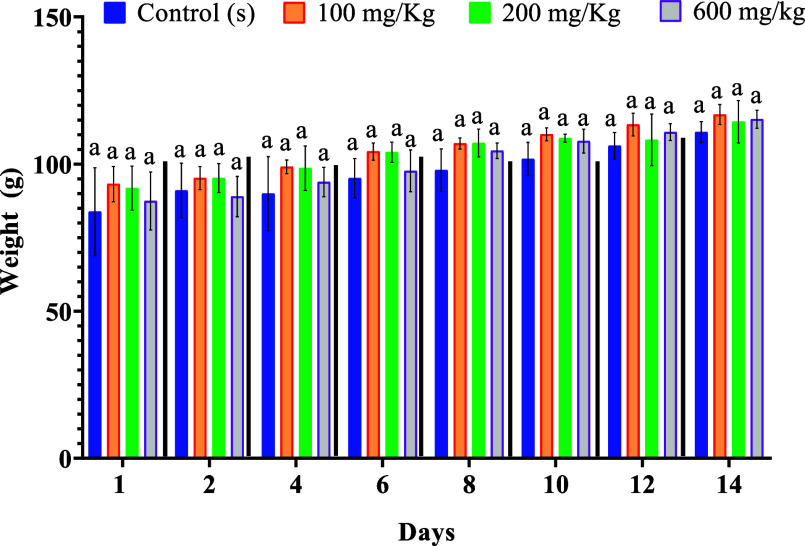
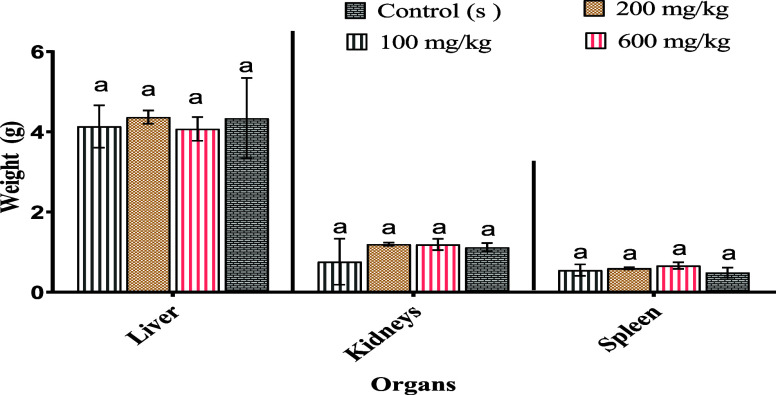
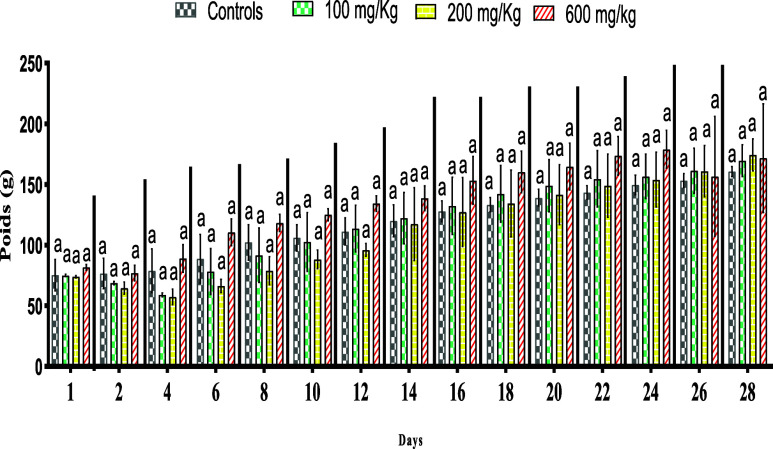
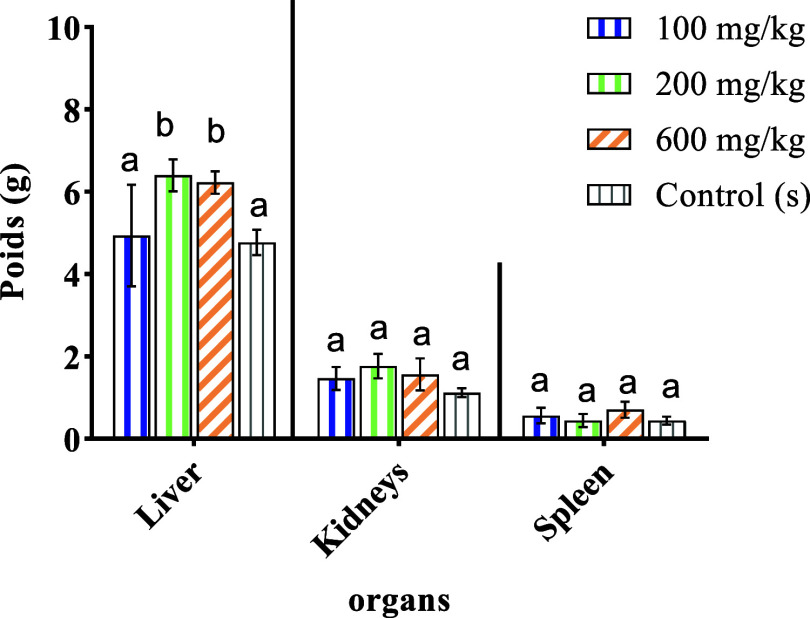
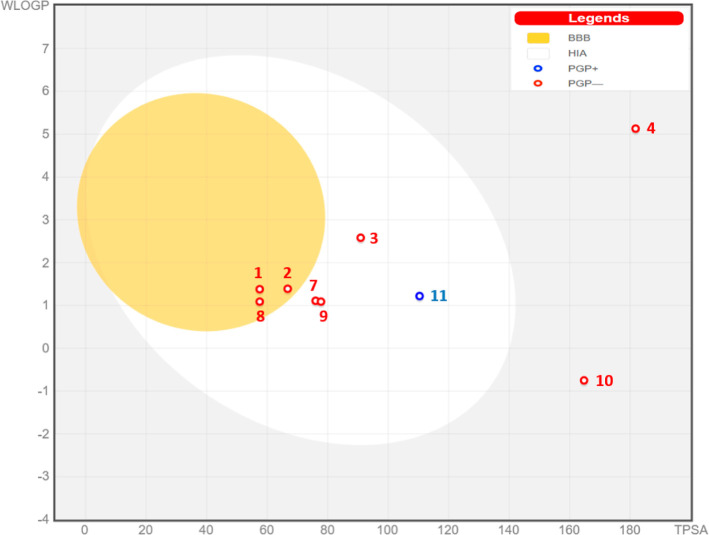
Morocco is known for its high plant biodiversity, but many plants are poorly valorized. For this reason, this study aims to valorize the methanolic and aqueous extracts of leaves by studying their antioxidant activity and toxicity. The extracts' antioxidant activity is assessed using the FRAP, DPPH, CAT, and ABTS methods. The chemical composition was determined using LC-MS analysis and evaluated using in silico studies. The results revealed that the total polyphenol content of the aqueous extract, 259.26 ± 7.79 (mg GAE/g), is higher than that of the methanolic extract, 131.41 ± 12.64 (mg GAE/g). The antioxidant activity by the methods of DPPH, ABTS, and phosphor molybdenum of aqueous extracts (0.087 ± 0.015, 0.014 ± 0.001 and 6.157 ± 1.050 mg eq vit C/g, respectively) is greater than that of methanolic extracts (0.107 ± 0.02, 0.167 ± 0.03, and 0.453 ± 0.014 mg eq vit C/g, respectively). The reducing power of iron (FRAP) shows that the methanolic extract has a greater reducing power than that of the aqueous extract with a low IC50 (0.011 ± 0.003 and 0.199 ± 0.016 mg/mL, respectively). The study of acute and subacute toxicity shows that the administration of the aqueous extract of at different doses increases the body weight of rats without modifying their general behavior. The extract had a 99.99% total phenolic content, as determined by LC-MS, consisting of 12 different components. The primary constituents of the extract are chlorogenic acid (43.68%), catechin/epicatechin (24.82%), quercetin-3--glucuronic acid (9.91%), naringin (7.64%), and -hydroxybenzoic/salicylic acid (2.95%). The in-silico study showed that these compounds can passively permeate through the blood and have a beneficial effect on various organs of the body. Based on these results, can be used as a medicinal plant in phytotherapy, cosmetics, or as a dietary supplement. The bioactive compounds of these plants will require a lot of further effort in terms of isolation and characterization.
摩洛哥以其丰富的植物生物多样性而闻名,但许多植物的价值尚未得到充分发掘。因此,本研究旨在通过研究其抗氧化活性和毒性来评估叶片甲醇提取物和水提取物的价值。采用FRAP、DPPH、CAT和ABTS方法评估提取物的抗氧化活性。通过LC-MS分析确定化学成分,并通过计算机模拟研究进行评估。结果显示,水提取物的总多酚含量为259.26±7.79(mg GAE/g),高于甲醇提取物的131.41±12.64(mg GAE/g)。水提取物通过DPPH、ABTS和磷钼法测得的抗氧化活性(分别为0.087±0.015、0.014±0.001和6.157±1.050 mg eq vit C/g)高于甲醇提取物(分别为0.107±0.02、0.167±0.03和0.453±0.014 mg eq vit C/g)。铁还原能力(FRAP)表明,甲醇提取物的还原能力高于水提取物,且IC50较低(分别为0.011±0.003和0.199±0.016 mg/mL)。急性和亚急性毒性研究表明,不同剂量给予水提取物可增加大鼠体重,且不改变其一般行为。通过LC-MS测定,该提取物的总酚含量为99.99%,由12种不同成分组成。提取物的主要成分是绿原酸(43.68%)、儿茶素/表儿茶素(24.82%)、槲皮素-3-葡萄糖醛酸(9.91%)、柚皮苷(7.64%)和对羟基苯甲酸/水杨酸(2.95%)。计算机模拟研究表明,这些化合物可被动渗透进入血液,对身体的各个器官具有有益作用。基于这些结果,该植物可作为药用植物用于植物疗法、化妆品或作为膳食补充剂。这些植物的生物活性化合物在分离和表征方面还需要大量的进一步研究。