Department of Chemical Engineering, Carnegie Mellon University, Pittsburgh, PA 15213.
Department of Biomedical Engineering, Carnegie Mellon University, Pittsburgh, PA 15213.
Proc Natl Acad Sci U S A. 2024 Mar 12;121(11):e2307810121. doi: 10.1073/pnas.2307810121. Epub 2024 Mar 4.
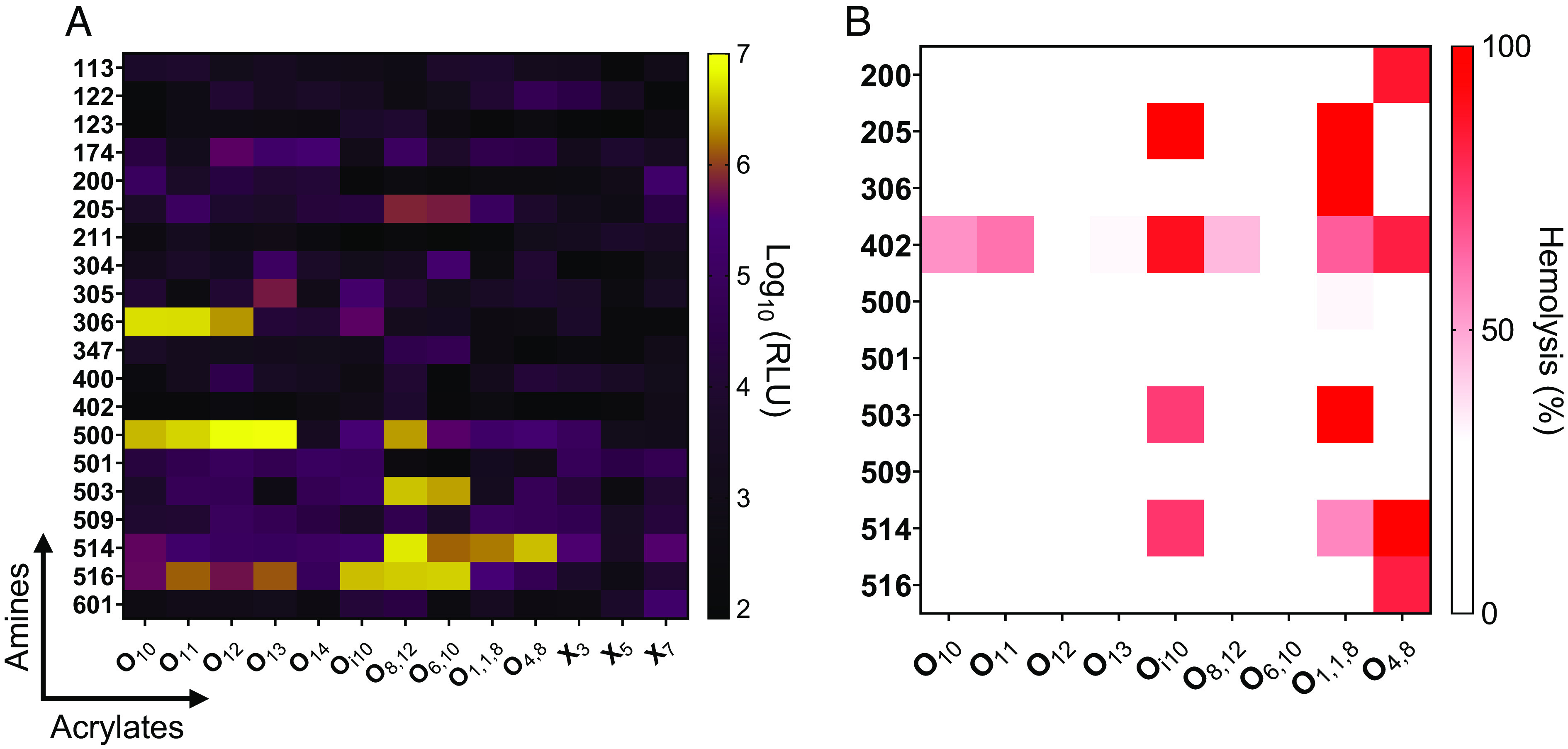
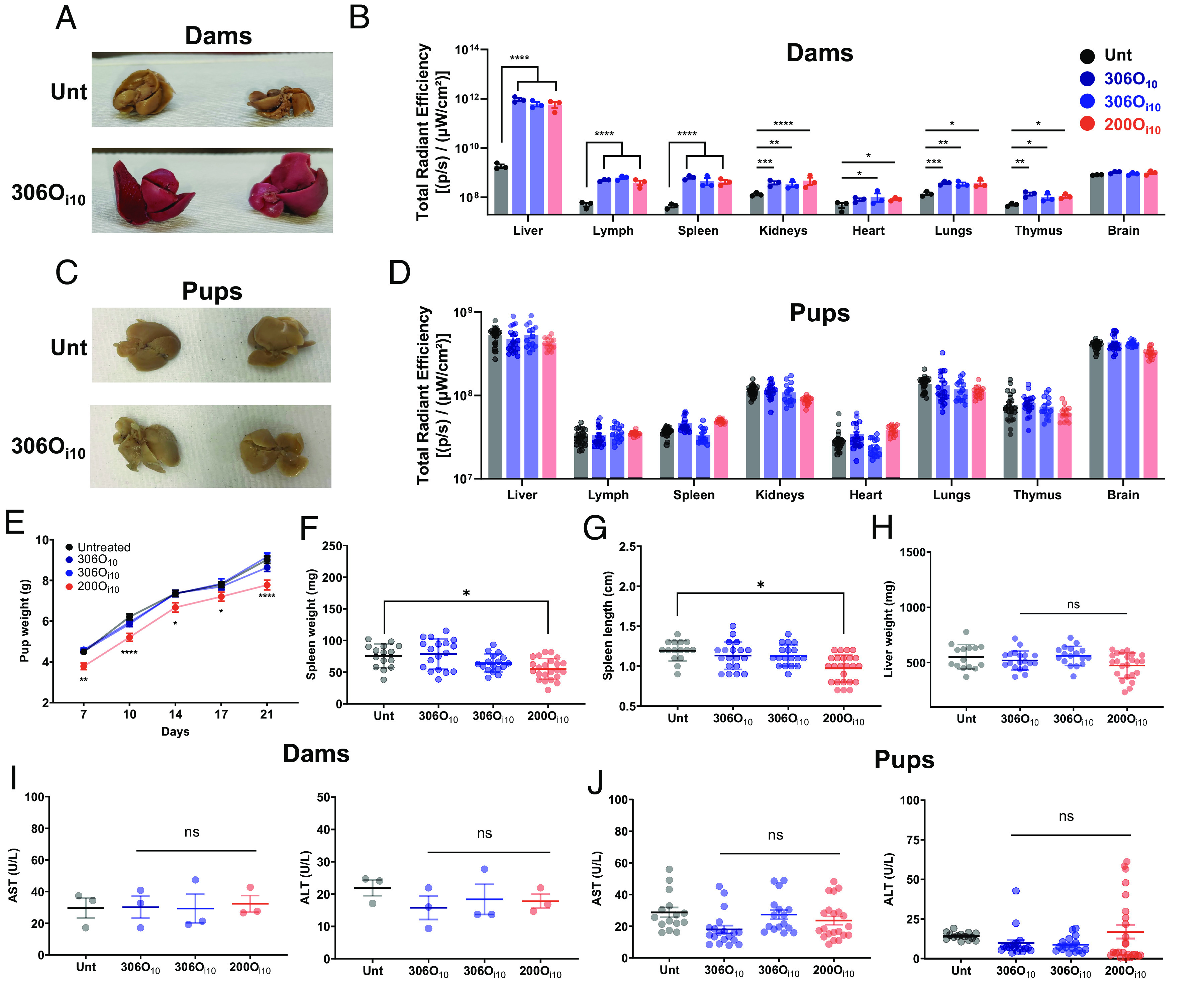
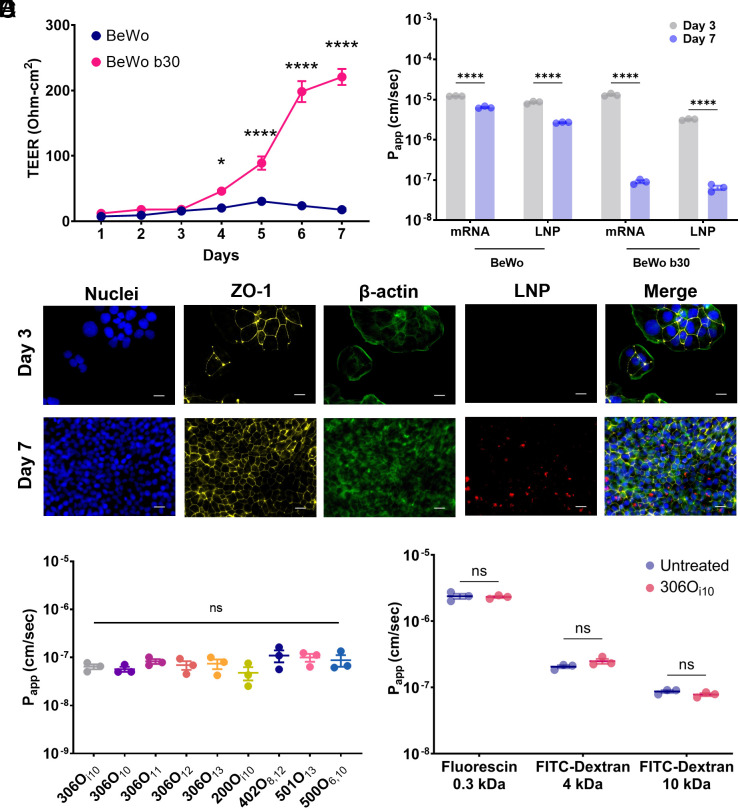
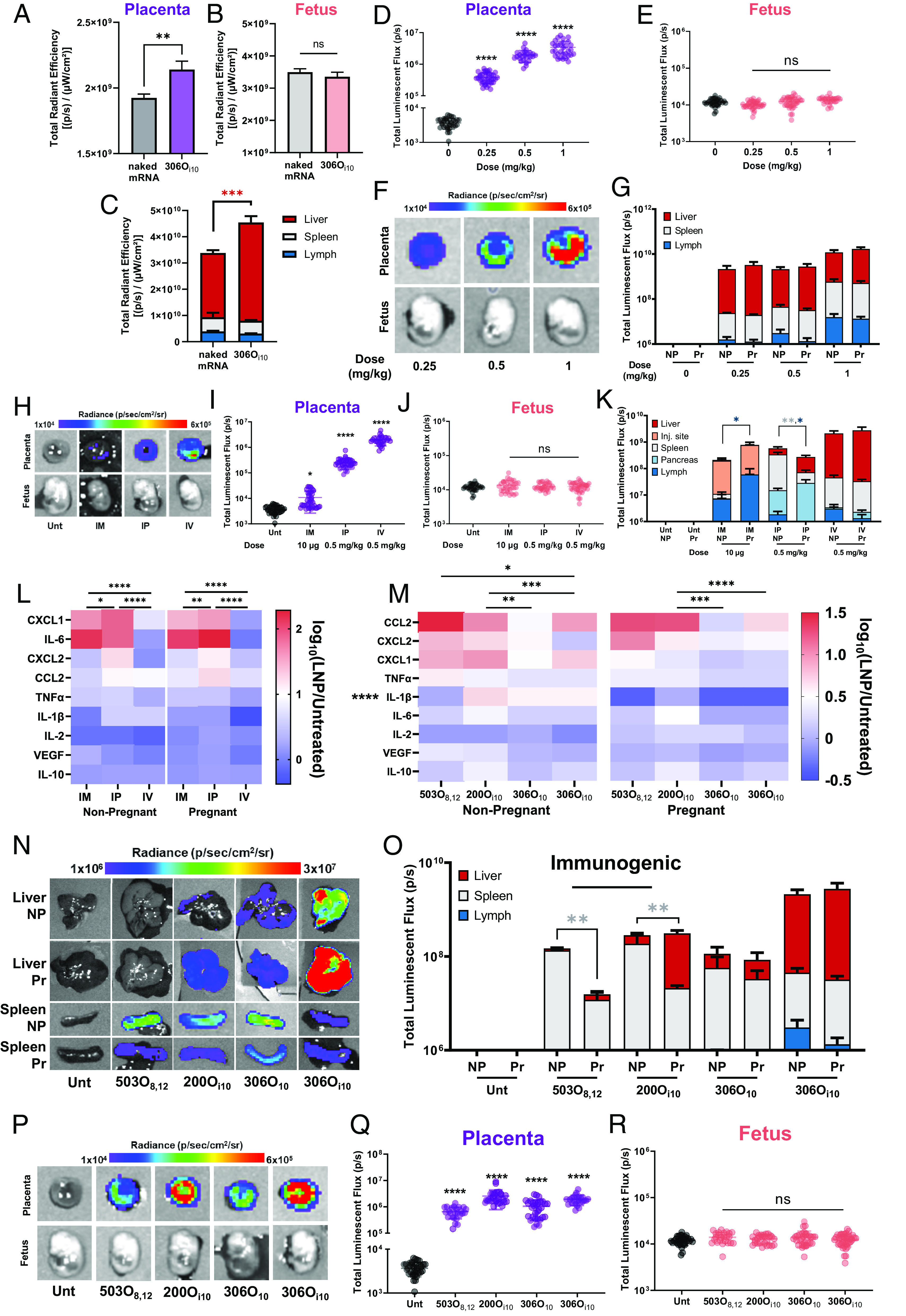
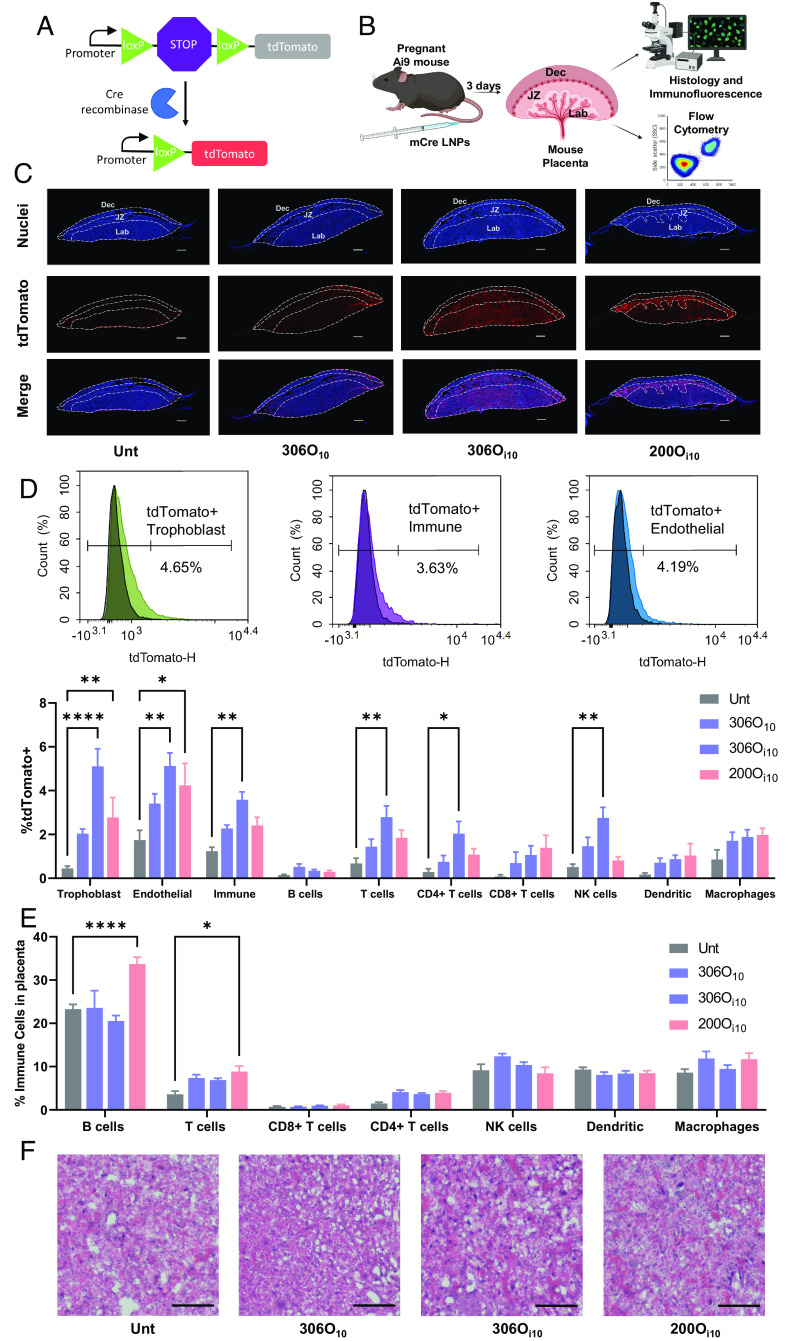
Treating pregnancy-related disorders is exceptionally challenging because the threat of maternal and/or fetal toxicity discourages the use of existing medications and hinders new drug development. One potential solution is the use of lipid nanoparticle (LNP) RNA therapies, given their proven efficacy, tolerability, and lack of fetal accumulation. Here, we describe LNPs for efficacious mRNA delivery to maternal organs in pregnant mice via several routes of administration. In the placenta, our lead LNP transfected trophoblasts, endothelial cells, and immune cells, with efficacy being structurally dependent on the ionizable lipid polyamine headgroup. Next, we show that LNP-induced maternal inflammatory responses affect mRNA expression in the maternal compartment and hinder neonatal development. Specifically, pro-inflammatory LNP structures and routes of administration curtailed efficacy in maternal lymphoid organs in an IL-1β-dependent manner. Further, immunogenic LNPs provoked the infiltration of adaptive immune cells into the placenta and restricted pup growth after birth. Together, our results provide mechanism-based structural guidance on the design of potent LNPs for safe use during pregnancy.
治疗与妊娠相关的疾病极具挑战性,因为母体和/或胎儿毒性的威胁阻碍了现有药物的使用,并阻碍了新药的开发。一种潜在的解决方案是使用脂质纳米颗粒 (LNP) RNA 疗法,因为它们具有已证明的疗效、耐受性和无胎儿蓄积的特点。在这里,我们描述了通过多种给药途径将有效的 mRNA 递送至妊娠小鼠母体器官的 LNP。在胎盘组织中,我们的主导 LNP 转染了滋养层细胞、内皮细胞和免疫细胞,其功效在结构上依赖于可离子化的脂质聚胺头基。接下来,我们表明 LNP 诱导的母体炎症反应会影响母体隔室中的 mRNA 表达,并阻碍新生儿的发育。具体而言,促炎 LNP 结构和给药途径以依赖于 IL-1β 的方式缩短了母体淋巴器官中的功效。此外,免疫原性的 LNP 引发适应性免疫细胞浸润胎盘,并在出生后限制幼崽的生长。总之,我们的研究结果为在妊娠期间安全使用有效 LNP 提供了基于机制的结构指导。