Prah Melissa A, Schmainda Kathleen M
Department of Biophysics, Medical College of Wisconsin, Milwaukee, WI, United States.
Department of Radiology, Medical College of Wisconsin, Milwaukee, WI, United States.
Front Radiol. 2024 Feb 20;4:1307586. doi: 10.3389/fradi.2024.1307586. eCollection 2024.
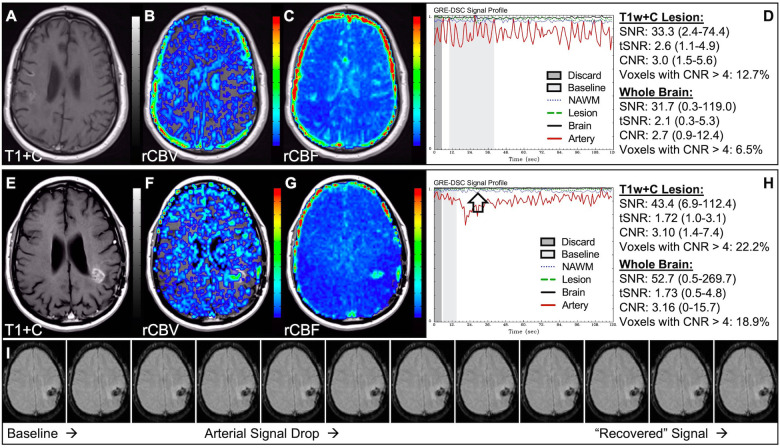
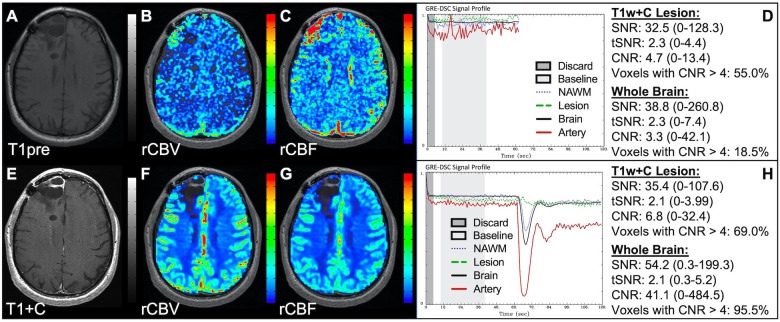
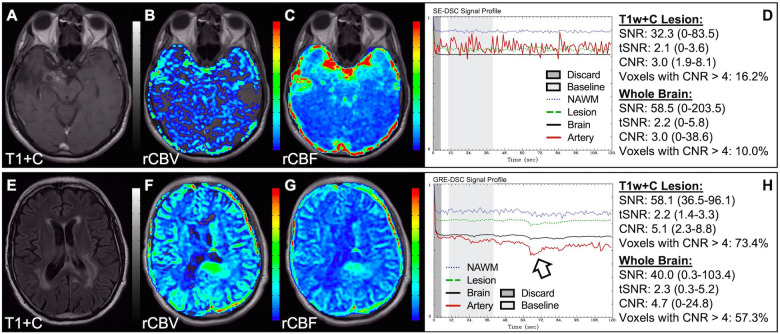
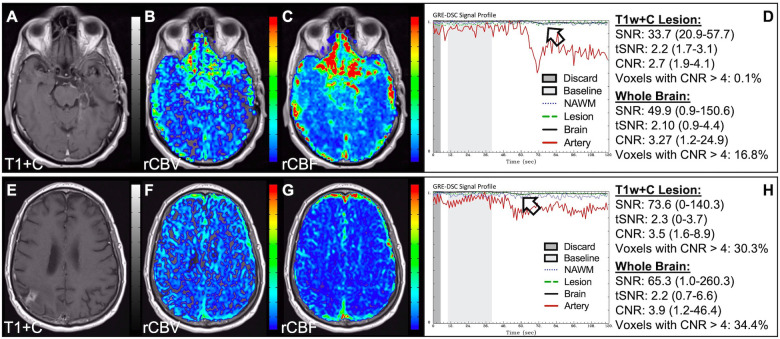
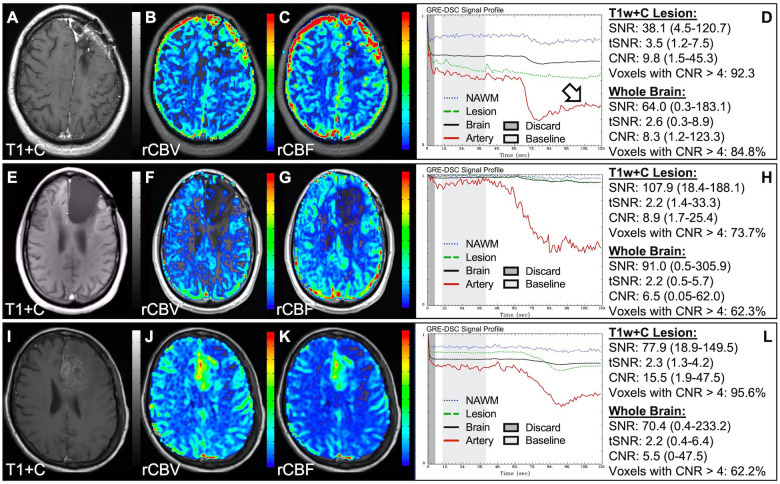
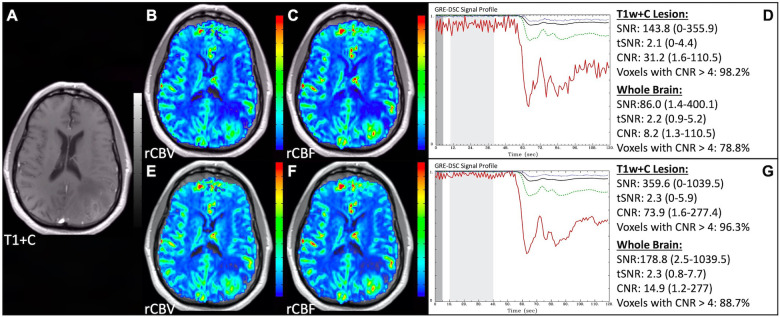
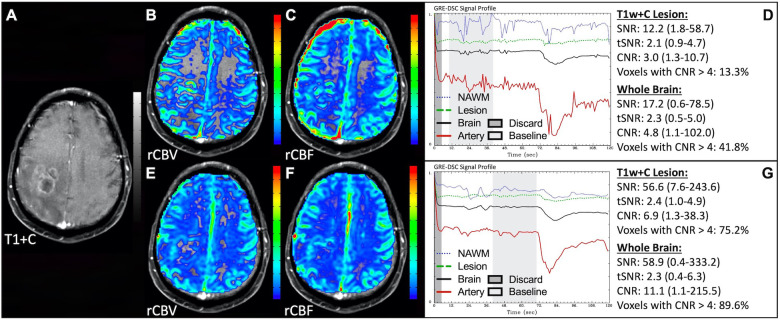
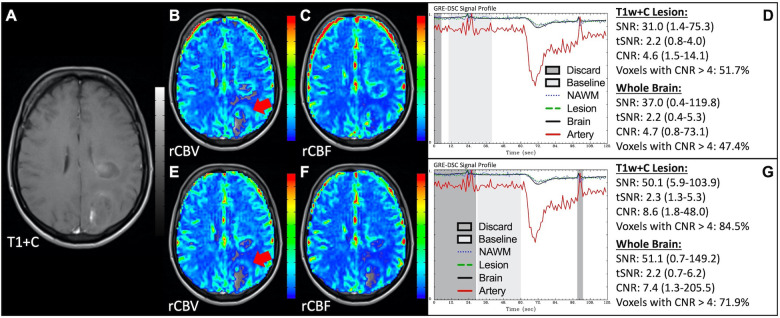
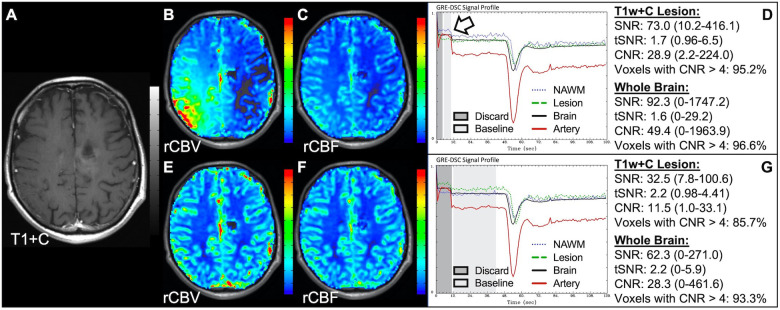
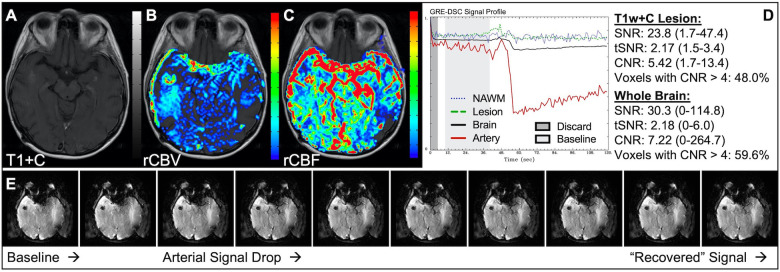
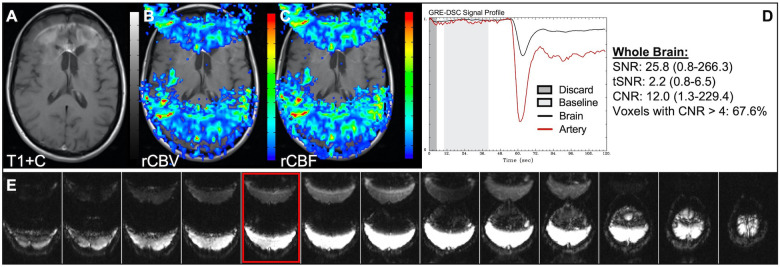
Relative cerebral blood volume (rCBV) derived from dynamic susceptibility contrast (DSC) perfusion MR imaging (pMRI) has been shown to be a robust marker of neuroradiological tumor burden. Recent consensus recommendations in pMRI acquisition strategies have provided a pathway for pMRI inclusion in diverse patient care centers, regardless of size or experience. However, even with proper implementation and execution of the DSC-MRI protocol, issues will arise that many centers may not easily recognize or be aware of. Furthermore, missed pMRI issues are not always apparent in the resulting rCBV images, potentiating inaccurate or missed radiological diagnoses. Therefore, we gathered from our database of DSC-MRI datasets, true-to-life examples showcasing the breakdowns in acquisition, postprocessing, and interpretation, along with appropriate mitigation strategies when possible. The pMRI issues addressed include those related to image acquisition and postprocessing with a focus on contrast agent administration, timing, and rate, signal-to-noise quality, and susceptibility artifact. The goal of this work is to provide guidance to minimize and recognize pMRI issues to ensure that only quality data is interpreted.
动态磁敏感对比增强(DSC)灌注磁共振成像(pMRI)得出的相对脑血容量(rCBV)已被证明是神经放射学肿瘤负荷的可靠标志物。最近关于pMRI采集策略的共识建议为不同规模和经验的患者护理中心纳入pMRI提供了途径。然而,即使正确实施和执行DSC-MRI方案,仍会出现许多中心可能不易识别或意识到的问题。此外,pMRI存在的问题在最终的rCBV图像中并不总是明显的,这可能导致不准确或漏诊。因此,我们从DSC-MRI数据集数据库中收集了真实案例,展示采集、后处理和解读过程中的故障,并尽可能给出适当的缓解策略。所讨论的pMRI问题包括与图像采集和后处理相关的问题,重点是造影剂给药、时间和速率、信噪比质量以及磁敏感伪影。这项工作的目标是提供指导,以尽量减少和识别pMRI问题,确保只解读高质量的数据。