Department of Pharmacology, Tulane School of Medicine, New Orleans, LA (I.M.K.-D., A.B.M., T.J.W., B.V., S.A.B., A.I.S., C.R., Z.D., A.C.H., S.H.L.).
Tulane Brain Institute, Tulane University, New Orleans, LA (C.R., S.H.L.).
Hypertension. 2024 May;81(5):e51-e62. doi: 10.1161/HYPERTENSIONAHA.123.22024. Epub 2024 Mar 6.
Arterial stiffness is a cardiovascular risk factor and dramatically increases as women transition through menopause. The current study assessed whether a mouse model of menopause increases arterial stiffness in a similar manner to aging and whether activation of the G-protein-coupled estrogen receptor could reverse stiffness.
Female C57Bl/6J mice were ovariectomized at 10 weeks of age or aged to 52 weeks, and some mice were treated with G-protein-coupled estrogen receptor agonists.
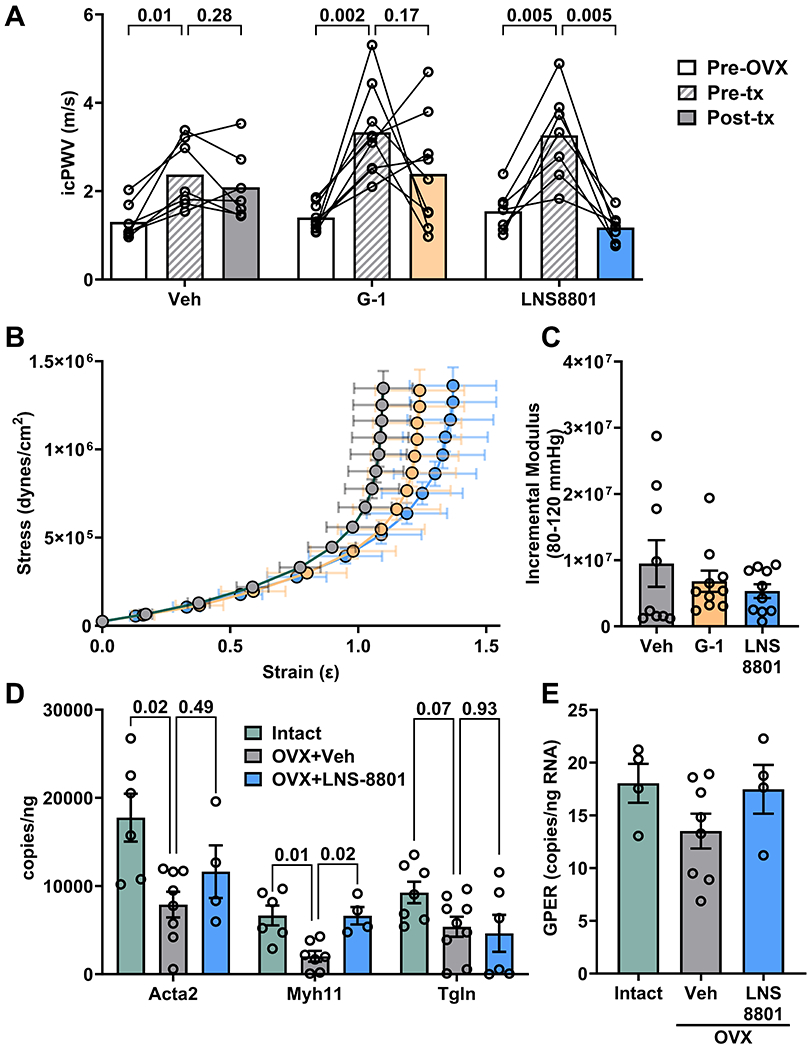
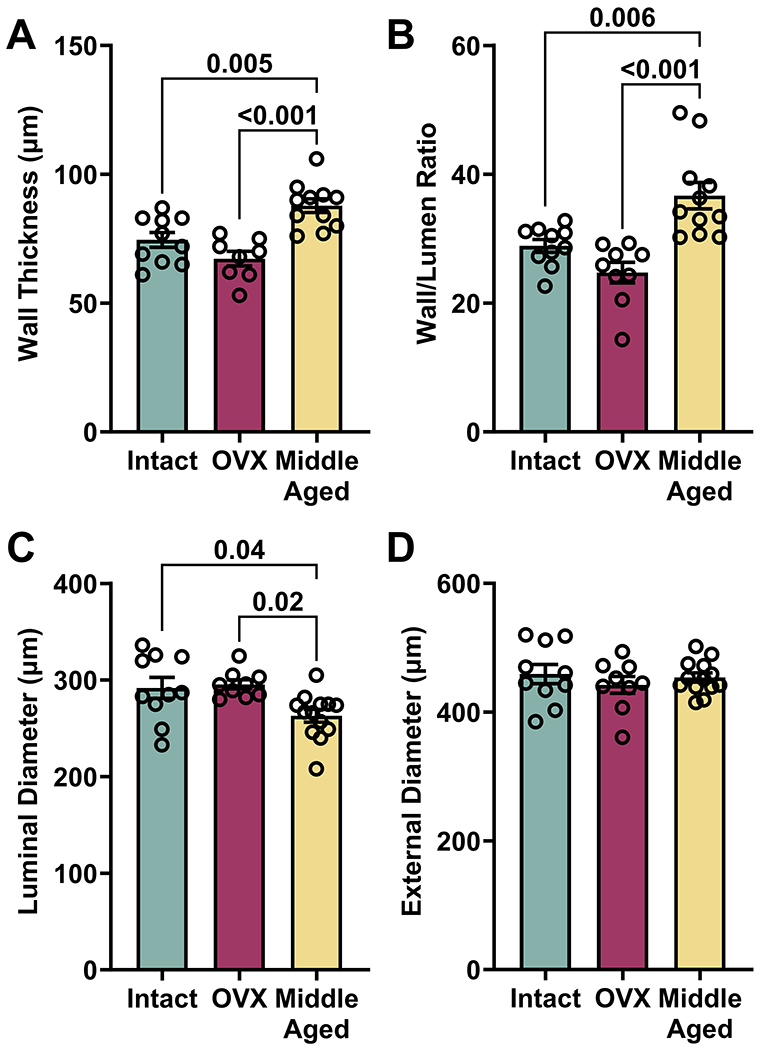
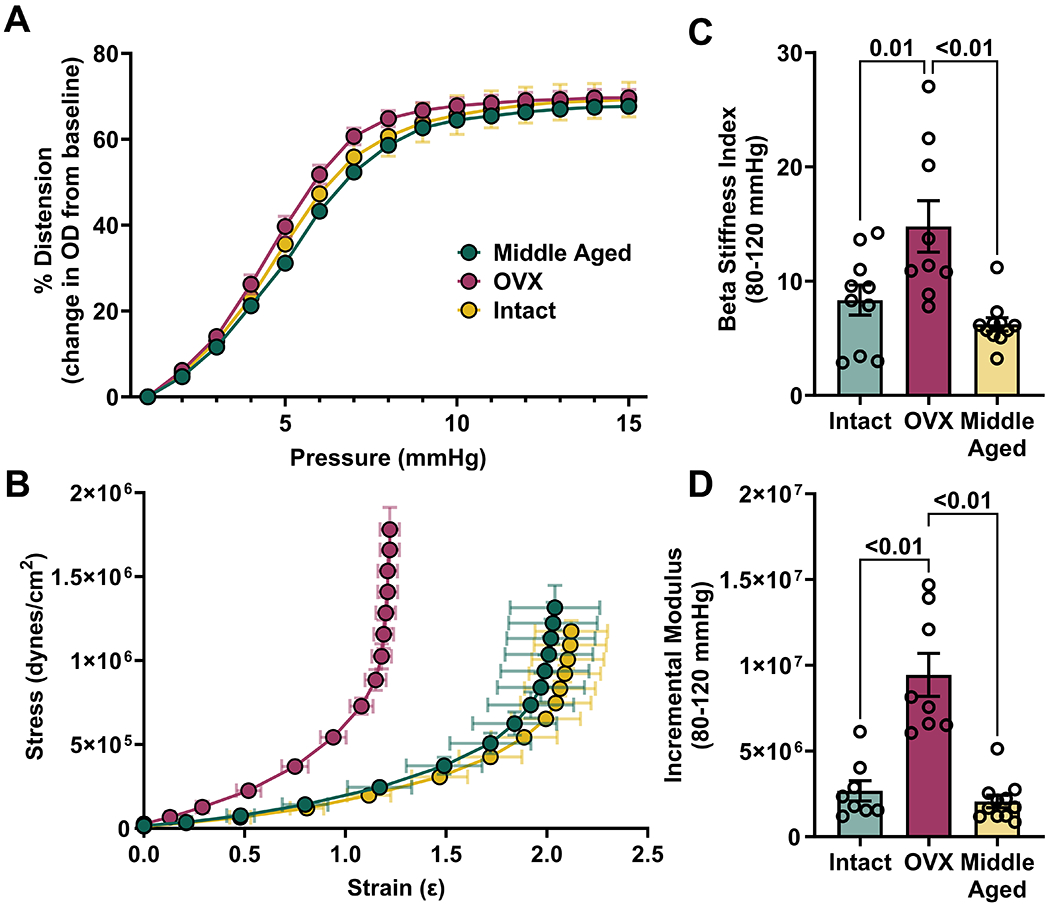
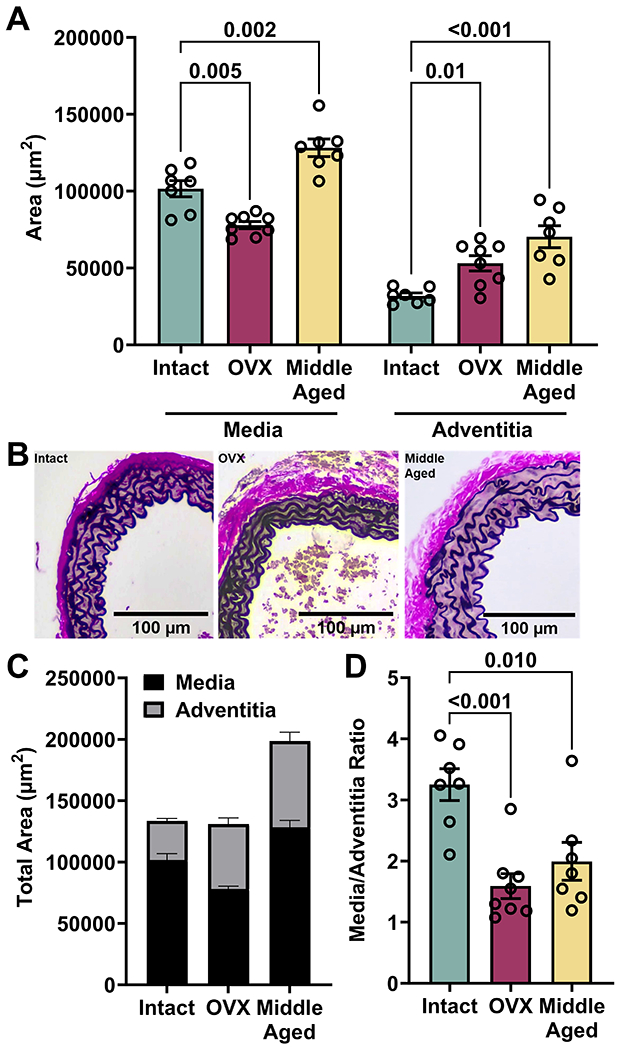
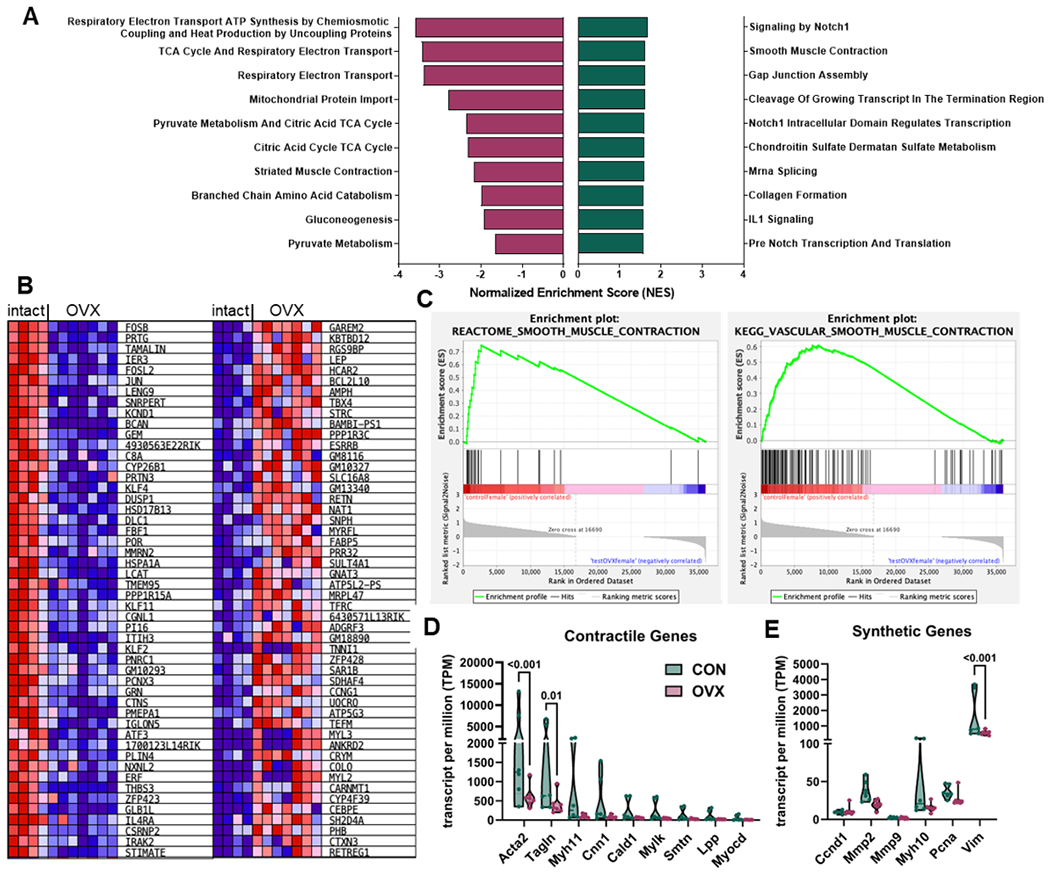
Ovariectomy and aging increased pulse wave velocity to a similar extent independent of changes in blood pressure. Aging increased carotid wall thickness, while ovariectomy increased material stiffness without altering vascular geometry. RNA-sequencing analysis revealed that ovariectomy downregulated smooth muscle contractile genes. The enantiomerically pure G-protein-coupled estrogen receptor agonist, LNS8801, reversed stiffness in ovariectomy mice to a greater degree than the racemic agonist G-1. In summary, ovariectomy and aging induced arterial stiffening via potentially different mechanisms. Aging was associated with inward remodeling, while ovariectomy-induced material stiffness independent of geometry and a loss of the contractile phenotype.
This study enhances our understanding of the impact of estrogen loss on vascular health in a murine model and warrants further studies to examine the ability of LNS8801 to improve vascular health in menopausal women.
动脉僵硬度是心血管风险因素,随着女性绝经过渡会急剧增加。本研究评估了绝经小鼠模型是否以与衰老相似的方式增加动脉僵硬度,以及 G 蛋白偶联雌激素受体的激活是否可以逆转僵硬度。
10 周龄的雌性 C57Bl/6J 小鼠被卵巢切除术或衰老至 52 周,一些小鼠用 G 蛋白偶联雌激素受体激动剂治疗。
卵巢切除术和衰老增加脉搏波速度的程度相似,而不依赖于血压变化。衰老增加了颈动脉壁厚度,而卵巢切除术增加了材料硬度,而不改变血管几何形状。RNA 测序分析显示,卵巢切除术下调了平滑肌收缩基因。对映体纯 G 蛋白偶联雌激素受体激动剂 LNS8801 比外消旋激动剂 G-1 更能逆转卵巢切除小鼠的僵硬度。总之,卵巢切除术和衰老通过潜在的不同机制诱导动脉僵硬度。衰老与内向重塑有关,而卵巢切除术诱导的材料硬度与几何形状无关,并丧失了收缩表型。
这项研究增强了我们对雌激素丧失对小鼠模型血管健康影响的理解,并需要进一步研究来检查 LNS8801 改善绝经后妇女血管健康的能力。