National Institute of Occupational Health, Oslo, Norway.
BMC Public Health. 2024 Mar 7;24(1):734. doi: 10.1186/s12889-024-18252-z.
Home healthcare services are increasingly utilizing novel technologies to enhance quality and efficiency of caregiving, to reduce workloads and compensate for expected labor shortages in the future due to ageing populations. However, rapid, ongoing implementation of new technologies may demand considerable adaptation for employees. The objective of this study was to prospectively examine associations of newly introduced work technologies with neck pain complaints.
With a nationally representative prospective sample of home-care workers in Norway (N = 887), we estimated effects of 1) introducing new technologies and 2) the appraised quality of training during implementation on neck pain eight months after.
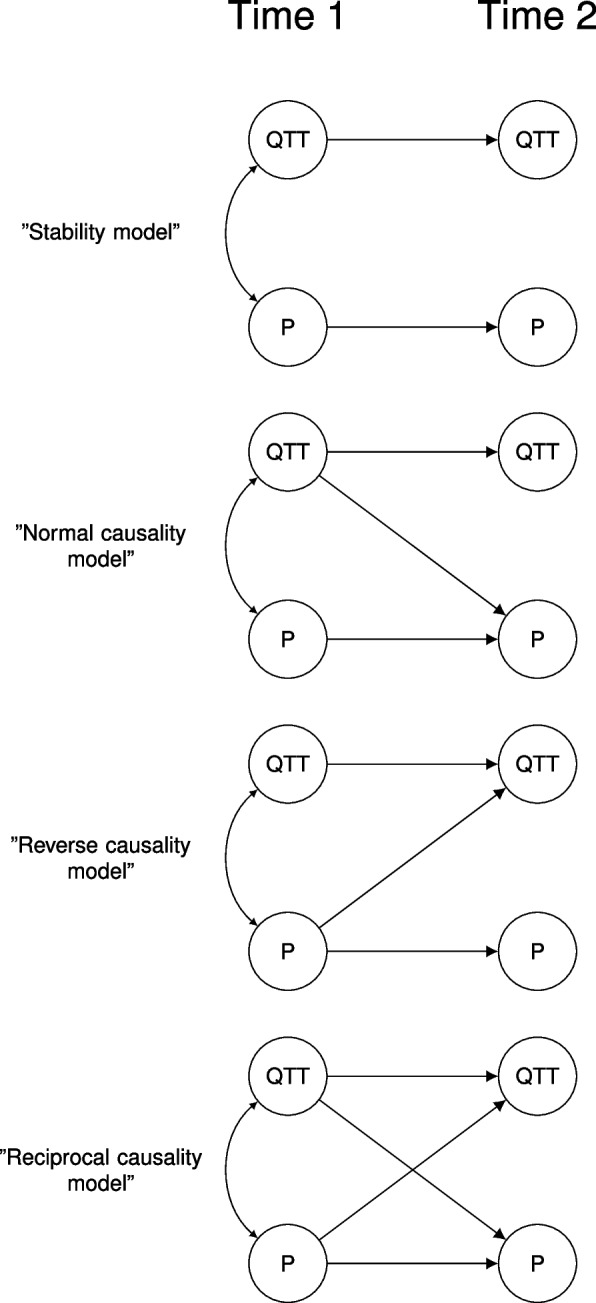
A majority of employees reported new technologies having been introduced the previous 12 months (73.8%). This was not by itself associated with neck pain. However, perceived high quality of training was associated with less subsequent neck pain, also after adjustment for job demands and job control. The strongest effect was seen for "very good" versus "very poor" quality training (OR 0.35, 95% CI 0.17,0.71, in the fully adjusted model). Cross-lagged path analyses ruled out potential reverse causation stemming from the influence of pain on needs for or appraisals of training.
The present findings suggest the introduction of new work technologies has a significant impact on home-care workers' health, depending on the quality of training during implementation. This highlights the need to include training programs in risk assessments when implementing new technologies.
家庭保健服务越来越多地利用新技术来提高护理质量和效率,减轻工作负担,并弥补未来由于人口老龄化导致的劳动力短缺。然而,新技术的快速持续实施可能需要员工进行相当大的适应。本研究的目的是前瞻性地研究新引入的工作技术与颈部疼痛投诉之间的关联。
我们对挪威(N=887)的家庭保健工作者进行了一项全国代表性的前瞻性样本研究,估计了以下两个方面的影响:1)新技术的引入;2)实施过程中培训质量评估对 8 个月后颈部疼痛的影响。
大多数员工报告说,过去 12 个月中引入了新技术(73.8%)。但这本身与颈部疼痛无关。然而,感知到的高质量培训与随后的颈部疼痛较少有关,即使在调整了工作需求和工作控制后也是如此。培训质量评估为“非常好”与“非常差”的情况下,差异最为显著(完全调整模型中的 OR 0.35,95%CI 0.17,0.71)。交叉滞后路径分析排除了由疼痛对培训需求或评估的影响导致的潜在反向因果关系。
本研究结果表明,新技术的引入对家庭保健工作者的健康有重大影响,这取决于实施过程中的培训质量。这强调了在实施新技术时需要将培训计划纳入风险评估。