Hui Haochen, Wang Zhuoya, Zhao Xuerong, Xu Lina, Yin Lianhong, Wang Feifei, Qu Liping, Peng Jinyong
Department of Pharmaceutical Analysis, College of Pharmacy, Dalian Medical University, Dalian, Liaoning, 116044, China.
Innovation Materials Research and Development Center, Botanee Research Institute, Yunnan Botanee Bio-technology Group Co., Ltd., Kunming, 650106, China.
J Pharm Anal. 2024 Feb;14(2):177-195. doi: 10.1016/j.jpha.2023.08.003. Epub 2023 Aug 10.
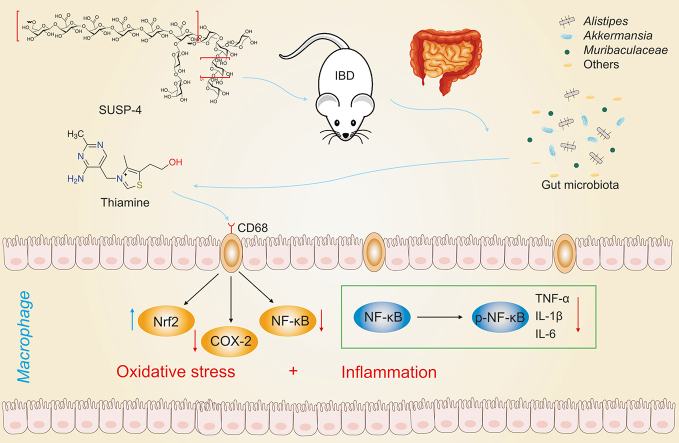
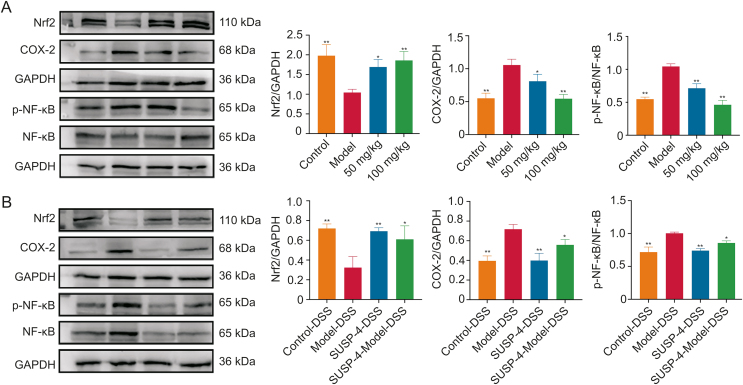
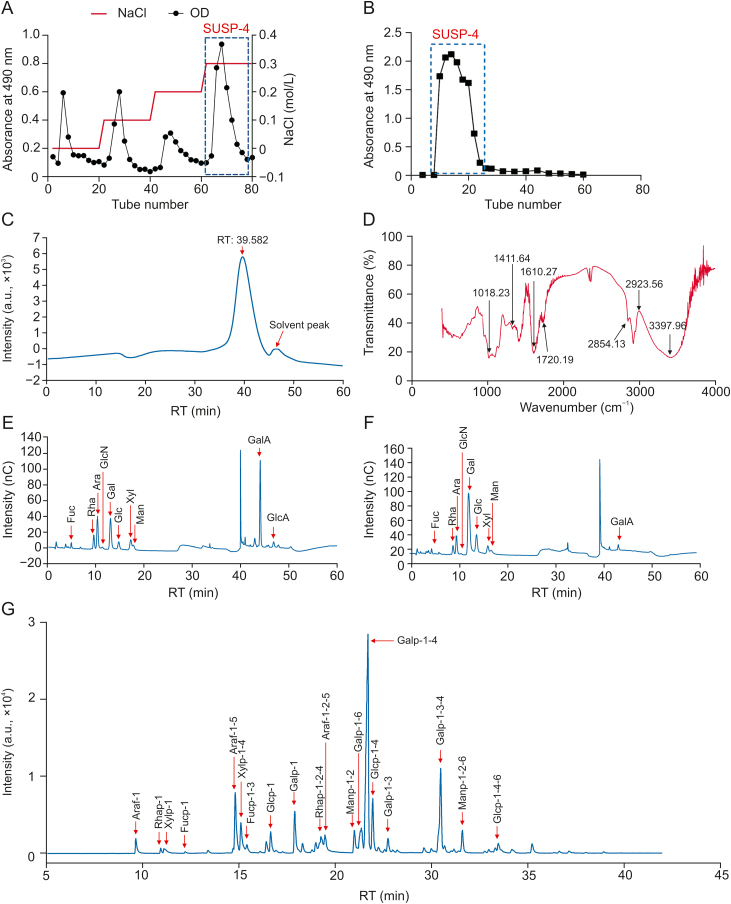
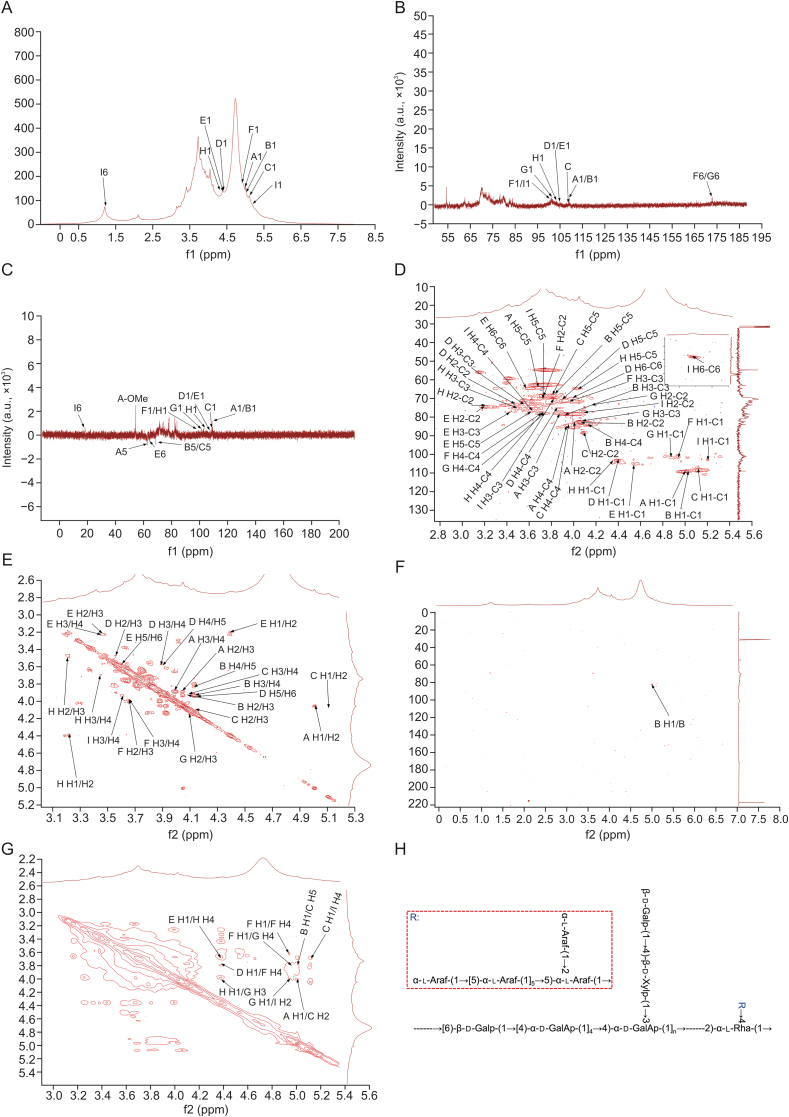
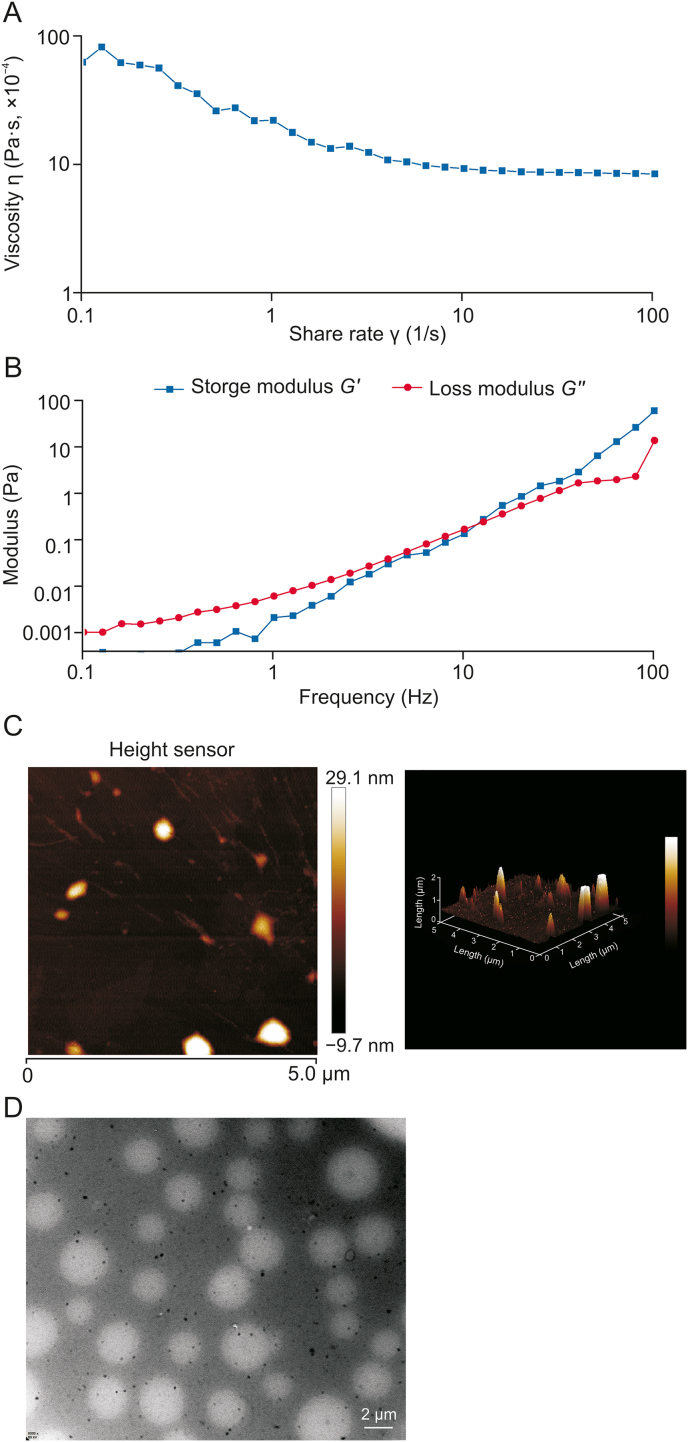
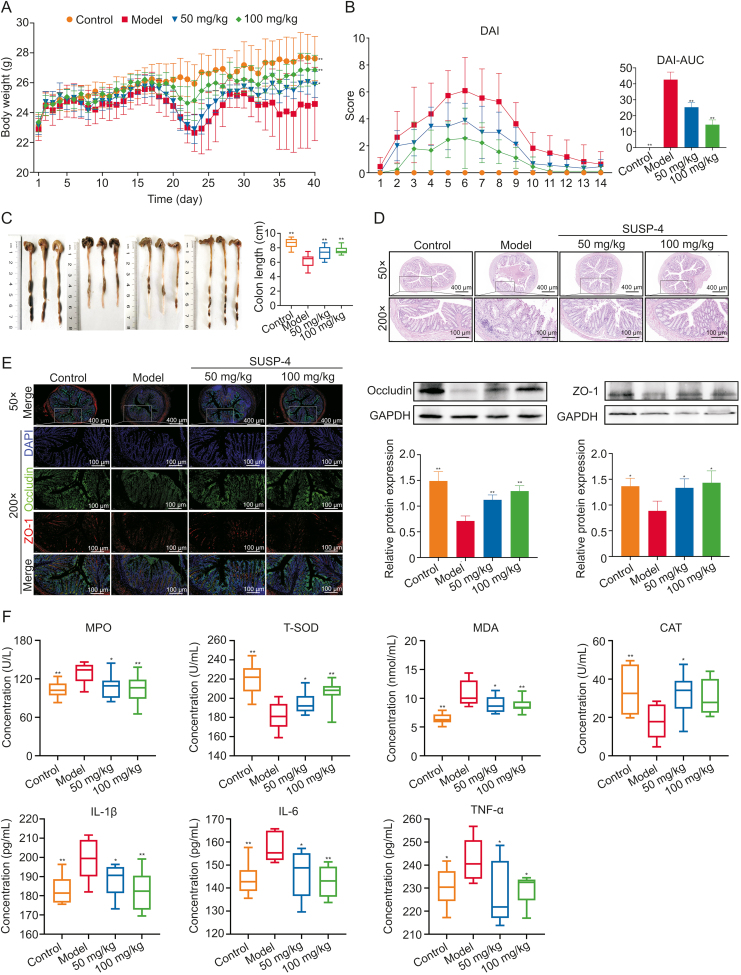
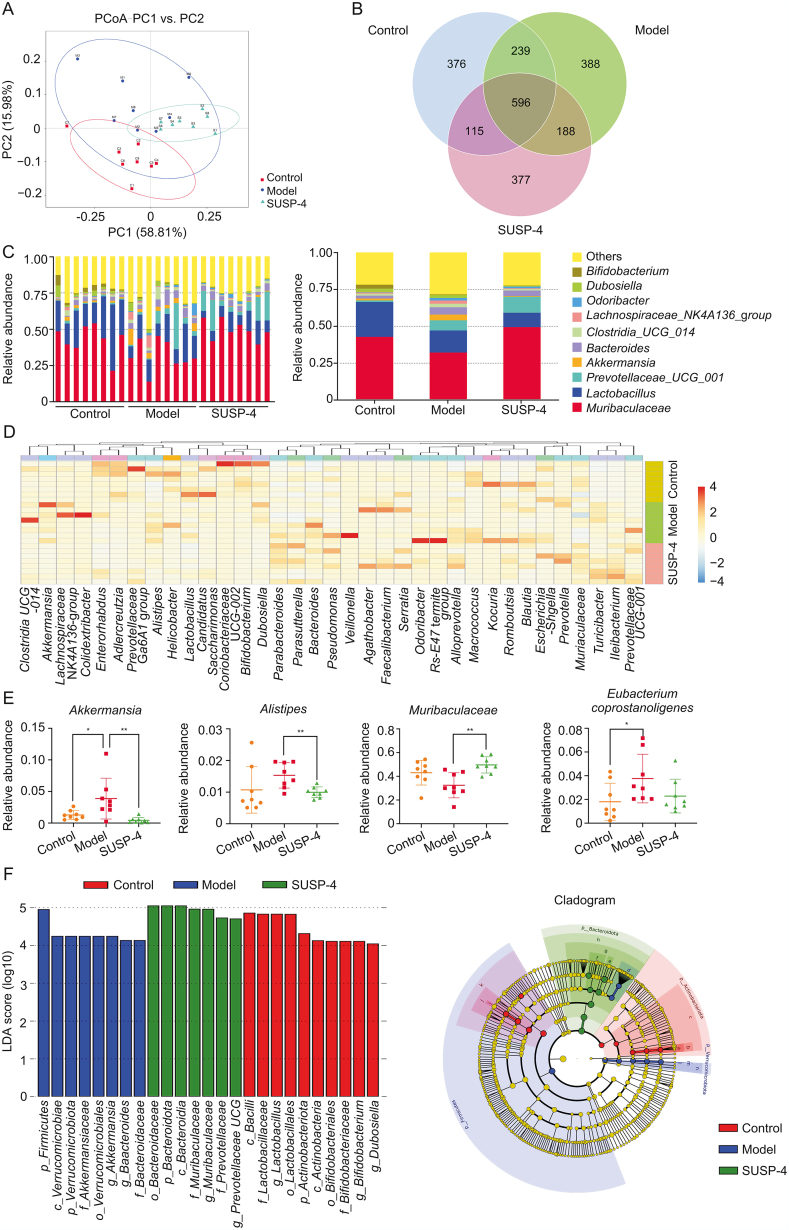
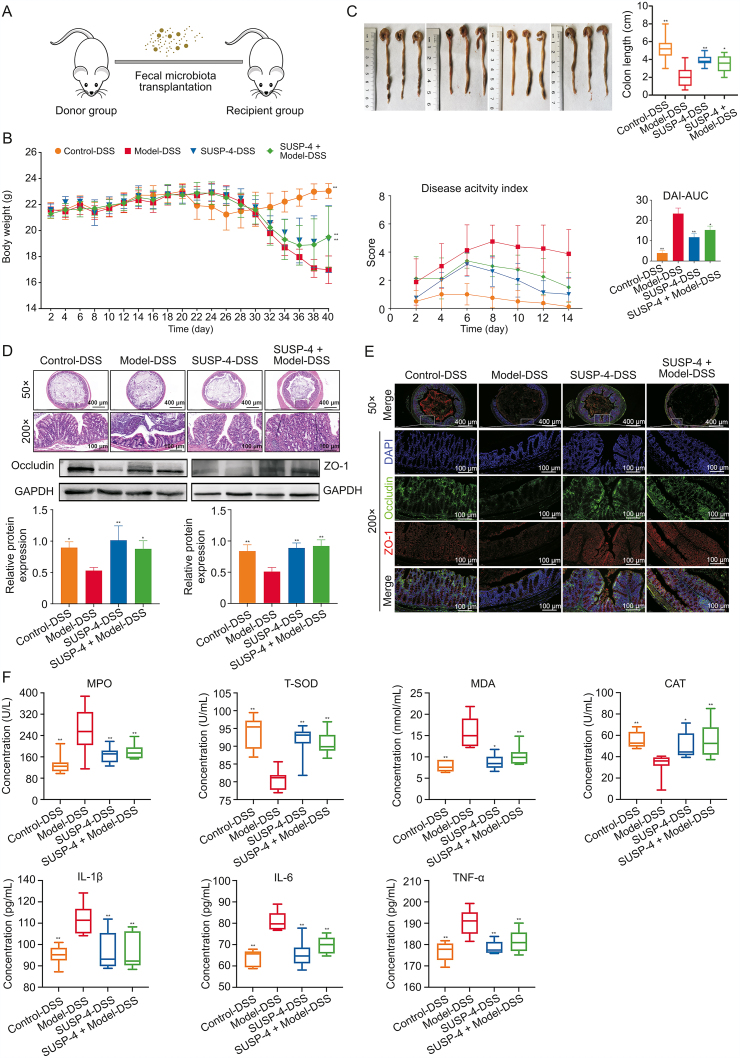
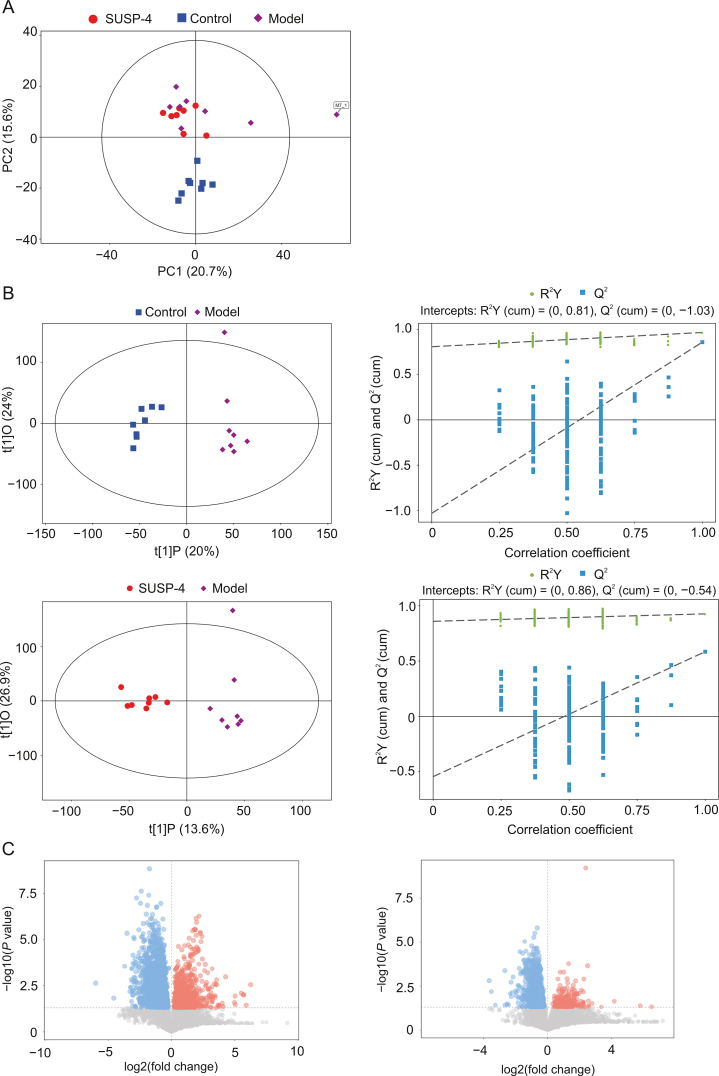
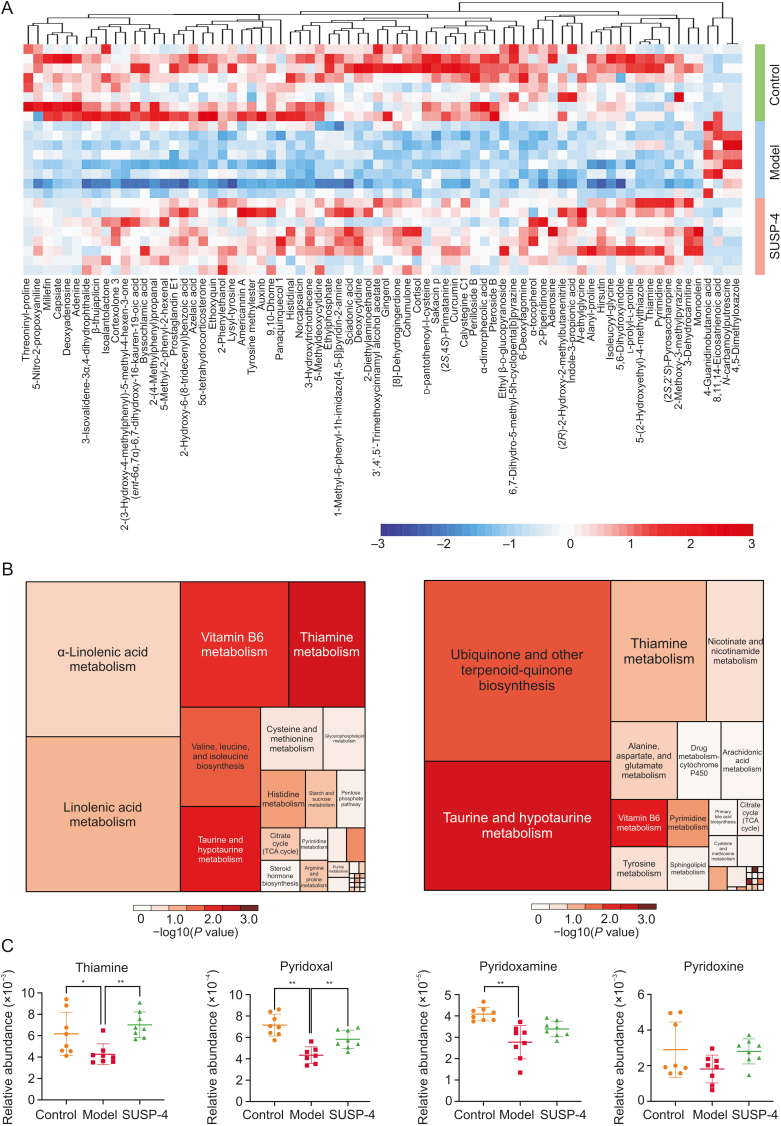
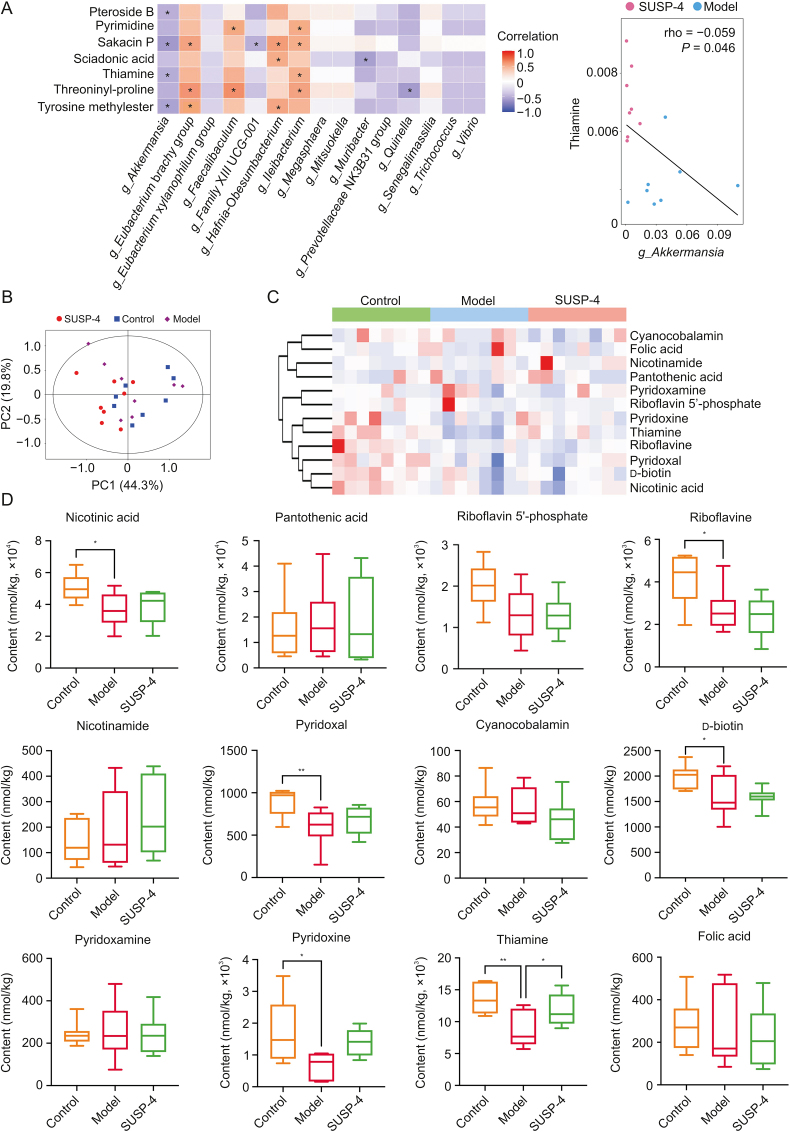
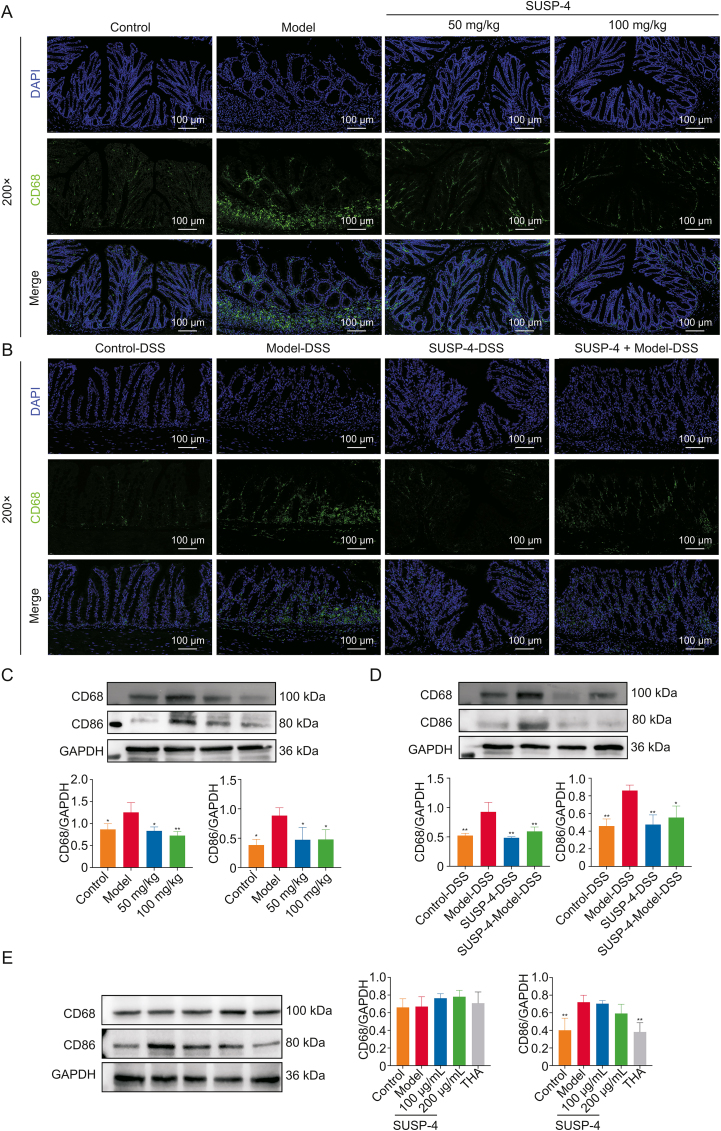
Inflammatory bowel disease (IBD) is a serious disorder, and exploration of active compounds to treat it is necessary. An acidic polysaccharide named SUSP-4 was purified from (Desv.) Spring, which contained galacturonic acid, galactose, xylose, arabinose, and rhamnose with the main chain structure of →4)-α-d-GalAp-(1→ and →6)-β-d-Galp-(1→ and the branched structure of →5)-α-l-Araf-(1→ . Animal experiments showed that compared with Model group, SUSP-4 significantly improved body weight status, disease activity index (DAI), colonic shortening, and histopathological damage, and elevated occludin and zonula occludens protein 1 (ZO-1) expression in mice induced by dextran sulfate sodium salt (DSS). 16S ribosomal RNA (rRNA) sequencing indicated that SUSP-4 markedly downregulated the level of and . Metabolomics results confirmed that SUSP-4 obviously elevated thiamine levels compared with Model mice by adjusting thiamine metabolism, which was further confirmed by a targeted metabolism study. Fecal transplantation experiments showed that SUSP-4 exerted an anti-IBD effect by altering the intestinal flora in mice. A mechanistic study showed that SUSP-4 markedly inhibited macrophage activation by decreasing the levels of phospho-nuclear factor kappa-B (p-NF-κB) and cyclooxygenase-2 (COX-2) and elevating NF-E2-related factor 2 (Nrf2) levels compared with Model group. In conclusion, SUSP-4 affected thiamine metabolism by regulating and inhibited macrophage activation to adjust NF-κB/Nrf2/COX-2-mediated inflammation and oxidative stress against IBD. This is the first time that plant polysaccharides have been shown to affect thiamine metabolism against IBD, showing great potential for in-depth research and development applications.
炎症性肠病(IBD)是一种严重的疾病,因此有必要探索用于治疗它的活性化合物。从[具体植物名称](Desv.)Spring中纯化出一种名为SUSP-4的酸性多糖,其含有半乳糖醛酸、半乳糖、木糖、阿拉伯糖和鼠李糖,主链结构为→4)-α-d-半乳糖醛酸-(1→和→6)-β-d-半乳糖-(1→,支链结构为→5)-α-l-阿拉伯糖-(1→。动物实验表明,与模型组相比,SUSP-4显著改善了体重状况、疾病活动指数(DAI)、结肠缩短和组织病理学损伤,并提高了硫酸葡聚糖钠盐(DSS)诱导的小鼠中闭合蛋白和紧密连接蛋白1(ZO-1)的表达。16S核糖体RNA(rRNA)测序表明,SUSP-4显著下调了[具体微生物名称1]和[具体微生物名称2]的水平。代谢组学结果证实,与模型小鼠相比,SUSP-4通过调节硫胺素代谢明显提高了硫胺素水平,这一点在靶向代谢研究中得到了进一步证实。粪便移植实验表明,SUSP-通过改变小鼠肠道菌群发挥抗IBD作用。机制研究表明,与模型组相比,SUSP-4通过降低磷酸化核因子κB(p-NF-κB)和环氧化酶-2(COX-2)水平以及提高NF-E2相关因子2(Nrf2)水平,显著抑制巨噬细胞活化。总之,SUSP-4通过调节[具体微生物名称1]和[具体微生物名称2]影响硫胺素代谢,并抑制巨噬细胞活化以调节NF-κB/Nrf2/COX-2介导的针对IBD的炎症和氧化应激。这是首次表明植物多糖可通过影响硫胺素代谢来对抗IBD,显示出深入研究和开发应用的巨大潜力。