Kim Seok-Young, Park Ji Eon, Lee Hyo-Jung, Sim Deok Yong, Ahn Chi-Hoon, Park Su-Yeon, Shim Bum-Sang, Kim Bonglee, Lee Dae Young, Kim Sung-Hoon
College of Korean Medicine, Kyung Hee University, Seoul 02447, Republic of Korea.
Department of Herbal Crop Research, National Institute of Horticultural and Herbal Science, Rural Development Administration, Eumseong 27709, Republic of Korea.
Int J Mol Sci. 2024 Feb 28;25(5):2799. doi: 10.3390/ijms25052799.
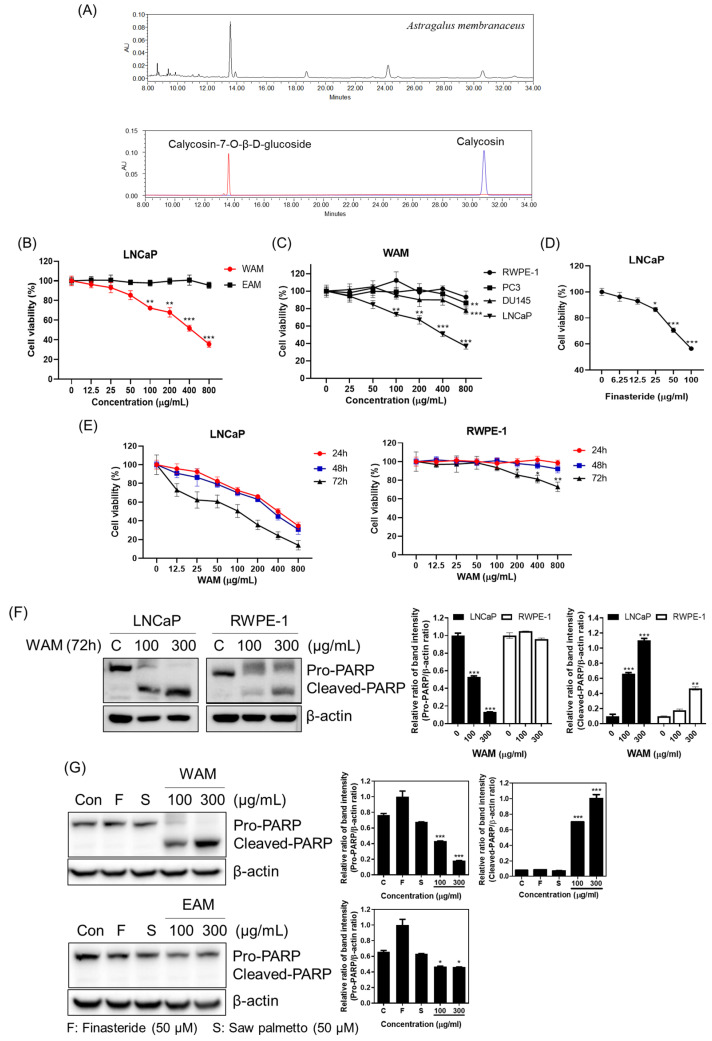
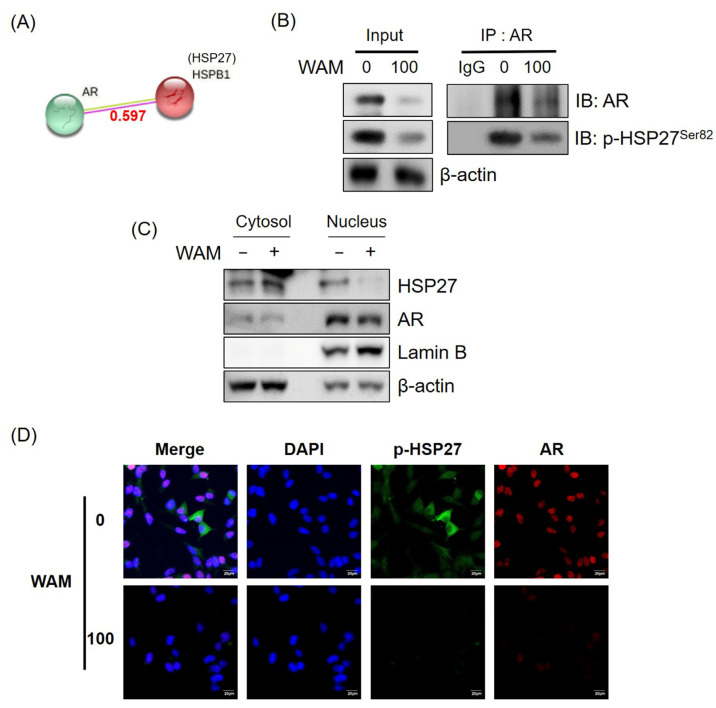
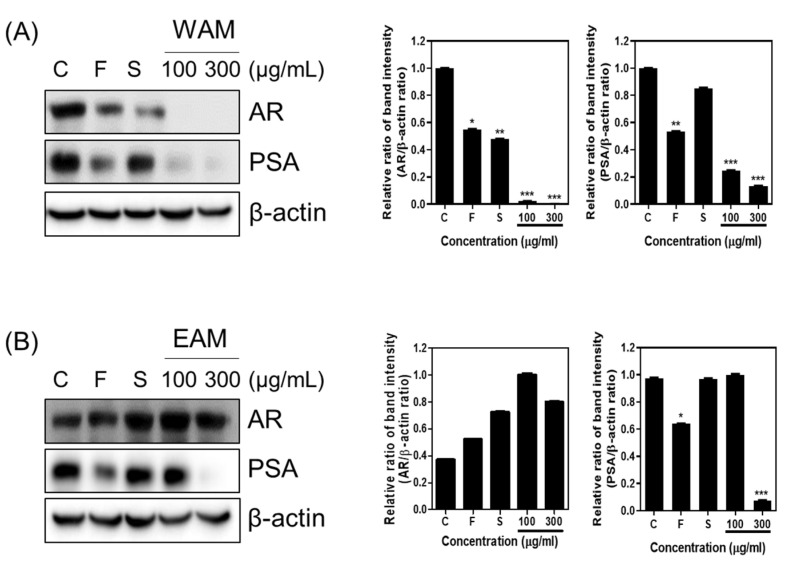
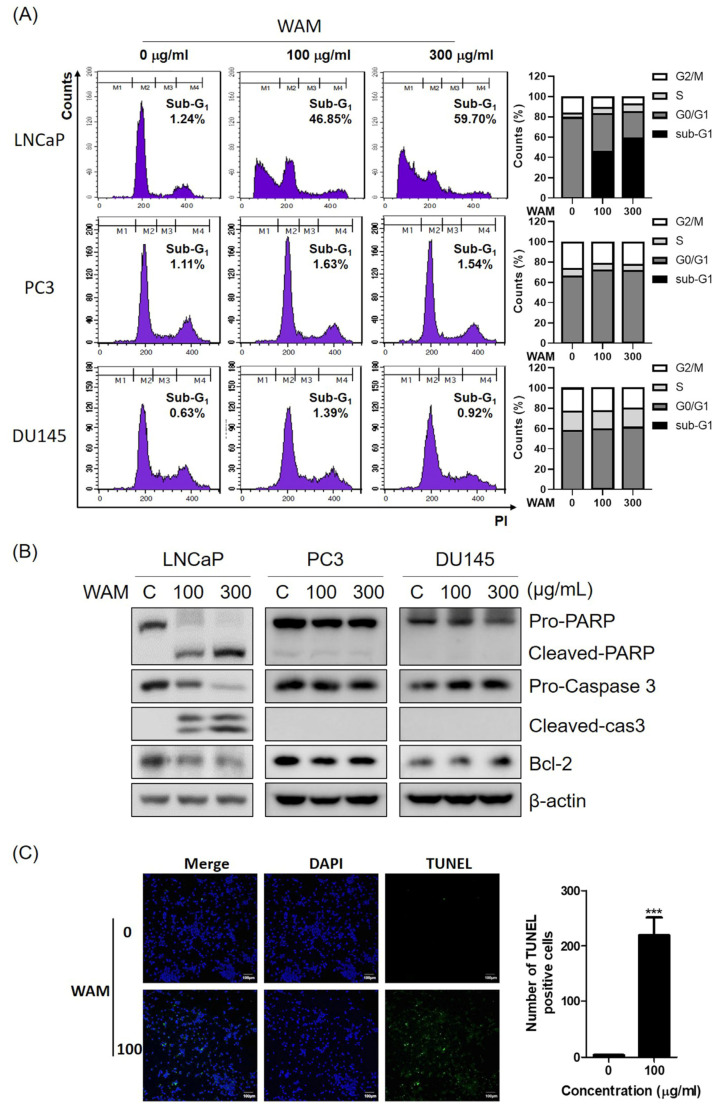
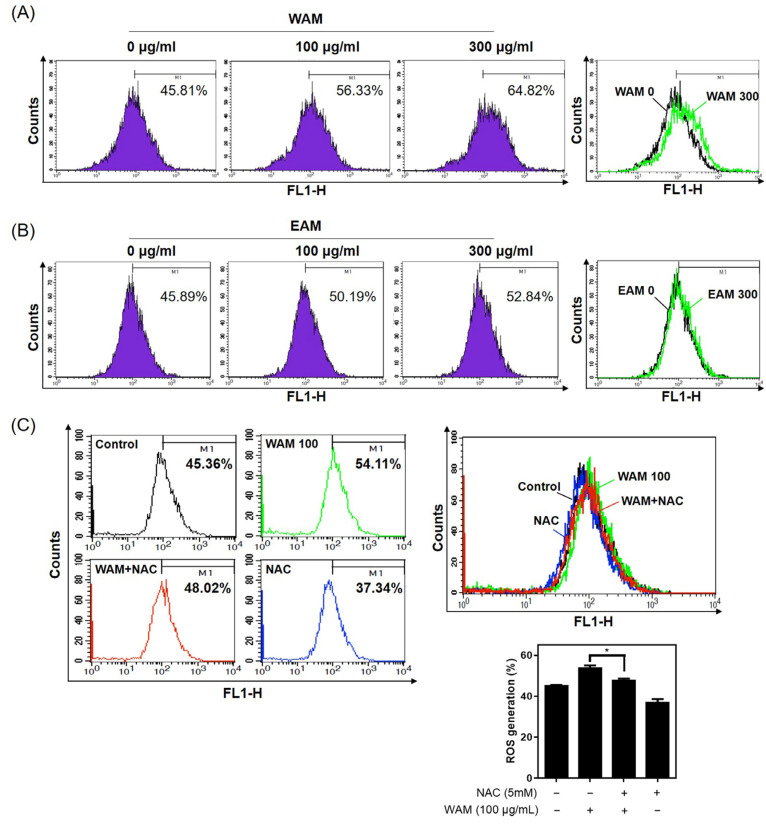
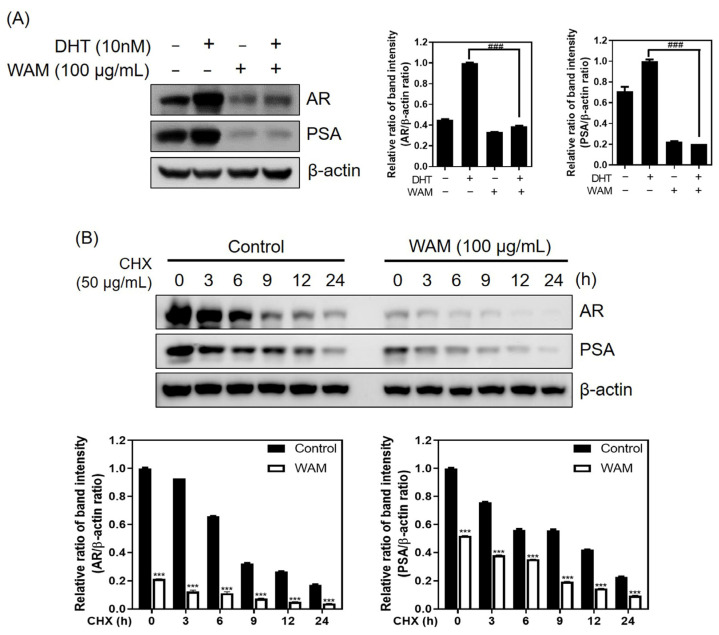
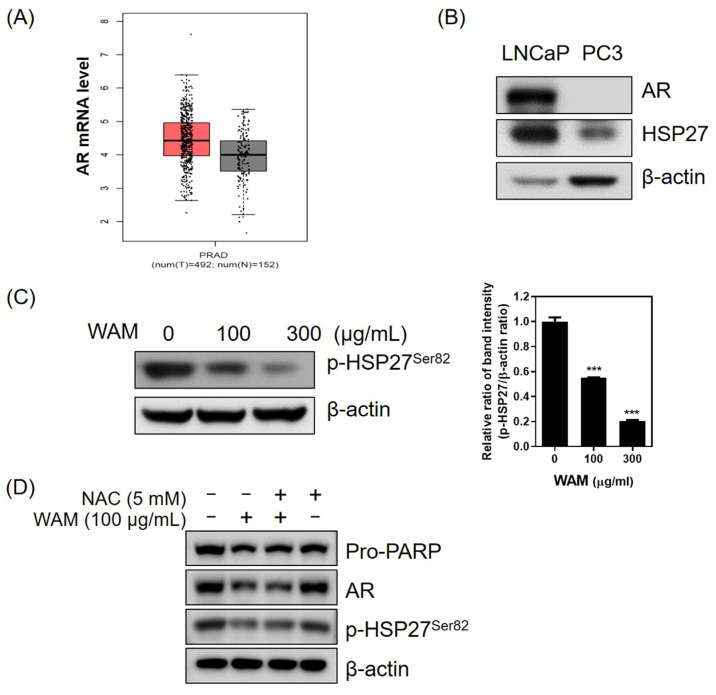
Although is known to have anti-inflammatory, anti-obesity, and anti-oxidant properties, the underlying apoptotic mechanism of extract has never been elucidated in prostate cancer. In this paper, the apoptotic mechanism of a water extract from the dried root of (WAM) was investigated in prostate cancer cells in association with heat shock protein 27 (HSP27)/androgen receptor (AR) signaling. WAM increased cytotoxicity and the sub-G1 population, cleaved poly (ADP-ribose) polymerase (PARP) and cysteine aspartyl-specific protease 3 (caspase 3), and attenuated the expression of B-cell lymphoma 2 (Bcl-2) in LNCaP cells after 24 h of exposure. Consistently, WAM significantly increased the number of terminal deoxynucleotidyl transferase dUTP nick end labeling (TUNEL)-positive LNCaP cells. WAM decreased the phosphorylation of HSP27 on Ser82 and inhibited the expression of the AR and prostate-specific antigen (PSA), along with reducing the nuclear translocation of p-HSP27 and the AR via the disturbed binding of p-HSP27 with the AR in LNCaP cells. WAM consistently inhibited the expression of the AR and PSA in dihydrotestosterone (DHT)-treated LNCaP cells. WAM also suppressed AR stability, both in the presence and absence of cycloheximide, in LNCaP cells. Taken together, these findings provide evidence that WAM induces apoptosis via the inhibition of HSP27/AR signaling in prostate cancer cells and is a potent anticancer candidate for prostate cancer treatment.
尽管已知[具体物质]具有抗炎、抗肥胖和抗氧化特性,但其提取物在前列腺癌中的潜在凋亡机制尚未阐明。本文研究了[具体植物名称]干燥根的水提取物(WAM)在前列腺癌细胞中与热休克蛋白27(HSP27)/雄激素受体(AR)信号相关的凋亡机制。暴露24小时后,WAM增加了LNCaP细胞的细胞毒性和亚G1期细胞群,裂解了聚(ADP - 核糖)聚合酶(PARP)和半胱天冬酶3(caspase 3),并减弱了B细胞淋巴瘤2(Bcl - 2)的表达。一致地,WAM显著增加了末端脱氧核苷酸转移酶dUTP缺口末端标记(TUNEL)阳性LNCaP细胞的数量。WAM降低了Ser82位点上HSP27的磷酸化水平,抑制了AR和前列腺特异性抗原(PSA)的表达,同时通过干扰LNCaP细胞中p - HSP27与AR的结合减少了p - HSP27和AR的核转位。WAM持续抑制二氢睾酮(DHT)处理的LNCaP细胞中AR和PSA的表达。在LNCaP细胞中,无论有无环己酰亚胺,WAM均抑制AR的稳定性。综上所述,这些发现提供了证据,表明WAM通过抑制前列腺癌细胞中的HSP27/AR信号诱导凋亡,是前列腺癌治疗的一种有效的抗癌候选物。