Badri Rawa, Dawood Iyas
Mycetoma Research Centre, Khartoum, Sudan.
Faculty of Medicine, University of Khartoum, Khartoum, Sudan.
Confl Health. 2024 Mar 17;18(1):22. doi: 10.1186/s13031-024-00581-w.
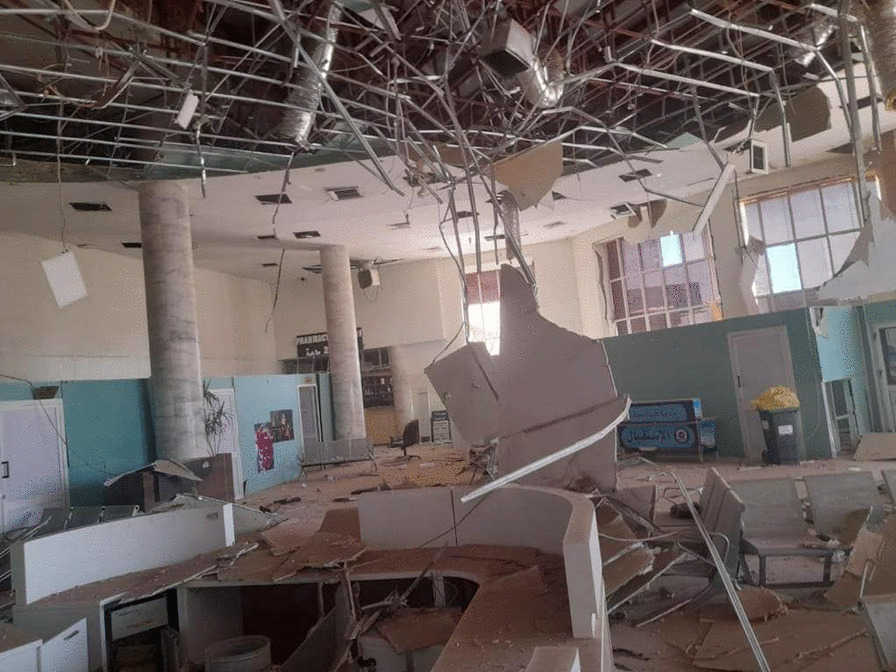
In light of a collapsing healthcare system in Sudan, attacks on healthcare institutions and staff have markedly increased since the eruption of war on the 15th of April, costing many precious lives and valuable hospitals. Around 60 attacks on health facilities have been reported so far, many occupied by one or the other sides of the conflict, and the rest exhibit medication shortages and safety issues; hence, two-thirds of the medical centers are nonfunctioning. More than 200 violations against medical staff were recorded all over the country, which led to the death of 38 healthcare workers. Killing, kidnapping, and assaulting doctors, consequently led to a huge shortage in staff in the few barely working facilities, as the remaining health workers were concerned regarding their safety. Recommendations consisted of ceasing fire, restoring and resuming healthcare services, and insurance of a safe working environment. International collaboration and sufficient financial support are crucial to restore the healthcare system in Sudan.
鉴于苏丹医疗体系的崩溃,自4月15日战争爆发以来,对医疗机构和医护人员的袭击显著增加,造成许多宝贵生命丧失,众多医院受损。截至目前,已报告约60起针对医疗设施的袭击事件,许多设施被冲突双方之一占领,其余设施则存在药品短缺和安全问题;因此,三分之二的医疗中心无法正常运转。全国记录了200多起针对医护人员的暴力事件,导致38名医护人员死亡。杀害、绑架和袭击医生的行为,致使少数仍在勉强运转的设施严重缺员,因为其余医护人员担心自身安全。建议包括停火、恢复和重启医疗服务,以及确保安全的工作环境。国际合作和充足的资金支持对于恢复苏丹的医疗体系至关重要。