Salem Maha Badr, El-Lakkany Naglaa Mohamed, Seif El-Din Sayed Hassan, Hammam Olfat Ali, Samir Safia
Department of Pharmacology, Theodor Bilharz Research Institute, Warrak El-Hadar, Imbaba, Giza, 12411, Egypt.
Department of Pathology, Theodor Bilharz Research Institute, Warrak El-Hadar, Imbaba, Giza, 12411, Egypt.
Heliyon. 2024 Mar 7;10(6):e27527. doi: 10.1016/j.heliyon.2024.e27527. eCollection 2024 Mar 30.
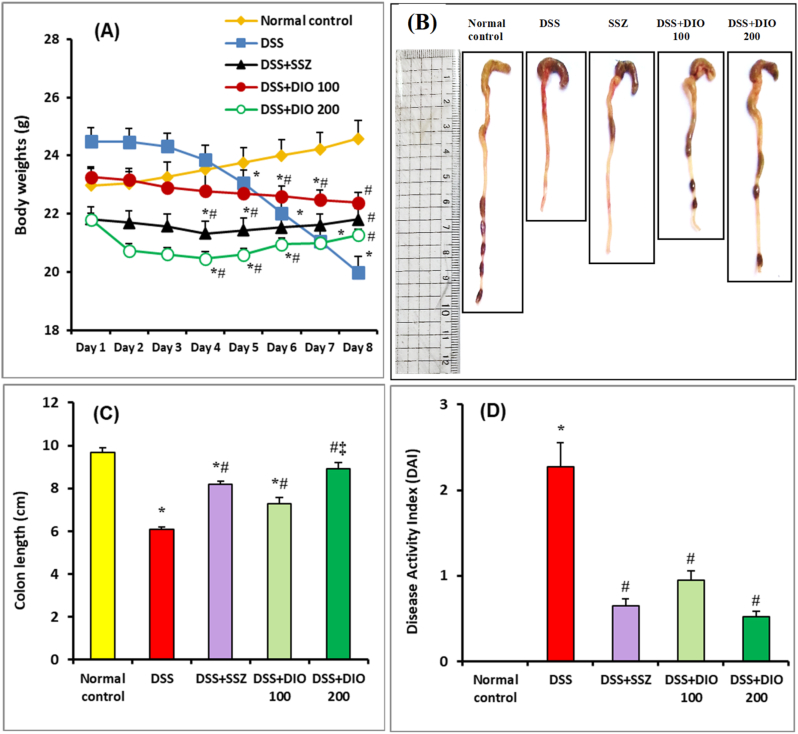
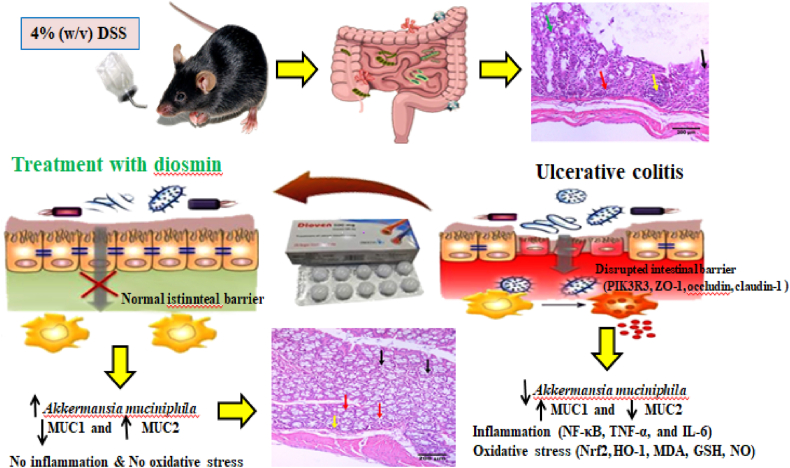
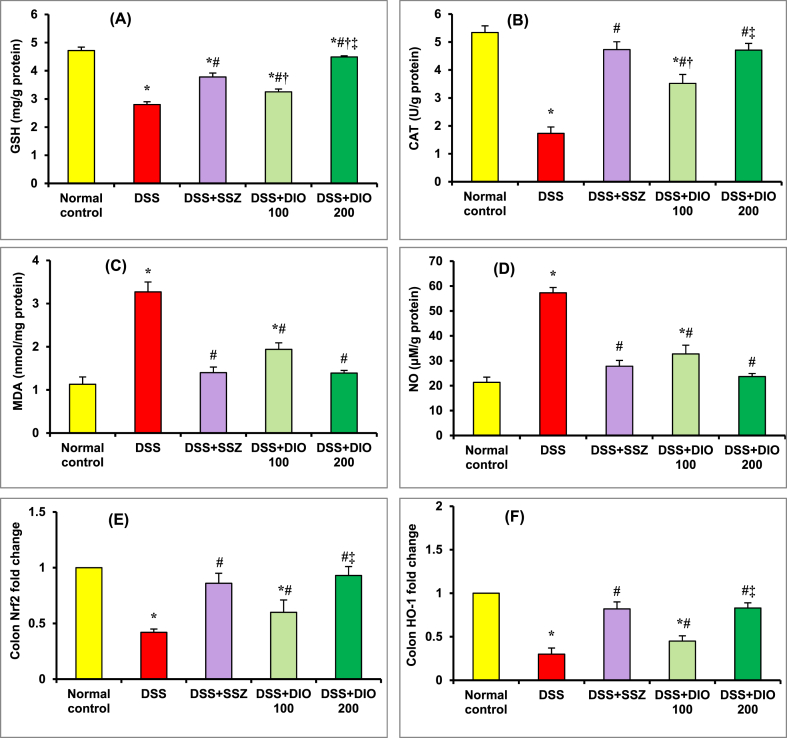
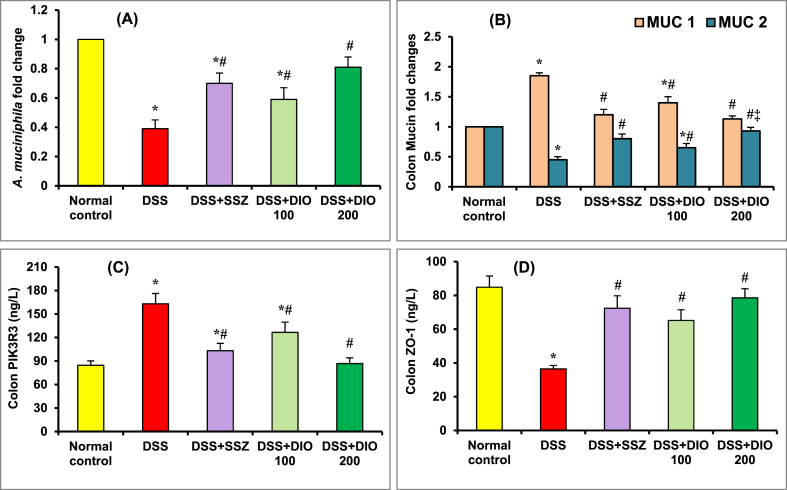
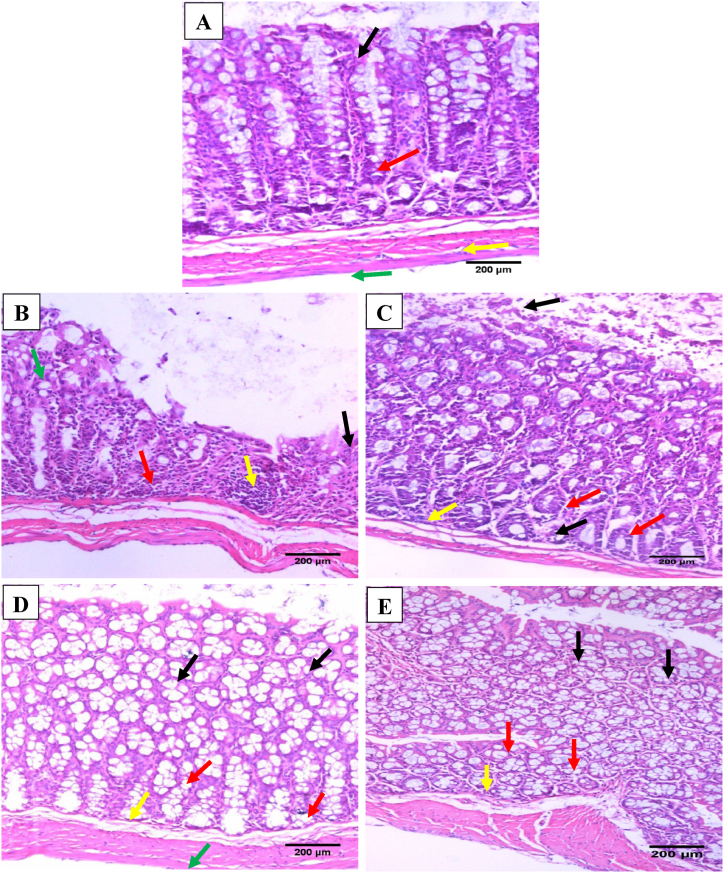
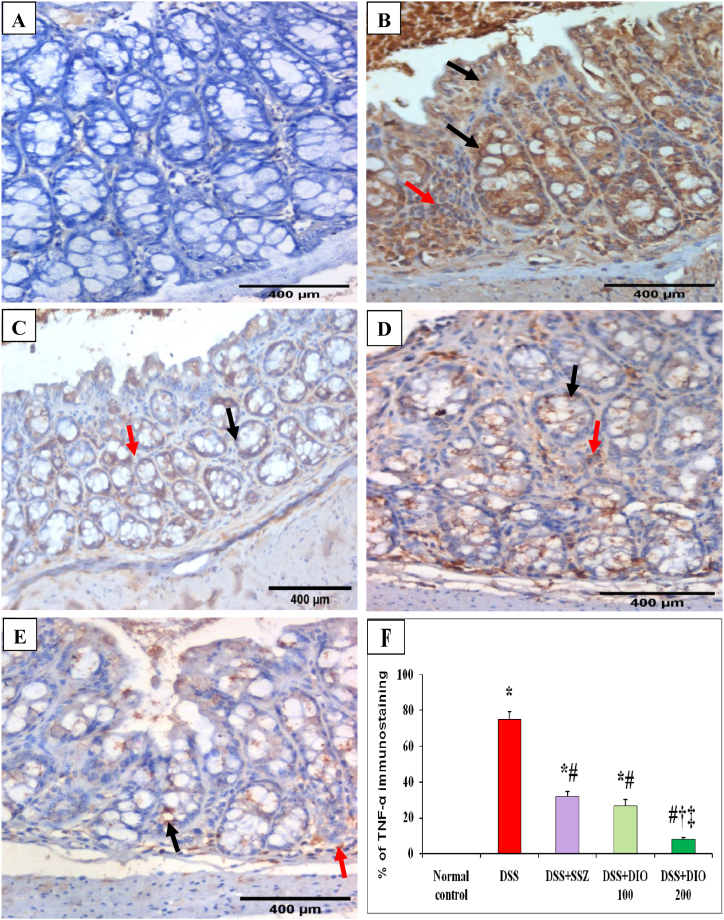
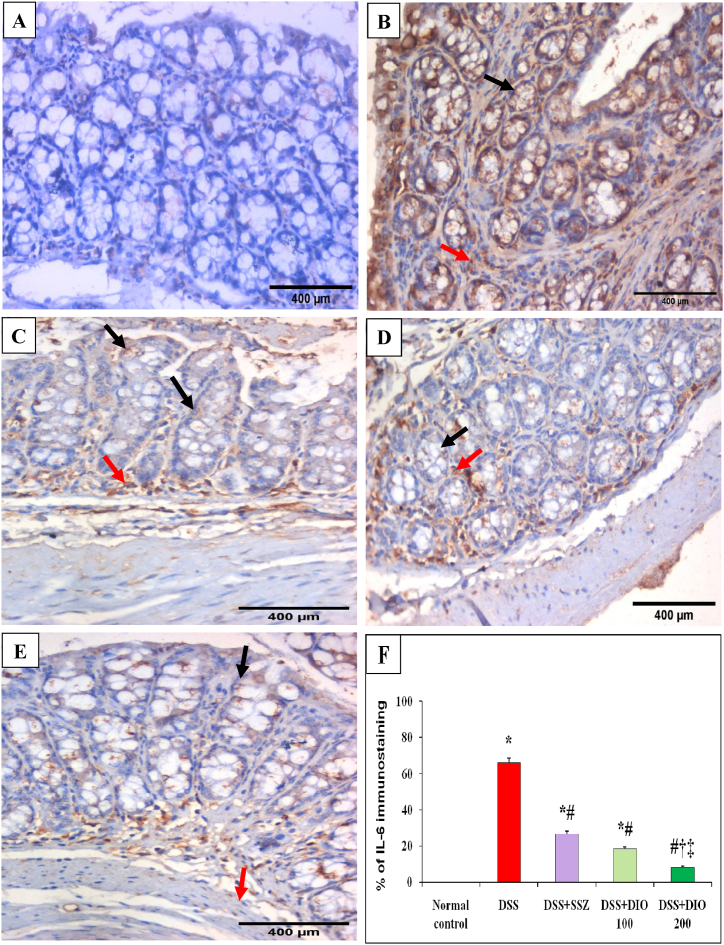
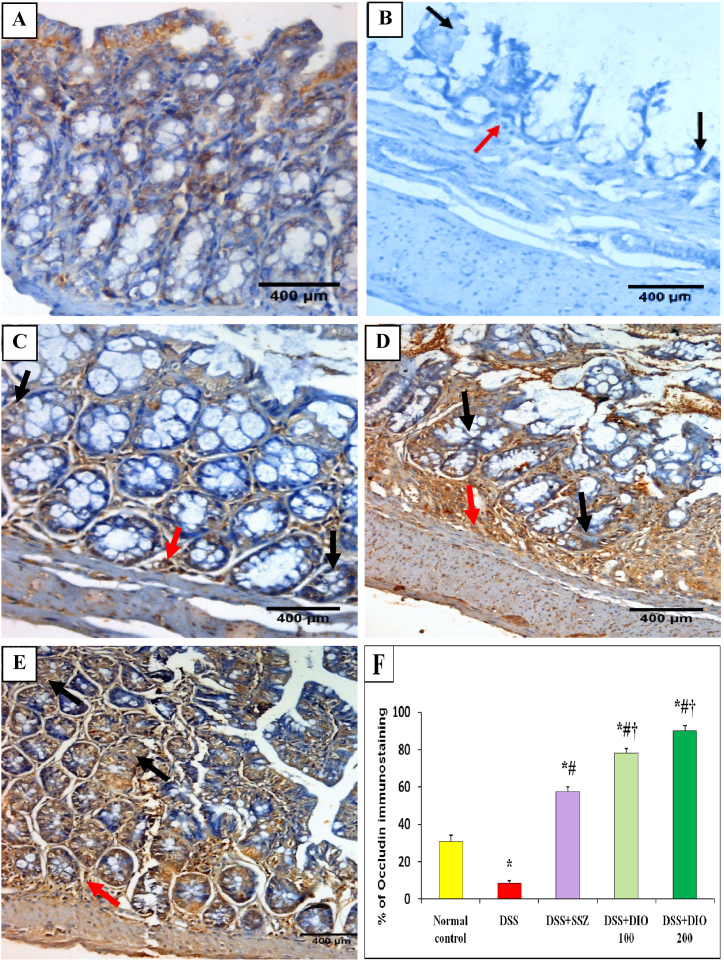
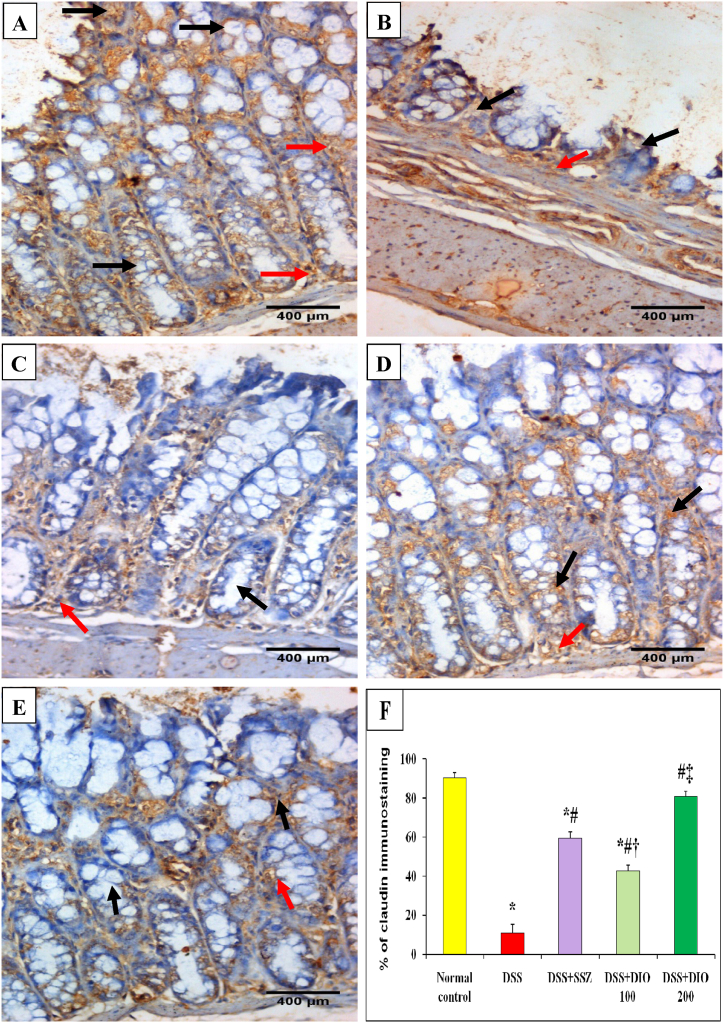
Ulcerative colitis is a common type of inflammatory bowel disease that affects millions of individuals around the world. Traditional UC treatment has focused on suppressing immune responses rather than treating the underlying causes of UC, which include oxidative stress, inflammation, and microbiota dysbiosis. Diosmin (DIO), a naturally occurring flavonoid, possesses antioxidant and anti-inflammatory properties. This study aimed to assess the efficacy of DIO in treating dextran-sulfate sodium (DSS)-induced colitis, and to investigate some of its underlying mechanisms, with an emphasis on abundance, inflammatory markers, and intestinal barrier function. C57BL/6 mice were given 4% (w/v) DSS to induce colitis. DSS-induced mice were administered DIO (100 and 200 mg/kg) or sulfasalazine orally for 7 days. Every day, the disease activity index (DAI) was determined by recording body weight, diarrhea, and bloody stool. Changes in fecal abundance, colonic MUC1 and MUC2 expression, as well as oxidative stress and inflammatory markers were all assessed. Histopathological changes, colonic PIK3PR3 and ZO-1 levels, and immunohistochemical examinations of occludin and claudin-1, were investigated. DIO administration resulted in a dose-dependent decrease in DAI, as well as increase in abundance and MUC2 expression while decreasing MUC1 expression. DIO also dramatically reduced colonic oxidative stress and inflammation by regulating the NF-κB and Nrf2 cascades, restored intestinal barrier integrity by inhibiting PIK3R3 and inducing ZO-1, and improved occludin/claudin-1 gene expression and immunostaining. This study provides the first evidence that DIO preserves intestinal barrier integrity and increases abundance in DSS-induced colitis. However, more research is required to explore the impact of DIO on the overall composition and diversity of the gut microbiota. Likewise, it will be important to fully understand the molecular mechanisms by which maintains intestinal barrier function and its potential use as an adjuvant in the treatment of UC.
溃疡性结肠炎是一种常见的炎症性肠病,影响着全球数百万人。传统的溃疡性结肠炎治疗方法侧重于抑制免疫反应,而非治疗溃疡性结肠炎的根本原因,这些原因包括氧化应激、炎症和微生物群失调。地奥司明(DIO)是一种天然存在的类黄酮,具有抗氧化和抗炎特性。本研究旨在评估地奥司明治疗硫酸葡聚糖钠(DSS)诱导的结肠炎的疗效,并研究其一些潜在机制,重点关注其丰度、炎症标志物和肠道屏障功能。给C57BL/6小鼠喂食4%(w/v)的硫酸葡聚糖钠以诱导结肠炎。给DSS诱导的小鼠口服地奥司明(100和200mg/kg)或柳氮磺胺吡啶,持续7天。每天通过记录体重、腹泻和便血来确定疾病活动指数(DAI)。评估粪便丰度、结肠MUC1和MUC2表达的变化,以及氧化应激和炎症标志物。研究组织病理学变化、结肠PIK3PR3和ZO-1水平,以及紧密连接蛋白和闭合蛋白-1的免疫组化检查。给予地奥司明导致疾病活动指数呈剂量依赖性降低,同时丰度增加,MUC2表达增加,而MUC1表达降低。地奥司明还通过调节NF-κB和Nrf2级联反应显著降低结肠氧化应激和炎症,通过抑制PIK3R3和诱导ZO-1恢复肠道屏障完整性,并改善紧密连接蛋白/闭合蛋白-1基因表达和免疫染色。本研究首次证明地奥司明在DSS诱导的结肠炎中可维持肠道屏障完整性并增加丰度。然而,需要更多研究来探索地奥司明对肠道微生物群整体组成和多样性的影响。同样,充分了解维持肠道屏障功能的分子机制及其作为溃疡性结肠炎治疗辅助药物的潜在用途也很重要。