Department of Pharmacognosy and Pharmaceutical Botany, Faculty of Pharmaceutical Sciences, Chulalongkorn University, Bangkok, Thailand.
Center of Excellence in Plant-Produced Pharmaceuticals, Chulalongkorn University, Bangkok, Thailand.
Hum Vaccin Immunother. 2024 Dec 31;20(1):2327142. doi: 10.1080/21645515.2024.2327142. Epub 2024 Mar 20.
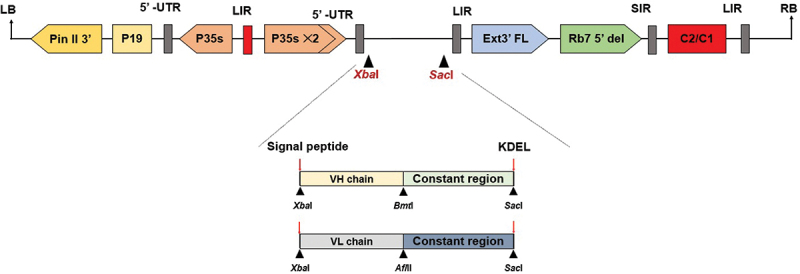
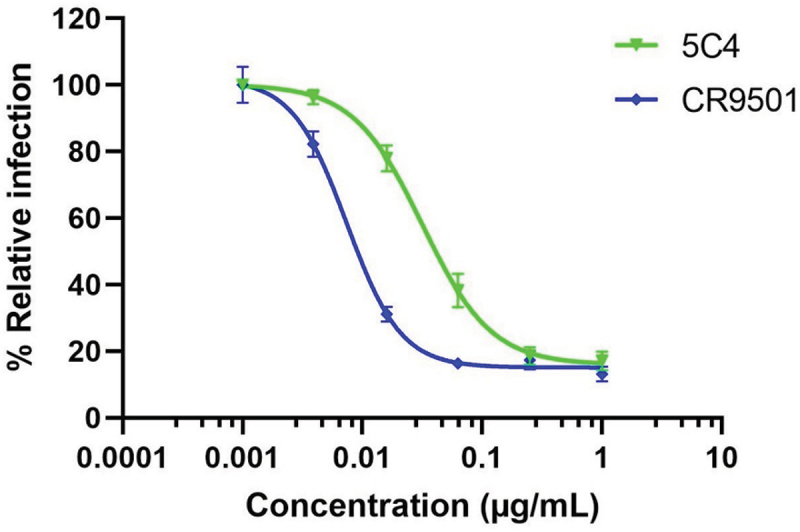
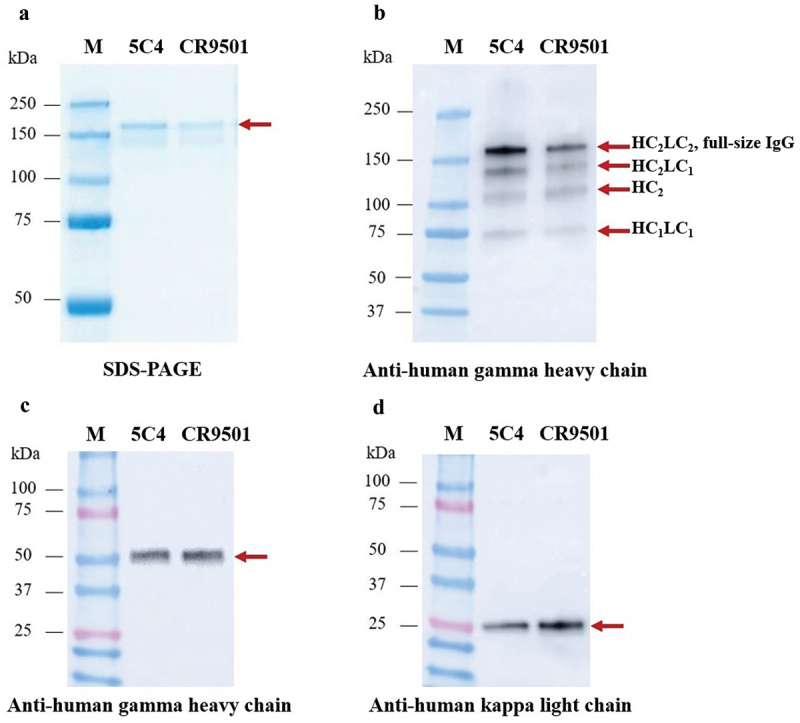
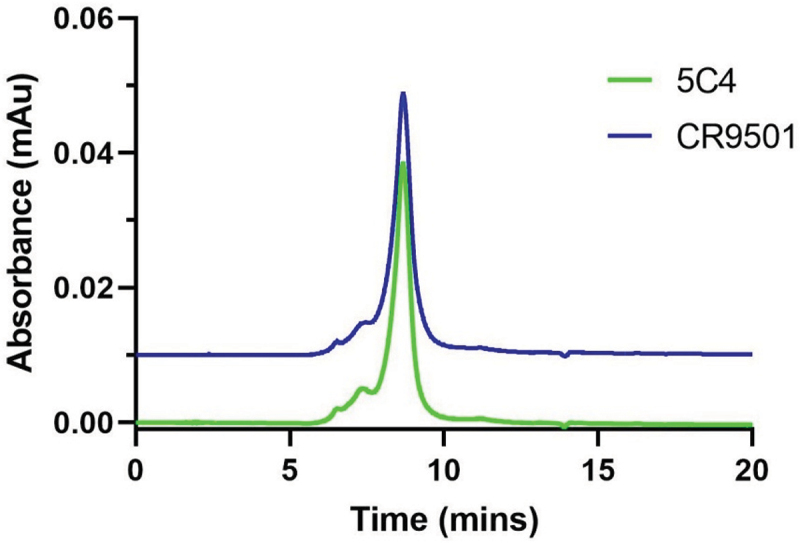
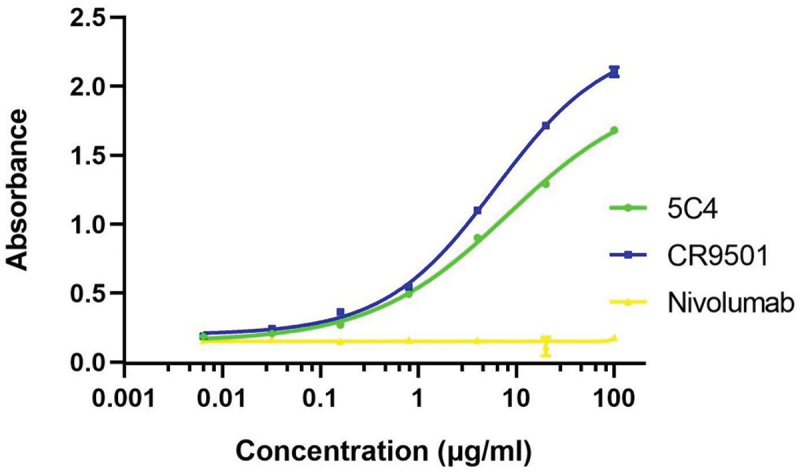
Respiratory syncytial virus (RSV) is a highly contagious virus that affects the lungs and respiratory passages of many vulnerable people. It is a leading cause of lower respiratory tract infections and clinical complications, particularly among infants and elderly. It can develop into serious complications such as pneumonia and bronchiolitis. The development of RSV vaccine or immunoprophylaxis remains highly active and a global health priority. Currently, GSK's Arexvy™ vaccine is approved for the prevention of lower respiratory tract disease in older adults (>60 years). Palivizumab and currently nirsevimab are the approved monoclonal antibodies (mAbs) for RSV prevention in high-risk patients. Many studies are ongoing to develop additional therapeutic antibodies for preventing RSV infections among newborns and other susceptible groups. Recently, additional antibodies have been discovered and shown greater potential for development as therapeutic alternatives to palivizumab and nirsevimab. Plant expression platforms have proven successful in producing recombinant proteins, including antibodies, offering a potential cost-effective alternative to mammalian expression platforms. Hence in this study, an attempt was made to use a plant expression platform to produce two anti-RSV fusion (F) mAbs 5C4 and CR9501. The heavy-chain and light-chain sequences of both these antibodies were transiently expressed in plants using a geminiviral vector and then purified using single-step protein A affinity column chromatography. Both these plant-produced mAbs showed specific binding to the RSV fusion protein and demonstrate effective viral neutralization activity . These preliminary findings suggest that plant-produced anti-RSV mAbs are able to neutralize RSV .
呼吸道合胞病毒(RSV)是一种高度传染性的病毒,可影响许多易感染人群的肺部和呼吸道。它是下呼吸道感染和临床并发症的主要原因,尤其是在婴儿和老年人中。它可能发展成严重的并发症,如肺炎和细支气管炎。RSV 疫苗或免疫预防的开发仍然非常活跃,是全球卫生的重点。目前,葛兰素史克公司的 Arexvy™疫苗已获准用于预防老年人(>60 岁)下呼吸道疾病。帕利珠单抗和目前的 nirsevimab 是预防高危患者 RSV 的批准单克隆抗体(mAbs)。许多研究正在进行中,以开发其他治疗性抗体,用于预防新生儿和其他易感人群的 RSV 感染。最近,已经发现了其他抗体,并显示出作为 palivizumab 和 nirsevimab 的治疗替代品的更大发展潜力。植物表达平台已被证明在生产重组蛋白方面非常成功,包括抗体,为哺乳动物表达平台提供了一种潜在的具有成本效益的替代方案。因此,在这项研究中,尝试使用植物表达平台生产两种抗 RSV 融合(F)mAb 5C4 和 CR9501。这两种抗体的重链和轻链序列均使用双生病毒载体在植物中瞬时表达,然后使用单步蛋白 A 亲和柱层析进行纯化。这两种植物产生的 mAb 均显示出与 RSV 融合蛋白的特异性结合,并显示出有效的病毒中和活性。这些初步结果表明,植物产生的抗 RSV mAb 能够中和 RSV。