BioMedical Printing Technology, Department of Mechanical Engineering, Technical University of Darmstadt, 64289, Darmstadt, Germany.
ibidi GmbH, Lochhamer Schlag 11, 82166, Gräfelfing, Germany.
Adv Healthc Mater. 2024 Jul;13(17):e2304028. doi: 10.1002/adhm.202304028. Epub 2024 Apr 3.
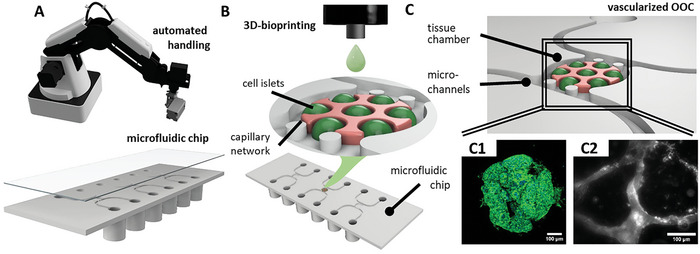
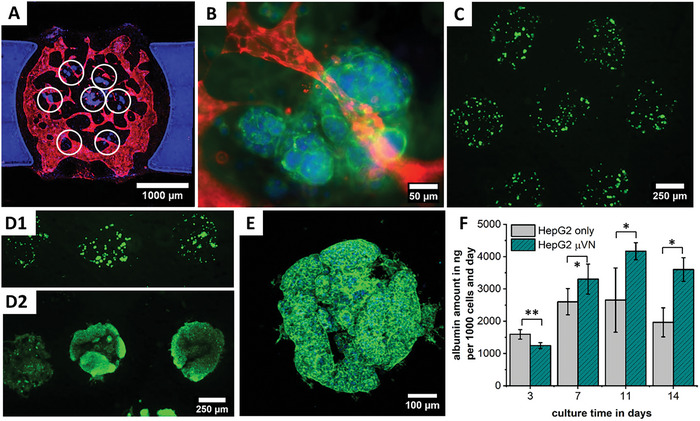
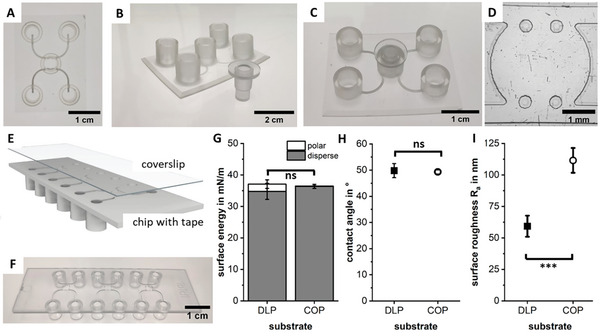
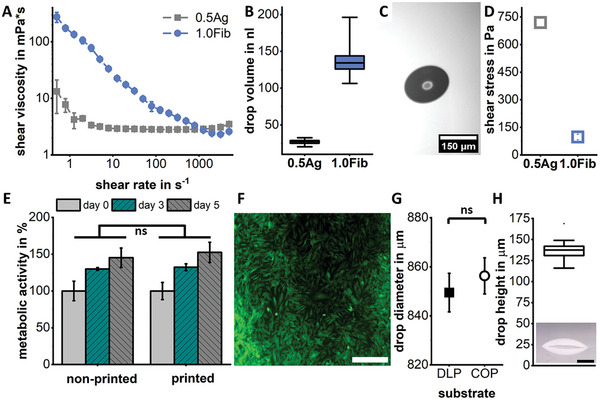
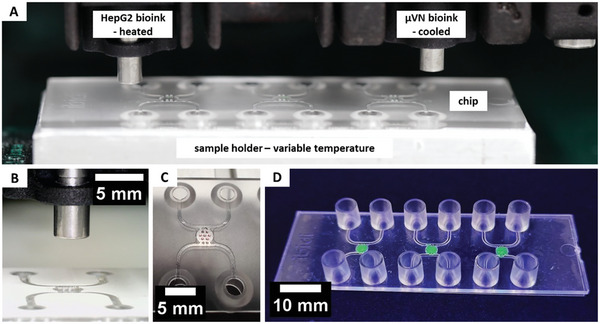
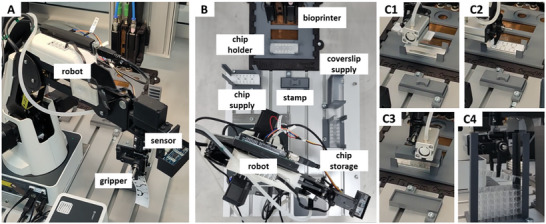
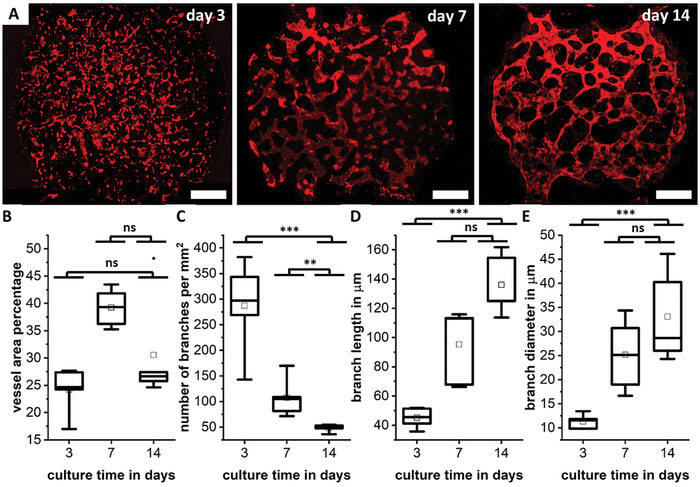
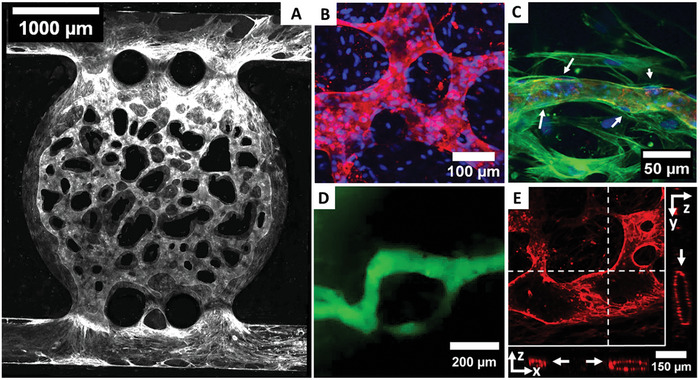
3D bioprinting possesses the potential to revolutionize contemporary methodologies for fabricating tissue models employed in pharmaceutical research and experimental investigations. This is enhanced by combining bioprinting with advanced organs-on-a-chip (OOCs), which includes a complex arrangement of multiple cell types representing organ-specific cells, connective tissue, and vasculature. However, both OOCs and bioprinting so far demand a high degree of manual intervention, thereby impeding efficiency and inhibiting scalability to meet technological requirements. Through the combination of drop-on-demand bioprinting with robotic handling of microfluidic chips, a print procedure is achieved that is proficient in managing three distinct tissue models on a chip within only a minute, as well as capable of consecutively processing numerous OOCs without manual intervention. This process rests upon the development of a post-printing sealable microfluidic chip, that is compatible with different types of 3D-bioprinters and easily connected to a perfusion system. The capabilities of the automized bioprint process are showcased through the creation of a multicellular and vascularized liver carcinoma model on the chip. The process achieves full vascularization and stable microvascular network formation over 14 days of culture time, with pronounced spheroidal cell growth and albumin secretion of HepG2 serving as a representative cell model.
3D 生物打印有可能彻底改变目前用于药物研究和实验研究的组织模型制造方法。通过将生物打印与先进的器官芯片 (OOC) 结合使用,这种可能性得到了增强,其中包括代表特定器官细胞、结缔组织和脉管系统的多种细胞类型的复杂排列。然而,到目前为止,OOC 和生物打印都需要高度的人工干预,从而降低了效率并抑制了可扩展性以满足技术要求。通过按需滴注生物打印与微流控芯片的机器人处理相结合,实现了一种打印程序,该程序能够在仅仅一分钟内熟练地管理芯片上的三个不同的组织模型,并且能够在没有人工干预的情况下连续处理多个 OOC。该过程依赖于可密封微流控芯片的开发,该芯片与不同类型的 3D 生物打印机兼容,并且易于与灌注系统连接。自动化生物打印过程的功能通过在芯片上创建多细胞和血管化肝癌模型得到展示。该过程在 14 天的培养时间内实现了完全血管化和稳定的微血管网络形成,具有明显的球形细胞生长和 HepG2 的白蛋白分泌,作为代表性的细胞模型。