Faheem Youmna, Jaiswal Amisha, Shergill Kainaat, Boppana Kusalik, Almansouri Naiela E, Bakkannavar Saloni, Yu Ann Kashmer
Pediatrics, California Institute of Behavioral Neurosciences and Psychology, Fairfield, USA.
Internal Medicine, California Institute of Behavioral Neurosciences and Psychology, Fairfield, USA.
Cureus. 2024 Feb 25;16(2):e54863. doi: 10.7759/cureus.54863. eCollection 2024 Feb.
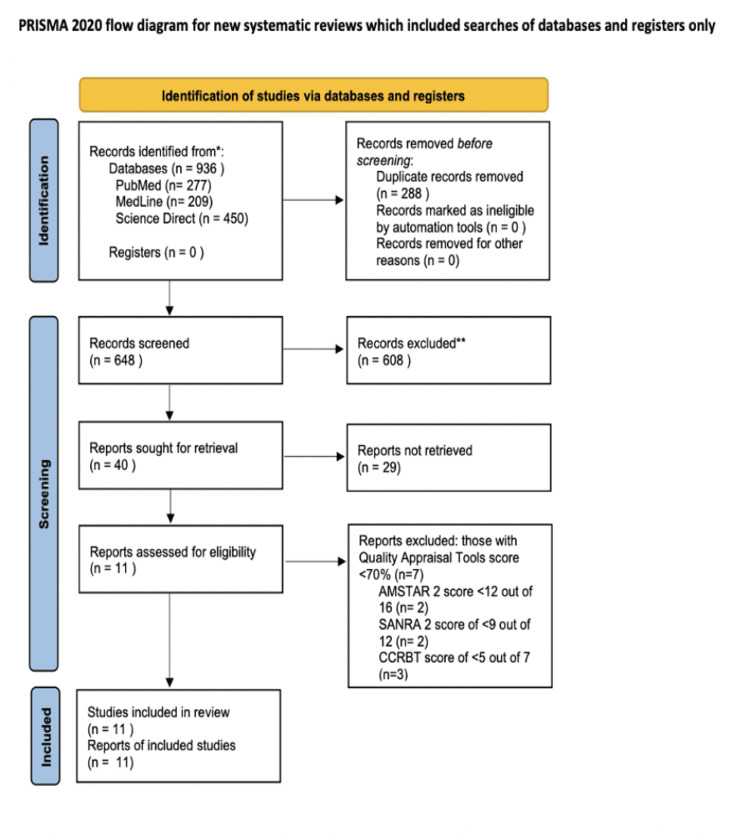
Epilepsy, a widespread neurological disorder characterized by recurrent seizures, affects millions globally, with a significant impact on the pediatric population. Antiepileptic drugs (AEDs) constitute the primary treatment; however, drug-resistant epilepsy (DRE), especially in children, poses a therapeutic challenge. Alternative interventions, such as surgery, vagus nerve stimulation, and the ketogenic diet (KD), have been explored. This systematic review aims to investigate various types of KDs, their distinctions, their effectiveness, and their safety concerning the reduction of seizure frequency, achieving seizure freedom, and the occurrence of adverse events. The study adheres to the Preferred Reporting Items for Systematic Reviews and Meta-Analyses (PRISMA) 2020 guidelines. A comprehensive search was conducted using databases such as PubMed Central (PMC), MedLine, and Science Direct to identify relevant articles. Eligibility criteria and quality assessment tools were applied to evaluate the potential risk of bias and select 11 articles for inclusion in this review. The selected articles encompassed four randomized controlled trials (RCTs), two systematic reviews, and five narrative reviews. The data collected for this review was completed on October 2, 2023. Challenges, such as palatability, cultural factors, and adherence difficulties, were identified. Family or caregiver involvement plays a pivotal role in treatment success. Despite numerous RCTs and reviews, information gaps persist, hindering conclusive outcomes. Evaluating the risk-benefit ratio is crucial, considering potential side effects. The highly individualized nature of KD therapy, influenced by diverse seizure types and syndromes, necessitates a trial-and-error approach monitored by a multidisciplinary team. Long-term safety and efficacy demand continuous real-life patient data review. In summary, while KD presents a promising alternative for DRE, its success relies on meticulous planning, individualized implementation, and ongoing research to address existing challenges and information gaps.
癫痫是一种以反复发作性癫痫发作为特征的广泛存在的神经系统疾病,全球数百万人受其影响,对儿童群体影响重大。抗癫痫药物(AEDs)是主要治疗手段;然而,耐药性癫痫(DRE),尤其是在儿童中,构成了治疗挑战。人们已经探索了诸如手术、迷走神经刺激和生酮饮食(KD)等替代干预措施。本系统评价旨在研究各种类型的生酮饮食、它们的区别、有效性以及在降低癫痫发作频率、实现无癫痫发作和不良事件发生方面的安全性。该研究遵循系统评价和Meta分析的首选报告项目(PRISMA)2020指南。使用诸如PubMed Central(PMC)、MedLine和Science Direct等数据库进行了全面检索,以识别相关文章。应用了纳入标准和质量评估工具来评估潜在的偏倚风险,并选择了11篇文章纳入本评价。所选文章包括四项随机对照试验(RCTs)、两项系统评价和五项叙述性评价。本评价收集的数据于2023年10月2日完成。确定了适口性、文化因素和依从性困难等挑战。家庭或照顾者的参与在治疗成功中起着关键作用。尽管有大量的随机对照试验和评价,但信息差距仍然存在,阻碍了得出确定性结果。考虑到潜在的副作用,评估风险效益比至关重要。生酮饮食疗法具有高度个体化的性质,受多种癫痫发作类型和综合征的影响,需要由多学科团队监测的试错方法。长期安全性和有效性需要持续审查真实世界的患者数据。总之,虽然生酮饮食为耐药性癫痫提供了一种有前景的替代方案,但其成功依赖于精心规划、个体化实施以及持续研究以应对现有挑战和信息差距。