Department of Medical Informatics, Faculty of Medicine, Mashhad University of Medical Sciences, Mashhad, Iran.
Department of pharmaceutics, school of pharmacy, Mashhad University of Medical Sciences, Mashhad, Iran.
BMC Med Inform Decis Mak. 2024 Mar 27;24(1):88. doi: 10.1186/s12911-024-02485-4.
The pharmaceutical industry is continually striving to innovate drug development and formulation processes. Orally disintegrating tablets (ODTs) have gained popularity due to their quick release and patient-friendly characteristics. The choice of excipients in tablet formulations plays a critical role in ensuring product quality, highlighting its importance in tablet creation. The traditional trial-and-error approach to this process is both expensive and time-intensive. To tackle these obstacles, we introduce a fresh approach leveraging machine learning and deep learning methods to automate and enhance pre-formulation drug design.
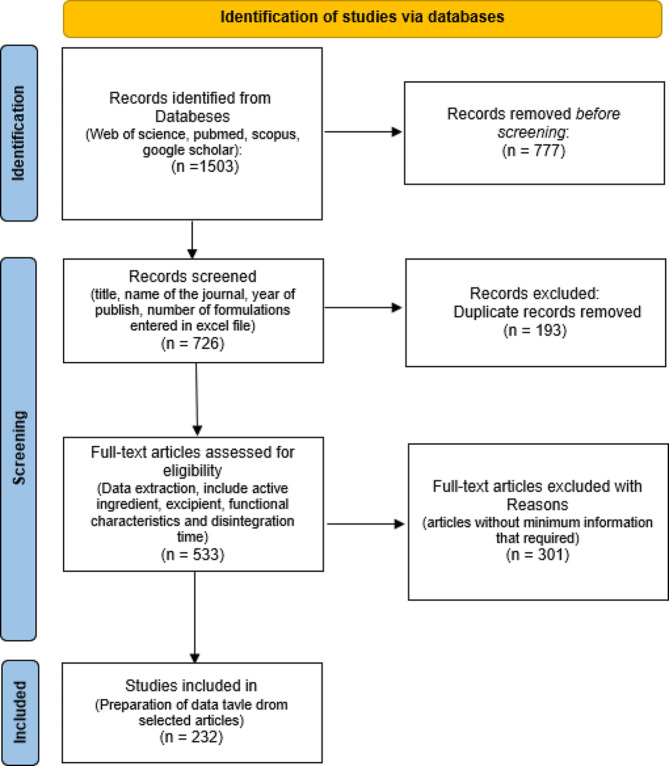
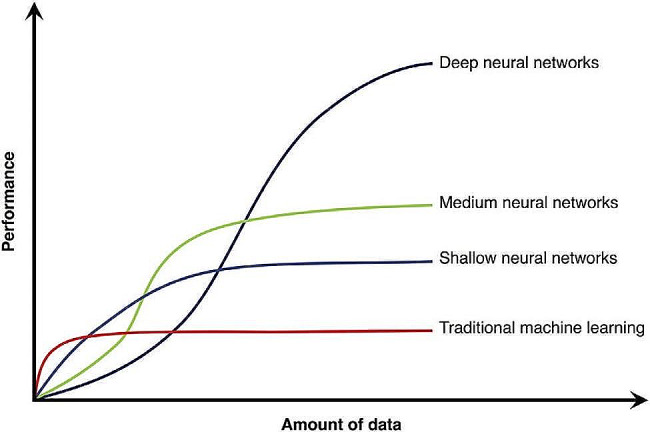
We collected a comprehensive dataset of 1983 formulations, including excipient names, quantities, active ingredient details, and various physicochemical attributes. Our study focused on predicting two critical control test parameters: tablet disintegration time and hardness. We compared a range of models like deep learning, artificial neural networks, support vector machines, decision trees, multiple linear regression, and random forests.
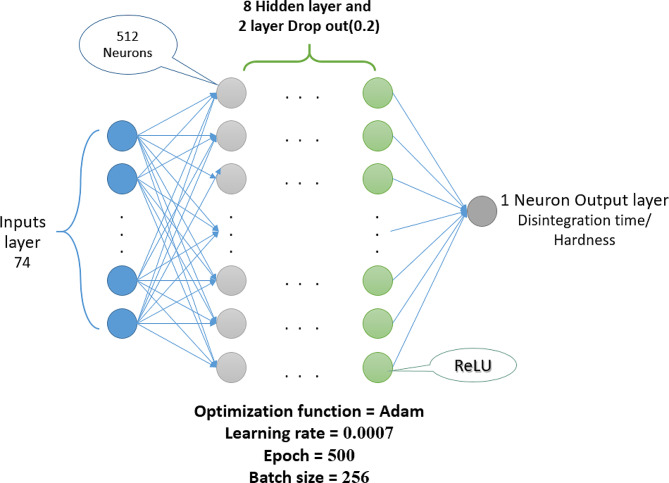
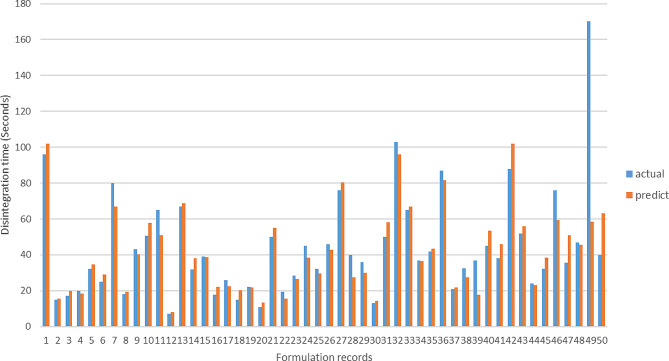
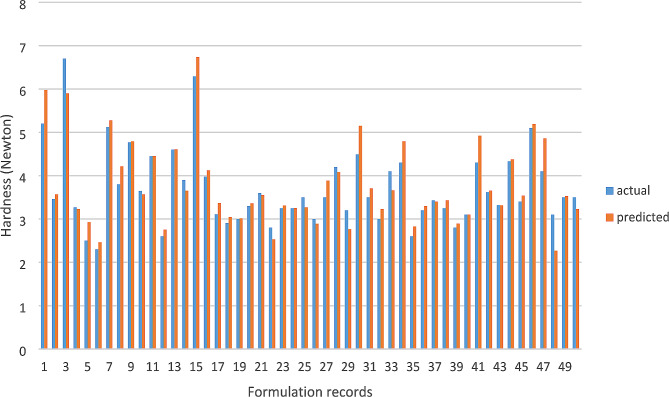
A 12-layer deep neural network, as a form of deep learning, surpassed alternative techniques by achieving 73% accuracy for disintegration time and 99% for tablet hardness. This success underscores its efficacy in predicting complex pharmaceutical factors. Such an approach streamlines the drug formulation process, reducing iterations and material consumption.
Our findings highlight the deep learning potential in pharmaceutical formulations, particularly for tablet hardness prediction. Future work should focus on enlarging the dataset to improve model effectiveness and extend its application in pharmaceutical product development and assessment.
制药行业不断致力于创新药物开发和制剂工艺。口腔崩解片(ODT)因其快速释放和患者友好的特点而受到欢迎。片剂配方中辅料的选择对于确保产品质量至关重要,这凸显了其在片剂制备中的重要性。传统的试错法在这个过程中既昂贵又耗时。为了解决这些障碍,我们引入了一种新的方法,利用机器学习和深度学习方法来自动化和增强药物预制剂设计。
我们收集了一个包含 1983 个配方的综合数据集,其中包括赋形剂名称、数量、活性成分细节和各种物理化学属性。我们的研究重点是预测两个关键的控制测试参数:片剂崩解时间和硬度。我们比较了一系列模型,如深度学习、人工神经网络、支持向量机、决策树、多元线性回归和随机森林。
作为深度学习的一种形式,12 层深度神经网络在崩解时间预测方面的准确率达到 73%,在片剂硬度预测方面的准确率达到 99%,优于其他技术。这一成功突出了其在预测复杂药物因素方面的有效性。这种方法简化了药物配方过程,减少了迭代次数和材料消耗。
我们的研究结果突出了深度学习在药物制剂中的潜力,特别是在片剂硬度预测方面。未来的工作应重点扩大数据集,以提高模型的有效性,并将其应用于药物产品开发和评估。