Xi Caixia, Palani Chithra, Takezaki Mayuko, Shi Huidong, Horuzsko Anatolij, Pace Betty S, Zhu Xingguo
Department of Pediatrics, Division of Hematology/Oncology, Augusta University, Augusta, GA 30912, USA.
Georgia Cancer Center, Augusta University, Augusta, GA 30912, USA.
Antioxidants (Basel). 2024 Mar 11;13(3):337. doi: 10.3390/antiox13030337.
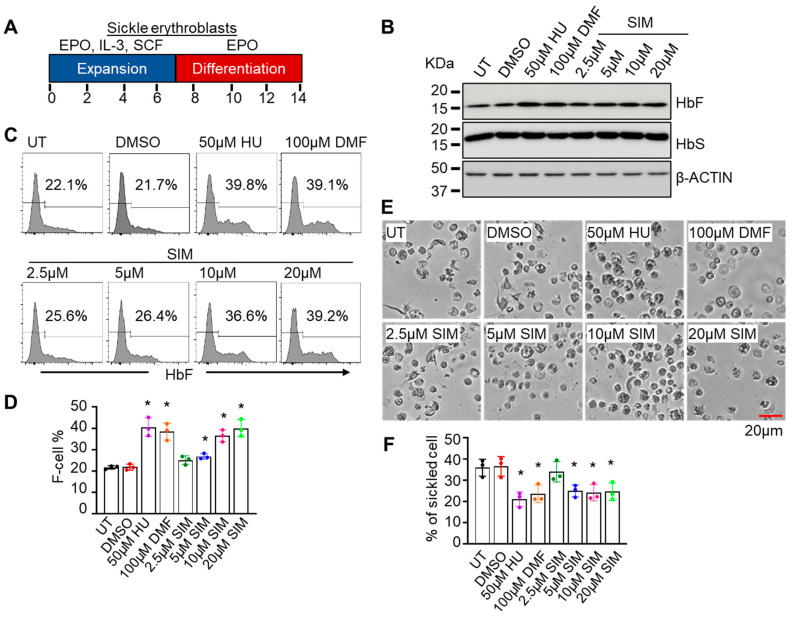
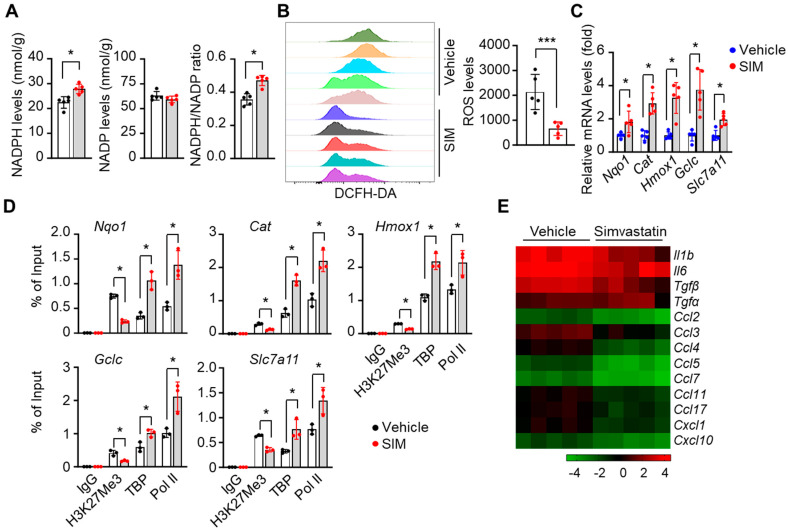
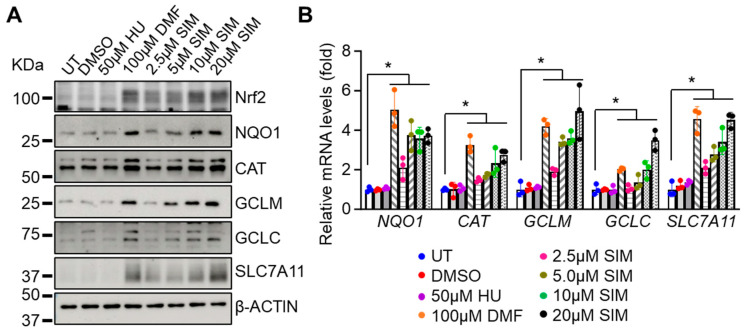
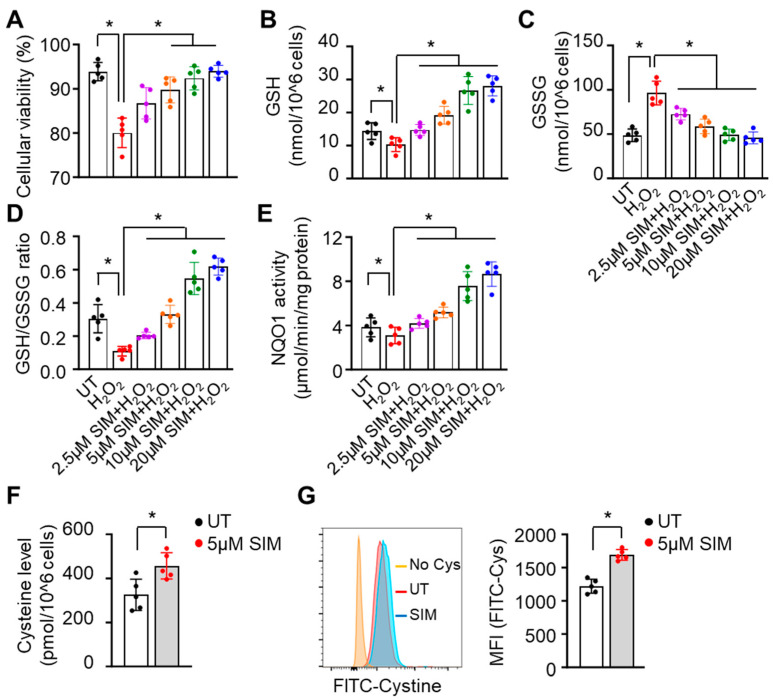
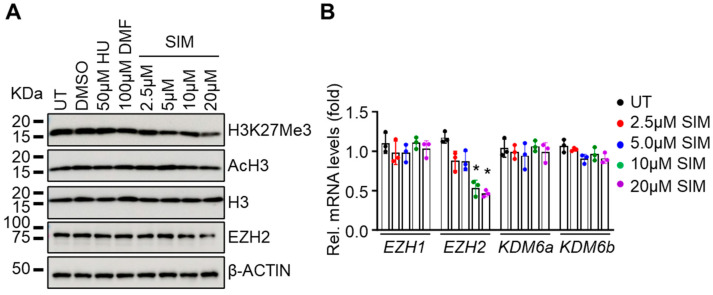
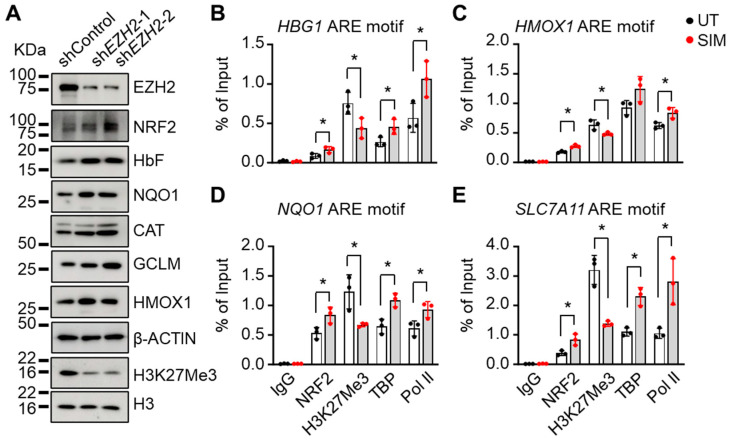
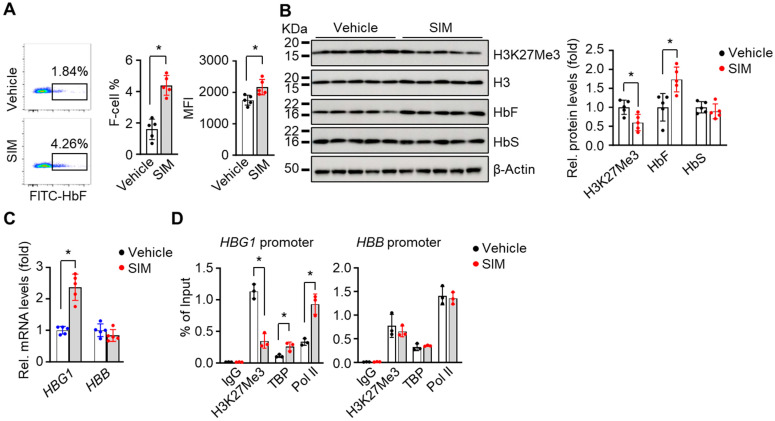
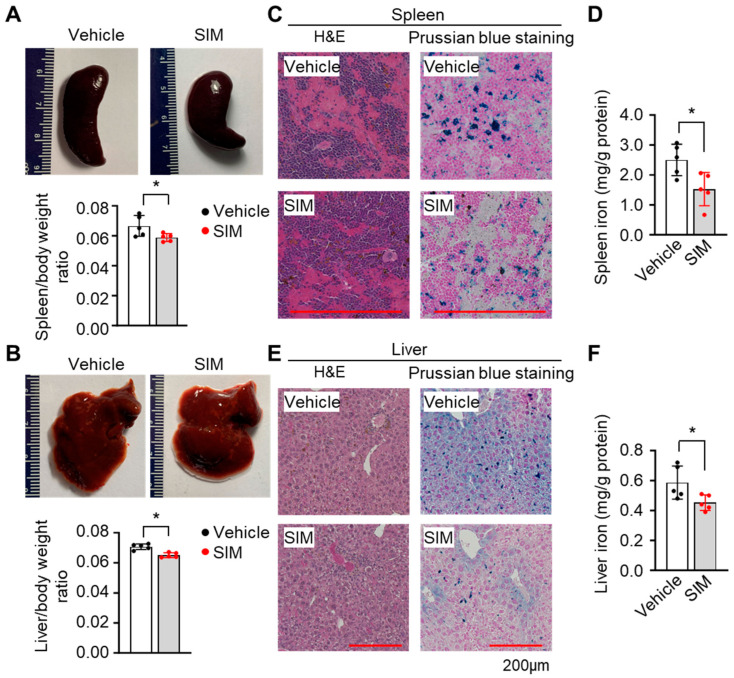
Sickle cell disease (SCD) is a pathophysiological condition of chronic hemolysis, oxidative stress, and elevated inflammation. The transcription factor Nrf2 is a master regulator of oxidative stress. Here, we report that the FDA-approved oral agent simvastatin, an inhibitor of hydroxymethyl-glutaryl coenzyme A reductase, significantly activates the expression of Nrf2 and antioxidant enzymes. Simvastatin also induces fetal hemoglobin expression in SCD patient primary erythroid progenitors and a transgenic mouse model. Simvastatin alleviates SCD symptoms by decreasing hemoglobin S sickling, oxidative stress, and inflammatory stress in erythroblasts. Particularly, simvastatin increases cellular levels of cystine, the precursor for the biosynthesis of the antioxidant reduced glutathione, and decreases the iron content in SCD mouse spleen and liver tissues. Mechanistic studies suggest that simvastatin suppresses the expression of the critical histone methyltransferase enhancer of zeste homolog 2 to reduce both global and gene-specific histone H3 lysine 27 trimethylation. These chromatin structural changes promote the assembly of transcription complexes to fetal γ-globin and antioxidant gene regulatory regions in an antioxidant response element-dependent manner. In summary, our findings suggest that simvastatin activates fetal hemoglobin and antioxidant protein expression, modulates iron and cystine/reduced glutathione levels to improve the phenotype of SCD, and represents a therapeutic strategy for further development.
镰状细胞病(SCD)是一种慢性溶血、氧化应激和炎症加剧的病理生理状态。转录因子Nrf2是氧化应激的主要调节因子。在此,我们报告美国食品药品监督管理局(FDA)批准的口服药物辛伐他汀(一种羟甲基戊二酰辅酶A还原酶抑制剂)可显著激活Nrf2和抗氧化酶的表达。辛伐他汀还可在SCD患者原代红系祖细胞和转基因小鼠模型中诱导胎儿血红蛋白表达。辛伐他汀通过减少成红细胞中的血红蛋白S镰变、氧化应激和炎症应激来减轻SCD症状。特别地,辛伐他汀可提高细胞内胱氨酸水平(抗氧化剂还原型谷胱甘肽生物合成的前体),并降低SCD小鼠脾脏和肝脏组织中的铁含量。机制研究表明,辛伐他汀可抑制关键组蛋白甲基转移酶zeste同源物2的增强子表达,以减少整体和基因特异性组蛋白H3赖氨酸27三甲基化。这些染色质结构变化以抗氧化反应元件依赖的方式促进转录复合物组装至胎儿γ-珠蛋白和抗氧化基因调控区域。总之,我们的研究结果表明,辛伐他汀可激活胎儿血红蛋白和抗氧化蛋白表达,调节铁和胱氨酸/还原型谷胱甘肽水平以改善SCD表型,代表了一种有待进一步开发的治疗策略。