Li Hao, Wang Shuai, Yang Zhengqiang, Meng Xianwei, Niu Meng
Department of Interventional Radiology, First Hospital of China Medical University, Shenyang, China.
Department of Interventional Therapy, National Cancer Center/National Clinical Research Center for Cancer/Cancer Hospital, Chinese Academy of Medical Sciences and Peking Union Medical College, Beijing, China.
Bioact Mater. 2024 Mar 20;36:376-412. doi: 10.1016/j.bioactmat.2024.03.003. eCollection 2024 Jun.
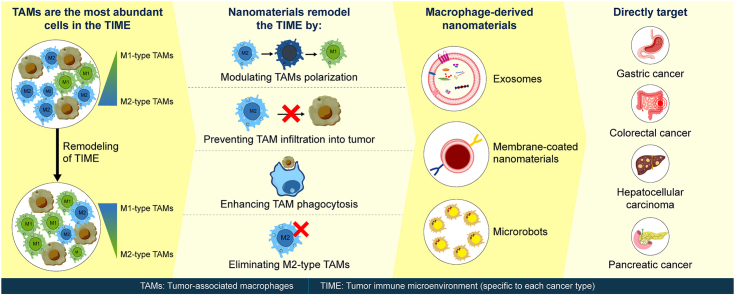
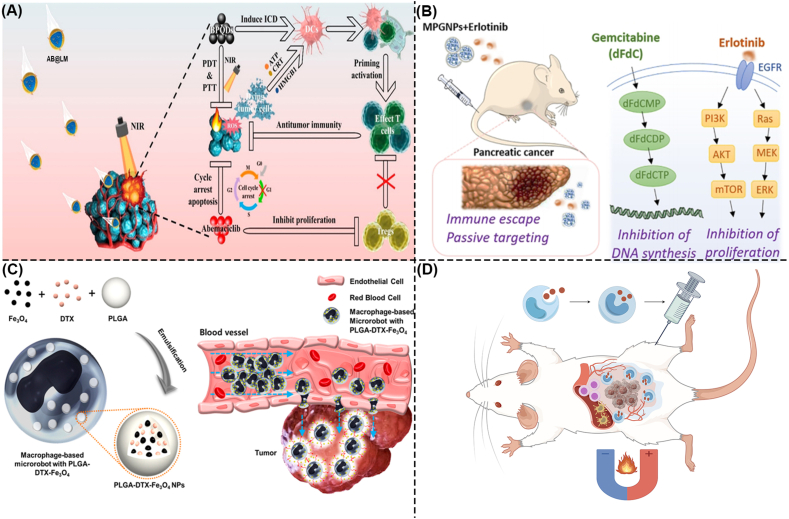
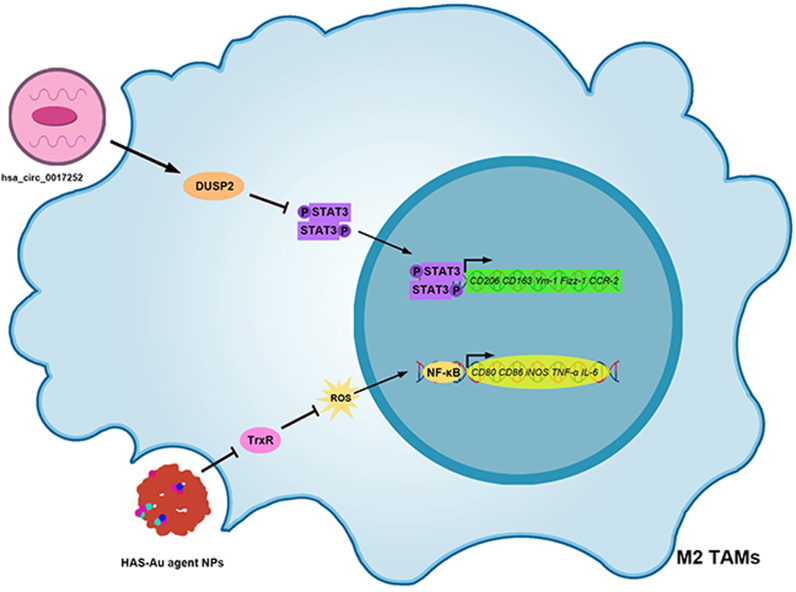
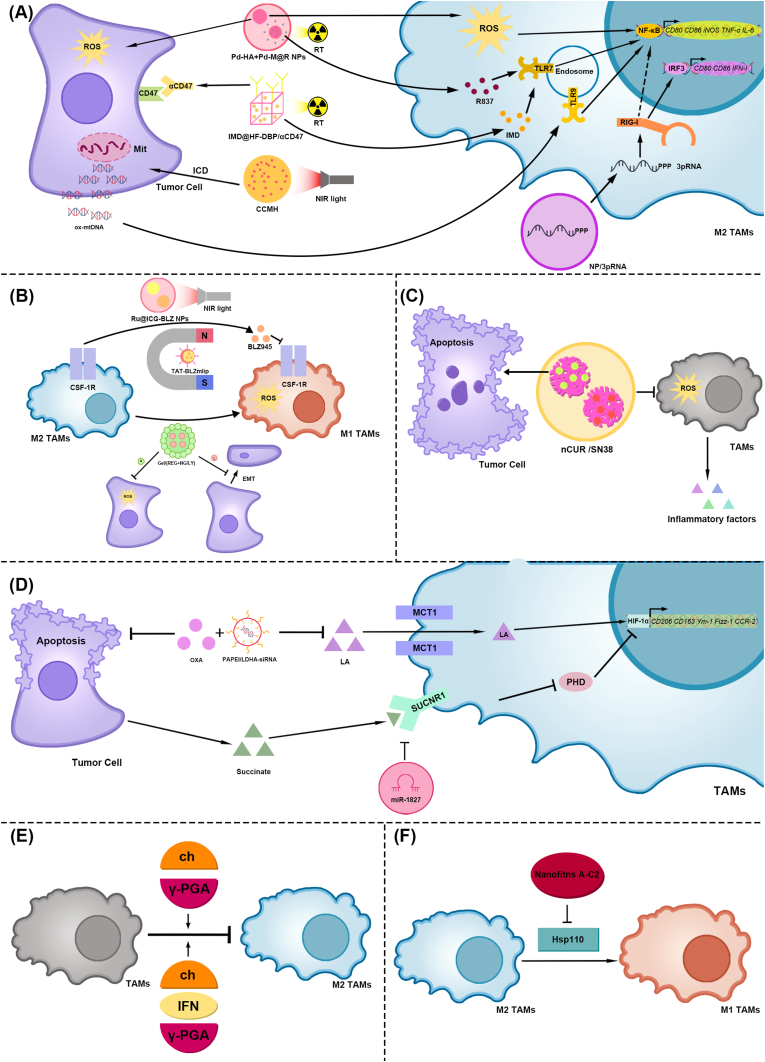
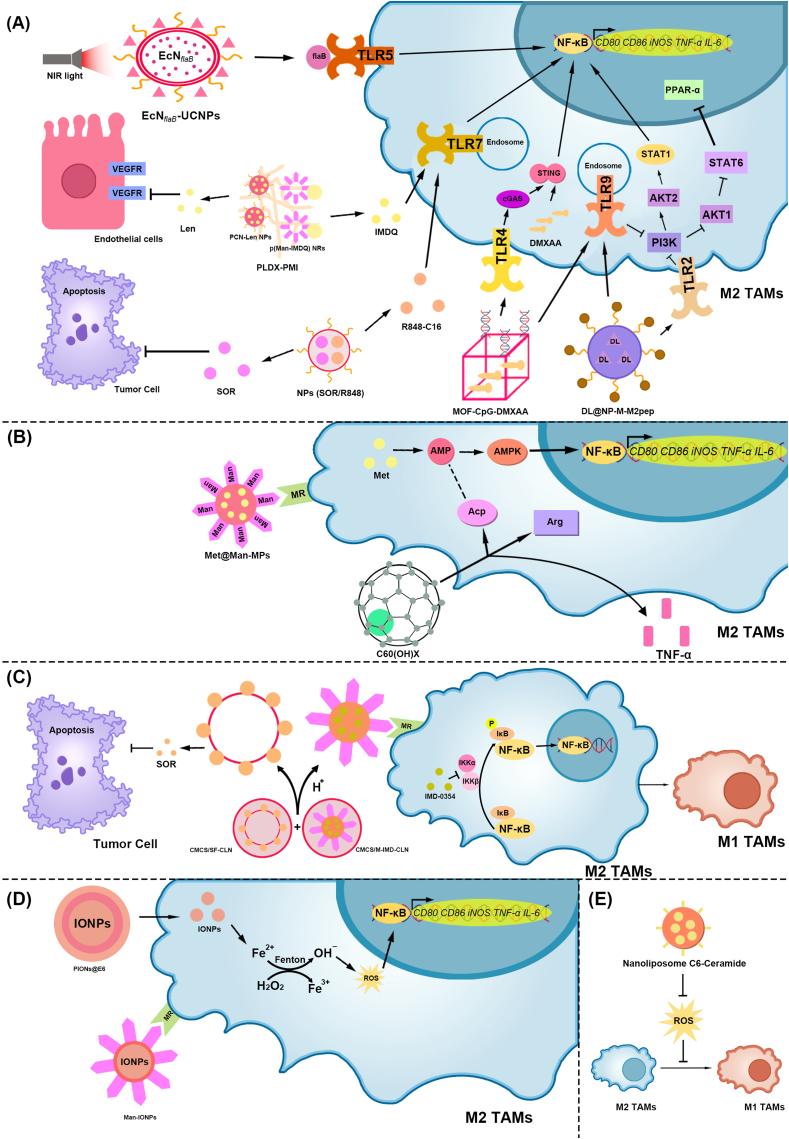
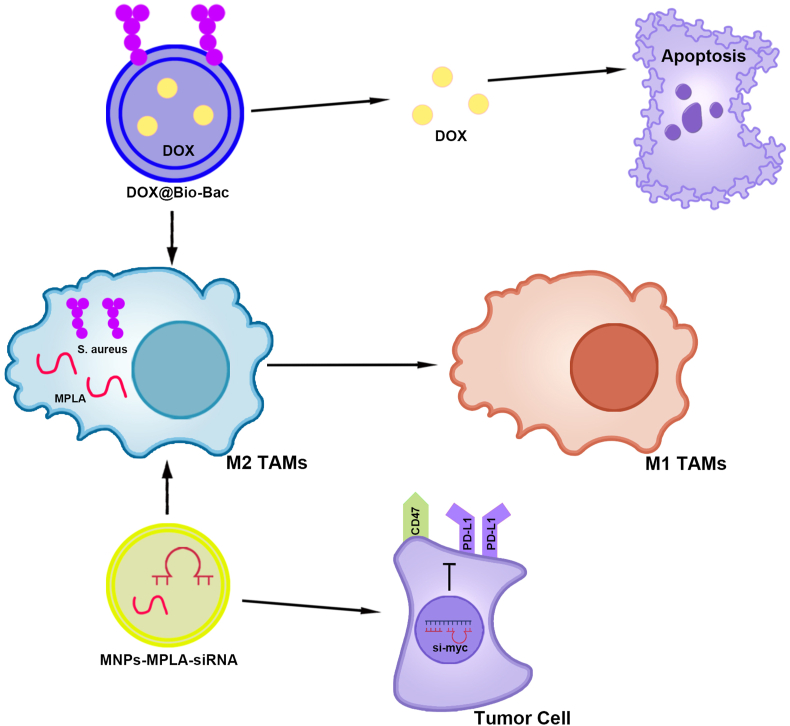
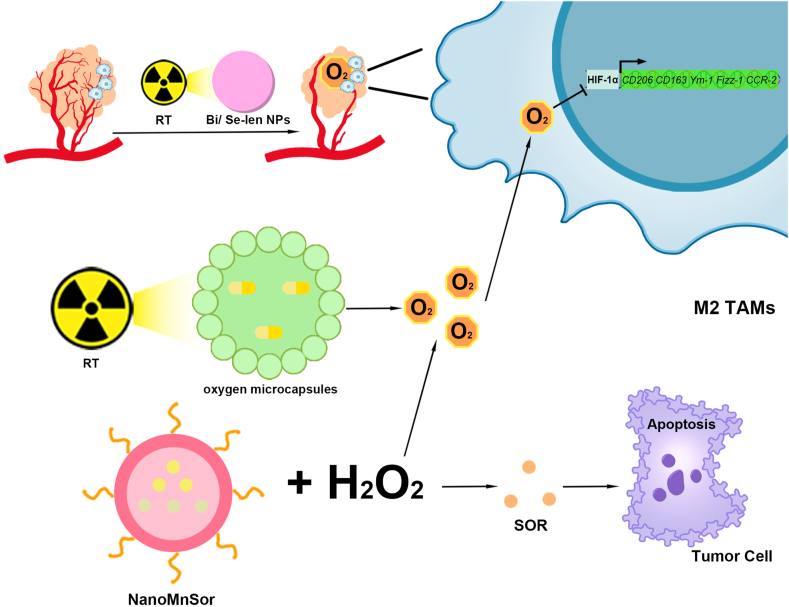
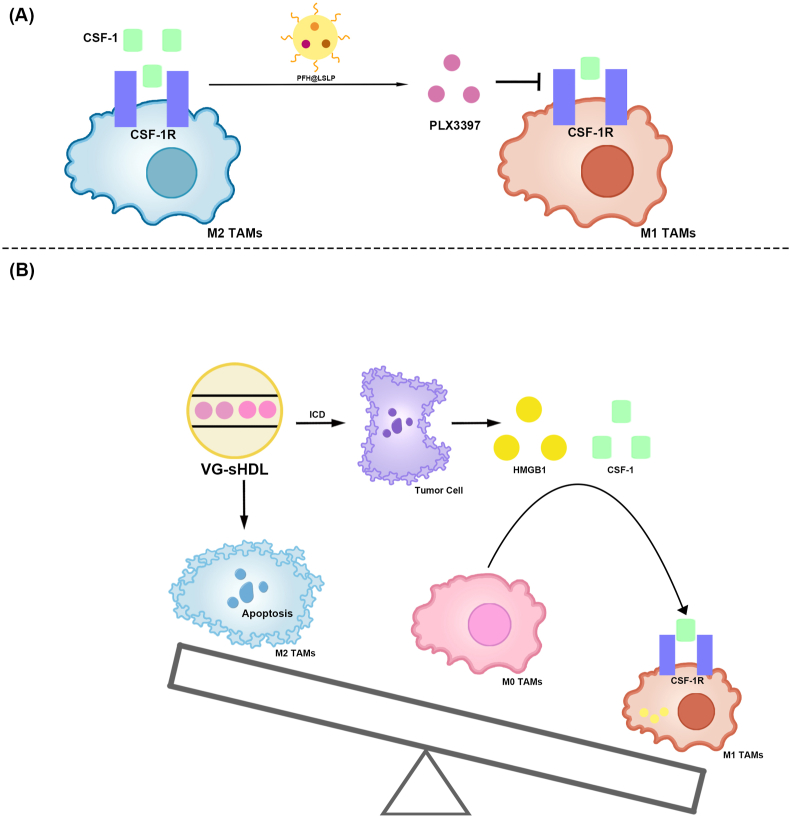
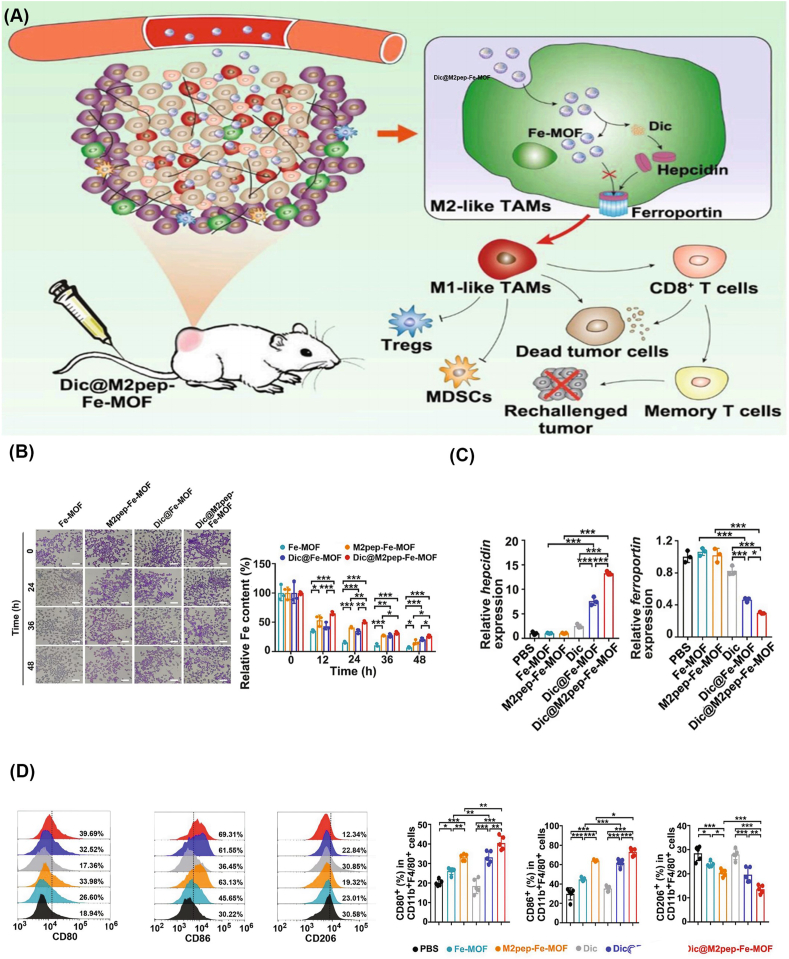
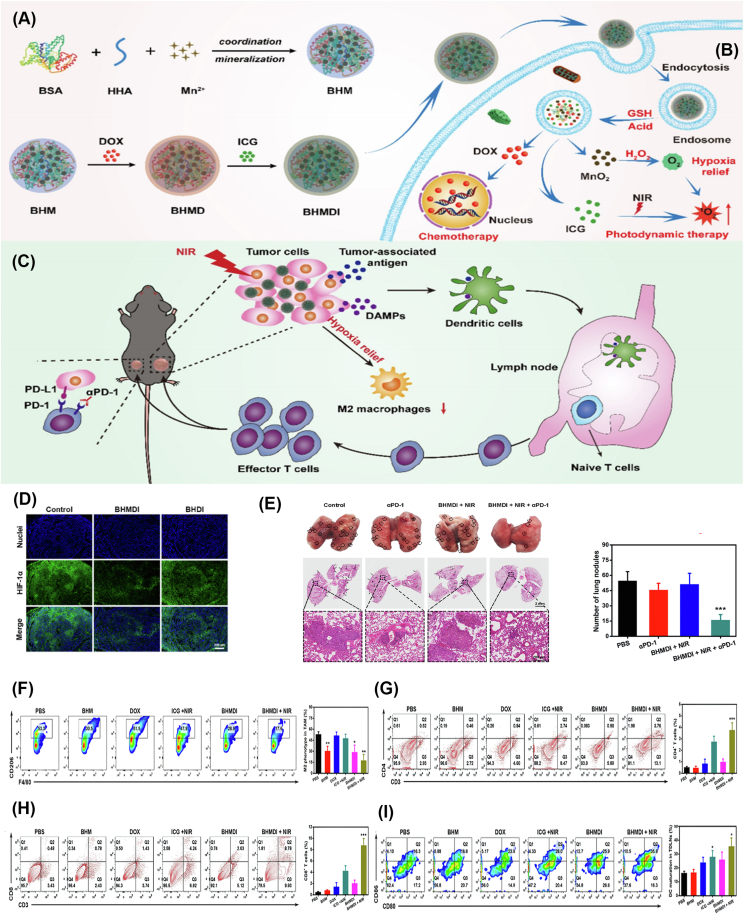
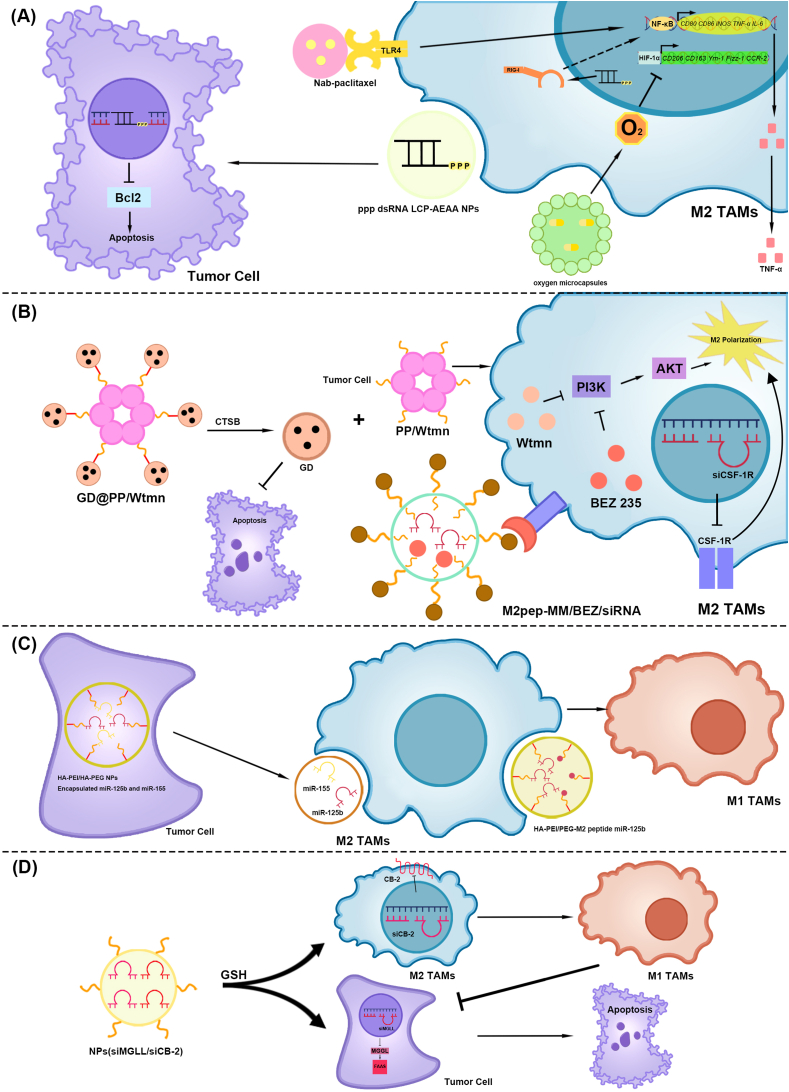
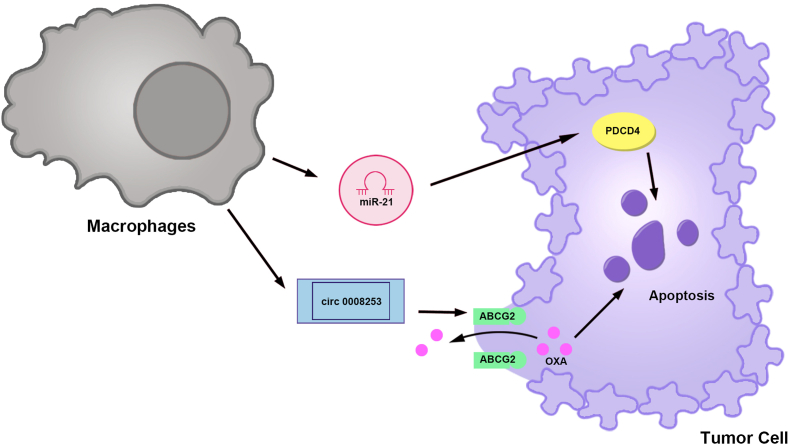
The treatment of digestive system tumors presents challenges, particularly in immunotherapy, owing to the advanced immune tolerance of the digestive system. Nanomaterials have emerged as a promising approach for addressing these challenges. They provide targeted drug delivery, enhanced permeability, high bioavailability, and low toxicity. Additionally, nanomaterials target immunosuppressive cells and reshape the tumor immune microenvironment (TIME). Among the various cells in the TIME, tumor-associated macrophages (TAMs) are the most abundant and play a crucial role in tumor progression. Therefore, investigating the modulation of TAMs by nanomaterials for the treatment of digestive system tumors is of great significance. Here, we present a comprehensive review of the utilization of nanomaterials to modulate TAMs for the treatment of gastric cancer, colorectal cancer, hepatocellular carcinoma, and pancreatic cancer. We also investigated the underlying mechanisms by which nanomaterials modulate TAMs to treat tumors in the digestive system. Furthermore, this review summarizes the role of macrophage-derived nanomaterials in the treatment of digestive system tumors. Overall, this research offers valuable insights into the development of nanomaterials tailored for the treatment of digestive system tumors.
由于消化系统具有高度的免疫耐受性,消化系统肿瘤的治疗面临挑战,尤其是在免疫治疗方面。纳米材料已成为应对这些挑战的一种有前景的方法。它们可实现靶向给药、增强通透性、提高生物利用度并降低毒性。此外,纳米材料能够靶向免疫抑制细胞并重塑肿瘤免疫微环境(TIME)。在TIME的各种细胞中,肿瘤相关巨噬细胞(TAM)最为丰富,并且在肿瘤进展中起着关键作用。因此,研究纳米材料对TAM的调节作用以治疗消化系统肿瘤具有重要意义。在此,我们全面综述了利用纳米材料调节TAM来治疗胃癌、结直肠癌、肝细胞癌和胰腺癌的情况。我们还研究了纳米材料调节TAM以治疗消化系统肿瘤的潜在机制。此外,本综述总结了巨噬细胞衍生的纳米材料在消化系统肿瘤治疗中的作用。总体而言,本研究为开发用于治疗消化系统肿瘤的纳米材料提供了有价值的见解。