Laboratory of Plant Cognition and Electrophysiology, Department of Botany, Institute of Biology, Federal University of Pelotas, Pelotas, Brazil.
São Paulo State University, Presidente Prudente, Brazil.
Plant Signal Behav. 2024 Dec 31;19(1):2333144. doi: 10.1080/15592324.2024.2333144. Epub 2024 Mar 28.
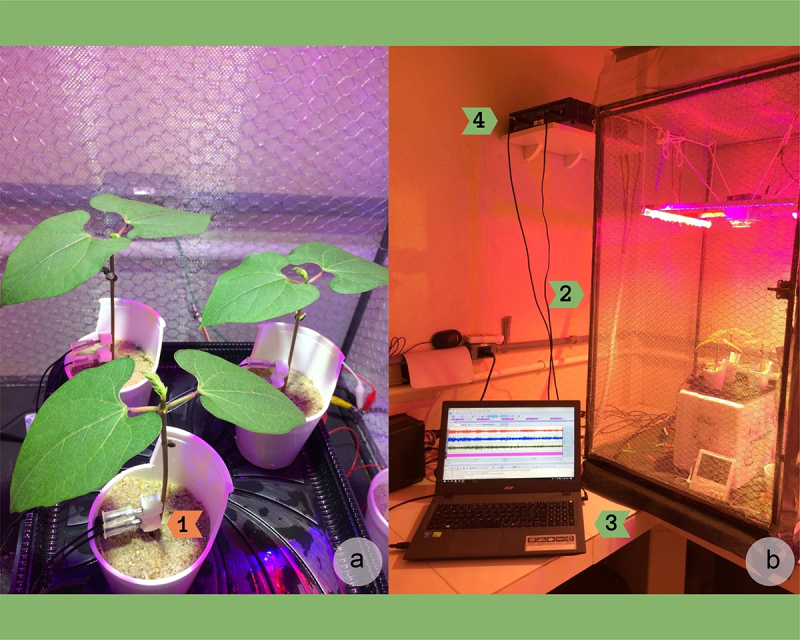
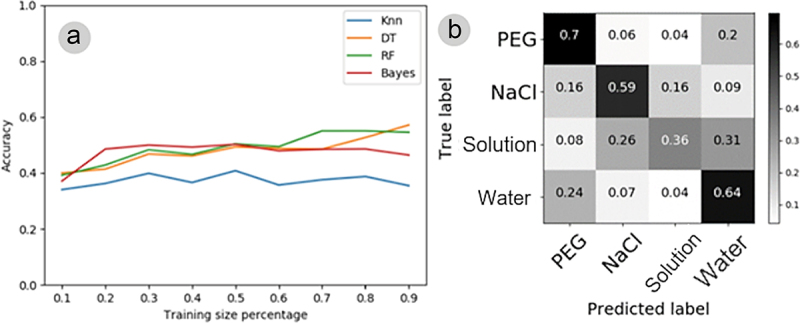
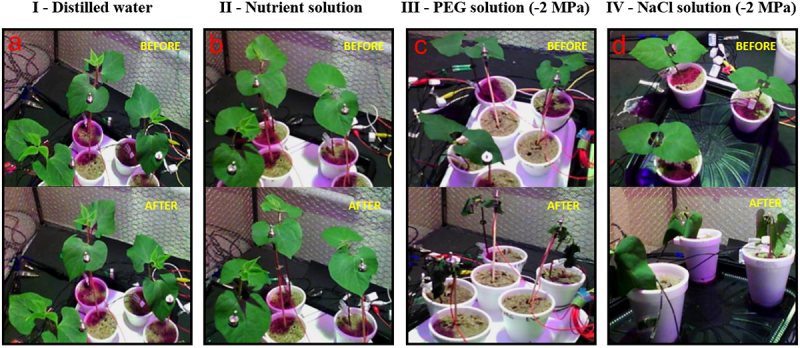
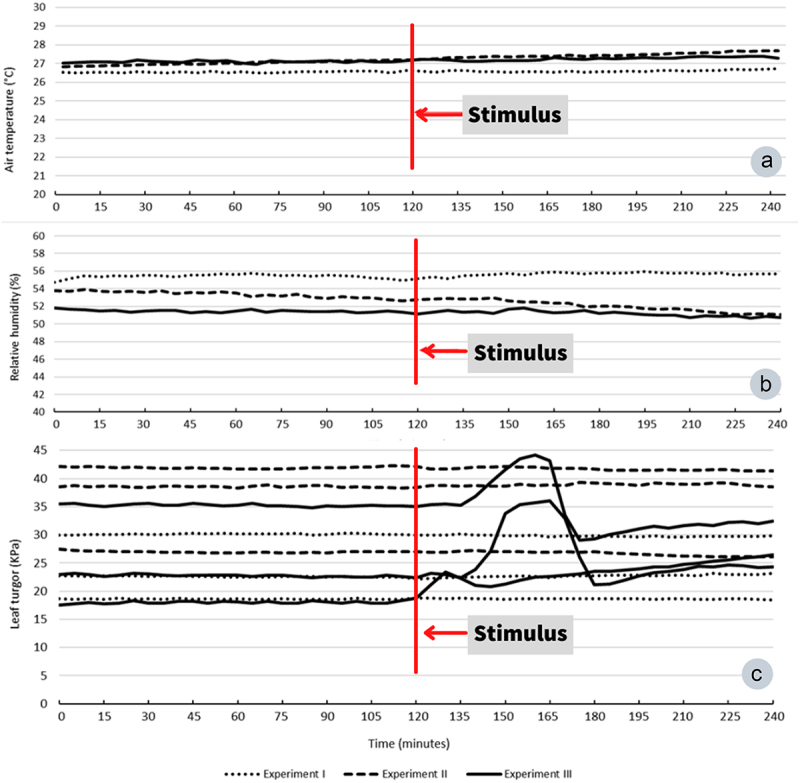
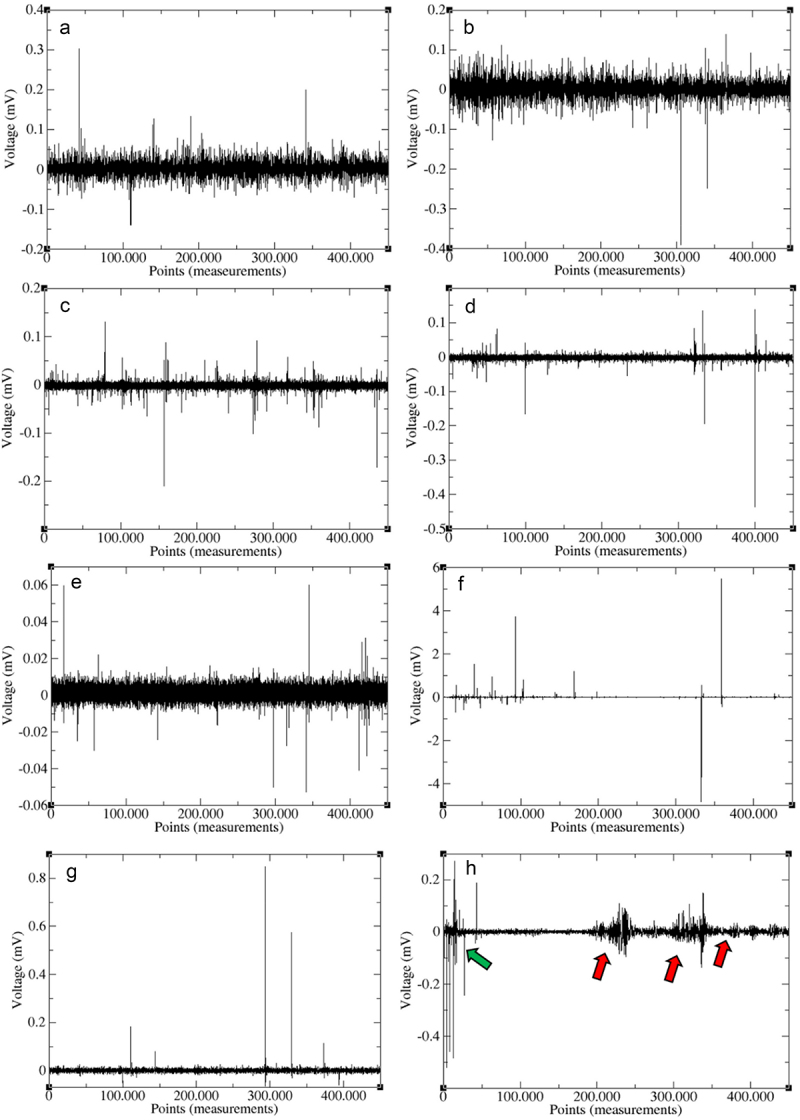
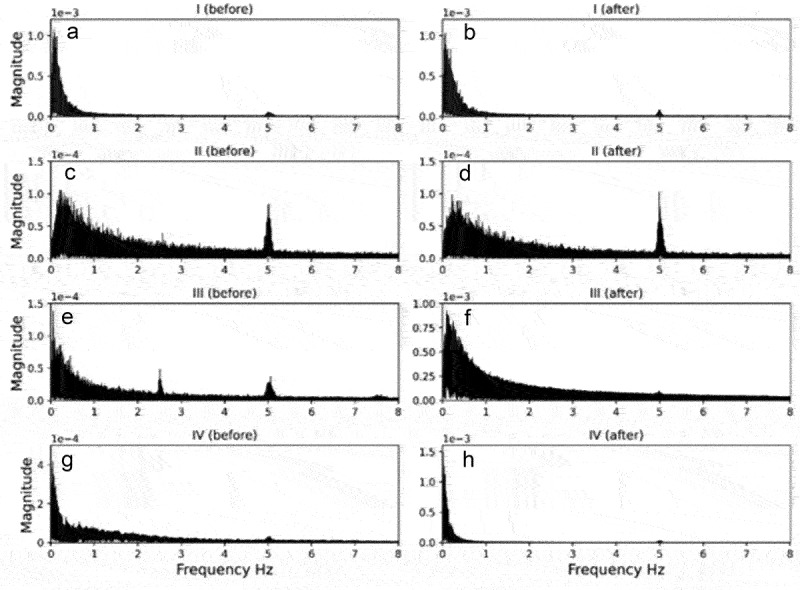
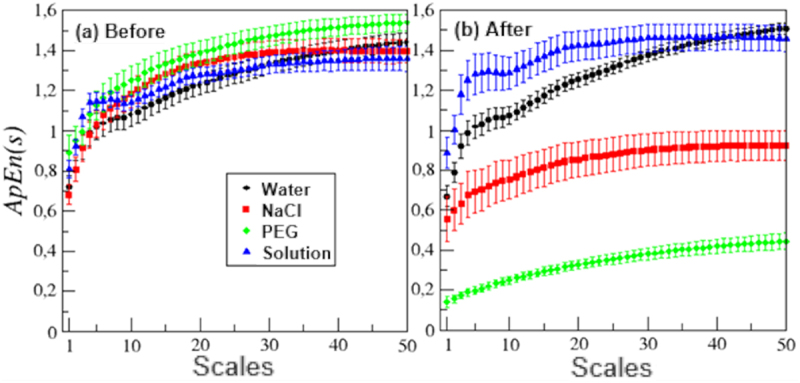
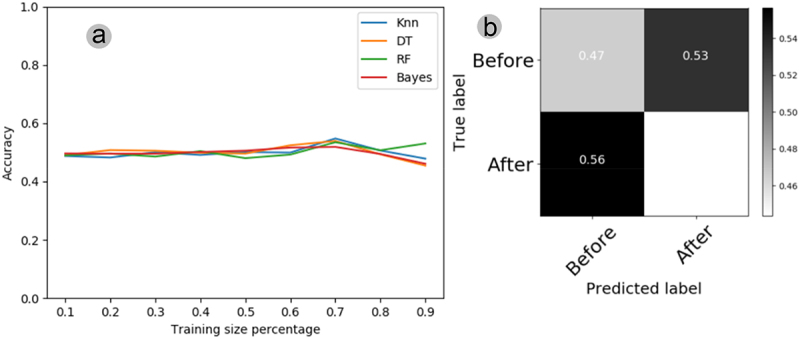
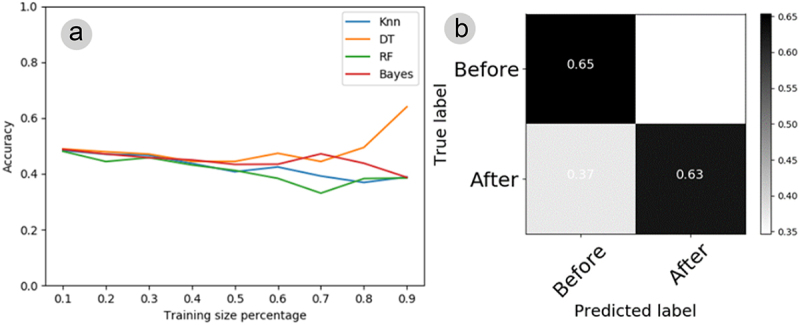
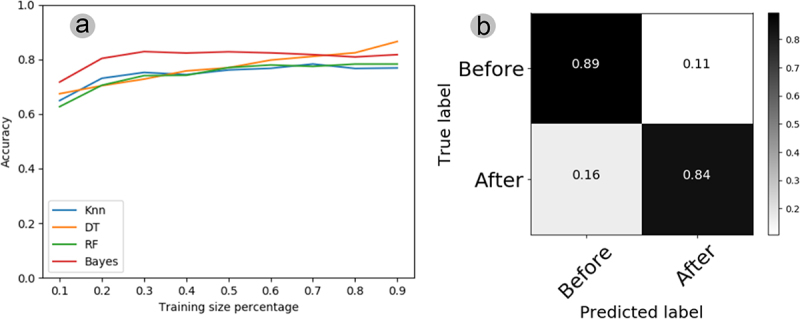
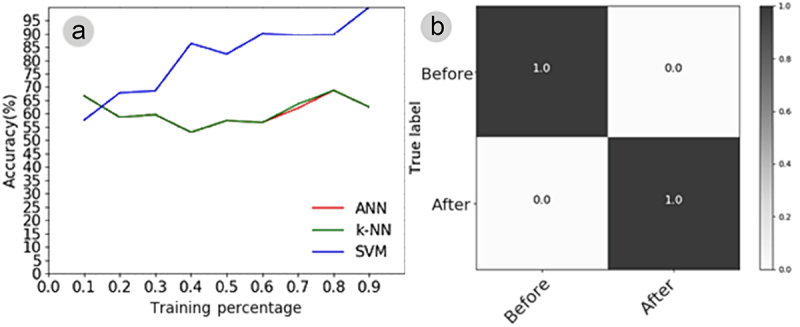
Plant electrophysiology has unveiled the involvement of electrical signals in the physiology and behavior of plants. Spontaneously generated bioelectric activity can be altered in response to changes in environmental conditions, suggesting that a plant's electrome may possess a distinct signature associated with various stimuli. Analyzing electrical signals, particularly the electrome, in conjunction with Machine Learning (ML) techniques has emerged as a promising approach to classify characteristic electrical signals corresponding to each stimulus. This study aimed to characterize the electrome of common bean ( L.) cv. BRS-Expedito, subjected to different water availabilities, seeking patterns linked to these stimuli. For this purpose, bean plants in the vegetative stage were subjected to the following treatments: (I) distilled water; (II) half-strength Hoagland's nutrient solution; (III) -2 MPa PEG solution; and (IV) -2 MPa NaCl solution. Electrical signals were recorded within a Faraday's cage using the MP36 electronic system for data acquisition. Concurrently, plant water status was assessed by monitoring leaf turgor variation. Leaf temperature was additionally measured. Various analyses were conducted on the electrical time series data, including arithmetic average of voltage variation, skewness, kurtosis, Probability Density Function (PDF), autocorrelation, Power Spectral Density (PSD), Approximate Entropy (ApEn), Fast Fourier Transform (FFT), and Multiscale Approximate Entropy (ApEn(s)). Statistical analyses were performed on leaf temperature, voltage variation, skewness, kurtosis, PDF µ exponent, autocorrelation, PSD β exponent, and approximate entropy data. Machine Learning analyses were applied to identify classifiable patterns in the electrical time series. Characterization of the electrome of BRS-Expedito beans revealed stimulus-dependent profiles, even when alterations in water availability stimuli were similar in terms of quality and intensity. Additionally, it was observed that the bean electrome exhibits high levels of complexity, which are altered by different stimuli, with more intense and aversive stimuli leading to drastic reductions in complexity levels. Notably, one of the significant findings was the 100% accuracy of Small Vector Machine in detecting salt stress using electrome data. Furthermore, the study highlighted alterations in the plant electrome under low water potential before observable leaf turgor changes. This work demonstrates the potential use of the electrome as a physiological indicator of the water status in bean plants.
植物电生理学揭示了电信号在植物生理学和行为中的参与。自发产生的生物电活动可以响应环境条件的变化而改变,这表明植物的电生理可能具有与各种刺激相关的独特特征。分析电信号,特别是电生理,结合机器学习 (ML) 技术,已成为一种有前途的方法,可以对与每个刺激相对应的特征电信号进行分类。本研究旨在表征不同水分供应条件下普通菜豆( L.)cv 的电生理特性。BRS-Expedito,寻找与这些刺激相关的模式。为此,在营养生长阶段将菜豆植株分别置于以下处理中:(I)蒸馏水;(II)半强度 Hoagland 营养液;(III)-2 MPa PEG 溶液;和(IV)-2 MPa NaCl 溶液。使用 MP36 电子系统在法拉第笼内记录电信号,用于数据采集。同时,通过监测叶片膨压变化来评估植物的水分状况。此外,还测量了叶片温度。对电时间序列数据进行了各种分析,包括电压变化的算术平均值、偏度、峰度、概率密度函数 (PDF)、自相关、功率谱密度 (PSD)、近似熵 (ApEn)、快速傅里叶变换 (FFT) 和多尺度近似熵 (ApEn(s))。对叶片温度、电压变化、偏度、峰度、PDF µ 指数、自相关、PSD β 指数和近似熵数据进行了统计分析。应用机器学习分析来识别电时间序列中的可分类模式。BRS-Expedito 豆的电生理特性分析表明,即使在水可用性刺激的质量和强度相似的情况下,刺激也会导致依赖于刺激的特征。此外,还观察到豆科植物电生理具有高度的复杂性,不同的刺激会改变这种复杂性,而更强烈和令人厌恶的刺激会导致复杂性水平急剧降低。值得注意的是,使用电生理数据,小向量机在检测盐胁迫方面的准确率达到了 100%。此外,该研究还强调了在叶片膨压发生变化之前,低水势下植物电生理的变化。这项工作证明了电生理作为豆科植物水分状况的生理指标的潜力。