Parise André Geremia, Reissig Gabriela Niemeyer, Basso Luis Felipe, Senko Luiz Gustavo Schultz, Oliveira Thiago Francisco de Carvalho, de Toledo Gabriel Ricardo Aguilera, Ferreira Arlan Silva, Souza Gustavo Maia
Laboratory of Plant Cognition and Electrophysiology, Department of Botany, Institute of Biology, Federal University of Pelotas, Pelotas, Brazil.
Department of Physics, Federal University of Pelotas, Pelotas, Brazil.
Front Plant Sci. 2021 Mar 18;12:594195. doi: 10.3389/fpls.2021.594195. eCollection 2021.
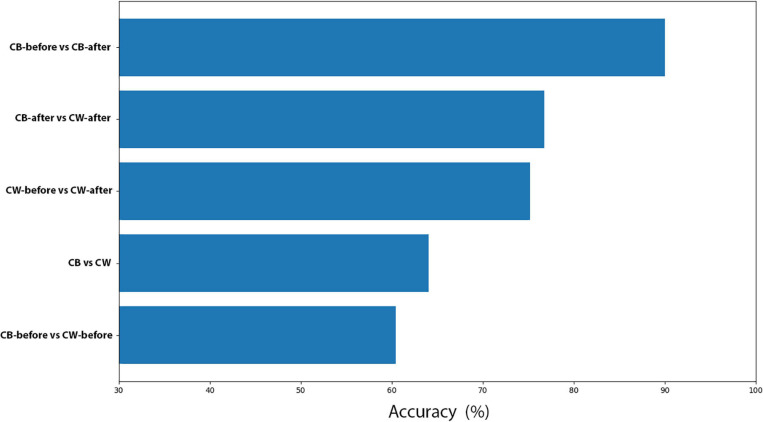
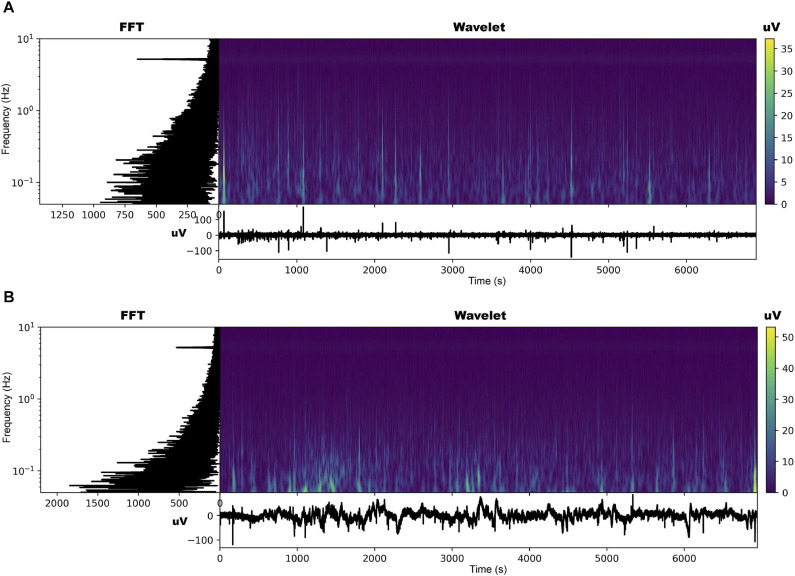
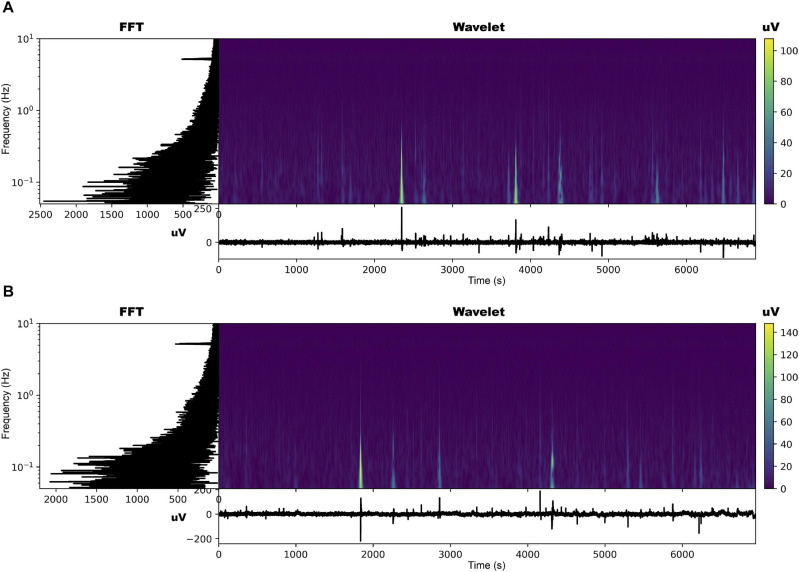
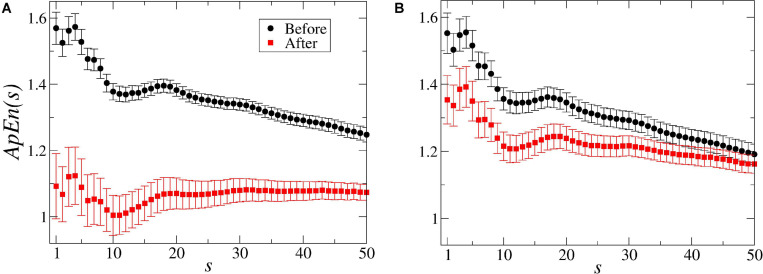
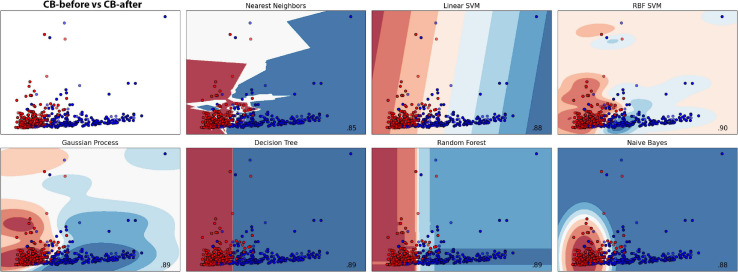
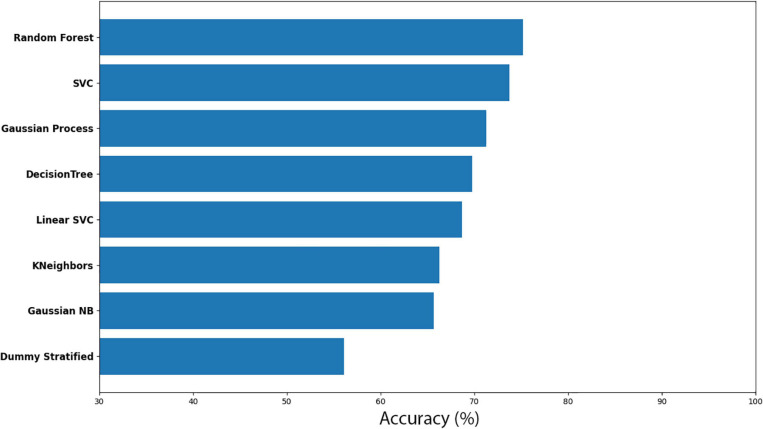
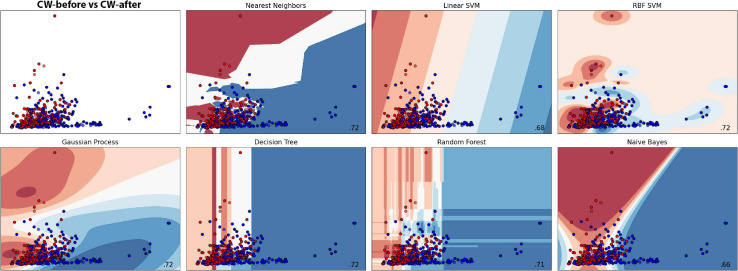
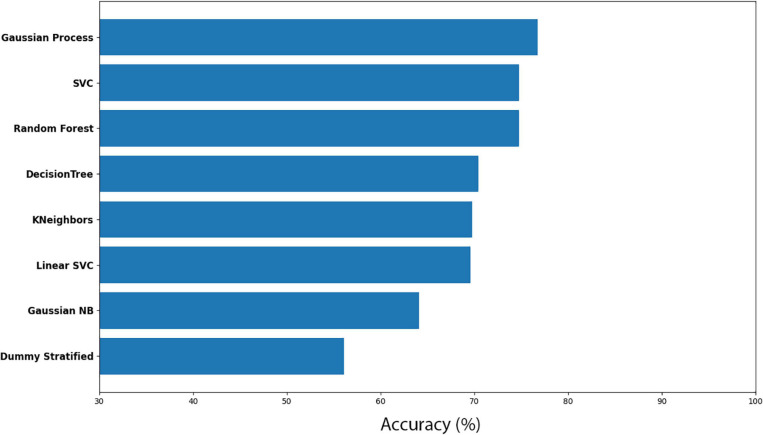
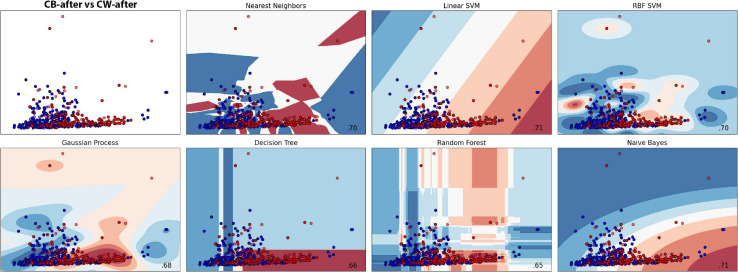
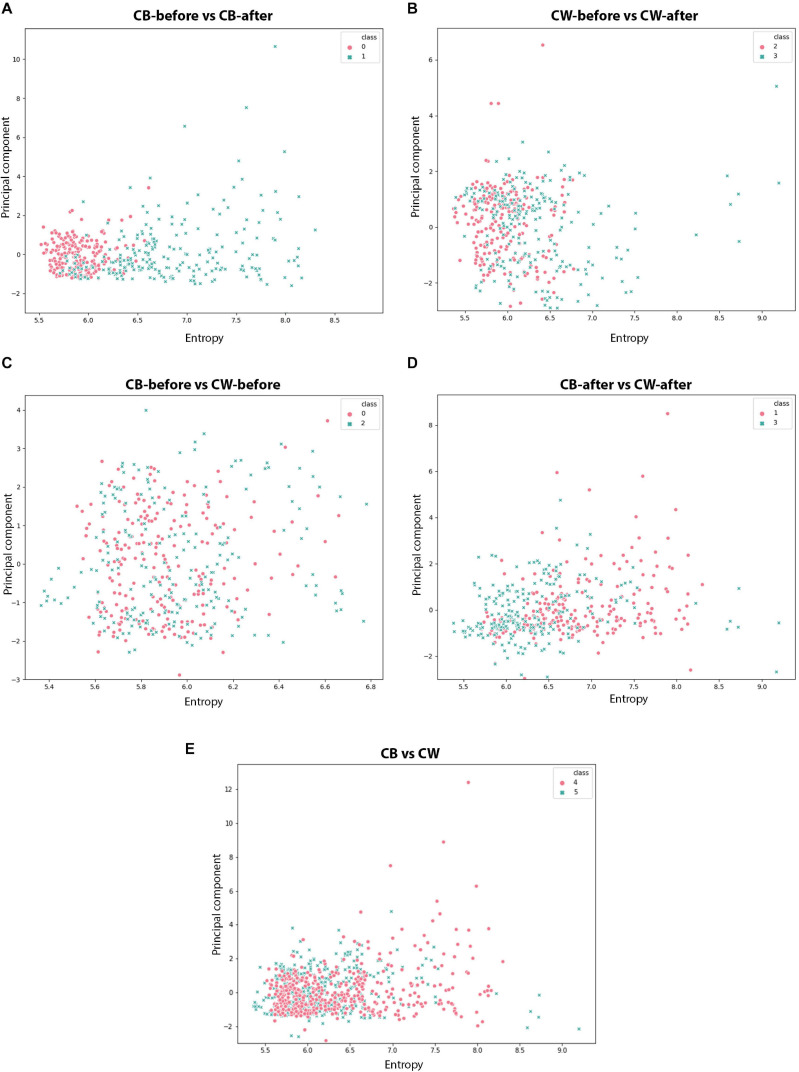
In our study, we investigated some physiological and ecological aspects of the life of Mart. (Convolvulaceae) plants with the hypothesis that they recognise different hosts at a distance from them, and they change their survival strategy depending on what they detect. We also hypothesised that, as an attempt of prolonging their survival through photosynthesis, the synthesis of chlorophylls (a phenomenon not completely explained in these parasitic plants) would be increased if the plants don't detect a host. We quantified the pigments related to photosynthesis in different treatments and employed techniques such as electrophysiological time series recording, analyses of the complexity of the obtained signals, and machine learning classification to test our hypotheses. The results demonstrate that the absence of a host increases the amounts of chlorophyll , chlorophyll , and β-carotene in these plants, and the content varied depending on the host presented. Besides, the electrical signalling of dodders changes according to the species of host perceived in patterns detectable by machine learning techniques, suggesting that they recognise from a distance different host species. Our results indicate that electrical signalling might underpin important processes such as foraging in plants. Finally, we found evidence for a likely process of attention in the dodders toward the host plants. This is probably to be the first empirical evidence for attention in plants and has important implications on plant cognition studies.
在我们的研究中,我们调查了菟丝子属(旋花科)植物生活的一些生理和生态方面,假设它们能在一定距离外识别不同的宿主,并根据所检测到的情况改变其生存策略。我们还假设,作为通过光合作用延长其生存的一种尝试,如果植物没有检测到宿主,叶绿素的合成(这一现象在这些寄生植物中尚未完全得到解释)将会增加。我们对不同处理中与光合作用相关的色素进行了量化,并采用了诸如电生理时间序列记录、对所获信号复杂性的分析以及机器学习分类等技术来检验我们的假设。结果表明,宿主的缺失会增加这些植物中叶绿素a、叶绿素b和β-胡萝卜素的含量,且含量会因所呈现的宿主不同而有所变化。此外,菟丝子的电信号会根据所感知到的宿主种类而改变,呈现出机器学习技术可检测到的模式,这表明它们能在一定距离外识别不同的宿主种类。我们的结果表明,电信号可能是植物觅食等重要过程的基础。最后,我们发现了菟丝子对宿主植物可能存在注意力过程的证据。这可能是植物中存在注意力的首个实证证据,对植物认知研究具有重要意义。