Departments of Pediatrics and Neurological Sciences, Rush University Medical Center, Chicago, IL 60612, United States of America.
Department of Neuroscience, School of Medicine and Public Health, University of Wisconsin-Madison, Madison, WI 53705, United States of America.
Neurobiol Dis. 2024 May;194:106486. doi: 10.1016/j.nbd.2024.106486. Epub 2024 Mar 26.
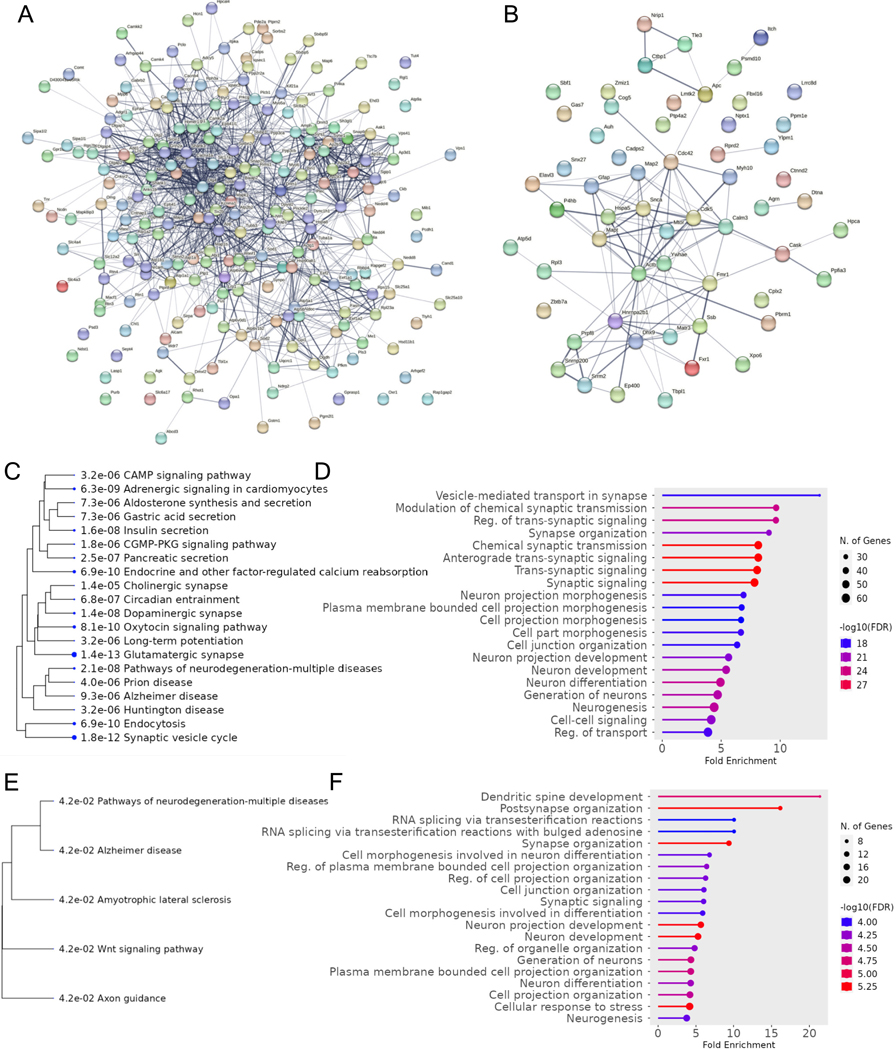
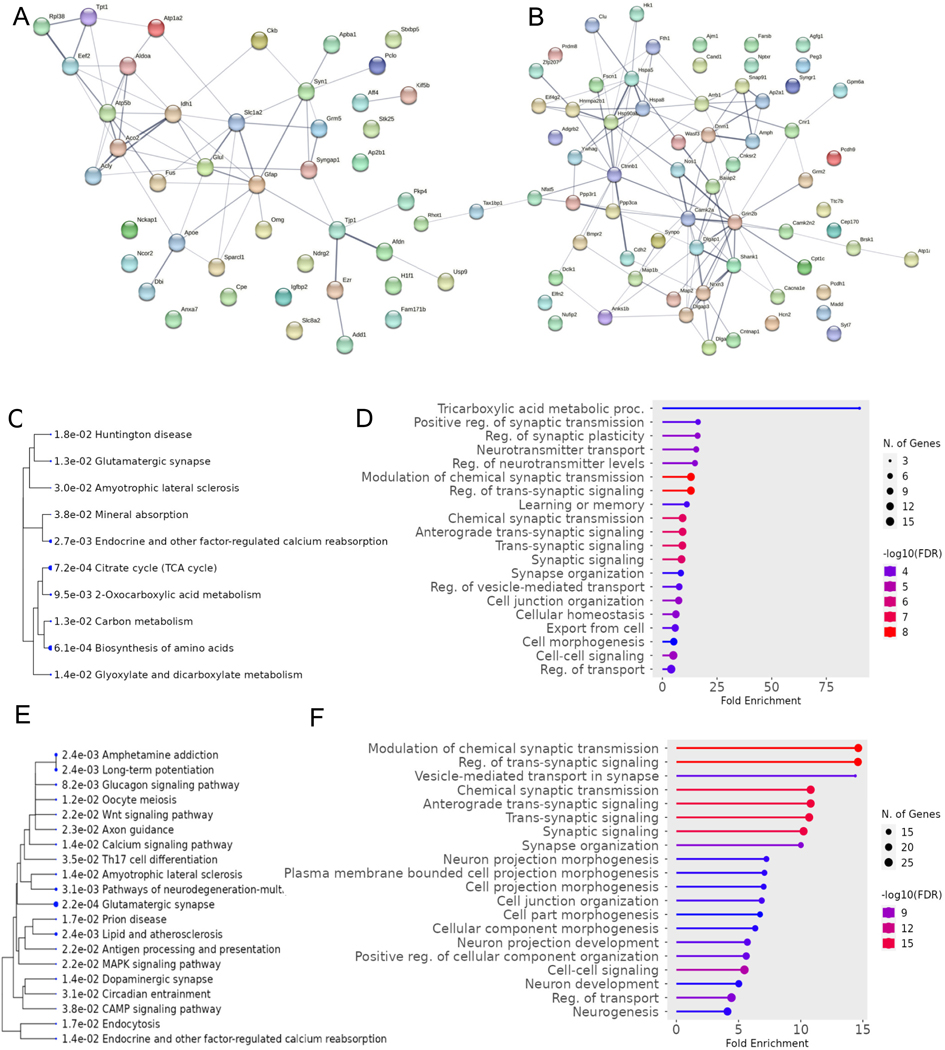
Fragile X Syndrome (FXS) is a neurodevelopment disorder characterized by cognitive impairment, behavioral challenges, and synaptic abnormalities, with a genetic basis linked to a mutation in the FMR1 (Fragile X Messenger Ribonucleoprotein 1) gene that results in a deficiency or absence of its protein product, Fragile X Messenger Ribonucleoprotein (FMRP). In recent years, mass spectrometry (MS) - based proteomics has emerged as a powerful tool to uncover the complex molecular landscape underlying FXS. This review provides a comprehensive overview of the proteomics studies focused on FXS, summarizing key findings with an emphasis on dysregulated proteins associated with FXS. These proteins span a wide range of cellular functions including, but not limited to, synaptic plasticity, RNA translation, and mitochondrial function. The work conducted in these proteomic studies provides a more holistic understanding to the molecular pathways involved in FXS and considerably enhances our knowledge into the synaptic dysfunction seen in FXS.
脆性 X 综合征(FXS)是一种神经发育障碍,其特征是认知障碍、行为挑战和突触异常,其遗传基础与 FMR1(脆性 X 信使核糖核蛋白 1)基因的突变有关,该突变导致其蛋白产物脆性 X 信使核糖核蛋白(FMRP)缺失或缺乏。近年来,基于质谱(MS)的蛋白质组学已成为揭示 FXS 潜在复杂分子图谱的有力工具。本综述全面概述了 FXS 的蛋白质组学研究,总结了关键发现,重点介绍了与 FXS 相关的失调蛋白。这些蛋白涉及广泛的细胞功能,包括但不限于突触可塑性、RNA 翻译和线粒体功能。这些蛋白质组学研究中的工作为参与 FXS 的分子途径提供了更全面的理解,并极大地增强了我们对 FXS 中所见的突触功能障碍的认识。